Whether a Carrier Cavalier Ever Shows Signs
It’s an incredibly common worry when you bring a Cavalier King Charles Spaniel into your home: you’ve done your research, you know about the breed’s unique health challenges, and perhaps you’ve even seen genetic test results. But if your beloved Cavalier is listed as a "carrier" for something like Episodic Falling Syndrome, it can leave you with a gnawing question: will they ever actually show signs, even if they're not supposed to? This guide aims to clear up that very real concern, explaining exactly what a carrier status means for your dog's health and daily life.
Understanding Episodic Falling Syndrome in Cavaliers
Episodic Falling Syndrome (EFS), sometimes just called "Falling Syndrome," is a neurological condition that is almost exclusively seen in Cavalier King Charles Spaniels. It’s not epilepsy, and it’s not a seizure disorder, which can be a huge relief for owners once they understand the distinction. Instead, EFS is characterized by episodes of muscle stiffness, incoordination, and collapse, often triggered by excitement, exercise, or stress. Imagine your lively pup suddenly becoming rigid, struggling to move their legs, or even falling over, yet remaining fully conscious and aware of their surroundings. It can be incredibly alarming to witness, and for a long time, its true nature was a mystery.
These episodes can range from a mild, almost imperceptible stiffness in the hind legs to a complete inability to stand. They are usually short-lived, lasting from a few seconds to several minutes, and the dog typically recovers quickly without any lasting effects once the trigger subsides. The key difference from a seizure is that during an EFS episode, your Cavalier maintains full awareness; their eyes will be open, they’ll respond to your voice, and they won't typically exhibit the involuntary paddling, drooling, or loss of bladder control that are common with epileptic seizures. It's a crucial distinction, and one that often requires careful observation or even video recording to help your vet differentiate. If you're struggling to tell the difference, you might find more insight in our guide on Telling Episodic Falling From a Cavalier Seizure.
The Genetics Behind Episodic Falling
To truly understand what a carrier status means, we need to delve a little into the genetics. Episodic Falling Syndrome is an autosomal recessive inherited disorder. This means that for a Cavalier to actually be affected by the condition and show symptoms, they must inherit two copies of the mutated gene—one from each parent. Think of it like a puzzle where both pieces need to be wrong for the picture to be broken.
When we talk about genetic testing for EFS, there are typically three possible results:
- Clear: This means your Cavalier has two normal copies of the gene. They cannot develop EFS, nor can they pass the mutated gene on to their offspring.
- Carrier: This is where the confusion often arises. A carrier Cavalier has one normal copy of the gene and one mutated copy. They carry the gene but are not expected to develop the disease themselves. They can, however, pass the mutated gene to their puppies if bred.
- Affected: An affected Cavalier has inherited two copies of the mutated gene, meaning they are highly likely to develop or already exhibit symptoms of Episodic Falling Syndrome.
So, when your vet or breeder refers to your Cavalier as a "carrier," they are specifically referring to that middle category. It's an important distinction to grasp because it directly addresses the heart of your concern about whether your carrier dog will ever fall victim to the syndrome's visible signs. Reputable breeders will routinely conduct The Episodic Falling DNA Test for Cavaliers to ensure they are making informed breeding decisions, aiming to produce clear or carrier puppies, and actively avoiding affected ones.
Do Carrier Cavaliers Show Symptoms? The Definitive Answer
This is the question that weighs heavily on the hearts of many Cavalier owners, and the definitive answer is a resounding no. Carrier Cavaliers for Episodic Falling Syndrome are, by definition, asymptomatic. They do not exhibit the muscle stiffness, incoordination, or collapsing episodes that are characteristic of an affected dog.
The reason for this lies in the recessive nature of the gene. Because a carrier dog has one normal, functional copy of the gene, that healthy copy is enough to compensate for the presence of the mutated copy. It's like having a spare tire – even if one of your regular tires has a slow leak (the mutated gene), the spare (the healthy gene) ensures you can still drive without issue. The body produces enough of the necessary protein or performs the function correctly, preventing the clinical signs of the disease from manifesting. There’s no subclinical presentation, no milder form of the disease that carriers experience. They are, for all intents and purposes related to EFS, healthy.
You won't observe a carrier Cavalier struggling on a walk, stiffening during play, or collapsing from excitement due to their EFS carrier status. Their physical abilities and neurological functions will be entirely normal in this regard. Owners might occasionally wonder if a slight clumsiness or an odd gait could be a "mild" form of EFS, but in a carrier dog, these would be unrelated to the genetic condition and would need to be investigated for other potential causes. The frustration for owners often comes from the label itself, which sounds alarming, but it's crucial to remember that it describes their genetic potential, not their current or future health status concerning EFS.
The Importance of DNA Testing
While a carrier Cavalier won't show symptoms, knowing their genetic status is incredibly important, particularly for breeders. DNA testing offers invaluable insight, allowing breeders to make responsible decisions that protect the health of future generations. Without testing, it's impossible to know if a seemingly healthy parent might be a carrier, capable of unknowingly passing on a problematic gene.
For a breeder, identifying a carrier dog means they can be carefully paired with a "clear" mate. This pairing ensures that no affected puppies will be produced, as all offspring will either be clear or carriers themselves. It's a proactive step that ensures the continued health and well-being of the breed. Organizations like the Orthopedic Foundation for Animals (OFA) maintain public databases of health test results, including EFS DNA tests, which can be a valuable resource for prospective puppy buyers. Understanding the role of The DNA Tests Every Cavalier Should Have can empower you to ask the right questions when choosing a puppy.
For pet owners, even if you have no intention of breeding, knowing your Cavalier's carrier status can offer peace of mind. You understand that your dog won't develop the disease, freeing you from that particular worry. It also highlights the importance of genetic health testing in general. Many pet insurance providers, like Healthy Paws, emphasize preventative care and may cover genetic screening tests if deemed medically necessary, or certainly encourage understanding your pet's genetic predispositions for future health planning.
Why Carrier Status Still Matters (Even Without Symptoms)
Even though carrier Cavaliers live entirely normal, symptom-free lives regarding Episodic Falling, their genetic status holds significant weight in responsible breeding programs. The core reason is simple: to prevent the birth of affected puppies.
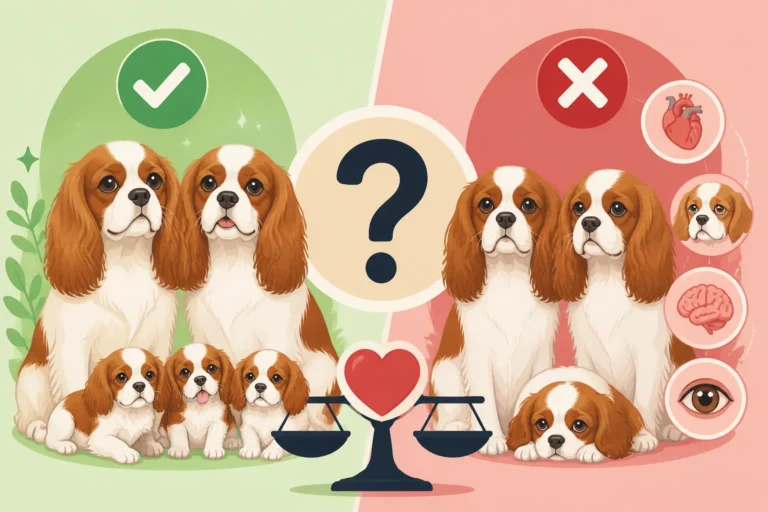
Imagine a scenario where two carrier Cavaliers are unknowingly bred together. Because both parents carry one copy of the mutated gene, there's a 25% chance that each puppy in the litter will inherit two copies of the mutated gene, thus being affected by Episodic Falling Syndrome. There's also a 50% chance they'll be carriers like their parents, and a 25% chance they'll be clear. This is precisely why genetic testing is not just recommended but considered essential by ethical Cavalier breeders. Without this knowledge, breeders would be playing a genetic lottery, potentially bringing dogs into the world that are destined to suffer from EFS episodes.
This commitment to preventing genetic diseases is a cornerstone of responsible dog breeding. It’s about more than just producing pretty puppies; it’s about safeguarding the health of the entire breed line. By utilizing DNA tests, breeders can strategically plan pairings to ensure that at least one parent is always clear, thereby guaranteeing that no affected puppies will be born, regardless of the other parent's status. If one parent is clear and the other is a carrier, all puppies will either be clear or carriers. None will be affected. This thoughtful approach helps reduce the prevalence of EFS over generations. If you're exploring the nuances of ethical breeding, you might be interested in discussions around Whether Two Cavalier Carriers Should Be Bred.
Managing a Cavalier with Episodic Falling (and why it's different for carriers)
When a Cavalier is affected by Episodic Falling Syndrome, management typically focuses on identifying and avoiding triggers, and in some cases, medication might be prescribed to reduce the frequency or severity of episodes. High excitement, intense play, or even specific types of exercise can bring on an episode for an affected dog. Owners might learn to recognize early signs and intervene by calming their dog down. Sometimes, medications like clonazepam or phenobarbital are used off-label, not as anti-seizure drugs but for their muscle-relaxing properties to help manage the stiffness. For more on managing affected dogs, our article on Managing a Cavalier With Episodic Falling provides a deeper dive.
For carrier Cavaliers, however, this intensive management is simply not necessary because they don't experience the condition. There are no triggers to avoid, no medications to administer for EFS, and no special lifestyle adjustments required due to their carrier status. They are neurologically sound in this regard. Their health concerns will be the same as any other Cavalier of their age and general health, without the added layer of EFS. Of course, regular veterinary check-ups are always important for any dog, carrier or not, to monitor for common Cavalier ailments like heart disease, which can sadly shorten a Cavalier Lifespan and What Cuts It Short. Staying on top of routine care and understanding potential breed-specific issues allows you to be proactive in their health.
Living with a Carrier Cavalier: What You Need to Know
Bringing home a Cavalier, whether clear or a carrier for EFS, means welcoming a loving companion into your life. For those with a carrier Cavalier, the most important takeaway is that their genetic status does not mean they will ever get sick from Episodic Falling Syndrome. It’s a genetic label for breeding purposes, not a diagnosis of current or impending illness for the individual dog.
Living with a carrier Cavalier means you can treat them just like any other healthy Cavalier. There are no special dietary needs related to EFS, no restricted activities, and no reason to treat them as fragile. They can enjoy all the normal activities of a happy, active dog: playing fetch, going for walks, and cuddling on the sofa. Your focus should remain on providing excellent general care, including a balanced diet, regular exercise appropriate for their age and fitness level, routine veterinary check-ups, and plenty of love and mental stimulation.
The peace of mind that comes from knowing your dog's genetic status, even as a carrier, is invaluable. It removes the uncertainty and potential anxiety that comes with an unknown genetic background. If you adopted your Cavalier as an adult and their carrier status was part of their health history, you can rest assured that this particular condition won't impact their quality of life.
However, it's always wise to be informed about other potential health concerns specific to the Cavalier King Charles Spaniel. Proactive health management and even considering a robust pet insurance plan early on, before any conditions arise, can be incredibly beneficial. Companies like Healthy Paws offer coverage for unexpected illnesses and accidents, which can be a huge relief if your Cavalier develops common breed-specific issues such as heart disease (Mitral Valve Disease) or Syringomyelia later in life. Understanding your options for protecting your Cavalier’s health financially is just as important as understanding their genetics.
In summary, a carrier Cavalier for Episodic Falling Syndrome is a healthy Cavalier. They simply possess a piece of genetic information that is important for breeders to consider, but it will not impact their own health or happiness.
| Genetic Status | Mutated Gene Copies | Develops EFS Symptoms? | Can Pass Gene to Offspring? |
|---|---|---|---|
| Clear | 0 | No | No |
| Carrier | 1 | No | Yes (50% chance per offspring) |
| Affected | 2 | Yes | Yes (100% chance per offspring) |
Remember, a Cavalier's carrier status for EFS is a testament to the advancements in veterinary genetics and the commitment of responsible breeders to improve breed health. It allows for informed decisions that protect future generations, all while assuring you that your own carrier Cavalier is perfectly healthy from this particular genetic standpoint.
Other Important Considerations for Cavalier Health
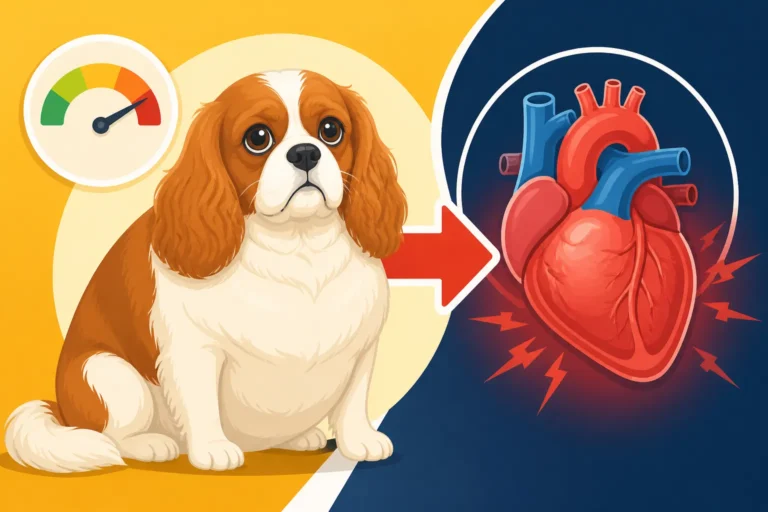
While we’ve focused on Episodic Falling, it’s always a good idea to keep other common Cavalier health issues in mind. Many Cavaliers, unfortunately, will develop heart murmurs as they age. A condition like Why Half of Cavaliers Have a Murmur by Five is something to be aware of and discussed with your vet. Regular check-ups with your veterinarian are critical to catch these issues early.
Another significant health concern for the breed is Syringomyelia and Chiari Malformation in Cavaliers. This neurological condition can cause severe pain and changes in behavior, which is why it's so important to be observant of your Cavalier's habits and temperament. If you notice any unusual scratching, yelping, or changes in how your dog holds their head, it warrants a trip to the vet. These conditions, unlike EFS carrier status, can significantly impact a Cavalier's quality of life and often require ongoing management. Early detection and proactive care, often supported by insurance like Healthy Paws, can make a huge difference in managing such conditions effectively.
Keeping up with annual vet visits, maintaining a healthy weight for your Cavalier, and providing them with a loving environment are all key components to ensuring they live a full and happy life, regardless of their EFS genetic status.
Disclaimer
The information provided in this article is for general informational purposes only and is not a substitute for professional veterinary advice. Always consult with a qualified veterinarian for any health concerns or before making any decisions related to your pet's care.