Extractions in an Older Cavalier
It's incredibly tough when your beloved older Cavalier starts showing signs of dental distress. That tell-tale bad breath, the reluctance to chew their favorite toy, or even subtle changes in their eating habits can make your heart ache, especially when you know that any procedure involving anesthesia carries extra worry for our senior companions. This comprehensive guide is here to walk you through everything you need to know about extractions in an older Cavalier, from understanding why they're so prone to dental issues to the detailed steps involved in a safe procedure and recovery.
The Unique Challenges of Dental Health in Senior Cavaliers
Watching your Cavalier age is a bittersweet journey. We cherish every grey hair and slow saunter, but it also brings new health considerations, and dental health is often at the top of that list. For senior Cavaliers, dental disease isn't just about bad breath; it's a silent threat that can significantly impact their quality of life and even worsen existing conditions. It's a frustration many of us face, wondering if we could have done more or if it's too late.
Why Dental Disease is So Common in Older Cavaliers
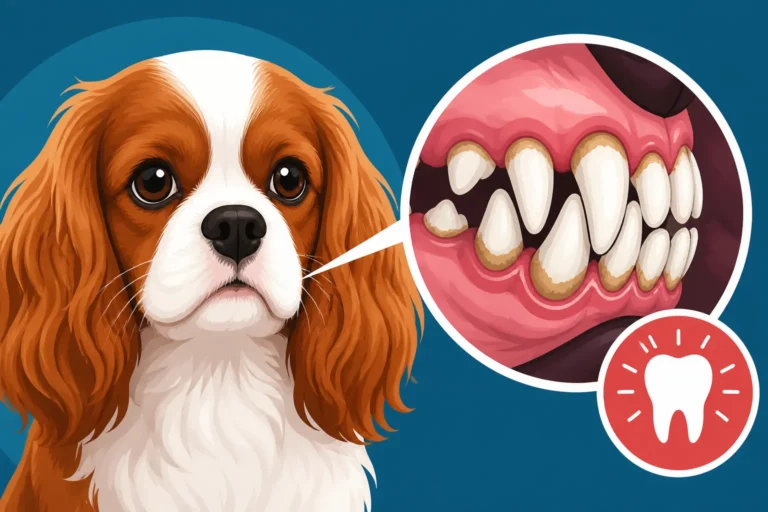
Cavalier King Charles Spaniels, even from a young age, are predisposed to dental problems, and these issues naturally accelerate as they get older. Their adorable, shorter snouts mean they often have a crowded mouth, with teeth packed tightly into a smaller jaw. This crowding creates nooks and crannies where food particles and bacteria can easily accumulate, leading to plaque and tartar buildup. Over the years, this accumulation turns into a hardened, cement-like substance on the teeth, pushing against the gums and creating pockets for infection.
Furthermore, genetics play a role. Some Cavaliers naturally produce more tartar than others, regardless of diet or home care. By the time they reach their senior years, which for many Cavaliers means turning eight or nine, the cumulative effect of years of plaque and tartar can be severe. You might find that even with diligent brushing, which we often struggle to maintain perfectly over a dog's lifetime, your senior Cavalier still develops significant issues. It’s a battle many of us fight, and it’s easy to feel like we’re losing. If you’re interested in understanding the specifics, you can learn more about Cavalier Dental Disease in a Crowded Jaw.
The Silent Suffering: Recognizing Signs Beyond Bad Breath
While "dog breath" is a common phrase, for a Cavalier with advanced dental disease, it's often more than just an unpleasant odor – it's a pungent, foul smell indicating infection. However, many of the signs of dental pain are much more subtle, and our stoic Cavaliers are masters at hiding discomfort. They might not yelp or refuse food outright, which often delays our recognition of the problem.
Keep an eye out for changes in their eating habits, such as taking longer to eat, dropping food, or chewing only on one side of their mouth. You might notice them favoring softer foods or refusing harder treats they once loved. Other indicators can include pawing at their mouth, excessive drooling, or a reluctance to have their face touched. Some Cavaliers might become a bit more withdrawn or irritable, as chronic pain can certainly affect their temperament. Inflamed, red, or bleeding gums, loose teeth, or even bumps and swelling around the jawline are more obvious red flags that necessitate a vet visit immediately. Don't dismiss these signs; your Cavalier is likely in more pain than they let on.
Understanding the Extraction Process for Older Cavaliers
The thought of your sweet, senior Cavalier going under anesthesia for extractions can be terrifying. It's a natural fear, especially given the breed's predispositions to conditions like heart disease. However, advancements in veterinary medicine mean that extractions can be done safely, even for older dogs, with careful planning and monitoring. The goal is always to improve their quality of life by alleviating pain and preventing further systemic health issues.
Pre-Anesthetic Workup: Why It's More Critical for Seniors
Before any senior Cavalier undergoes anesthesia, a thorough pre-anesthetic workup is absolutely paramount. This isn't just a suggestion; it's a crucial step to ensure their safety and minimize risks. Your vet will recommend a series of tests to get a complete picture of your Cavalier's internal health. This typically includes comprehensive blood work, which assesses kidney and liver function, blood cell counts, and electrolyte levels. These organs are responsible for processing and eliminating anesthetic drugs, so knowing their status is vital.
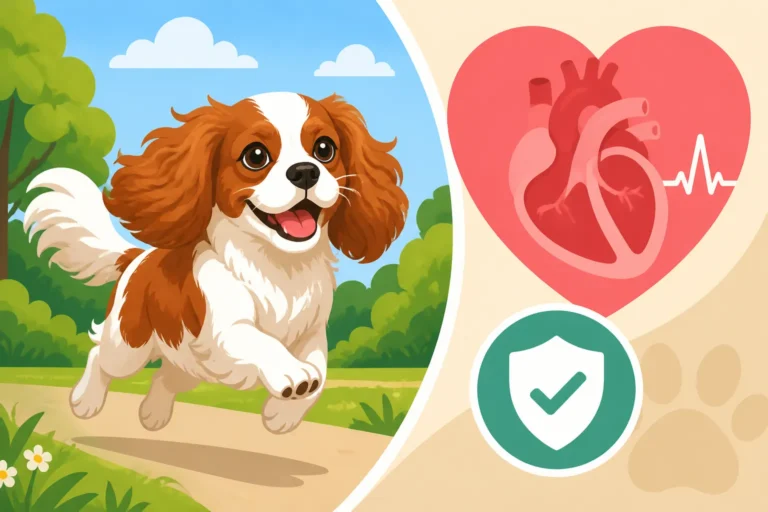
Additionally, chest X-rays are often recommended to evaluate lung health and check for any signs of heart enlargement, which is particularly important for Cavaliers prone to Mitral Valve Disease in the Cavalier King Charles Spaniel. Many older Cavaliers will have a heart murmur, and while a murmur doesn't automatically preclude anesthesia, it does mean extra precautions. Your vet might even recommend an echocardiogram or a consultation with a veterinary cardiologist if a significant murmur or signs of heart disease are present. This specialist can assess the severity of the heart condition and advise on the safest anesthetic protocol. These steps, while adding to the cost and time, are non-negotiable for the well-being of your precious senior companion. They help the vet tailor the anesthesia specifically for your dog, giving them the best possible outcome. Understanding Anesthesia Risk in a Cavalier With a Murmur can provide further context.
The Anesthesia Protocol: Minimizing Risks in Senior Dogs
Once the pre-anesthetic workup is complete and any potential issues are addressed, your veterinary team will craft an individualized anesthesia plan. For senior Cavaliers, this means a focus on using the safest, most modern anesthetic agents, often a combination of drugs that allow for lower doses of each, thereby reducing side effects. Intravenous fluids are almost always administered during the procedure to maintain blood pressure and support kidney function, especially important for older dogs.
Constant monitoring is key. Throughout the procedure, a dedicated veterinary technician will monitor your Cavalier's heart rate, rhythm, blood pressure, oxygen saturation, temperature, and carbon dioxide levels using specialized equipment. Warm circulating blankets and heating pads are used to maintain body temperature, as older dogs can get cold more easily under anesthesia. The veterinary team is prepared to intervene immediately if any parameters deviate from the norm. This meticulous attention to detail significantly reduces the risks associated with anesthesia for older pets, allowing them to wake up comfortably and safely. Many pet insurance providers, like Healthy Paws, recognize the importance of these safety measures and often cover a portion of the costs associated with diagnostic tests and anesthesia.
What Happens During the Extraction Procedure Itself
When your Cavalier is safely under anesthesia, the dental procedure begins. First, the veterinary team will thoroughly clean their teeth using an ultrasonic scaler, similar to what a human dentist uses, to remove all the plaque and tartar above and below the gumline. This is called a professional dental cleaning. After cleaning, each tooth is carefully probed and examined for signs of periodontal disease, damage, or bone loss. Dental X-rays are crucial at this stage, as they reveal problems hidden beneath the gumline, such as abscesses, fractured roots, or bone density issues that wouldn't be visible to the naked eye. This is where the true extent of the problem is often uncovered.
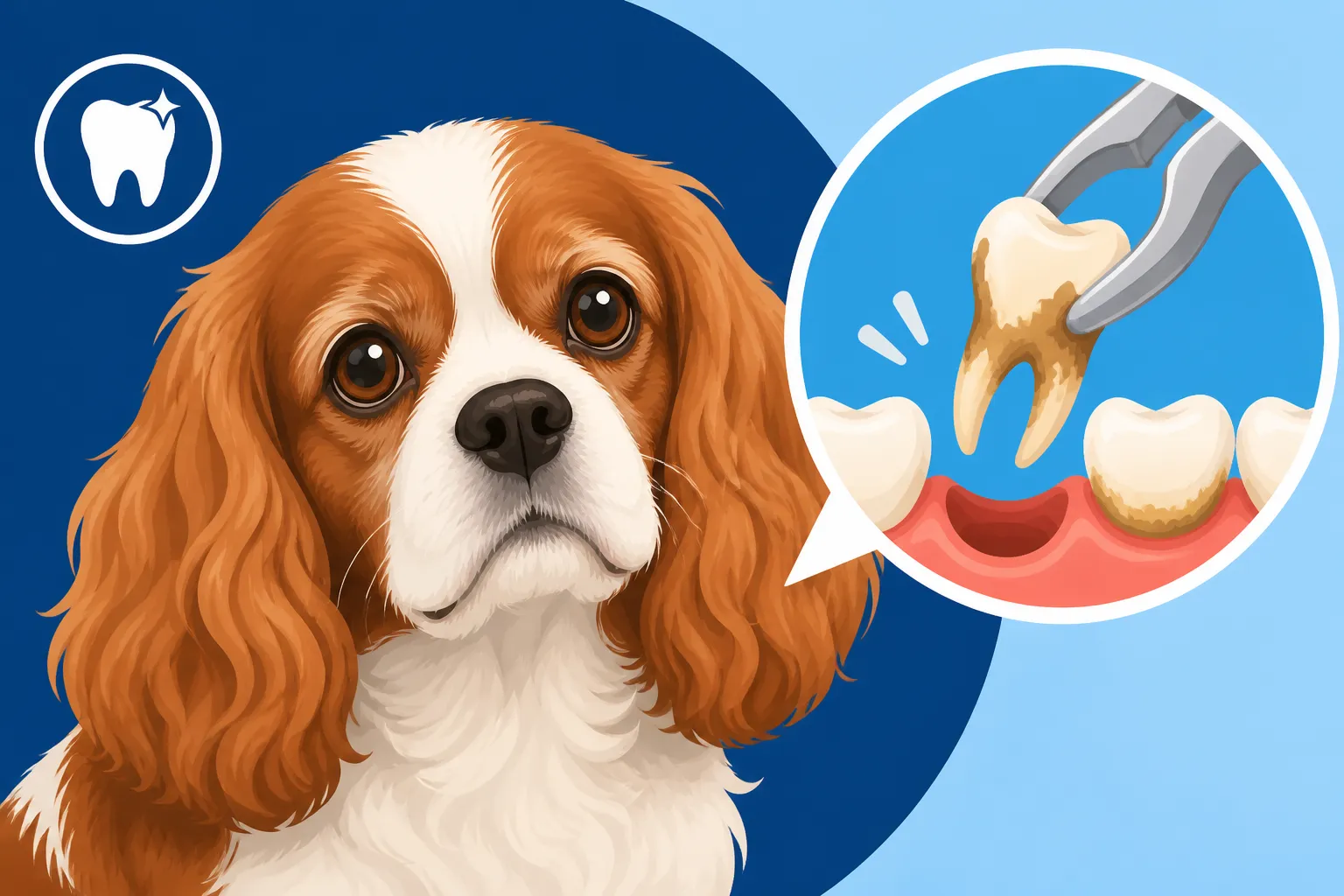
If extractions are necessary, the vet will use specialized instruments to carefully loosen the tooth from its socket. They might need to create a small flap of gum tissue to access the root more easily or even section a multi-rooted tooth into smaller pieces for easier removal. After the tooth is extracted, the empty socket is meticulously cleaned, and the gum tissue is sutured closed using dissolvable stitches. This promotes healing, reduces pain, and prevents food particles from getting trapped in the socket. The entire process is performed with sterile techniques and utmost care to ensure your Cavalier's comfort and a smooth recovery.
Post-Operative Care and Recovery for Your Senior Cavalier
Bringing your Cavalier home after dental extractions can be daunting. They might be a little groggy, a bit disoriented, and you’ll likely feel a mix of relief and lingering worry. Rest assured, proper post-operative care is just as important as the procedure itself for ensuring a smooth, comfortable recovery and getting your furry friend back to their happy, pain-free self.
Immediate Aftercare: Bringing Them Home Safely
When you pick up your senior Cavalier from the vet, they might still be feeling the effects of anesthesia. They could be a bit wobbly, sleepy, or even a little nauseous. It's crucial to have a quiet, comfortable space ready for them at home, away from other pets or energetic children. A soft bed on the floor is ideal, as they shouldn't be attempting to jump onto furniture while recovering. Ensure they have fresh water, but offer small amounts at first to prevent an upset stomach. Your vet will provide specific instructions regarding when to offer food and what type of food is best.
It's common for them to have some minor bleeding or pink-tinged saliva for the first 24 hours. Don't panic, but monitor it closely. If bleeding seems excessive or doesn't subside, contact your vet immediately. Many vets also provide specific instructions for monitoring their gum color and alertness to ensure they are recovering well. The first night can be a bit restless as the anesthesia fully wears off and pain medication kicks in, so be prepared for some comforting and gentle reassurance. It’s all part of the journey to feeling better.
Managing Pain and Ensuring a Smooth Recovery
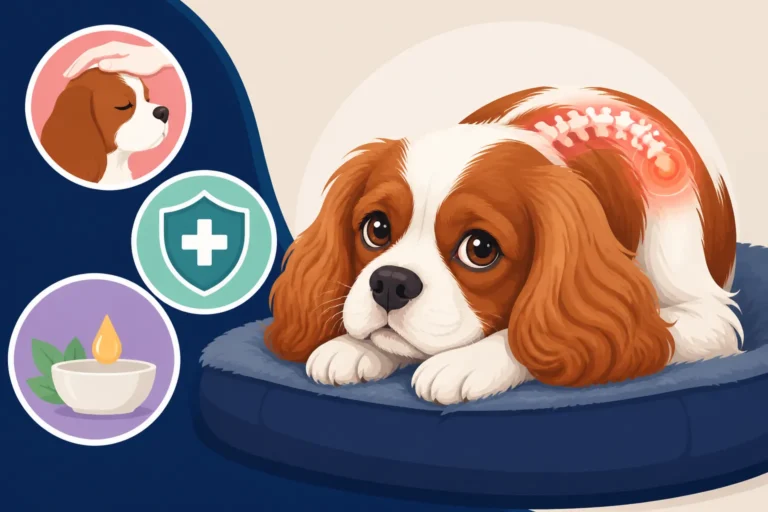
Pain management is a critical component of post-operative care, especially for an older Cavalier. Your vet will prescribe appropriate pain medications, typically a combination of anti-inflammatories and sometimes an opioid or gabapentin, to keep your dog comfortable. It's vital to administer these medications exactly as prescribed, even if your Cavalier seems to be feeling better, as consistent pain control aids healing and prevents unnecessary suffering. Do not give any human pain relievers without veterinary instruction, as many are toxic to dogs.
For the first week or two, your Cavalier will need to eat soft food exclusively. This prevents irritation to the extraction sites and allows the gums to heal. You can soften their regular kibble with warm water or switch to a high-quality canned food. Avoid any hard treats, chew toys, or bones during this period. Restricting activity is also important; no strenuous exercise, jumping, or rough play. Keep walks short and on a leash. Check the extraction sites daily (if you can gently open their mouth without causing distress) for any signs of swelling, redness, or discharge, which could indicate infection. A smooth recovery often depends on strict adherence to these instructions. Regular check-ups are especially important for Caring for a Cavalier Past Nine, where dental health profoundly impacts overall well-being.
Long-Term Dental Health After Extractions
While extractions solve the immediate problem of severely diseased teeth, they don't eliminate the risk of future dental issues for the remaining teeth. This is where establishing a proactive long-term dental care routine becomes crucial, especially for your senior Cavalier. Once the extraction sites have healed, discuss with your vet the best strategy for ongoing home care. This might include daily tooth brushing with dog-specific toothpaste, using dental chews or water additives approved by the Veterinary Oral Health Council (VOHC), or incorporating dental diets designed to reduce plaque buildup.
Regular veterinary dental check-ups are also essential. Your vet will advise on the frequency of future professional dental cleanings, which for some Cavaliers might be annually, while others might benefit from cleanings every six to nine months. Remember, the goal is to prevent the recurrence of severe dental disease, minimizing the need for further extractions and ensuring your Cavalier enjoys a comfortable, pain-free mouth for the rest of their golden years. Prevention is always better than cure, and after going through extractions, you'll be even more motivated to keep their remaining teeth healthy. Pet insurance plans, such as those offered by Healthy Paws, can also be incredibly helpful in offsetting the costs of these routine and unexpected dental procedures, ensuring you can always provide the best care.
Weighing the Risks and Benefits: Is Extraction Right for Your Older Cavalier?
Deciding whether to proceed with extractions for an older Cavalier can be agonizing. The natural worry about anesthesia, especially if your dog has other health issues, often conflicts with the desire to alleviate their pain. It's a heavy decision, but understanding both the risks of not treating dental disease and the benefits of a healthier mouth can help you make an informed choice that’s right for your cherished companion.
The Dangers of Untreated Dental Disease
It's easy to think of dental disease as "just a mouth problem," but for senior Cavaliers, untreated dental issues pose significant risks that extend far beyond bad breath or chewing difficulties. The bacteria from severe periodontal disease don't stay confined to the mouth; they can enter the bloodstream and travel to vital organs, including the heart, kidneys, and liver. This systemic inflammation and infection can exacerbate existing conditions or even lead to new ones. For a Cavalier already predisposed to heart issues like Mitral Valve Disease, the added bacterial load from infected teeth can put extra strain on their cardiovascular system, potentially accelerating the progression of their heart disease.
Chronic pain from dental disease also severely diminishes your Cavalier's quality of life. Imagine living every day with a constant toothache or painful gums; it would make even the simplest pleasures unbearable. This chronic pain can lead to lethargy, loss of appetite, irritability, and a general decline in their joyful demeanor. It’s a silent drain on their vitality, making them feel older and sicker than they might otherwise be. While you're focusing on keeping their heart healthy, don't forget that Whether Dental Disease Reaches a Cavalier's Heart is a very real concern.
Addressing Owner Concerns: "Is My Dog Too Old for Anesthesia?"
This is perhaps the most common and heartbreaking question many Cavalier owners grapple with. It’s a completely valid fear. No one wants to put their beloved senior pet through a procedure with inherent risks. However, it's crucial to understand that age itself is not a disease. A geriatric Cavalier who is otherwise healthy, or whose underlying conditions are well-managed, is often a better anesthetic candidate than a younger dog with severe, untreated dental pain and systemic infection. The risks of not addressing severe dental disease often outweigh the carefully managed risks of modern veterinary anesthesia.
Your vet will conduct a thorough pre-anesthetic evaluation to identify and mitigate as many risks as possible. They'll consider your Cavalier's overall health, including any heart murmurs or other health challenges common in older dogs. If a significant heart murmur is present, a cardiologist consultation can provide peace of mind and guide the safest approach. Often, the improvement in quality of life after alleviating chronic dental pain is dramatic. Dogs who were once withdrawn and picky eaters become more active, playful, and enthusiastic about food. The relief from constant pain allows them to truly enjoy their remaining years. It’s a decision to be made in close consultation with your trusted veterinary team, weighing all factors with your Cavalier’s individual health profile in mind.
Here's a quick look at the considerations:
| Factor | Risks of Untreated Dental Disease | Benefits of Extractions (When Needed) |
|---|---|---|
| Pain & Comfort | Chronic, often hidden pain; reluctance to eat/play; irritability. | Immediate relief from pain; improved appetite; happier demeanor. |
| Systemic Health | Bacteria spread to heart, kidneys, liver; exacerbates MVD. | Reduces systemic inflammation/infection; protects vital organs. |
| Quality of Life | Diminished enjoyment of life; lethargy; weight loss. | Restored vitality; increased energy; better interaction. |
| Anesthesia Risk | No direct anesthesia risk, but overall health declines. | Inherent anesthesia risk, but minimized with modern protocols. |
| Recovery Period | No recovery period, but chronic discomfort persists. | Temporary discomfort; need for soft food and restricted activity. |
| Financial Cost | Potential for costly treatments of secondary infections/illnesses. | Upfront cost of procedure, but prevents future, related emergencies. |
Remember, your veterinary team is there to support you through this decision, providing realistic expectations and the best possible care. For many owners, investing in a robust pet insurance plan, like those offered by Healthy Paws, early in their Cavalier's life, even before a murmur appears, can make these difficult decisions a little easier by reducing the financial stress associated with critical senior care. Don't be afraid to ask every question that comes to mind; it's your Cavalier's health and happiness at stake.
Disclaimer
This article is intended for informational purposes only and does not constitute medical advice. Always consult with a qualified veterinary professional for any health concerns or before making any decisions about your Cavalier King Charles Spaniel's medical care. Individual outcomes may vary.