Glue Ear in a Cavalier and How It Is Found
For Cavalier King Charles Spaniel owners, the frustration of a persistent ear issue that just won't clear up, or even presents with strange neurological signs, is incredibly real and disheartening. It's easy to feel helpless when your beloved companion is clearly uncomfortable, constantly shaking their head, scratching their ears, or even acting out of character, and conventional treatments aren't making a lasting difference. This comprehensive guide is here to shed light on a often-misunderstood condition called "glue ear," or Primary Secretory Otitis Media (PSOM), explaining exactly what it is, why Cavaliers are particularly susceptible, and the specialized diagnostic steps involved in finally identifying this hidden source of pain.
Why Cavalier Ears Are a Special Case for Concerns
Anyone who shares their life with a Cavalier King Charles Spaniel knows those glorious, long, silky drop ears are a hallmark of the breed's beauty. But beneath that beautiful feathering lies an anatomical structure that, unfortunately, can be a magnet for trouble. Unlike breeds with upright, open ears that allow for plenty of air circulation, a Cavalier's ears are heavy and pendulous, creating a warm, moist environment that's perfect for bacteria and yeast to thrive. This inherent susceptibility makes them prone to various ear issues, from superficial infections to deeper, more complex problems.
The ear canal itself is another factor. In many brachycephalic (short-nosed) breeds, and Cavaliers are no exception, the ear canal can be narrower and more tortuous than in other dogs. This design makes it harder for natural debris and wax to exit, and it significantly impedes airflow. When you combine this with the heavy ear flaps, you have a recipe for frequent ear infections. Many Cavalier owners become intimately familiar with the tell-tale signs: head shaking, pawing at the ears, redness, a foul odor, and sometimes a discharge. While these are usually signs of an outer ear infection (otitis externa), they can also mask or lead to more serious conditions deeper inside. If you've been battling Cavalier Ear Infections and Why They Recur without lasting success, it's worth digging deeper into the underlying reasons.
The Unique Anatomy of a Cavalier's Ear
Understanding the basic structure of your Cavalier's ear can help you grasp why certain problems are so prevalent. The ear is divided into three main parts: the outer ear, the middle ear, and the inner ear.
- Outer Ear: This includes the visible ear flap (pinna) and the ear canal, which is shaped like an 'L' and extends down to the eardrum (tympanic membrane). This is where most common ear infections happen. Because a Cavalier's ear flaps are so dense and long, they effectively create a seal over the ear canal opening, trapping heat and moisture. This is a primary reason Why a Cavalier's Drop Ears Trap Infection.
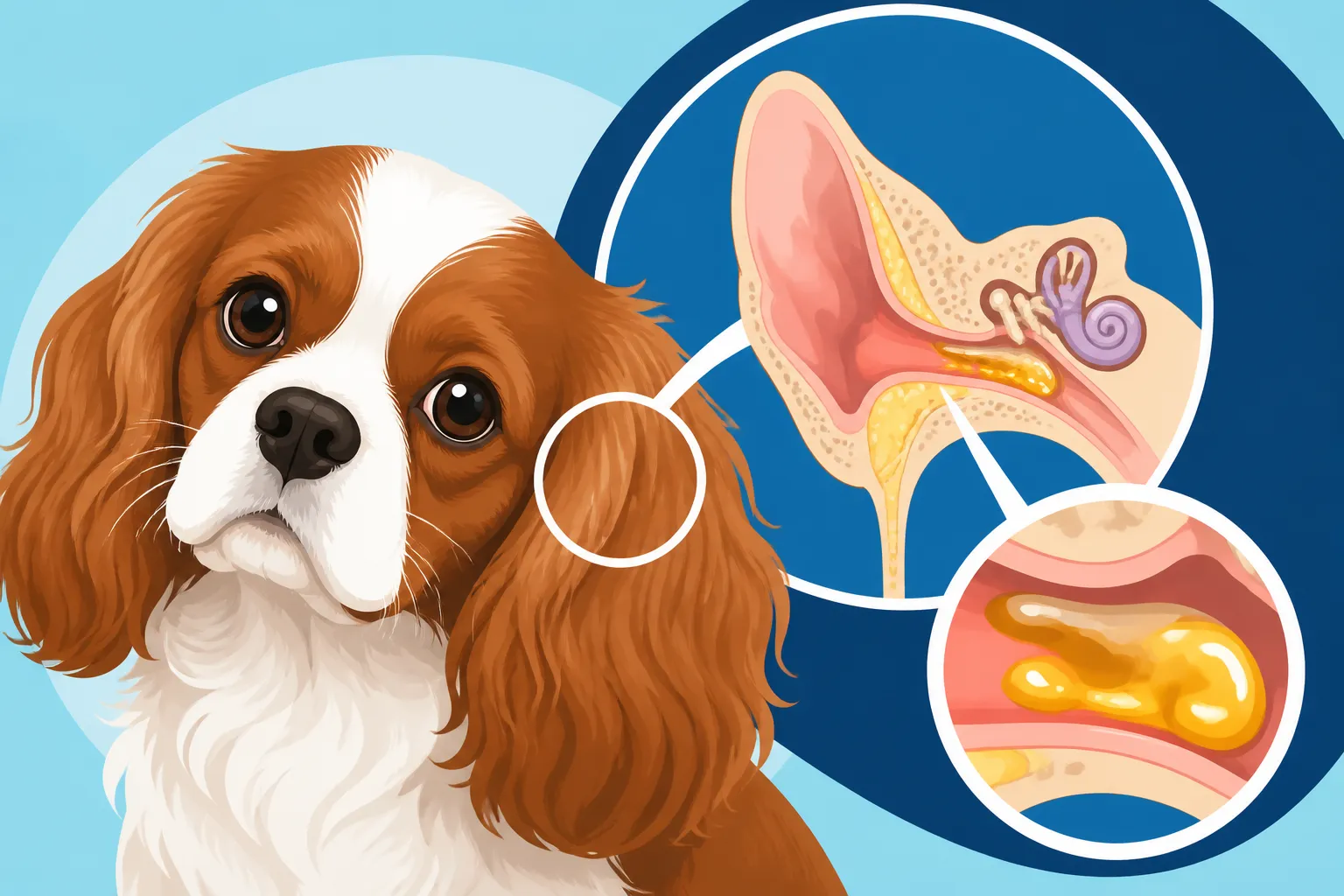
- Middle Ear: Located behind the eardrum, the middle ear is an air-filled cavity containing tiny bones (ossicles) that transmit sound vibrations. It also connects to the back of the throat via the Eustachian tube, which helps equalize pressure. This is the critical area where glue ear develops.
- Inner Ear: This deepest part contains structures responsible for hearing and balance. Problems here can lead to profound deafness or severe balance issues.
The connection between the external environment and the delicate middle ear is a thin, translucent membrane – the eardrum. When the outer ear is constantly inflamed or infected, this inflammation can eventually affect the eardrum, leading to thickening, bulging, or even rupture. This compromised barrier can then pave the way for issues to extend into the middle ear, making conditions like glue ear even more likely. This ongoing battle with Recurrent Ear Infections in a Cavalier is a significant contributing factor to the development of PSOM.
What Exactly is Glue Ear, or PSOM?
Now, let's talk about the specific condition known as "glue ear," or more formally, Primary Secretory Otitis Media (PSOM). It's a condition that often goes undiagnosed because its symptoms can be subtle, mimic other issues, or simply be mistaken for chronic external ear infections. But it's a distinct and incredibly uncomfortable problem for your Cavalier.
In essence, glue ear occurs when the middle ear fills with a thick, sticky, mucus-like material, rather than being air-filled as it should be. This isn't typically caused by a bacterial infection initially, but rather by an abnormal overproduction and accumulation of mucus. Think of it like a clogged drain in your own ear, but with mucus so thick it resembles glue. This "glue" can be extremely viscous, trapping fluid and creating immense pressure behind the eardrum. Because the Eustachian tube, which normally drains fluid from the middle ear, can become blocked or dysfunctional, this mucus has nowhere to go. This constant pressure on the eardrum and the delicate structures of the middle ear causes significant pain and can lead to a host of other problems.
Cavaliers are genetically predisposed to PSOM, making them the poster child breed for this condition. While other breeds can certainly get it, it's so common in Cavaliers that it's considered a breed-specific issue. The exact genetic mechanism isn't fully understood, but it's believed to be related to abnormalities in the middle ear's mucus-producing glands or the function of the Eustachian tube. This means that even a Cavalier with perfectly managed outer ears can still develop glue ear, though persistent external inflammation can certainly exacerbate it. It’s a truly frustrating reality for many Cavalier families.
How PSOM Differs from a Regular Ear Infection
It's crucial to understand the distinction between a typical outer ear infection (otitis externa) and glue ear (PSOM).
| Feature | Otitis Externa (Typical Ear Infection) | Primary Secretory Otitis Media (PSOM/Glue Ear) |
|---|---|---|
| Location | Outer ear canal, potentially affecting the eardrum | Middle ear cavity, behind the eardrum |
| Cause | Bacterial, yeast, parasites, allergies, foreign bodies | Abnormal mucus production, Eustachian tube dysfunction (often breed-specific) |
| Material | Discharge (waxy, purulent, bloody) in ear canal | Thick, sticky mucus behind the eardrum |
| Smell | Often foul, yeasty, or bacterial odor | Typically no external odor unless secondary infection |
| Pain | Itchy, sore, inflamed outer ear | Deep, throbbing pain, pressure, head pain, potential neurological signs |
| Diagnosis | Otoscopic exam (visible canal, eardrum usually visible) | Requires advanced imaging (MRI/CT), deep otoscopy under anesthesia |
| Treatment | Topical drops, oral antibiotics/antifungals, cleaning | Myringotomy (eardrum puncture), flushing, tympanostomy tubes, long-term management |
The key difference is the location of the problem. A typical ear infection is usually visible with an otoscope as discharge or inflammation in the ear canal. Glue ear, however, is hidden behind the eardrum in the middle ear. This means that a standard "ear check" at your vet, while important, might not reveal the true extent of the problem if the eardrum is intact and the outer ear appears relatively normal. The persistent, deep discomfort your Cavalier experiences from PSOM often feels very different from the itchiness of a yeast infection or the sharp pain of a bacterial infection.
Recognizing the Subtle Signs of Glue Ear in Your Cavalier
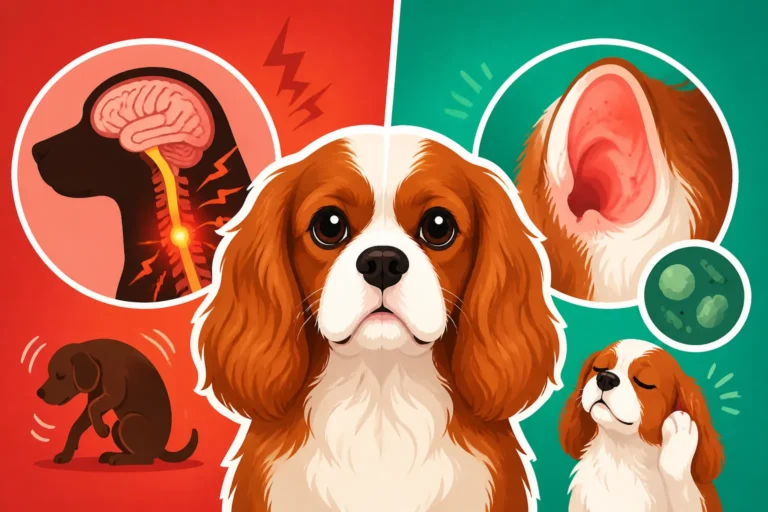
Diagnosing glue ear can be challenging because the symptoms aren't always obvious or specific to the ears. Many owners might notice their Cavalier isn't quite right but struggle to pinpoint the exact issue. This is where your keen observation skills as a pet parent become invaluable. Because of the pressure and pain in the middle ear, the signs can range from subtle behavioral changes to more pronounced neurological symptoms, often overlapping with other serious Cavalier conditions like syringomyelia.
One of the most common, yet often overlooked, signs is a reluctance to be touched around the head, neck, or ears. Your normally cuddly Cavalier might pull away, yelp, or even snap if you try to pet their head or pick them up in a way that puts pressure on their neck or ears. They might start sleeping with their head elevated, perhaps resting it on a toy or a pillow, in an attempt to alleviate pressure. You might notice them shaking their head more than usual, but without the obvious scratching or visible discharge of a typical ear infection. Some Cavaliers might experience hearing loss, although this can be hard to detect, especially if it develops gradually or affects only one ear. The chronic nature of the pain can also lead to more generalized signs like lethargy, decreased appetite, or a change in temperament.
It’s this overlap of symptoms that makes glue ear so tricky. Many of these signs—head shaking, yelping when picked up, pain around the neck—are also classic indicators of Syringomyelia and Chiari Malformation in Cavaliers. This is why it’s incredibly important for your vet to consider all possibilities and not jump to conclusions. A Cavalier showing these signs might be assumed to have neck pain from SM, when in reality, the culprit could be debilitating glue ear. Or, in some unfortunate cases, they might have both. Differentiating between these conditions requires careful diagnostic work, and it's something your veterinarian will want to investigate thoroughly.
Behavioral Clues and Pain Indicators
Beyond the more general signs, there are specific behaviors that can strongly suggest your Cavalier is suffering from glue ear:
- Intermittent or Constant Head Shaking: This can be a relentless, frustrating behavior for both you and your dog. It's often worse after they wake up, or when they've been resting in a position that shifts the pressure in their ears.
- Ear Scratching or Rubbing: While not always present, some Cavaliers will still try to relieve the discomfort by scratching their ears or rubbing their head against furniture. However, unlike a typical external ear infection, you might not find much visible irritation in the outer ear canal.
- Vocalization of Pain: A sudden yelp when you touch their head, neck, or even when they stretch or jump. This is a clear indicator of discomfort.
- Reluctance to Jump or Use Stairs: The jarring motion can increase pain or pressure in the head, leading your Cavalier to avoid activities they once loved.
- Changes in Sleeping Position: As mentioned, sleeping with the head elevated or in unusual positions can be an attempt to find comfort.
- Facial Nerve Paralysis: In some severe cases, the facial nerve, which runs through the middle ear, can be affected. This might manifest as a droopy eyelid, lip, or a deviation of the nose on one side.
- Head Tilt or Ataxia (Loss of Coordination): If the inflammation or pressure extends to the inner ear, it can affect the vestibular system, leading to a persistent head tilt, circling, or stumbling, similar to what you might see with Telling Syringomyelia From a Cavalier Ear Infection. This is a serious sign and warrants immediate veterinary attention.
- Chronic Dullness or Irritability: The constant, nagging pain can wear down even the happiest Cavalier, making them withdrawn, less playful, or unexpectedly irritable.
If you observe any combination of these signs, especially after conventional ear infection treatments have failed to provide lasting relief, it’s time to discuss glue ear specifically with your veterinarian. Don't dismiss these behaviors as just "old age" or "being moody" – they are often cries for help.
The Diagnostic Journey: How Vets Find Glue Ear
Because glue ear is hidden behind the eardrum, a definitive diagnosis requires more than a quick look with an otoscope in a conscious dog. It's a multi-step process that often involves sedation or anesthesia and advanced imaging techniques. This can feel daunting, but it's essential to get a clear picture of what's happening inside your Cavalier's head. The process starts with your primary care veterinarian, but they will likely recommend a referral to a specialist, such as a veterinary dermatologist or neurologist, for the most accurate diagnosis and treatment plan.
The initial steps often involve a thorough physical examination, including a neurological assessment, and a careful evaluation of the outer ear canals. Your vet might attempt to perform a deeper otoscopic exam using a video otoscope if available, but this is usually limited in an awake dog due to discomfort. If there's any doubt, or if external ear infections are persistent, the next step will almost always involve sedation or general anesthesia.
Under anesthesia, a comprehensive examination of the ear canals can be performed. This allows the vet to use a much more powerful video otoscope to get a magnified, clear view of the eardrum. They will be looking for signs of bulging, discoloration, or reduced transparency of the eardrum, which could indicate fluid buildup behind it. They may also check for any subtle perforations or scarring. If PSOM is strongly suspected, the vet may perform a myringotomy, which is a tiny puncture in the eardrum. This allows them to collect a sample of the middle ear fluid for analysis and, crucially, to relieve the pressure and drain the "glue." This procedure can be both diagnostic and therapeutic.
Advanced Imaging: MRI and CT Scans
While a careful otoscopic exam under anesthesia and a myringotomy can strongly suggest PSOM, the gold standard for definitive diagnosis and assessing the full extent of the problem is advanced imaging, specifically Magnetic Resonance Imaging (MRI) or Computed Tomography (CT) scans.
- MRI (Magnetic Resonance Imaging): An MRI is particularly excellent for visualizing soft tissues. It can clearly show the presence of the thick, viscous fluid within the middle ear cavity, and differentiate it from other structures. It's also vital for assessing any associated inflammation, nerve damage, or potential concurrent conditions such as syringomyelia or Chiari malformation, which can present with similar neurological signs. An MRI provides detailed images of the brain and spinal cord, allowing your vet to rule out other neurological disorders. Understanding What a Cavalier MRI Scan Costs and Shows is important for owners preparing for this diagnostic step.
- CT (Computed Tomography) Scan: A CT scan uses X-rays to create cross-sectional images. While not as good as MRI for soft tissue detail, it provides excellent bony detail of the skull and the ear structures, including the bony bulla (the bony casing of the middle ear). It can effectively show fluid accumulation in the middle ear and identify any bony changes or destruction that might have occurred due to chronic inflammation.
Both MRI and CT scans require general anesthesia, as the dog must remain perfectly still for the duration of the imaging. The choice between MRI and CT often depends on what the veterinary specialist is trying to ascertain, and the availability of equipment. For a condition like glue ear, which involves fluid and potential nerve involvement, MRI is often preferred due to its superior soft tissue resolution. These scans are crucial for confirming the diagnosis, determining if one or both ears are affected, and planning the most effective treatment. The costs associated with these advanced diagnostics can be substantial, making a robust pet insurance policy, perhaps from Healthy Paws, a wise investment for Cavalier owners.
Treatment Options and Long-Term Management
Once glue ear is definitively diagnosed, the primary goal of treatment is to remove the accumulated mucus, alleviate pain, and prevent recurrence. The approach is multi-faceted and often requires ongoing management. It's not usually a "one-and-done" fix, but rather a commitment to maintaining your Cavalier's comfort and ear health.
The cornerstone of immediate treatment for PSOM is a procedure called myringotomy followed by thorough flushing of the middle ear. This is performed under general anesthesia. As discussed, a tiny incision is made in the eardrum, and a specialized catheter is then inserted into the middle ear cavity. Warm saline solution is gently flushed through to break up and wash out the thick, sticky mucus. This can be a surprisingly lengthy process due to the viscous nature of the "glue." Once the middle ear is clear, an antibiotic or anti-inflammatory solution might be instilled. In some cases, to ensure continued drainage and aeration of the middle ear, a small tube called a tympanostomy tube (or "Grommet") might be placed through the eardrum. These tubes are similar to those used in human children with chronic middle ear effusions and typically fall out on their own after a few weeks or months.
Following the procedure, your Cavalier will likely be prescribed oral medications, which may include anti-inflammatory drugs (such as corticosteroids) to reduce inflammation and pain, and sometimes antibiotics if a secondary bacterial infection is present. Pain management is paramount, so your vet might also prescribe pain relief medication like Gabapentin for a Cavalier with neck pain if it's suspected to be a chronic component of their discomfort. Because the underlying cause of PSOM is often genetic or anatomical, there's a significant chance of recurrence. This means long-term, proactive management is often necessary.
Ongoing Care and Prevention of Recurrence
Living with a Cavalier prone to glue ear means being vigilant and proactive. Here’s what ongoing care typically involves:
- Regular Veterinary Check-ups: Even after successful treatment, regular follow-up appointments are essential. Your vet will want to monitor the ear canals and discuss any changes in your Cavalier's behavior or comfort levels.
- Medical Management: Some Cavaliers may benefit from long-term low-dose corticosteroids or other anti-inflammatory medications to help reduce mucus production and inflammation. Your vet will weigh the benefits against potential side effects.
- Eustachian Tube Support: In some cases, therapies aimed at improving Eustachian tube function might be considered, though research in this area for dogs is still evolving.
- Allergy Management: If underlying allergies are contributing to ear inflammation, addressing these can be critical. This might involve special diets, allergy medications, or immunotherapy.
- Maintaining Outer Ear Health: While PSOM originates in the middle ear, keeping the outer ear canals clean and healthy is still important to prevent secondary infections and reduce overall inflammation that could exacerbate the middle ear issue. Regular, gentle ear cleaning with a vet-approved solution is often recommended.
- Careful Monitoring for Symptoms: You, as the owner, are the first line of defense. Pay close attention to any subtle changes in your Cavalier’s head shaking, scratching, sensitivity around the head, or behavioral shifts. The moment you suspect a problem, contact your vet. Early intervention can make a significant difference in managing discomfort and preventing severe recurrence.
- Pet Insurance Considerations: Because the diagnosis and ongoing management of PSOM can involve significant costs, from advanced imaging to specialized procedures and medications, having pet insurance is highly recommended. Many owners find that plans from providers like Healthy Paws are invaluable when dealing with chronic conditions that require specialist care. It's always best to enroll your Cavalier in pet insurance when they are young and healthy, before any conditions like glue ear become pre-existing.
- Harnesses over Collars: For any Cavalier with head or neck pain, or conditions like PSOM and syringomyelia, a harness is always a better choice than a collar. A collar can put direct pressure on the neck, exacerbating discomfort. A well-fitting harness distributes pressure across the chest, offering much greater comfort and safety. You can find more information on appropriate neckwear here: Harnesses Instead of Collars for a Cavalier.
Dealing with glue ear in your Cavalier can be a challenging journey, but with a clear understanding of the condition, diligent observation, and collaboration with your veterinary team, you can significantly improve your beloved companion's quality of life and comfort.
Disclaimer
The information provided in this article is for educational purposes only and is not intended to be a substitute for professional veterinary advice, diagnosis, or treatment. Always seek the advice of your veterinarian or other qualified animal health provider with any questions you may have regarding a medical condition.