Knowing When a Cavalier’s Heart Has Run Out
It’s an agonizing question no Cavalier owner ever wants to face: how do you know when their beloved heart, so full of love and loyalty, has finally run out of strength? The journey with a Cavalier King Charles Spaniel often brings the shadow of heart disease, and recognizing the true signs of advanced stages can be incredibly difficult, often clouded by our deep affection and hope. This guide aims to offer compassionate insights into understanding end-stage heart failure, evaluating your Cavalier's quality of life, and navigating those heartbreaking, final decisions with as much peace and knowledge as possible.
Understanding End-Stage Heart Failure in Cavaliers
For many Cavalier King Charles Spaniel owners, the phrase "end-stage heart failure" is one they dread. Our Cavaliers are genetically predisposed to mitral valve disease (MVD), a progressive condition that can, over time, lead to congestive heart failure. Knowing the signs and understanding what is happening internally can help you better support your companion in their final chapter.
The Progression to End-Stage MVD
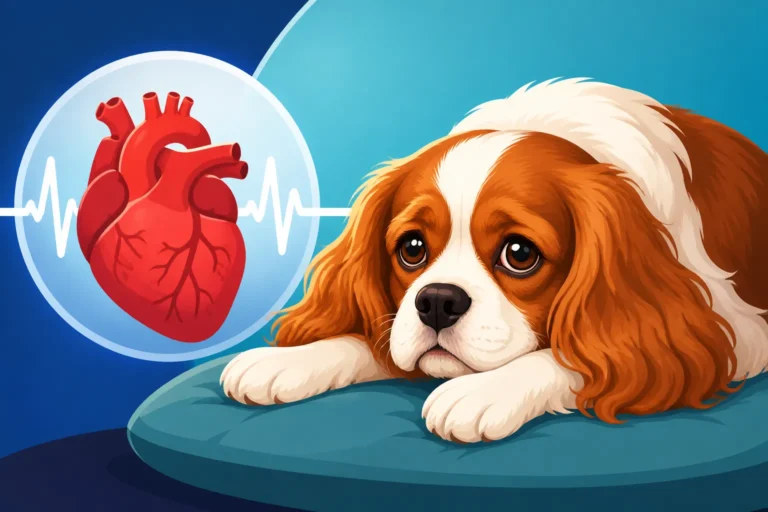
Mitral Valve Disease in the Cavalier King Charles Spaniel is notoriously common and often appears at a younger age than in other breeds. It starts with a murmur, a sound caused by blood leaking backward through a faulty mitral valve. Over months or years, this leak worsens, forcing the heart to work harder and harder to pump blood effectively. Eventually, the heart muscle remodels and enlarges, a condition known as cardiomegaly. This enlargement can compromise lung capacity and lead to inefficient pumping. You might notice your vet discussing topics like how Cavalier heart disease progresses stage by stage, referring to the ACVIM stages of MVD (Stages A, B1, B2, C, D) which dictate the severity and treatment protocols.
In the later stages (Stage C and particularly Stage D), the heart can no longer compensate for the leaking valve. Fluid begins to back up, often into the lungs (pulmonary edema) or, less commonly, into the abdomen (ascites). This is when true congestive heart failure sets in. The heart is, quite literally, "failing" to pump blood efficiently, leading to a cascade of systemic issues. It's a cruel reality that even with the best medical management, the disease is relentless.
Recognizing the Signs of Heart Failure
Identifying when your Cavalier's heart has truly run its course can be a blurry line, as the signs of heart failure can wax and wane. However, in end-stage disease, these symptoms become more frequent, severe, and less responsive to medication.
One of the most common early indicators of heart failure is a cough, particularly a persistent, soft cough that worsens at night or when lying down. This is often due to fluid accumulating in the lungs. You might be familiar with the concern around a Cavalier coughing at night. As the disease advances, this cough can become more severe, sometimes productive, indicating significant pulmonary edema.
Another critical sign is exercise intolerance or a Cavalier that tires on short walks. A dog that once loved to chase squirrels or romp in the park might now be hesitant to go for even a short stroll, lagging behind, or needing frequent breaks. This isn't just "getting old"; it's a direct consequence of the heart's inability to supply enough oxygenated blood to the muscles. They might also appear weak, disoriented, or even collapse after minimal exertion.
Furthermore, changes in breathing patterns are a huge red flag. Beyond coughing, you might observe rapid, shallow breathing even at rest, known as tachypnea. Learning how to count a Cavalier's resting breaths at home can be an invaluable tool. A consistent resting respiratory rate (RRR) above 30-35 breaths per minute, especially if trending upwards, often indicates fluid in the lungs. Other signs can include a lack of appetite, significant weight loss (cardiac cachexia), and general lethargy. They might also show increased anxiety or restlessness, especially at night, struggling to find a comfortable position. Their gums might appear pale or bluish, indicating poor oxygenation. These are all critical signs that the heart is struggling immensely.
Assessing Quality of Life
When faced with end-stage heart disease, the most loving thing we can do for our Cavaliers is to honestly and objectively assess their quality of life. This isn't just about prolonging life; it's about ensuring the life they have left is as comfortable and joyful as possible.
Tools for Evaluating Your Cavalier's Comfort
Evaluating your Cavalier's quality of life is an ongoing process that requires observation, honesty, and often, input from your veterinary team. There are several tools and frameworks that can help owners objectively assess their pet's well-being, such as the "HHHHHMM Scale" (Hurt, Hunger, Hydration, Hygiene, Happiness, Mobility, More Good Days Than Bad).
- Hurt: Is your Cavalier in pain? While MVD itself isn't directly painful, advanced heart failure can lead to discomfort from labored breathing, pressure from fluid buildup, or generalized weakness. Look for subtle signs like restlessness, reluctance to move, guarding certain areas, or changes in posture. Pain relief for a Cavalier with syringomyelia might be more obvious, but heart-related discomfort can be harder to pinpoint.
- Hunger: Is your Cavalier eating and drinking normally? A loss of appetite is a common sign of advanced illness. While a missed meal now and then might not be critical, persistent refusal of food and water is a serious concern.
- Hydration: Is your Cavalier adequately hydrated? You can check by gently lifting the skin on their neck or back; it should snap back quickly. Dry or tacky gums are another indicator of dehydration.
- Hygiene: Can your Cavalier maintain their cleanliness? Are they able to groom themselves? Are they having accidents indoors, not because of training issues, but because they can't get outside in time or are too weak?
- Happiness: Does your Cavalier still engage with you and their environment? Do they respond to their name, enjoy gentle petting, or show interest in their favorite toys? Are there moments of genuine joy, or do they seem withdrawn and depressed? This is often the hardest one to judge because we want to see them happy.
- Mobility: Can your Cavalier move around freely? Can they stand, walk, and lie down without excessive effort or pain? Are they able to adjust positions comfortably? A Cavalier that can barely stand or frequently collapses is struggling significantly.
- More Good Days Than Bad: This is arguably the most crucial factor. Keep a journal to track their daily activities. Are the bad days, filled with discomfort, lethargy, and labored breathing, starting to outnumber the good days where they show glimpses of their old self? When the balance consistently tips towards bad days, it's a strong indicator that their quality of life is severely diminished.
It's also important to remember that the financial strain of managing end-stage heart disease can be immense. While we never put a price on love, the reality is that medication for a Cavalier with heart disease, repeated vet visits, and potentially emergency care can quickly add up. Many owners wish they had invested in pet insurance like Healthy Paws earlier in their pet's life, as conditions often become pre-existing once diagnosed.
The Emotional Toll on Owners
Let's be honest, watching your Cavalier decline from heart failure is utterly devastating. We pour our hearts into these little dogs, and the thought of their heart literally giving out is almost too much to bear. The emotional toll on owners is profound, marked by anticipatory grief, guilt, and immense sadness. You might feel immense pressure to do everything possible to prolong their life, even when their quality of life is clearly suffering.
It's common to second-guess every decision, to replay every symptom, and to wonder if you're doing enough, or too much. This emotional burden can be isolating. Talking to your vet, trusted friends, or even a pet bereavement counselor can provide much-needed support. Remember, your Cavalier has given you unconditional love, and the hardest decision you might ever have to make is often the kindest. It's about letting go when their suffering outweighs their joy, a final act of love that honors their life, not just prolongs their existence. The journey through End-Stage Heart Failure in a Cavalier is a marathon of emotional challenges.
Making Difficult Decisions and Providing Comfort
When you've done everything you can, and your Cavalier's heart continues to lose its battle, the next steps involve incredibly difficult conversations and profound choices.
Consulting Your Veterinary Team
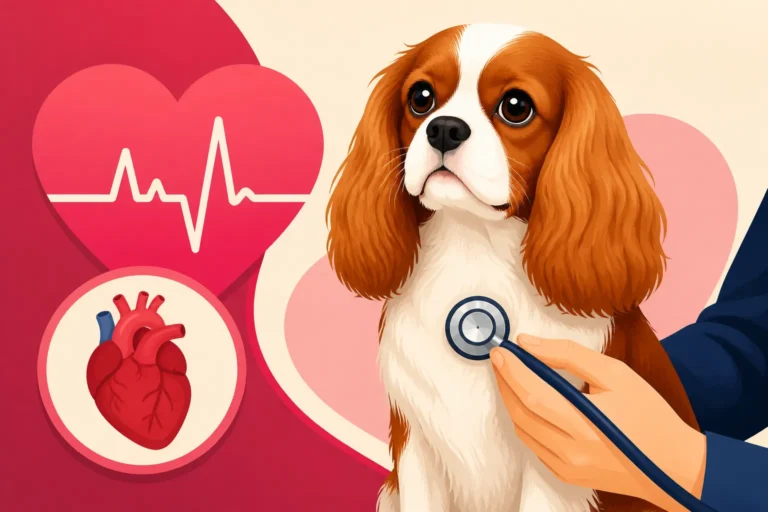
Your veterinarian, and especially a veterinary cardiologist if your Cavalier has been seeing one, is your most vital resource during this time. They can offer an objective assessment of your Cavalier's condition, discussing what a Cavalier echocardiogram shows and the effectiveness of current medications like Pimobendan for a Cavalier with an enlarged heart or Diuretics for a Cavalier in heart failure. They can help you understand the trajectory of the disease and honestly evaluate their comfort levels.
Don't hesitate to ask your vet direct questions:
- "What is their prognosis, truly?"
- "Are they experiencing significant pain or distress that we can't fully alleviate?"
- "Are the medications still effective, or are we just delaying the inevitable?"
- "What are the humane options available at this stage?"
It's also worth discussing the potential for Hospice Care for a Cavalier in Heart Failure if you're not quite ready to say goodbye but want to ensure maximum comfort at home. They can guide you on adjusting medications, managing symptoms, and understanding when medical interventions become futile or even detrimental to quality of life. Sometimes, just having an honest conversation about the progression, like How Long a Cavalier Lives After Diagnosis, can help bring clarity to an emotionally fraught situation.
Palliative Care and Hospice Options
If you're finding it difficult to make the final decision, or if your Cavalier still has some good days but is clearly declining, palliative care or hospice might be an option. This focuses entirely on comfort, symptom management, and maximizing the good days. It's not about curing the disease but about enhancing the quality of the remaining time.
Palliative care can involve:
- Pain management: Ensuring any discomfort from fluid buildup, muscle weakness, or general malaise is addressed. This might include anti-inflammatories (if safe for their kidneys), gabapentin, or other pain medications.
- Breathing support: Continuing diuretics or oxygen therapy at home if prescribed, to ease breathing difficulties.
- Nutritional support: Offering highly palatable foods, warming meals, or even syringe-feeding if necessary to maintain calorie intake and hydration.
- Environmental adjustments: Creating a comfortable, easily accessible resting area, avoiding stairs, and providing soft bedding. Consider harnesses instead of collars for a Cavalier to reduce pressure on the neck and trachea.
- Emotional support for both pet and owner: Many hospice providers offer guidance and support during this incredibly tough time.
While pet insurance like Healthy Paws might not cover pre-existing conditions like end-stage MVD, some policies or special programs might offer limited coverage for palliative care or end-of-life services. Always check with your provider.
The Gift of a Peaceful Farewell
Ultimately, knowing when a Cavalier's heart has run out means recognizing when their suffering outweighs their joy, when the bad days consistently outnumber the good, and when medical interventions no longer provide comfort or dignity. It is the most profound and selfless act of love an owner can perform.
Choosing euthanasia is an intensely personal and painful decision. However, it allows you to spare your beloved Cavalier from prolonged suffering, to give them a peaceful, dignified passing surrounded by your love and comfort. Many veterinary practices now offer in-home euthanasia, which can make the experience less stressful for your pet and allow them to pass in their most familiar and cherished environment.
The moment you make this decision, and the moments that follow, will be filled with grief. Allow yourself to feel that grief. Remember the immense joy and companionship your Cavalier brought into your life. You gave them the best life you could, and when their heart truly couldn't go on, you gave them the ultimate gift of peace.
| Quality of Life Indicator | Good Quality (Early/Managed Disease) | Diminished Quality (Advanced/End-Stage) |
|---|---|---|
| Appetite | Eating meals enthusiastically, curious about treats. | Refusing food, significant weight loss, little interest. |
| Hydration | Drinking normally, skin elasticity good. | Reluctant to drink, dry gums, poor skin elasticity. |
| Breathing | Calm, unlabored breathing at rest (RRR < 30). | Labored, rapid breathing (RRR > 40-50), frequent coughing. |
| Activity/Mobility | Enjoys walks, plays gently, moves freely. | Lethargic, tires quickly, struggles to stand/walk, restless at night. |
| Pain/Discomfort | No obvious signs of pain, comfortable. | Restless, vocalizing, changes in posture, struggling to get comfortable. |
| Happiness/Engagement | Responds to interaction, seeks attention, moments of joy. | Withdrawn, uninterested in family/environment, no joy. |
| Hygiene | Self-grooming, able to get outside for potty. | Poor grooming, frequent accidents due to weakness or urgency. |
| Overall Balance | More good days than bad days, enjoying life. | More bad days than good, suffering is evident and increasing. |
Disclaimer
This article is intended for informational purposes only and does not constitute veterinary advice. Always consult with a qualified veterinarian or veterinary specialist for any health concerns or before making any decisions regarding your pet's medical care.