What Mitral Valve Repair Costs a Cavalier Owner
Finding out your beloved Cavalier King Charles Spaniel has advanced mitral valve disease (MVD) is absolutely heartbreaking, and the thought of them struggling to breathe can keep any dedicated owner awake at night. When medications can no longer effectively manage their symptoms, and the cough becomes persistent, you start to wonder what other options exist. This guide dives deep into the complex and often overwhelming costs associated with mitral valve repair surgery, helping you understand the financial journey involved in this life-extending procedure.
Understanding Mitral Valve Disease in Cavaliers
It's a tough pill to swallow, but mitral valve disease is practically synonymous with the Cavalier King Charles Spaniel. Many of us fall in love with these sweet, affectionate dogs, only to learn later about the significant health challenges they face, especially with their hearts. The reality is that a murmur appearing is often just the beginning of a long and challenging road, and for some, medical management eventually isn't enough.
The Progression of MVD and Its Impact
Mitral valve disease, or MVD, is a degenerative condition where the mitral valve in the heart thickens and deforms, failing to close properly. This leads to blood leaking backward into the left atrium with each heartbeat. Over time, the heart has to work harder, and the progressive leakage causes the heart chambers to enlarge. You might notice your Cavalier becoming less energetic, breathing faster, or developing a tell-tale cough. It's a cruel disease that can slowly steal the vitality from these wonderful dogs. Understanding Mitral Valve Disease in the Cavalier King Charles Spaniel is the first step in preparing for what might come.
The emotional toll on an owner watching their Cavalier decline can be immense. You see them struggle to keep up on walks, they might pant more, and that characteristic cough, often worse at night, becomes a constant, worrying presence. While medications can offer significant relief and extend the asymptomatic period, for some Cavaliers, the disease continues to advance despite the best medical efforts. This is when desperate questions arise about what else can be done to give them more time and better quality of life. The journey from a mild murmur to advanced heart failure is a progression that often feels rapid, and it's essential to grasp How Cavalier Heart Disease Progresses Stage by Stage to truly understand the urgency that can arise.
When Repair Becomes an Option
Mitral valve repair is not a first-line treatment, nor is it suitable for every Cavalier with MVD. It’s a highly specialized and invasive procedure considered when conventional medical therapy is no longer sufficient to control the symptoms of congestive heart failure. Typically, a veterinary cardiologist will assess your dog's heart function, valve structure, and overall health to determine if they are a candidate. This often involves detailed echocardiograms to measure heart chamber sizes, assess the severity of the leak, and evaluate lung function.
Candidates usually fall into an advanced stage of MVD, where their heart has enlarged considerably, and they are experiencing significant clinical signs despite being on an optimized medication regimen. The goal of the surgery is to reconstruct the damaged mitral valve, allowing it to close more effectively and reduce or eliminate the leakage. This can prevent further heart enlargement and dramatically improve heart function, extending both the quality and length of your Cavalier's life. However, the window of opportunity for this surgery is often narrow; the heart must be significantly affected, but not so severely damaged that it cannot recover from the intense procedure. It's a delicate balance that requires extremely careful evaluation by a team of experts.
The Financial Landscape of Mitral Valve Repair Surgery
Let's be blunt: mitral valve repair surgery is not for the faint of heart, financially speaking. This isn't a routine veterinary procedure; it's highly specialized, performed by an elite group of veterinary cardiac surgeons, and the costs reflect that exclusivity and complexity. You're looking at a multi-stage financial commitment, not just a single bill for the surgery itself.
The Initial Consultations and Diagnostic Workup
Before any discussion of surgery can even begin, your Cavalier will need an extensive workup to determine if they are a suitable candidate. This starts with multiple consultations with a board-certified veterinary cardiologist, who will conduct a thorough physical examination and review your dog’s medical history. These initial specialist appointments carry their own fees, which are often significantly higher than those for a general vet visit.
Following the initial consult, a series of advanced diagnostic tests are performed. The cornerstone of this workup is a comprehensive What a Cavalier Echocardiogram Shows. This ultrasound of the heart provides detailed images of the valves, chambers, and blood flow, allowing the cardiologist to precisely evaluate the severity of the MVD and the extent of heart remodeling. You'll also likely need Chest X-Rays in a Cavalier Heart Workup to assess lung fields for fluid accumulation (a sign of congestive heart failure) and to get another view of heart size. Blood tests, including a complete blood count, biochemistry panel, and potentially a specialized A Cavalier Heart Blood Test Called NT-proBNP, are crucial to assess overall organ function and stress on the heart. All these individual tests and their interpretations add up, forming a substantial bill even before surgery is mentioned.
The Surgical Procedure Itself
This is where the lion's share of the cost resides. Mitral valve repair is an open-heart surgery, which means your Cavalier will be placed on a heart-lung bypass machine during the procedure. This technology is incredibly complex, requiring a dedicated team of highly trained professionals: the cardiac surgeon, anesthesiologists, perfusionists (who manage the bypass machine), and specialized veterinary nurses. The number of centers globally that offer this surgery is very small, making it an incredibly exclusive procedure.
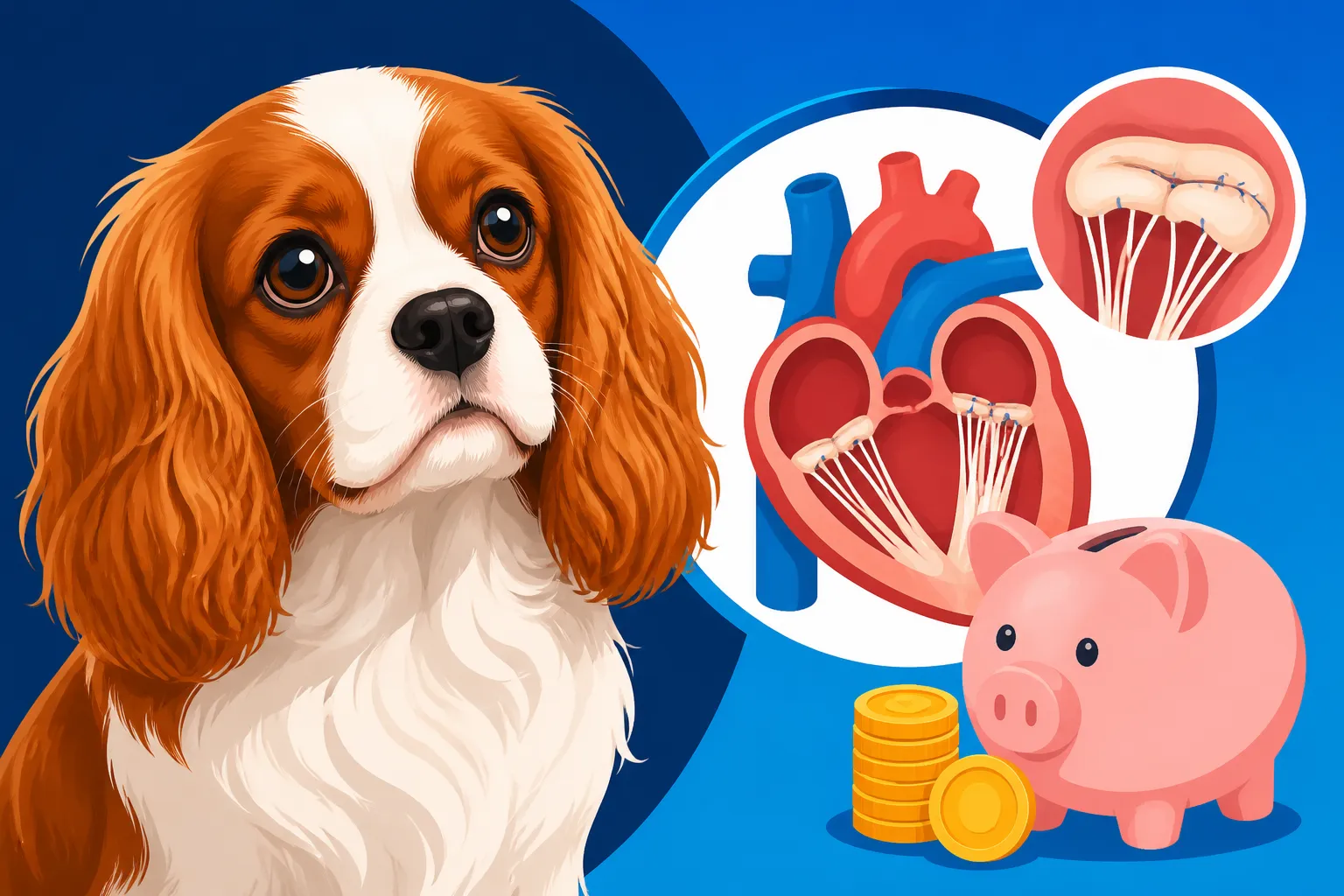
The surgical fees encompass the expertise of this entire team, the use of state-of-the-art operating rooms, sterile environments, specialized surgical instruments, and the heart-lung bypass equipment itself. The procedure can take many hours, and the precision required is immense. It's not just repairing a leaky valve; it's often rebuilding or reinforcing the valve structure, sometimes using artificial chords or rings. The sheer investment in technology, training, and ongoing research required to perform these surgeries safely contributes significantly to the cost.
Post-Operative Care and Recovery
The journey doesn't end when your Cavalier leaves the operating room. The post-operative period is critical and also carries substantial costs. Your dog will require intensive care unit (ICU) monitoring for several days, possibly even a week or more. This includes continuous cardiac monitoring, oxygen therapy, pain management, intravenous fluids, and a host of other medications to support heart function and prevent complications like blood clots or infections. Every hour in the ICU, with specialized veterinary staff attending to your dog's every need, adds to the bill.
Should complications arise – and with such a complex surgery on a compromised heart, they can – the costs will escalate further. These might include prolonged hospitalization, additional diagnostic tests, or emergency interventions. Once your Cavalier is stable enough to go home, they will still need weeks to months of careful recovery. This involves strict activity restriction, a precise medication schedule, and frequent follow-up appointments with the cardiologist to monitor their progress. These follow-up visits will likely include more echocardiograms and blood tests to ensure the valve repair is holding and the heart is recovering as expected.
Factors Influencing the Total Cost of MVR
The sticker price for mitral valve repair is never a single, fixed figure. It's a dynamic sum influenced by a variety of factors, from where you live to the specifics of your Cavalier's health and even the chosen surgical technique. Understanding these variables can help you prepare for the financial reality.
Geographic Location and Veterinary Expertise
Perhaps the most significant factor impacting the cost is the geographic location of the surgical center. As mentioned, very few institutions worldwide offer this highly specialized surgery. This means you might need to travel to a different state or even a different country to access care. Travel expenses – including flights, accommodation, and transport for your Cavalier – can add thousands to the overall cost. The cost of living and the general veterinary fee structure in the region where the surgery is performed will also play a role. A clinic in a major metropolitan area with high overheads is likely to charge more than one in a less expensive region, though even those "less expensive" regions will still command premium pricing for such a niche procedure.
Furthermore, the specific expertise of the surgical team and their success rates often correlate with higher fees. You are paying for unparalleled skill and experience that few others possess. Centers that are at the forefront of cardiac surgery research and development naturally have higher operational costs, which are reflected in their service charges. Being aware of Where Cavalier Mitral Valve Surgery Is Offered is crucial for evaluating these geographical cost differences.
Pre-existing Conditions and Anesthesia Risk
While MVD itself is a pre-existing condition, your Cavalier might have other health issues that can complicate surgery and recovery, thus increasing costs. Conditions like kidney disease, liver issues, or even Syringomyelia and Chiari Malformation in Cavaliers can make anesthesia more risky and require additional monitoring and supportive care. For instance, an older Cavalier with some degree of kidney insufficiency will need careful management of fluids and medications to protect their kidneys during and after surgery, which adds to the complexity and duration of their hospital stay.
Anesthesia itself is a major component of the cost, especially for a heart patient. Veterinary anesthesiologists are highly skilled specialists who continuously monitor multiple physiological parameters (heart rate, blood pressure, oxygen saturation, temperature) during the entire procedure. For a dog with advanced heart disease, this monitoring is even more intense, requiring sophisticated equipment and an experienced team solely dedicated to maintaining anesthetic safety. Understanding Anesthesia Risk in a Cavalier With a Murmur highlights why this aspect is so crucial and costly. Any pre-existing condition that increases anesthetic risk will necessitate more resources and therefore greater expense.
The Type of Repair and Materials Used
While the core goal is always to repair the mitral valve, the specific techniques and materials can vary slightly depending on the extent of the damage and the surgeon's preference. Some repairs might involve patching a hole, reattaching ruptured chordae tendineae (the "heartstrings" that support the valve), or implanting a prosthetic ring to help reshape the valve opening. The choice of materials, whether synthetic patches, sutures, or specialized rings, can have an impact on the overall cost.
Furthermore, the duration and complexity of the repair itself will influence operating room time and the resources consumed. A more straightforward repair might take less time on bypass, while a very intricate, multi-component reconstruction could extend the procedure significantly. These nuanced differences, though technical, translate directly into variations in the final bill.
Navigating the Financial Burden: Insurance and Alternative Funding
The cost of mitral valve repair can be truly daunting, easily reaching figures that many families simply don't have readily available. This is where strategic financial planning, and sometimes creative solutions, become absolutely essential.
The Role of Pet Insurance
Pet insurance can be an absolute lifesaver, but with MVD, timing is everything. Most pet insurance policies consider mitral valve disease a "pre-existing condition" if a heart murmur or any signs of heart disease were noted by a vet before your policy's waiting period ended. This means that if your Cavalier already has a murmur, even a mild one, it's highly unlikely that a new insurance policy will cover the costs associated with MVD, including potentially repair surgery. This is why enrolling your Cavalier as a puppy, well before any symptoms appear, is critical. Learning about Insuring a Cavalier Before the Murmur Arrives can save you from a major financial headache down the road.
If you have a comprehensive policy that was in place before your Cavalier's murmur was detected, it might cover a significant portion of the diagnostic workup, medications, and potentially even the surgery itself, depending on your plan's terms, deductibles, and annual limits. Companies like Healthy Paws are often praised for their comprehensive coverage, but it's vital to read the fine print regarding pre-existing conditions and specialized procedures. Understanding Why a Cavalier Murmur Becomes Pre-Existing is key to navigating the insurance landscape effectively. Always clarify exactly what is covered and what isn't with your provider before making any assumptions about such a costly procedure.
Fundraising and Financial Assistance
When insurance isn't an option or only covers a fraction of the cost, many owners turn to fundraising. Platforms like GoFundMe or other crowdfunding sites have become common avenues for families to share their Cavalier's story and appeal for help. This requires significant effort in sharing your story, reaching out to networks, and managing contributions, but it can make a life-saving difference.
Beyond crowdfunding, some breed-specific rescue organizations or veterinary aid foundations occasionally offer grants or financial assistance programs for specific life-saving procedures. These are often highly competitive and have strict eligibility criteria, but they are certainly worth exploring. It's a lot of legwork, but for a beloved family member, no stone is left unturned.
Budgeting and Emergency Funds
The reality for Cavalier owners is that preparing for significant health expenses is a necessity, not a luxury. Even without considering MVD surgery, Cavaliers are prone to several costly health issues, from heart disease to syringomyelia. Establishing The Emergency Fund a Cavalier Owner Needs from the day you bring your puppy home is perhaps the most proactive step you can take.
This could mean setting aside a dedicated amount each month into a savings account, earmarking it specifically for potential veterinary emergencies or advanced treatments. Having this financial cushion can alleviate immense stress when a crisis hits, allowing you to focus on your Cavalier's well-being rather than scrambling for funds. Even if you ultimately decide against surgery, an emergency fund will be invaluable for managing ongoing medical care, medications, and any other health challenges that arise, especially as your Cavalier ages.
The Value Proposition: Is Mitral Valve Repair Worth the Investment?
This is perhaps the most profound question a Cavalier owner can ask when faced with the enormous cost and complexity of mitral valve repair. It's not merely a financial decision; it's deeply emotional, weighing hope against risk, and the quality of life against its mere extension.
Quality of Life vs. Quantity of Life
For Cavaliers suffering from advanced MVD, where their quality of life is severely diminished despite medication, mitral valve repair offers the promise of a truly significant improvement. Imagine your dog, who was struggling to breathe and coughing constantly, now able to enjoy walks again, play with their toys, and sleep soundly without discomfort. This dramatic shift from chronic illness to renewed vitality can be incredibly compelling for owners. The surgery aims not just to prolong life, but to give back a good life, free from the crushing symptoms of heart failure.
Many owners consider the investment worthwhile if it means their Cavalier can regain their playful spirit and comfortable existence for potentially several more years. The emotional bond we share with our Cavaliers is irreplaceable, and the opportunity to extend that companionship with improved health is often seen as invaluable. When weighing this, it's helpful to consider estimates like How Long a Cavalier Lives After Diagnosis when only receiving medical management, versus the potential extended lifespan with successful surgery.
Weighing the Risks and Rewards
It’s crucial to enter this process with open eyes, fully understanding that, like any major surgery, mitral valve repair comes with risks. There are risks associated with the prolonged anesthesia, the heart-lung bypass, and the recovery period. While success rates at specialized centers are often very good, there is always a chance of complications, or in rare cases, the surgery might not achieve the desired outcome.
A candid and thorough discussion with your veterinary cardiologist is paramount. They can provide realistic expectations based on your Cavalier's specific condition, the surgical team's experience, and their past success rates. It's about balancing the hope of a healthier future against the financial and emotional investment, as well as the potential for an unfavorable outcome. Many owners find peace in knowing they explored every possible option, even if the outcome isn't perfect. This deeply personal decision should align with your values, your Cavalier's personality, and your family's ability to cope with both the financial and emotional demands. This is where researching Whether Cavalier Valve Surgery Is Worth the Price can help you gather different perspectives.
Life After MVR: Ongoing Care and Costs
Even after a successful mitral valve repair, the journey isn't entirely over. Your Cavalier will still need ongoing veterinary care, though typically less intensive than before surgery. This often includes regular check-ups with your cardiologist, follow-up echocardiograms to monitor heart function, and potentially a reduced but still necessary regimen of medications. While the aim is to significantly reduce or eliminate heart failure symptoms, many dogs will still require some level of cardiac support.
Dietary management also remains important. Low-sodium diets, often specifically formulated for heart health, will continue to be recommended. Brands like Ollie offer customized, fresh food plans that can be tailored to a Cavalier’s specific dietary needs, and pet supply retailers like Chewy provide a wide range of prescription diets from various manufacturers, making it convenient to maintain these specialized feeding protocols. These ongoing costs, though much lower than the surgery itself, are part of the long-term commitment. However, the prospect of having a more active, comfortable Cavalier by your side for potentially years longer makes these continued efforts a labor of love.
Cost Breakdown for Cavalier Mitral Valve Repair (Estimates)
This table outlines the general categories of costs associated with mitral valve repair. Please remember that these are illustrative categories, and actual costs will vary widely based on location, facility, and individual circumstances. Specific monetary figures are intentionally omitted as they change over time and differ greatly.
| Cost Category | Description |
|---|---|
| Pre-Surgical Diagnostics & Consults | Multiple visits to a board-certified veterinary cardiologist, comprehensive echocardiograms, chest X-rays, blood tests (e.g., NT-proBNP), EKG. |
| Surgical Procedure Fee | Includes the cardiac surgeon's fees, anesthesiologist's fees, perfusionist's fees, operating room use, heart-lung bypass machine, specialized equipment, and materials for valve repair. |
| Intensive Care Unit (ICU) Stay | Several days to over a week of 24/7 critical care monitoring, oxygen therapy, pain management, IV fluids, and medications. |
| Post-Operative Medications | Prescription medications for heart support, anti-clotting, pain relief, and other supportive therapies during recovery and potentially long-term. |
| Follow-Up Appointments & Monitoring | Regular check-ups with the cardiologist, repeat echocardiograms, blood tests, and potentially chest X-rays over several months to years post-surgery. |
| Travel & Accommodation | (If applicable) Costs for transporting your Cavalier and yourself to a specialized surgical center, including flights, fuel, hotels, and local transport. |
| Rehabilitation & Supportive Care | (Optional) Physical therapy, specialized diets, supplements, or other ongoing therapies to aid recovery and long-term health. |
Disclaimer
This article is for general informational purposes only and does not constitute professional advice. Laws, prices and regulations vary by location and change over time. Consult a qualified professional for guidance on your specific situation.