What a Cavalier Puppy’s Shots Add Up To
Bringing home a Cavalier King Charles Spaniel puppy is such an exciting time, filled with dreams of cuddles, playful romps, and endless affection. But let's be real – alongside all that joy, there's a swirl of questions, especially about how to keep your little one healthy without breaking the bank. One of the first big expenses that often catches new owners off guard is the cost associated with their puppy's initial veterinary visits and, specifically, all those crucial vaccinations. This guide aims to demystify what a Cavalier puppy's shots add up to, helping you budget wisely and ensure your furry friend gets the very best start in life.
Understanding the Core Vaccinations Your Cavalier Puppy Needs
When you welcome a new Cavalier puppy into your home, especially if they're quite young, you're stepping into a whirlwind of veterinary appointments. It can feel a bit overwhelming, trying to keep track of which shot is for what and when the next booster is due. But these vaccinations are absolutely fundamental for protecting your precious pup from some truly nasty and often fatal diseases. Think of them as tiny, invisible shields for your Cavalier, building up their immune system against common threats lurking in the world.
The Initial Puppy Series: What's Included?
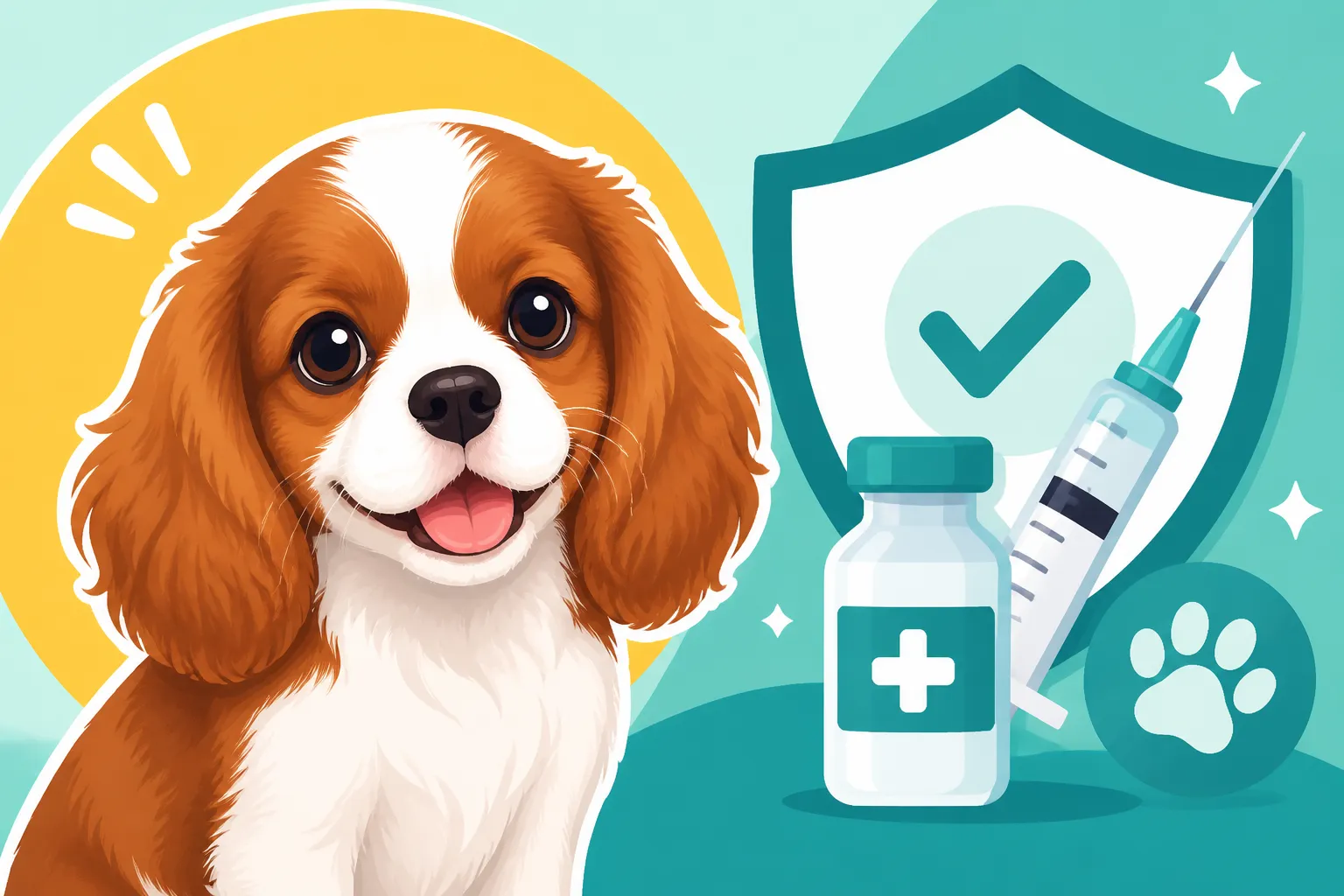
The cornerstone of your Cavalier puppy's protection is the Distemper, Adenovirus, Parvovirus, and Parainfluenza (DA2PP or DHPP) vaccine series. This isn't just one shot; it's typically a series of doses given every 3-4 weeks until your puppy is about 16 weeks old. Why multiple doses, you ask? Well, puppies receive antibodies from their mothers, which protect them but can also interfere with vaccines. Giving several doses ensures that once those maternal antibodies wane, the vaccine can effectively stimulate their own immune system.
Each component of this vaccine targets a serious threat. Distemper is a highly contagious viral disease that affects the respiratory, gastrointestinal, and nervous systems, often with devastating consequences. Adenovirus causes infectious hepatitis, which can damage the liver. Parvovirus is infamous for its severe and often deadly gastrointestinal symptoms, especially in young puppies. And Parainfluenza contributes to kennel cough. These are not minor sniffles; these are diseases that can rapidly make a tiny Cavalier very, very sick, incurring significant emergency vet bills if they survive at all. Ensuring your puppy completes this series is paramount before they start exploring the world outside your yard too much.
Rabies Vaccination: A Legal and Essential Shot
Separate from the DA2PP series, but equally critical, is the rabies vaccination. This shot is not just about protecting your Cavalier; it's a public health imperative. Rabies is a fatal viral disease for both animals and humans, and vaccination is legally mandated in most regions. Typically, your Cavalier puppy will receive their first rabies shot around 12-16 weeks of age, after which it will need boosters at regular intervals, often yearly or every three years, depending on the vaccine type and local regulations.
While the thought of another needle might make you or your puppy a little nervous, the rabies vaccine is non-negotiable. It's a single shot that offers immense protection and peace of mind. Without it, should your Cavalier ever be involved in an incident with wildlife or an unknown animal, the legal and health ramifications can be severe, potentially involving lengthy quarantines or even euthanasia, even if your dog shows no symptoms. It’s a small, one-time cost that safeguards your family, your community, and, of course, your beloved Cavalier.
The Importance of Timely Vaccinations and Boosters
Sticking to the vaccination schedule prescribed by your veterinarian is vital. Missing a booster or delaying an appointment can leave gaps in your Cavalier puppy's immunity, essentially rendering the earlier shots less effective. It’s like building a wall against invaders; if you miss a brick, the whole structure is weaker. Your vet will provide a clear schedule for your Cavalier puppy's shots, and it’s important to follow it closely.
After the initial puppy series, your Cavalier will need regular boosters throughout their adult life, though not as frequently. These boosters maintain the protective immunity your puppy developed. These annual or triennial visits are also a fantastic opportunity for a full physical examination, where your vet can listen to their heart – incredibly important for a breed prone to issues like Mitral Valve Disease in the Cavalier King Charles Spaniel – check their teeth, and discuss any changes in their health or behavior. Think of it not just as a "shot appointment" but as a regular wellness check that sets the stage for a long, healthy life.
Optional but Highly Recommended Vaccinations for Cavaliers
While the core vaccinations are universally advised, there are other vaccines that your vet might recommend based on your Cavalier's lifestyle and geographic location. These "lifestyle vaccines" are designed to protect against diseases that your pup might be at higher risk for depending on where you live, if they go to daycare, or if they enjoy exploring the great outdoors. It's never a one-size-fits-all situation, and an informed discussion with your vet is key.
Lepto, Bordetella, and Lyme: Assessing Risk Factors
Let's break down some of these additional protections. The Leptospirosis (Lepto) vaccine protects against a bacterial disease spread through contaminated water or contact with infected wildlife urine. If you live in an area with a lot of wildlife, or if your Cavalier loves to sniff and explore puddles, this vaccine is a smart choice. It can cause kidney and liver damage and is also zoonotic, meaning it can spread to humans.
Bordetella, often known as the "kennel cough" vaccine, is highly recommended if your Cavalier will be socializing with other dogs – think puppy classes, dog parks, boarding kennels, or even just regular playdates. Kennel cough is highly contagious and, while usually not life-threatening, can be very uncomfortable for your dog. You wouldn't want your little Cavalier to get a nasty cough just when they're learning how to be a social butterfly!
The Lyme disease vaccine, on the other hand, is crucial if you live in or frequently visit areas where ticks are prevalent. Lyme disease can lead to lameness, joint pain, and kidney issues. If your Cavalier spends time romping through tall grasses or wooded areas, especially in known Lyme hotspots, this vaccine provides an important layer of defense. Many pet parents find great comfort in knowing their adventuresome pups are protected.
When and Why These Extra Protections Matter
Deciding on these optional vaccines really comes down to a candid conversation with your veterinarian about your Cavalier's daily life. Do you have a dog walker who takes them to a busy park? Are you planning to take your pup camping? Do deer frequent your backyard? These are all factors that can influence the risk of exposure to these diseases. For example, if your Cavalier will be attending training classes or a doggy daycare, most facilities will require the Bordetella vaccine. You can find many useful supplies for puppies, from comfy beds to toys, on platforms like Chewy, which can also be a source for specific shampoos and grooming tools needed to check for ticks.
The initial cost for these vaccines might seem like an extra burden, but consider it an investment in preventative care. Treating Leptospirosis or severe Lyme disease can involve extensive diagnostics, hospitalization, and medication, which can quickly dwarf the cost of a few vaccines. It's about proactive health management rather than reactive emergency treatment. Plus, some pet insurance providers, like Healthy Paws, might cover a portion of these wellness services if you opt for a plan with preventative care add-ons, though it's always best to check their current policies.
Breaking Down the Costs: What to Expect at the Vet
Understanding what your Cavalier puppy's shots add up to involves more than just the price tag of the vaccine itself. You're paying for veterinary expertise, the administration of the shot, and often, a comprehensive health check-up. These costs can vary, so it's good to have a realistic expectation of what your initial visits might entail.
Individual Shot Costs vs. Puppy Packages
Many veterinary clinics offer "puppy packages" that bundle the initial series of DA2PP vaccines, deworming treatments, and sometimes even the first rabies shot or microchipping, all for a set price. This can often be more cost-effective than paying for each vaccine and visit individually. For example, a package might include three rounds of the core vaccines, a few deworming treatments, and a general health check with each visit. It’s definitely worth asking your prospective vet about these options.
If you choose to pay for each item separately, expect the cost per vaccine to be one amount, and then an additional fee for the veterinary exam at each visit. The rabies shot, being a single dose, is usually priced separately from the DA2PP series. Always ask for a detailed breakdown of costs so you know exactly what you're paying for. Don't be shy about inquiring; a good vet clinic understands that new pet parents need to budget.
The Initial Vet Visit Fee and Associated Expenses
Beyond the vaccines themselves, remember that each time you visit the vet for a puppy shot, there will almost certainly be an examination fee. This fee covers the vet's time to thoroughly check your Cavalier puppy from nose to tail, listening to their heart for any early signs of a murmur – a common concern for the breed, as discussed in "The Age a Cavalier Murmur Usually Appears" – checking their eyes, ears, feeling their joints, and generally assessing their overall health. This initial examination is invaluable and ensures your puppy is healthy enough for vaccination and helps catch any potential issues early.
During these initial visits, your vet will also discuss other essential preventative care, such as Flea and Worm Cover for a Fifteen-Pound Cavalier, puppy food recommendations, and maybe even offer to microchip your Cavalier puppy – a small, permanent form of identification. All of these add to the total bill for your initial puppy care, but they are crucial investments in your Cavalier's future well-being. Thinking ahead and saving an emergency fund can make a huge difference, especially given that "The Emergency Fund a Cavalier Owner Needs" can fluctuate widely depending on unforeseen health events.
Regional Differences and Clinic Variations
The actual costs for a Cavalier puppy's shots can vary quite a bit depending on where you live. Veterinary services in major metropolitan areas, for instance, often have higher overheads, which can translate to higher prices compared to rural clinics. Even within the same city, different clinics might have different pricing structures based on their facilities, the level of technology they use, or their specific practice philosophy.
It's completely acceptable to call a few local veterinary clinics to inquire about their puppy vaccination costs and packages. When comparing, make sure you're comparing apples to apples – do their packages include the same vaccines and services? Do they include the examination fee? Sometimes, a slightly higher initial cost at one clinic might actually offer better value in the long run if it includes more comprehensive care or better follow-up. Remember that you're not just paying for a shot; you're choosing a healthcare partner for your Cavalier for years to come. Looking into "Routine Vet Bills for a Cavalier" can give you a broader financial picture beyond just the puppy phase.
Beyond the Shots: Other Early Puppy Health Costs
While vaccinations are a significant part of your Cavalier puppy's early health expenses, they are by no means the only ones. There are several other crucial health-related costs that every new puppy parent needs to factor into their budget to ensure a healthy and happy start. It's all part of the journey of Setting Up for a Cavalier Puppy's First Weeks.
Parasite Prevention: Worming and Flea/Tick Treatment
Puppies are highly susceptible to internal parasites like roundworms, hookworms, and tapeworms, which they can contract from their mother or the environment. Most breeders will start a deworming schedule, but your vet will likely recommend continued regular deworming throughout puppyhood and into adulthood. These treatments are relatively inexpensive, but essential for your puppy's growth and preventing transmission to other pets or even humans.
Then there's external parasite prevention – fleas and ticks. These pesky creatures aren't just annoying; they can cause skin irritations, allergies, and transmit serious diseases. Flea and tick prevention medications are usually administered monthly, either as a chewable tablet or a topical spot-on treatment. Your vet will recommend the best product based on your Cavalier's age, weight, and your local parasite prevalence. These are ongoing costs, but skipping them can lead to much bigger (and more expensive) problems down the road. You can often purchase these preventative medications through your vet or reputable online pharmacies like Chewy.
Microchipping and Its Value
Microchipping your Cavalier puppy is a simple, quick procedure that involves implanting a tiny, rice-sized chip under their skin, usually between the shoulder blades. This chip contains a unique identification number that can be scanned by animal shelters and veterinary clinics, linking your pet back to you if they ever get lost. The cost of microchipping is typically a one-time fee, plus a small annual registration fee for the database. This small investment offers immense peace of mind.
Imagine the horror of your tiny Cavalier slipping out the door during a moment of distraction. A microchip significantly increases the chances of a happy reunion. Many vets will offer to microchip your puppy during one of their vaccination visits, often as part of a puppy package. It's a truly invaluable service, something every responsible pet owner should consider.
Spay/Neuter Considerations and Timing
While not an immediate puppy cost, the decision and timing of spaying or neutering your Cavalier is a significant health and financial consideration that typically happens before their first birthday. Spaying (for females) and neutering (for males) not only prevents unwanted litters but also offers significant health benefits, such as reducing the risk of certain cancers and uterine infections. Your vet will discuss the optimal timing for this procedure, taking into account your Cavalier's breed and individual development.
The cost of spay/neuter surgery can vary widely based on your location, your vet clinic, and your dog's size and age. Many humane societies and low-cost clinics offer discounted spay/neuter services, which can be a budget-friendly option. It's an investment in your Cavalier's long-term health and behavior. If you're wondering about "Neutering a Cavalier That Already Has a Murmur", that's a conversation you'll definitely need to have with your vet and potentially a cardiologist, as heart health is paramount for Cavaliers.
Here's a quick overview of what you might expect regarding your Cavalier puppy's initial veterinary costs:
| Service Category | Typical Age Range (Approx.) | What's Included (Examples) | Considerations |
|---|---|---|---|
| Core Vaccinations | 6-16 weeks | DA2PP (Distemper, Adenovirus, Parvovirus, Parainfluenza) – multiple doses | Crucial for preventing common, severe diseases. Often bundled in "puppy packages." |
| Rabies Vaccine | 12-16 weeks | Rabies vaccine (first dose) | Legally mandated in most areas; critical for public health. Boosters needed later. |
| Vet Exam Fees | All visits | Physical check-up, health assessment, discussion with vet | Covers the vet's time and expertise; essential for overall health monitoring. |
| Deworming | 6-16 weeks (ongoing) | Treatments for common internal parasites (roundworms, hookworms) | Often started by breeder; continued by vet. Prevents nutrient deficiencies and spread. |
| Flea & Tick Prevention | From 8 weeks (ongoing) | Monthly oral or topical treatments | Prevents external parasites and diseases they carry. An ongoing monthly cost. |
| Microchipping | Any age (often with vaccines) | Implantation of small chip with unique ID | One-time procedure; increases chances of finding a lost pet. Annual registration fee may apply. |
| Optional Vaccinations | Varies | Leptospirosis, Bordetella (Kennel Cough), Lyme Disease | Based on lifestyle and geographic risk. Discuss with your vet. |
| Spay/Neuter Surgery | 6-12 months | Surgical procedure to prevent reproduction | Significant one-time cost later in puppyhood; offers health and behavioral benefits. |
Bringing a Cavalier puppy into your life is an incredible commitment, but the love and joy they bring are truly priceless. While the initial costs for vaccinations and preventative care might seem like a lot all at once, they are fundamental investments in your puppy's long-term health and happiness. By understanding what goes into these early vet bills, you can budget more effectively, ask informed questions, and provide your new family member with the best possible start. It's about setting them up for a lifetime of wagging tails and happy memories, allowing you to focus on all those wonderful Cavalier cuddles. And remember, platforms like Ollie can even help with tailored nutrition plans as your puppy grows, supporting their health from the inside out.
Disclaimer
This article is for general informational purposes only and does not constitute professional advice. Laws, prices and regulations vary by location and change over time. Consult a qualified professional for guidance on your specific situation.