Cavalier Puppy Scams and Fake Heart Certificates
The excitement of bringing home a Cavalier King Charles Spaniel puppy is truly unmatched – their sweet faces, wagging tails, and gentle nature capture hearts instantly. However, that intense desire to welcome a furry family member can, unfortunately, make us vulnerable to deceit. Many prospective owners face the crushing disappointment of falling victim to Cavalier puppy scams, often involving fake health certificates, which can lead to heartbreak and significant financial loss. This guide is here to shed light on these deceptive practices and equip you with the knowledge to protect yourself and ensure you bring home a healthy, happy Cavalier from an ethical source.
The Allure of a "Good Deal" and Why It's Often a Red Flag
It’s completely understandable to want the best for your future companion without breaking the bank. Cavaliers, being a sought-after breed with several serious health concerns that require rigorous testing, aren't cheap. Reputable breeders invest heavily in health clearances, quality care, and proper socialization, which is reflected in their prices. This reality can make the promise of a "cheap" Cavalier puppy incredibly tempting, but it's precisely where scammers thrive. They prey on our desire for a bargain and our emotional connection to the idea of a puppy.
When you see a Cavalier puppy advertised for significantly less than the typical market rate, your internal alarm bells should be ringing. There's a reason for every price, and when it's too low, it almost always signals a compromise on health, breeding standards, or even the existence of the puppy itself. These scammers are adept at creating a sense of urgency, often claiming the puppy needs a home immediately or that they have other buyers lined up, pushing you to make a hasty decision before you can do proper due diligence. They know that once emotion takes over, critical thinking can take a backseat.
Too-Good-To-Be-True Prices and Dodgy Websites
Let's face it, we all love a good deal, but when it comes to living, breathing creatures, "deals" are rarely what they seem. A Cavalier puppy from a truly reputable breeder who performs all necessary health testing for conditions like heart disease and syringomyelia, ensures proper veterinary care, and invests in the puppy's early socialization is going to command a certain price. If you see a Cavalier advertised for a fraction of what you expect – perhaps even under a thousand dollars in an area where The Price Range Cavalier Breeders Actually Quote is typically much higher – it's a huge red flag.
Scammers often operate through poorly designed websites, free classifieds, or social media pages that lack professionalism and transparency. These sites might feature generic puppy photos pulled from the internet, often of multiple breeds, or oddly worded descriptions that don't quite sound right. They might claim to be located in one area but communicate with an accent or use phrases that suggest they are elsewhere. Always cross-reference any photos using a reverse image search; you'd be surprised how often a cute puppy photo has been stolen from a legitimate breeder's site. Remember, a cheap puppy now can lead to astronomical vet bills later, especially with a breed prone to complex health issues. You want to avoid the situation where What a Puppy Mill Cavalier Really Costs You becomes a painful reality.
Pressure Tactics and "Limited Time" Offers
Scammers are masters of manipulation, and one of their favorite tools is creating intense pressure to close the deal quickly. They might tell you that the puppy is the "last one available" or that they have "several other interested families" who are ready to send money. The goal here is to prevent you from taking your time, asking too many questions, or, crucially, arranging an in-person visit. They know that if you slow down and start digging, their facade will crumble.
You might be told that the puppy needs to be shipped immediately, and they require payment upfront for travel costs, a special crate, or even "puppy insurance." These invented fees keep piling up, each one adding to your initial payment for a puppy that may not even exist. Reputable breeders understand that finding the right home for their puppies takes time and care. They will encourage questions, invite you to meet the puppy and its parents, and be patient with your decision-making process. They are vetting you as much as you are vetting them. If you feel rushed or pressured at any point, it's time to walk away.
Unmasking Fake Health Certificates and Pedigrees
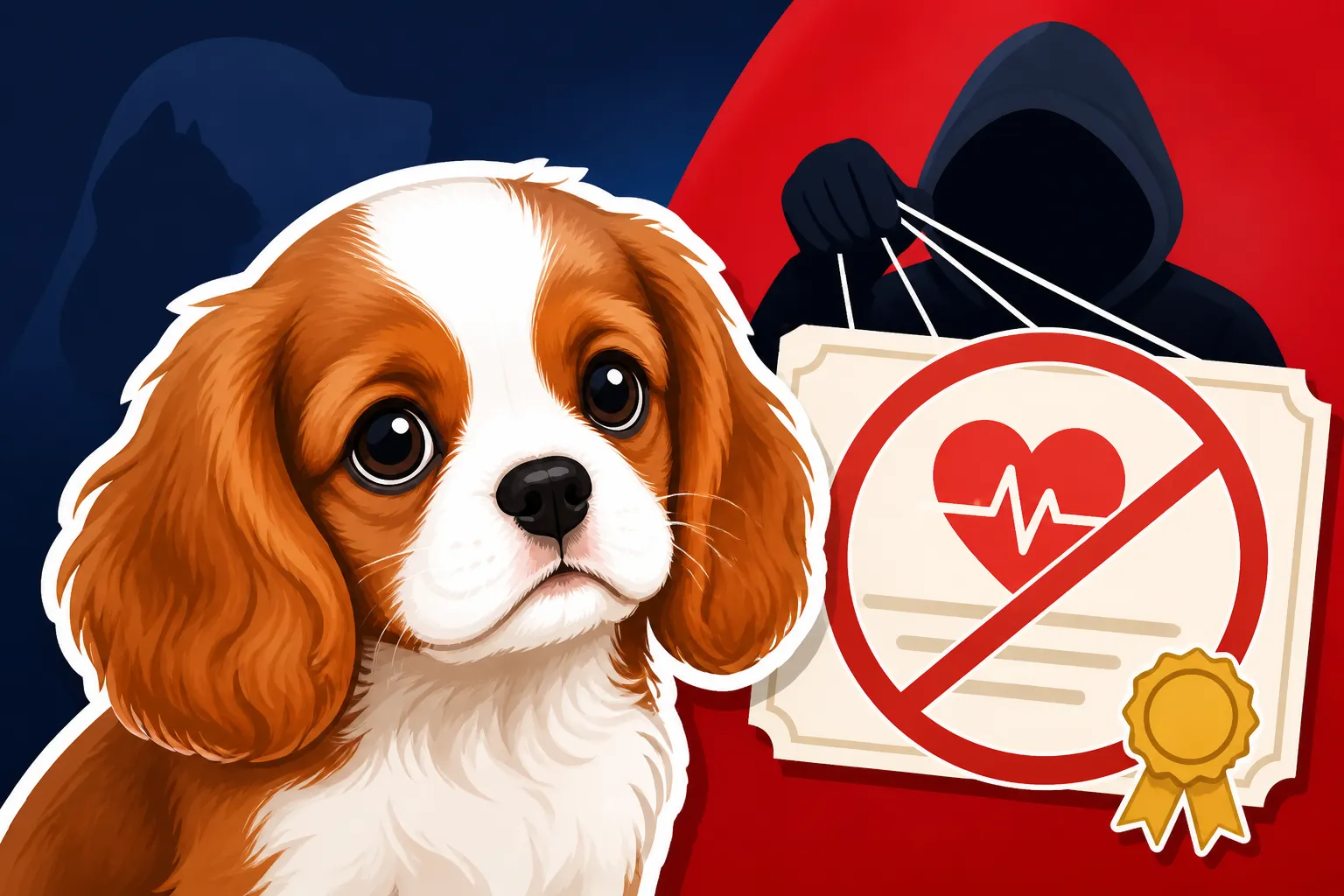
This is where the rubber truly meets the road, especially with a breed like the Cavalier King Charles Spaniel, which is unfortunately prone to certain hereditary health conditions. A responsible breeder will conduct extensive health testing on their breeding dogs to minimize the risk of passing on these conditions to their puppies. Scammers, on the other hand, either don't test at all or will produce elaborate, but ultimately worthless, fake health certificates and pedigrees to trick unsuspecting buyers. Understanding what real documentation looks like and how to verify it is paramount.
When you're looking at a breeder, they should be transparent about their health testing protocols. They should be able to explain the specific tests performed, the results, and the certifications received. If they're vague, change the subject, or seem annoyed by your questions, consider it a major red flag. This isn't just about paperwork; it's about the welfare of the puppy you're considering and the long-term financial and emotional commitment you're making. Don't be shy about asking for specific documentation; a good breeder will be proud to share it.
What Real Cavalier Health Clearances Look Like
For Cavaliers, there are several key health clearances that reputable breeders consistently perform. The most critical involves the heart. Mitral Valve Disease (MVD) is incredibly prevalent in the breed, and breeders should follow specific protocols to minimize its incidence. This means both parents should have regular heart examinations by a board-certified veterinary cardiologist, not just a general vet, and should be clear of murmurs at certain ages. You should be asking about The Heart Testing a Cavalier Breeder Must Do. These heart clearances should be recorded by organizations like the Orthopedic Foundation for Animals (OFA) or similar breed club health registries.
Beyond the heart, look for certifications regarding eye health (annual exams by a board-certified veterinary ophthalmologist), patellar luxation (knee issues, often certified by OFA), and hip dysplasia (OFA certification). Additionally, there are crucial The DNA Tests Every Cavalier Should Have for conditions like Episodic Falling Syndrome (EFS) and Dry Eye/Curly Coat Syndrome (CKCS or CCS). These DNA tests can confirm whether a dog is clear, a carrier, or affected by these genetic conditions. The certificates should clearly state the dog's registered name, microchip number, test date, and the veterinarian or organization that performed the test. A reputable breeder should be happy to provide you with copies of these official documents, not just tell you the results. You'll want to review Reading a Cavalier Puppy's Health Certificates very carefully.
How to Verify a Breeder's Claims and Documents
Getting copies of health certificates is a good first step, but the truly important part is verification. Scammers are adept at forging documents that look official at first glance. Here’s how to dig deeper:
- OFA Database: For heart, hip, elbow, and patella clearances, the OFA has a public online database. You can search by the dog's registered name or registration number. This is a powerful tool to verify that the certificates are real and belong to the stated dog.
- Cardiologist/Ophthalmologist: If the certificate names a specific board-certified veterinary specialist, contact that clinic directly. They won't give you private patient information, but they can verify if they performed an examination on a dog with that name and if they issued a certificate with that specific result.
- DNA Test Labs: For genetic DNA tests, the lab that performed the test (e.g., Canine Health Information Center (CHIC), Embark, Optimal Selection) will often have a way to verify results or you can contact them to confirm.
- Microchip Verification: Ensure the microchip number on the health certificate matches the microchip in the puppy (which your vet can scan). This ensures you're looking at the right dog's records.
- Breed Club Registries: Many breed clubs maintain their own health registries or databases. Check if the breeder and their dogs are listed and if their health clearances align with what they've shown you.
- Veterinarian References: Ask for the contact information of the breeder's veterinarian. A legitimate vet won't share confidential information, but they might confirm that the breeder is a client and that they appear to maintain good care standards for their animals.
Be wary if a breeder only offers a "vet check" certificate from a general practice vet for heart issues, claiming it's sufficient. While a general vet can listen for a murmur, it takes a board-certified cardiologist to properly screen for MVD and provide an official clearance. This difference is critical, and you can learn more about Stethoscope Screening Against a Cavalier Heart Scan. Remember, you are looking for verifiable, specialist-issued documentation. If a breeder is hesitant or unable to provide avenues for verification, it's a major red flag.
Common Cavalier Puppy Scam Tactics to Watch Out For
Beyond fake papers and too-low prices, scammers employ various tactics to separate you from your money without providing a puppy. These tactics often exploit the geographical distance between buyer and seller or the emotional investment you've already made. Being aware of these ploys can help you recognize them before you become a victim. It's a sad reality that the internet, while a wonderful tool for connecting people, also offers a fertile ground for those with ill intentions.
Always remember that legitimate breeders prioritize the well-being of their puppies and the integrity of their breeding program. Their communication will reflect this, focusing on finding suitable homes, educating prospective owners, and providing full transparency. Scammers, conversely, are primarily focused on getting your money as quickly as possible, and their communication patterns will often betray this underlying motive.
The "Phantom Puppy" and Remote Transactions
One of the most devastating scams is the "phantom puppy" scam. You'll see adorable pictures and an enticing story about a Cavalier puppy that is supposedly available. You'll communicate with the "breeder" via email or text, falling in love with the idea of this specific puppy. You might send a deposit, feeling secure that your dream dog is waiting. Then come the excuses. The puppy isn't ready, the shipping agent has additional fees, special insurance is required for air travel, or the crate needs to be "climate-controlled" at an extra cost. Each new fee is designed to extract more money from you.
The cruel reality is, there is no puppy. The photos are stolen, the breeder is fictional, and the entire transaction is a fabrication. The scammers will often insist on wire transfers or gift cards, which are untraceable and non-refundable. They'll refuse video calls or in-person visits, citing various reasons like being "out of town" or "health concerns" at their facility. If a breeder insists on shipping a puppy without any opportunity for you to see the puppy, its parents, or its living conditions, and demands non-traceable payment, it's almost certainly a scam. Even if they claim to use a reputable shipping service, always verify the shipping company directly, and don't rely on links or contact information provided by the "breeder." This is why it's so important to physically visit the breeder's premises and meet the puppy and its parents whenever possible.
Deposit Scams and Unexpected "Fees"
Another common tactic involves taking a deposit for a non-existent or unavailable puppy, then stringing the buyer along with a series of fabricated "unexpected costs." You pay a deposit, often a few hundred dollars, for a puppy you believe is reserved for you. Then, just before the supposed pick-up or delivery date, the scammer claims there's an unforeseen issue. Perhaps the puppy needs an urgent, expensive veterinary procedure, or there's a problem with the shipping that requires an additional, immediate payment.
They might even claim to be a legitimate breeder who just needs money quickly for an "emergency," often preying on your sympathy. The amount requested is often just enough that you might consider it a "small" additional investment to secure your beloved puppy, rather than cutting your losses. But once you pay, another fee arises, and then another, until you either run out of money or realize you've been duped. A legitimate breeder will have transparent pricing and will not surprise you with last-minute, exorbitant fees for standard care or delivery. Any contract should clearly outline all costs. If you're told a puppy is available for a very low price, but then additional fees make it comparable to or even more expensive than Cavalier Puppy Prices From a Reputable Breeder, you're likely dealing with a scam.
Protecting Yourself: Due Diligence and Safe Practices
Navigating the world of puppy searching can feel daunting, especially with the prevalence of scams. However, by arming yourself with knowledge and committing to thorough due diligence, you can significantly reduce your risk and find a healthy, ethically bred Cavalier. This isn't just about protecting your wallet; it's about making a responsible choice for a living creature that will become a part of your family for many years to come.
Remember that patience is your best friend in this process. A reputable breeder often has waiting lists, and you might not find a puppy immediately. While this waiting period can feel long, it's a small price to pay for peace of mind and the assurance of a healthy, well-adjusted companion.
Building a Relationship with a Reputable Breeder
The absolute best defense against scams is to work with a reputable, ethical breeder. This means someone who is transparent, knowledgeable, and genuinely cares about the health and welfare of their dogs. Here's what to look for:
- Transparency: A good breeder will welcome questions, provide extensive information about their dogs and breeding practices, and be happy to show you their facilities. They'll also be upfront about any health concerns in their lines, even if their dogs are fully tested and clear.
- In-Person Visits: Insist on visiting the breeder's home or kennel to meet the puppy, its mother, and ideally, the father (if he lives on-site). This allows you to observe the living conditions, the temperament of the adult dogs, and how the puppies are socialized. If an in-person visit isn't possible due to distance, a video call where you can see the puppies and their environment live is the bare minimum. Be wary of excuses.
- Health Testing Documentation: As discussed, ask for proof of all relevant health clearances for both parents, including OFA certifications for heart, hips, and patellas, annual eye exams by a veterinary ophthalmologist, and DNA tests for genetic conditions. Ensure these documents are verifiable. You'll want to ask Whether a Cavalier Breeder Should Show You Heart Papers.
- References: Ask for references from other puppy buyers and their veterinarian. While direct patient info might not be given, a vet can confirm they work with the breeder and speak to their general care standards.
- Lifetime Support: A good breeder will offer ongoing support and be available to answer questions throughout your dog's life. They will also typically have a clause in their contract stating they will take the dog back at any point if you can no longer care for it.
- Understanding Contracts: A detailed contract should outline health guarantees, responsibilities of both parties, spay/neuter clauses, and what happens if a puppy develops a genetic health issue.
- Breed Club Involvement: Many reputable breeders are members of national or local Cavalier King Charles Spaniel breed clubs and adhere to their codes of ethics. Look into Warning Signs at a Cavalier Breeding Kennel to know what to avoid.
Payment Methods and Contractual Agreements
When it comes to the financial transaction, scammers love untraceable methods. Always be wary of:
- Wire Transfers: Once money is wired, it's almost impossible to retrieve. Avoid this method entirely.
- Gift Cards: Any request for payment via gift cards (iTunes, Amazon, etc.) is a definite scam.
- Cryptocurrency: While some legitimate transactions use crypto, it's also a favorite of scammers due to its anonymity.
Instead, opt for safer payment methods:
- Credit Card (if applicable): Some breeders might use payment processors that accept credit cards, which offer buyer protection.
- Bank Transfer (with caution): A direct bank transfer is more traceable than a wire transfer, but still be cautious. Ensure you have a signed contract and all documentation before initiating.
- Cashier's Check/Personal Check: These offer a paper trail but ensure funds clear before any puppy exchange takes place.
- Cash (in person): If picking up the puppy in person, cash can be a viable option, but always get a signed receipt and contract.
Always insist on a written, signed contract that clearly outlines the terms of sale, health guarantees, refund policies, and responsibilities. Read it thoroughly and don't hesitate to ask questions if anything is unclear. This contract protects both you and the breeder.
What to Do If You Suspect a Scam
If you believe you've encountered a scam or, unfortunately, fallen victim to one, take immediate action:
- Cease Communication: Stop all contact with the suspected scammer.
- Report to Authorities:
- Federal Trade Commission (FTC): File a report with the FTC.
- Internet Crime Complaint Center (IC3): Report the scam to the FBI's IC3.
- Local Law Enforcement: File a police report with your local authorities. Provide all details, screenshots, emails, and any financial transaction records.
- Pet Scams website: There are often dedicated websites that track and report pet scams, which can help warn others.
- Contact Your Bank/Credit Card Company: If you paid via a traceable method, contact your bank or credit card company immediately to report the fraud and attempt to reverse the charges.
- Warn Others: Share your experience on reputable pet forums or social media groups to help prevent others from falling victim.
Remember, if something feels off, it probably is. Your intuition is a powerful tool. Prioritize the puppy's well-being and your peace of mind over rushing into a "deal." While the thought of welcoming a Cavalier is exciting, ensure that excitement doesn't overshadow the critical importance of careful research and verification.
| Feature / Aspect | Reputable Breeder | Puppy Scammer |
|---|---|---|
| Puppy Price | Reflects investment in health testing, care, and quality. | Unusually low, designed to lure buyers. |
| Communication | Open, detailed, asks questions about your home, patient. | Vague, pushes for quick sale, avoids detailed questions. |
| Health Certificates | Official, verifiable OFA/DNA documents from specialists. | Generic, forged, or non-existent; only "vet checks." |
| Meeting Puppies | Encourages in-person visits (or live video if distant). | Invents excuses to avoid visits, only sends photos/videos. |
| Payment Method | Secure options (e.g., credit card, bank transfer). | Demands wire transfers, gift cards, cryptocurrency. |
| Contract | Detailed, signed agreement with health guarantees. | Minimal or no contract, vague terms. |
| References | Provides vet and past puppy buyer references. | Refuses or provides fake references. |
| Puppy Photos | Unique photos of their puppies and parents. | Stolen, generic internet photos (check reverse image search). |
| Shipping | Arranges safely; transparent costs; often prefers pickup. | Insists on shipping; demands extra, dubious "fees." |
| Support | Offers lifetime support; takes back dogs if needed. | Disappears after payment; no follow-up. |
Finding a Cavalier King Charles Spaniel is a journey, and like any journey, it's best undertaken with a clear map and a healthy dose of caution. While it might take a bit longer to find that perfect, ethically bred puppy, the wait is absolutely worth it for a healthy companion. Consider exploring pet insurance options early on with providers like Healthy Paws once you've secured your puppy, as it can help manage potential future health costs. For all your new puppy essentials, from high-quality food to grooming tools, places like Chewy or even fresh food delivery services like Ollie can be great resources. Just make sure the puppy itself comes from a source you trust completely.
Disclaimer
This article is for general informational purposes only and does not constitute professional advice. Laws, prices and regulations vary by location and change over time. Consult a qualified professional for guidance on your specific situation.