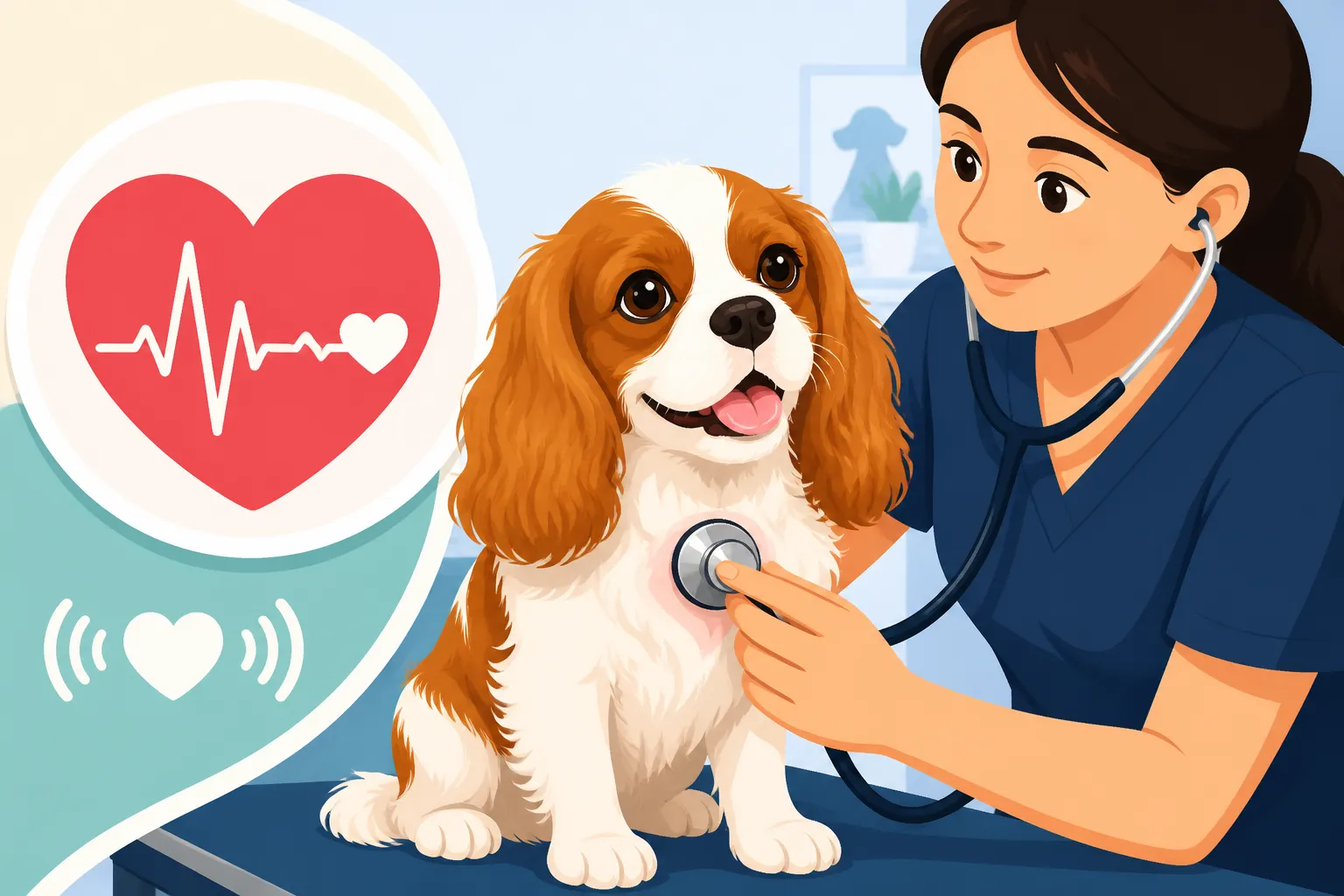
The Yearly Checkup That Listens to a Cavalier’s Heart
Every Cavalier parent knows that specific dread that creeps in as their dog’s annual vet appointment approaches. It's not just the typical stress of getting your furry friend to the clinic; for Cavaliers, there’s an underlying anxiety, a whisper in the back of your mind about their heart. We all know the breed's predispositions, and that yearly checkup, particularly the part where the vet listens to their chest, feels like a moment of truth. This guide is here to walk you through what to expect during that crucial yearly heart check, why it’s so important, and how you can prepare yourself and your beloved Cavalier.
Why a Yearly Vet Visit is Absolutely Critical for Your Cavalier's Heart
It’s easy to think, "My dog seems fine, do we really need to go every single year?" With a Cavalier King Charles Spaniel, the answer is an emphatic yes, especially when it comes to their heart. These regular visits aren't just about vaccinations; they're your primary line of defense against the silent progression of serious health issues that are all too common in the breed. Overlooking or delaying these appointments can mean missing critical early signs, and in a breed like the Cavalier, early detection makes a world of difference.
The Silent Threat of Mitral Valve Disease
Let's face it, when you bring home a Cavalier, you inevitably learn about Mitral Valve Disease in the Cavalier King Charles Spaniel. It’s the elephant in the room, a condition that casts a long shadow over the breed’s otherwise sunny disposition. What makes MVD so insidious is its often silent onset. Your dog can be merrily chasing squirrels in the park, enjoying their food from Chewy, and cuddling on the sofa, all while their heart is slowly changing. The mitral valve, a tiny but vital part of the heart, can begin to leak, and this leakage often starts subtly, producing a murmur that is barely audible. Without a vet actively listening for it, this early stage can easily go unnoticed.
This disease progresses over time, and without regular monitoring, it can reach advanced stages before obvious symptoms like coughing or exercise intolerance appear. By the time those signs are visible to an owner, the disease has usually been present for quite a while. That's why your annual vet check-up, featuring a thorough cardiac auscultation, is not just a routine appointment; it's a vital screening tool. It’s the first opportunity your vet has to detect a murmur, gauge its intensity, and begin to establish a baseline for your Cavalier's heart health. Think of it as your Cavalier's personal early warning system.
Beyond the Murmur: What Else the Vet Looks For
While the murmur is a major focus, your vet isn't just listening for that "whoosh" sound. A comprehensive yearly checkup involves much more than just a stethoscope to the chest. They're looking at the whole picture of your Cavalier's cardiovascular system and overall health. They'll assess your dog's general demeanor, activity level, and body condition. Is your Cavalier gaining weight? Even a few extra pounds can put undue strain on their heart. They'll also check your dog's mucous membranes for healthy pink color, listen to their lungs for any signs of fluid build-up, and feel their pulses to ensure they are strong and consistent.
Your vet will also be paying close attention to your Cavalier’s breathing rate and effort, both at rest and during the exam. Any changes, such as increased resting respiratory rate or subtle panting without exertion, can be early indicators of cardiac compromise. They'll also feel your dog's abdomen for any signs of organ enlargement, which can sometimes be a secondary effect of heart disease. This holistic approach ensures that even if a murmur isn't present yet, or if it's very faint, other subtle cues don't go unnoticed. It’s about building a complete health profile for your Cavalier year after year, recognizing that early changes in one system can impact another.
What Actually Happens During Your Cavalier's Cardiac Checkup
Understanding what happens during the vet visit can really help ease some of that apprehension. It's not a mystery, and knowing the steps involved allows you to participate more actively in your Cavalier's care. From the moment you walk into the exam room, your vet is gathering information, even before they lay a hand on your dog.
The Art of the Auscultation (Listening to the Heart)
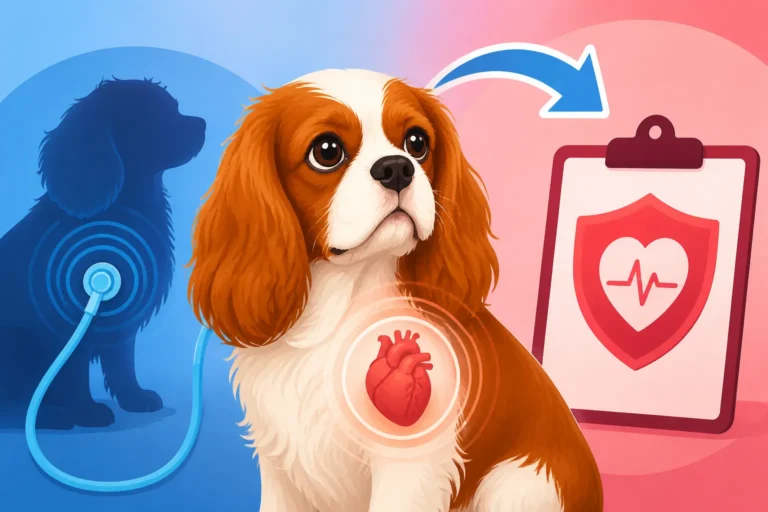
The centerpiece of any Cavalier heart check is the auscultation. This is where your veterinarian uses a stethoscope to listen carefully to your dog's heart. It's not just a quick listen; a skilled vet will systematically listen to several points on both sides of the chest, identifying the different heart sounds and listening for any abnormalities. They are specifically trying to hear if the mitral valve, located on the left side of the chest, is allowing blood to flow backward, creating that characteristic "whooshing" sound of a murmur.
The vet isn't just detecting if a murmur is present, but also its intensity. This is often expressed as a grade, typically from 1 to 6. A very soft, intermittent murmur might be a Grade 1, while a loud murmur that can be felt through the chest wall might be a Grade 5 or 6. Knowing What a Heart Murmur Grade Means in a Cavalier is important, as it helps guide decisions about further diagnostics. They’ll also be noting the heart rhythm – is it regular or are there any skipped beats or extra beats? These findings, combined with your Cavalier’s age and previous history, form the basis for recommendations on whether further cardiac work-up, like an echocardiogram, is needed. It’s a moment that can feel nerve-wracking, but remember, your vet is highly trained to pick up on these crucial details.
The Importance of a Full Physical Exam
Beyond the heart, a thorough physical exam provides a wealth of information. Your vet will conduct a head-to-tail assessment, which includes checking your Cavalier's eyes, ears (Cavalier Ear Infections and Why They Recur are common!), teeth, and skin. They’ll palpate your dog's abdomen, check lymph nodes, and assess their musculoskeletal system. This comprehensive check is vital because symptoms of heart disease can sometimes manifest in unexpected ways, or other health issues might exacerbate cardiac conditions. For example, severe dental disease can introduce bacteria into the bloodstream, which can then affect heart valves.
Your vet will also discuss your Cavalier's diet and exercise routine. Are they eating a balanced diet, perhaps one from Ollie that's tailored to their needs? Are they getting enough activity, or are you noticing they're tiring more easily on walks? Even small changes in routine or appetite can signal underlying problems. This overall assessment allows your vet to consider all factors contributing to your Cavalier's well-being and identify any potential comorbidities that could impact their heart health. It's truly about seeing the whole dog, not just the heart in isolation.
Navigating Potential Next Steps After the Checkup
So, the vet has done their exam. What happens next? The course of action depends entirely on their findings. Sometimes, it’s a simple "all clear" for another year, which is a huge relief! Other times, a murmur might be detected, or other signs might warrant further investigation. This doesn't automatically mean the worst, but it does mean a proactive approach is necessary.
When a Murmur is Heard: The Next Steps
If your veterinarian detects a heart murmur, especially if it's new or has increased in intensity, it's natural to feel a knot in your stomach. But take a deep breath. A murmur doesn't always mean immediate crisis. The first step will typically be a recommendation for further diagnostics. This often involves a referral to a veterinary cardiologist for a specialized examination, which will likely include an echocardiogram. This ultrasound of the heart can show exactly what the mitral valve is doing, the size of the heart chambers, and the efficiency of blood flow. It answers the crucial question: What a Cavalier Echocardiogram Shows.
The cardiologist can then accurately grade the heart disease according to established stages, which helps determine the prognosis and potential treatment plan. They might also suggest blood tests, like an NT-proBNP, to assess cardiac stress. Based on these advanced diagnostics, a plan will be developed. This could range from simply monitoring the murmur more closely with follow-up appointments, to starting medication like pimobendan or diuretics if the heart has begun to enlarge or fluid is accumulating. The key is that detecting the murmur early allows you to start monitoring and potentially intervene before your Cavalier becomes overtly symptomatic, giving you and your beloved companion more quality time together.
Supporting Your Cavalier's Heart Health Proactively
Even if your Cavalier gets a clean bill of health or has a very low-grade murmur that doesn't yet require medication, there's plenty you can do proactively to support their heart health. Weight management is paramount for Cavaliers; excess weight puts strain on the heart, making it work harder. Keeping your Cavalier at a lean, healthy weight is one of the best things you can do. Regular, moderate exercise, tailored to your dog’s age and condition, also contributes significantly to cardiovascular fitness. Avoid over-exertion, but ensure they get consistent activity.
Consider a diet formulated for small breeds, and always discuss any dietary changes or supplements with your vet. While no diet can reverse MVD, maintaining optimal nutrition is crucial. Some owners explore Whether Heart Supplements Help a Cavalier, but always do so under veterinary guidance to avoid unintended interactions. Furthermore, consistent dental care can help prevent bacterial infections that can impact heart valves. Regular brushing and professional dental cleanings can make a difference. Lastly, for peace of mind and financial preparedness, consider Insuring a Cavalier Before the Murmur Arrives. Pet insurance, from providers like Healthy Paws, can be a real lifesaver when those big diagnostic and medication bills inevitably start rolling in.
Managing the Cost and Anxiety of Regular Cardiac Monitoring
Let’s be honest, owning a Cavalier can be expensive, and dealing with their particular health challenges can add financial and emotional stress. The thought of yearly vet visits, potential specialist appointments, and ongoing medication can feel overwhelming. However, understanding the costs and having strategies to manage both the financial and emotional aspects can make the journey more manageable.
Budgeting for Preventative Care
Preventative care is an investment, not an expense. While it might seem like a lot to pay for a yearly checkup when your dog seems healthy, it’s far less costly than dealing with an advanced, uncontrolled disease. Think of it as putting a little money aside each month for "Cavalier Health." Budgeting a Cavalier From Puppy to Senior is crucial. This budget should include the annual vet visit, vaccinations, parasite prevention, and quality food. If you break it down, the monthly cost for these essentials isn't as daunting as one big lump sum.
Many pet parents find that a combination of a dedicated savings fund and pet insurance provides the best safety net. For instance, Healthy Paws offers plans that can help with unexpected illnesses and accidents, taking some of the sting out of costly diagnostic tests or long-term medication. While it’s true that a murmur detected before you get insurance will often be considered a pre-existing condition, getting coverage early means you're prepared for other potential issues and for any new heart conditions that might arise. Don't let the fear of cost prevent you from getting those vital yearly checkups. Many vets also offer wellness plans that can help spread the cost of routine care throughout the year.
The Emotional Toll of a Cavalier's Heart Health Journey
Beyond the financial aspect, the emotional toll of a Cavalier's heart health journey can be significant. Living with the knowledge that your sweet companion is predisposed to a serious condition like MVD can bring a unique kind of anxiety. Every cough, every moment of sluggishness, can trigger worry. It’s absolutely normal to feel this way; you love your dog, and you want the best for them.
Find a support system, whether it’s other Cavalier owners, online forums, or even just a trusted friend who understands. Talking about your fears and experiences can be incredibly helpful. Remember that early detection and consistent monitoring, including Annual Cardiologist Exams for a Cavalier once a murmur is found, give you the best chance to manage the disease effectively and maintain your dog's quality of life for as long as possible. Focusing on the joy your Cavalier brings every day, and celebrating the moments you have, is also vital. While the future can be uncertain, the present is what truly matters, and your consistent, loving care makes all the difference.
Disclaimer
This article is for general informational purposes only and does not constitute professional advice. Laws, prices and regulations vary by location and change over time. Consult a qualified professional for guidance on your specific situation.