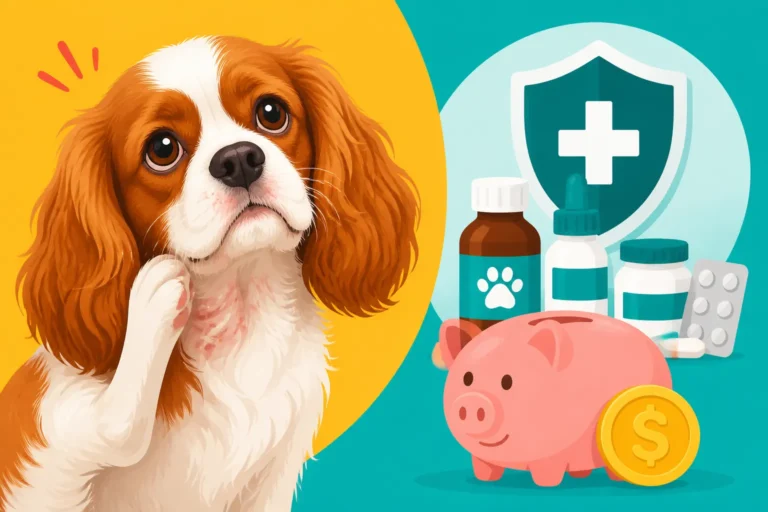
Whether Cavalier Valve Surgery Is Worth the Price
For Cavalier King Charles Spaniel owners, the devastating news of Mitral Valve Disease (MVD) often comes with a heavy heart, and the progression to heart failure can feel inevitable and terrifying. When faced with advanced stages of this disease, the idea of mitral valve repair surgery can seem like a beacon of hope, but the sheer cost and complexity of such a procedure can make the decision feel overwhelming. This guide aims to thoroughly explore the intricate factors involved in deciding whether Cavalier valve surgery is worth the significant financial and emotional investment, helping you understand the options, potential outcomes, and the profound commitment required.
Understanding Mitral Valve Disease in Cavaliers
Mitral Valve Disease (MVD) is an incredibly common, progressive heart condition in Cavalier King Charles Spaniels, often appearing far too early in their lives. It's not just a murmur; it's a degenerative process where the mitral valve in the heart stiffens and begins to leak, forcing the heart to work harder to pump blood. This extra strain leads to heart enlargement and, eventually, congestive heart failure.
The Reality of MVD Progression
It's a heartbreaking journey to witness a beloved Cavalier's MVD progress. Initially, you might only hear a faint murmur during routine vet checks, which might not impact their daily life at all. Over time, that murmur can grow louder, and you might start noticing subtle changes: perhaps they tire a little faster on walks, or their once boundless energy seems to wane. This is the insidious nature of the disease, slowly tightening its grip. Many owners grapple with the anxiety of knowing what’s coming, watching their vibrant dog slowly lose its spark. The question of How Cavalier Heart Disease Progresses Stage by Stage is a constant source of worry, and as the stages advance, so does the impact on their quality of life.
The Limitations of Traditional Medical Management
For years, the standard approach to MVD has been medical management. This involves a cocktail of medications designed to help the heart cope with the leaking valve, reduce fluid buildup, and improve blood flow. Drugs like pimobendan, ACE inhibitors, and diuretics can certainly buy your Cavalier more time and significantly improve their comfort. They can reduce coughing, improve energy levels, and make breathing easier. However, these medications only manage the symptoms; they don't fix the underlying mechanical problem of the leaky valve. As the disease advances, even the best medication regimen eventually reaches its limits. There comes a point where despite increasing dosages or adding new drugs, your Cavalier's heart continues to enlarge, and the symptoms of heart failure become harder to control. Understanding Medication for a Cavalier With Heart Disease is crucial, but it also means acknowledging that it’s a race against time, not a cure.
What Mitral Valve Repair Surgery Entails
Mitral valve repair surgery is a highly specialized and complex procedure, a truly monumental undertaking for both the veterinary team and the owner. It involves correcting the leaky valve itself, a very different approach from simply managing the symptoms.
The Surgical Procedure and Its Complexity
This isn't your everyday vet visit; valve repair surgery is open-heart surgery, requiring a highly specialized team and facilities that are only available at a handful of veterinary teaching hospitals or advanced cardiology centers worldwide. The procedure involves stopping the heart, placing the dog on a heart-lung bypass machine, and surgically repairing the damaged mitral valve. This might mean shortening elongated chordae tendineae (the "heartstrings" that support the valve leaflets), patching tears, or even reconstructing parts of the valve. The complexity is immense, and the risks are significant, including potential complications during anesthesia, infection, or even failure of the repair. It's a procedure that pushes the boundaries of veterinary medicine, designed to offer a chance at a significantly extended, higher-quality life. Mitral Valve Repair Surgery for a Cavalier is not for the faint of heart, but it offers a unique hope.
Post-Operative Care and Recovery
The journey doesn't end when your Cavalier leaves the operating room; in many ways, it's just beginning. The immediate post-operative period is critical, requiring intensive care in a specialized ICU setting. Your Cavalier will need constant monitoring, pain management, and careful observation for any signs of complications. Once stable enough to go home, the recovery process continues for weeks or even months. This involves strict activity restrictions, meticulous medication management, and frequent follow-up visits with the cardiologist. It's a demanding period that requires immense dedication from owners, often meaning taking time off work, adjusting routines, and providing round-the-clock care. You'll be watching for every nuance, ensuring they heal properly, and gently reintroducing them to activity. This commitment is as much a part of the "cost" as the initial surgery fee.
Weighing the Costs Beyond the Sticker Price
When considering mitral valve repair surgery, it's easy to focus solely on the astronomical upfront cost. However, a truly comprehensive understanding requires looking at the bigger picture, encompassing financial, emotional, and practical investments.
Financial Investment: What You're Really Paying For
Let's be blunt: mitral valve surgery is incredibly expensive. We're talking about figures that can be daunting for most families. This isn't just for the surgery itself. It includes extensive pre-operative diagnostics like advanced echocardiograms, blood work, and consultations with a board-certified cardiologist and anesthesiologist. Then there's the surgical team's fees, the use of specialized equipment (like the heart-lung machine), the intensive care unit (ICU) stay, and all the medications required during and after the procedure. You also need to factor in potential travel and accommodation costs, as these specialized facilities are few and far between, often requiring cross-country trips. These are The Bills That Land Once a Cavalier's Heart Fails but amplified to a new level. It's a sum that forces many owners to make incredibly difficult choices.
| Aspect of Cost | Medical Management (Ongoing) | Surgical Repair (One-time + Ongoing) |
|---|---|---|
| Initial Diagnostics | ~$ (Echo, X-rays, Blood tests) | $$$ (Advanced Echo, Full Workup) |
| Treatment Fees | $ (Medication refills) | $$$$$ (Surgery, Anesthesia, ICU) |
| Follow-up Care | $$ (Cardiologist visits, re-checks) | $$$ (Frequent specialist visits, scans) |
| Travel/Accommodation | No (Local vet) | Yes (Specialized centers may be far) |
| Emotional Investment | High (Managing decline) | Extremely High (Risk, intense recovery) |
| Potential Lifespan | Months to a few years | Several years (if successful) |
Emotional Toll and Quality of Life Considerations
Beyond the money, there's the profound emotional cost. Deciding whether to pursue such an aggressive and risky surgery for your beloved Cavalier is one of the hardest decisions you'll ever make. There's the hope of giving them more years, free from the burden of heart failure, but also the terror of the risks involved. What if they don't survive the surgery? What if they have complications? What if the quality of life after surgery isn't what you hoped for? Owners often feel immense guilt, fear, and an overwhelming sense of responsibility. It's vital to have honest conversations with your veterinary team, and crucially, with yourself and your family, about what you can emotionally endure. The goal isn't just to extend life, but to extend a good life, a life where your Cavalier can once again enjoy being a happy, active dog. This ties into considering How Long a Cavalier Lives After Diagnosis and hoping for more joyful years.
Insurance and Financing Options
Given the staggering costs, many owners naturally wonder about pet insurance. If you were proactive and insured your Cavalier before any heart murmur was detected, a comprehensive pet insurance plan might cover a significant portion of the surgical expenses. Providers like Healthy Paws are well-regarded, but it’s critical to understand their policies, deductibles, and reimbursement percentages before any diagnosis. Unfortunately, once MVD or a heart murmur is documented, it becomes a pre-existing condition, and most insurance policies will not cover related treatments. This underscores the importance of Insuring a Cavalier Before the Murmur Arrives.
For those without insurance coverage, financing options can include veterinary payment plans, personal loans, or even crowdfunding campaigns. Some clinics may offer phased payment options, or there are third-party medical credit cards designed specifically for veterinary expenses. It’s important to explore every avenue, but also to be realistic about what you can afford without putting your own financial well-being at severe risk.
Long-Term Outlook and Life After Surgery
The primary goal of mitral valve repair surgery is to offer a better and longer life for your Cavalier. But what does that really look like, and what ongoing commitments are involved?
Potential for Extended Lifespan and Improved Health
When successful, mitral valve repair surgery can be truly life-changing. It can dramatically reduce the strain on the heart, reverse some of the heart enlargement, and eliminate the severe symptoms of heart failure. Many Cavaliers who undergo successful surgery regain a level of energy and vitality they haven't had in months, or even years. They can run, play, and breathe freely again, enjoying activities that were previously impossible. This can mean several additional years of good quality life, far beyond what medical management alone could offer. It offers a powerful counterpoint to the difficult question of How Long a Cavalier Lives in Heart Failure, providing a real chance at a more comfortable existence.
However, it’s important to temper expectations. It's not a complete "cure" in the sense that their heart is now perfect. They may still require some cardiac medications long-term, and regular follow-ups with a cardiologist, including repeat echocardiograms, will be necessary to monitor their heart function. The goal is improvement and extension, not a return to a completely pristine, puppy-like heart.
Ongoing Care and Lifestyle Adjustments
Life after successful surgery, while greatly improved, still requires attentive care. You’ll need to work closely with your cardiologist to adjust medication protocols over time, ensuring your Cavalier remains stable and comfortable. Regular check-ups are non-negotiable, and understanding What a Cavalier Cardiologist Visit Involves will become second nature.
Dietary management is also critical. Your vet or cardiologist might recommend specific low-sodium diets to continue supporting heart health. Services like Chewy and Ollie can be incredibly convenient for managing prescription foods and even some medications, ensuring they are delivered right to your door, reducing stress for you and your recovering dog. Monitoring their weight meticulously, making sure they stay at a healthy lean body condition, is vital to prevent any unnecessary strain on their repaired heart. Cavalier Weight Gain and What It Costs the Heart remains a serious concern, even post-surgery. Their exercise will likely be guided by their cardiologist, often moving from strict rest to carefully measured, gentle activity.
Making the Decision: Is it Worth It?
The question of "is it worth the price?" is deeply personal and multifaceted. There's no single right answer, as it depends entirely on your individual circumstances, your Cavalier's specific condition, and your values.
For some owners, the chance to give their beloved companion extra years of comfortable life, free from the struggle of heart failure, is priceless. They may have the financial resources, the emotional resilience, and the logistical capacity to pursue this option, viewing it as a profound act of love and commitment. They understand that the value isn't just monetary; it's measured in wagging tails, happy snuggles, and regained vitality.
For others, the costs – both financial and emotional – may simply be too high. The sheer amount of money might be prohibitive, or the thought of putting their fragile Cavalier through such an intensive and risky procedure might feel too cruel, particularly if their dog is already quite elderly or has other significant health issues. Sometimes, "worth" is defined by ensuring the best possible quality of life without adding further stress, even if that means a shorter timeline. Caring for a Cavalier Past Nine involves making many such difficult decisions, and each family must decide what is right for them.
Ultimately, the decision requires deep introspection, open discussion with your family, and candid conversations with your veterinary cardiology team. Gather all the information you can, understand the odds, and consider what a successful outcome would truly mean for you and your Cavalier. Whatever path you choose, remember that it comes from a place of love and a desire to do the very best for your cherished companion.
Disclaimer
This article is for general informational purposes only and does not constitute professional advice. Laws, prices and regulations vary by location and change over time. Consult a qualified professional for guidance on your specific situation.