Extraction Costs in an Older Cavalier
It’s a sad reality for many Cavalier King Charles Spaniel owners: as our beloved companions age, their teeth often become a source of pain and problems. You might notice bad breath that could knock a buzzard off a fence, a reluctance to chew, or even blood in their food bowl, and the vet confirms it – extractions are needed. This guide will walk you through what to expect when your older Cavalier needs dental extractions, focusing on the various costs involved and how to prepare for them.
Why Older Cavaliers So Often Need Extractions
It's heartbreaking to see our senior Cavaliers struggling, and dental disease is one of the most common, yet often overlooked, culprits. Many owners are surprised to learn just how prevalent and severe dental issues can become, particularly in smaller breeds like ours. It's not just bad breath; it's a deep-seated problem that can truly impact their quality of life.
The Anatomy of a Cavalier's Mouth
Cavaliers, with their endearing, often shorter muzzles, are predisposed to dental woes. Their jaws can be quite crowded, meaning teeth don't always align perfectly or have enough space. This crowding creates nooks and crannies where food particles and bacteria love to hide, rapidly forming plaque and then tartar. It's a perfect storm for dental disease. Imagine trying to floss in a tiny, packed space – that's what your Cavalier's mouth might be like, making it incredibly difficult to keep clean, even with regular home care. This overcrowding often leads to Cavalier Dental Disease in a Crowded Jaw.
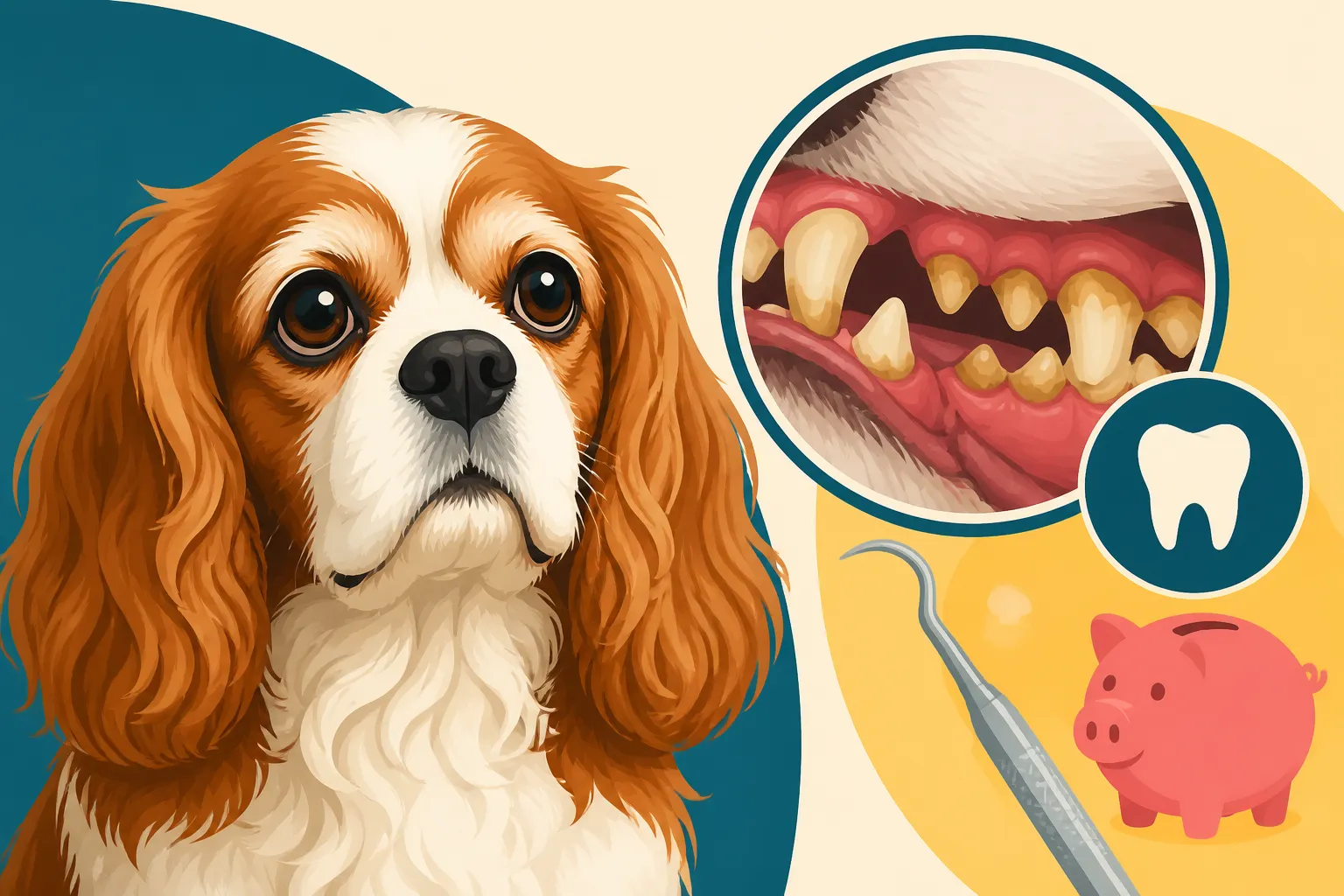
As a Cavalier ages, years of plaque and tartar buildup can wreak havoc. What starts as a yellowish film progresses to hardened brown calculus, pushing up under the gum line. This leads to gingivitis (gum inflammation) and then periodontitis, which is the destruction of the tissues supporting the teeth. Once periodontitis sets in, the bone holding the tooth in place can erode, leading to loose, painful teeth that are prone to infection.
Common Dental Issues Leading to Extractions
When a vet recommends extractions for an older Cavalier, it’s usually because of severe periodontal disease. This means the infection and inflammation have progressed to a point where simply cleaning the teeth won't resolve the issue. The goal isn't just to remove the visible tartar; it's to address the underlying infection and pain.
You might hear terms like "mobile teeth," meaning the teeth are loose and could even fall out on their own eventually, causing immense discomfort in the meantime. Fractured teeth, often from chewing on hard objects or simply years of wear, can also expose the sensitive pulp, leading to agonizing pain and requiring extraction. Sometimes, an abscess forms at the root of a tooth, creating a painful pocket of pus and infection that can even spread to other parts of the body. In these cases, extraction is often the only way to alleviate the pain and prevent further systemic illness. It’s a tough decision, but a necessary one to ensure your Cavalier can eat comfortably and live pain-free.
The Process of Dental Extractions for an Older Cavalier
The thought of your sweet, senior Cavalier going under anesthesia for dental work can be incredibly anxiety-inducing. I completely understand that worry. It feels like a big step, especially when they're already getting on in years. But understanding the steps involved can help ease some of that apprehension and ensure you're prepared.
Pre-Operative Assessment and Bloodwork
Before any surgery, especially for an older dog, a thorough pre-operative assessment is crucial. Your vet needs to make sure your Cavalier is healthy enough to undergo anesthesia safely. This typically includes a physical exam, where the vet listens to their heart and lungs, assesses their general condition, and discusses any existing health concerns. For many Cavaliers, this means a discussion about Anesthesia for a Cavalier With Heart Disease, as heart murmurs are common in the breed.
Bloodwork is almost always a part of this pre-op screening. This comprehensive panel checks organ function, particularly the liver and kidneys, which are responsible for processing anesthetic drugs. It also looks at red and white blood cell counts, which can indicate anemia or infection. For older dogs, additional tests might be recommended, such as a urinalysis or a chest X-ray, especially if there are concerns about lung health or potential spread of infection. If your Cavalier has a known heart murmur, a cardiologist consultation and an echocardiogram might be advised to determine the heart's current health and suitability for anesthesia. These steps, while adding to the initial cost, are vital for minimizing risks and ensuring the safest possible procedure for your cherished companion. This comprehensive approach is part of Pre-Surgery Testing for an Older Cavalier.
Anesthesia and Monitoring
Once your Cavalier has been cleared for surgery, the next step is anesthesia. Modern veterinary anesthesia protocols have come a long, long way, focusing on safety and individualized care, particularly for older and brachycephalic (short-nosed) breeds like Cavaliers. Your vet will tailor the anesthetic agents to your dog's specific health status.
During the procedure, your Cavalier will be closely monitored by a veterinary technician, often using equipment similar to what's used in human hospitals. This includes monitoring heart rate, respiratory rate, blood pressure, oxygen saturation, and body temperature. Maintaining body temperature is especially important for small breeds like Cavaliers, who can lose heat quickly. Pain management is also a significant part of the protocol, with pain medication administered before, during, and after the extractions to keep your dog comfortable. The goal is a smooth induction, a stable anesthetic plane, and a gentle, pain-free recovery.
The Extraction Procedure and Post-Operative Care
After your Cavalier is safely under anesthesia, the real dental work begins. This usually involves taking full-mouth dental X-rays. These X-rays are absolutely indispensable because they show what's happening below the gum line, which is where much of the significant disease lurks. Without them, it's impossible to know the full extent of bone loss, hidden abscesses, or fractured roots. After the X-rays, the teeth are thoroughly cleaned, scaled, and polished.
Then comes the extractions. Each tooth is carefully assessed. If extraction is necessary, the vet will use specialized instruments to meticulously loosen and remove the tooth, ensuring all root fragments are gone. The gum tissue is often sutured closed to promote healing and reduce discomfort. After the procedure, your Cavalier will recover in a warm, quiet area, still under close observation. They'll go home with a course of pain medication and antibiotics if needed. You’ll receive specific instructions on how to care for them, which usually includes feeding soft food for a week or two, avoiding hard chews, and monitoring the extraction sites. It's a commitment, but one that leads to a much happier, pain-free dog.
Understanding the Costs Involved
Let’s be honest, the cost is often the elephant in the room when our Cavaliers need extensive dental work. It's a significant investment, and it can feel overwhelming. It’s important to understand that dental extractions aren't just a quick pull; they are a surgical procedure that involves specialized equipment, skilled professionals, and ongoing care, all of which contribute to the final bill.
Breakdown of Typical Cost Components
The total cost for dental extractions in an older Cavalier is rarely a single, flat fee. It's a sum of several essential services. Here's a general breakdown of what typically contributes to the overall expense:
| Cost Component | Description | Why It's Necessary |
|---|---|---|
| Initial Exam/Consultation | Assessment by a veterinarian to determine the need for dental work and overall health. | Establishes baseline health, identifies existing conditions (like a murmur), and ensures suitability for anesthesia. |
| Pre-Anesthetic Bloodwork | Comprehensive blood tests to check organ function and blood cell counts. | Crucial for identifying underlying issues that could increase anesthetic risk, such as liver or kidney problems, ensuring the safest possible procedure. |
| IV Catheter & Fluids | Placement of an intravenous catheter for medication administration and fluid support during surgery. | Maintains blood pressure, prevents dehydration, and provides immediate access for emergency medications, significantly improving anesthetic safety, especially for older pets. |
| Anesthesia & Monitoring | Administration of anesthetic agents and continuous monitoring by trained staff and specialized equipment. | Ensures your Cavalier is pain-free and still during the procedure, while vital signs are closely tracked to detect and address any complications immediately. |
| Dental X-rays (Full Mouth) | Radiographs of all teeth, including the roots and surrounding bone. | Reveals hidden disease, such as root abscesses, bone loss, and fractured roots, that are not visible to the naked eye, guiding precise extraction decisions. |
| Scaling & Polishing | Professional cleaning of plaque and tartar above and below the gum line. | Removes disease-causing bacteria, which is a fundamental part of a comprehensive dental procedure, even if extractions are the primary focus. |
| Extractions (Per Tooth/Grade) | Surgical removal of diseased or fractured teeth. Prices often vary based on difficulty (simple vs. surgical). | Eliminates sources of pain, infection, and ongoing inflammation, improving oral health and overall well-being. |
| Pain Medication | Administered before, during, and after the procedure (take-home prescription). | Ensures your Cavalier remains comfortable and recovers without unnecessary suffering, vital for their post-operative well-being. |
| Antibiotics | Take-home prescription to combat existing infection and prevent new ones. | Addresses bacterial infections common with advanced dental disease, protecting against complications after surgery. |
| Post-Operative Check-up | Follow-up visit to ensure proper healing and address any concerns. | Allows the vet to monitor recovery, check surgical sites, and remove sutures if necessary, ensuring everything is progressing as it should. |
Factors like the number of teeth needing extraction, the complexity of each extraction (some are much harder to remove than others), and whether specialists are involved can all push the final figures up or down. A molar with multiple roots that has severe bone loss will take more time and skill to remove than a small, loose incisor.
Regional Differences and Veterinary Practice Variations
Just like the cost of living varies from city to city, so do veterinary service fees. A dental procedure in a bustling metropolitan area, or in states with higher average wages, will almost certainly cost more than the exact same procedure in a rural setting. This is largely due to overhead costs like rent, staff salaries, and the general economic landscape of the region.
Even within the same city, different veterinary practices may quote different prices. A state-of-the-art facility with board-certified veterinary dentists and advanced equipment might have higher prices than a smaller, general practice that still offers excellent care. It’s always a good idea to get a detailed estimate from your chosen vet and ask for clarification on anything you don't understand. Don't be shy about discussing your budget and asking what options might be available.
Managing the Financial Burden of Cavalier Dental Care
Hearing that your older Cavalier needs dental extractions can be a real punch to the gut, not just emotionally, but financially. Many of us aren't prepared for these unexpected, significant veterinary expenses. It's completely normal to feel a wave of anxiety about how you're going to pay for it all. But there are strategies and resources that can help soften the blow.
The Role of Pet Insurance
If you were forward-thinking enough to enroll your Cavalier in pet insurance when they were younger, before any dental problems emerged, you might be in a much better position. Most comprehensive pet insurance plans, like those offered by Healthy Paws, cover dental disease treatment, including extractions, as long as the condition wasn't "pre-existing" before your policy started. This means if your Cavalier developed a heart murmur at age three, and you signed up for insurance at age two, their heart condition would typically be covered. However, if a vet noted severe dental disease before you bought the policy, then that specific issue might be excluded.
It's a really important distinction, and it highlights why it's so critical to get pet insurance early in your Cavalier's life, ideally when they are still a puppy and have a clean bill of health. Many owners only think about insurance once a problem arises, but by then, it's often too late for that specific issue to be covered. Always read the policy details carefully to understand what's covered, what the deductible is, and what percentage of the bill they'll reimburse. Insuring a Cavalier Before the Murmur Arrives is an excellent choice for a deeper dive into this topic.
Payment Plans and Financial Assistance
If pet insurance isn't an option, or if your Cavalier's dental issue is considered pre-existing, don't despair. Many veterinary clinics understand the financial strain these procedures can cause and offer various payment solutions. Some clinics have in-house payment plans, allowing you to pay the total cost over several months. Others work with third-party financing options that act like a credit card specifically for healthcare expenses, often offering interest-free periods if paid in full within a certain timeframe.
It’s always worth discussing your financial situation openly with your vet team. They might be able to suggest alternative solutions or direct you to local animal welfare organizations that offer financial aid for essential veterinary care. While these programs often have income requirements and can be competitive, they are definitely worth exploring if you're facing a significant financial hurdle.
Preventative Care to Reduce Future Costs
While this guide focuses on extractions, it's impossible to discuss dental costs without emphasizing the paramount importance of preventative care. While it won't undo existing damage, a solid home dental routine can significantly slow the progression of disease and potentially reduce the number of future extractions needed.
Daily tooth brushing with a pet-specific toothpaste (never human toothpaste!) is the gold standard. Even if your Cavalier isn't thrilled about it at first, consistency and positive reinforcement can work wonders. Products like enzymatic toothpastes available through retailers like Chewy can be a great start. Dental diets, water additives, and dental chews approved by veterinary dental health organizations can also play a supportive role. Remember, these are adjuncts to brushing, not replacements. Regular professional dental cleanings, even if they don't involve extractions, are also crucial for managing plaque and tartar buildup.
After extractions, your Cavalier will likely need a diet of soft food for a while. Options like Ollie's fresh, pre-portioned dog food can be excellent for this period, ensuring they get good nutrition without irritating their sensitive gums. Long-term, you might find that softer treats or specific dental chews are better tolerated. By investing time and a little money into consistent home care and regular vet check-ups, you're not just preventing future large bills; you're actively contributing to a longer, more comfortable, and healthier life for your sweet Cavalier.
Disclaimer
This article is for general informational purposes only and does not constitute professional advice. Laws, prices and regulations vary by location and change over time. Consult a qualified professional for guidance on your specific situation.