Knee Surgery Costs for a Cavalier
That sudden skip in your Cavalier’s gait, or the moment they yelp when landing awkwardly, can send a jolt of panic through any devoted owner. When it comes to something as crucial as their mobility, the thought of knee surgery immediately brings up concerns about their comfort, their recovery, and, let's be honest, the looming vet bills. It’s a stressful situation, but understanding what goes into the cost of treating a luxating patella can help you feel more prepared and in control. This guide will walk you through the various financial aspects of Cavalier knee surgery, from diagnosis to rehabilitation, helping you navigate this challenging journey for your beloved companion.
Understanding Cavalier Knee Problems: Patellar Luxation
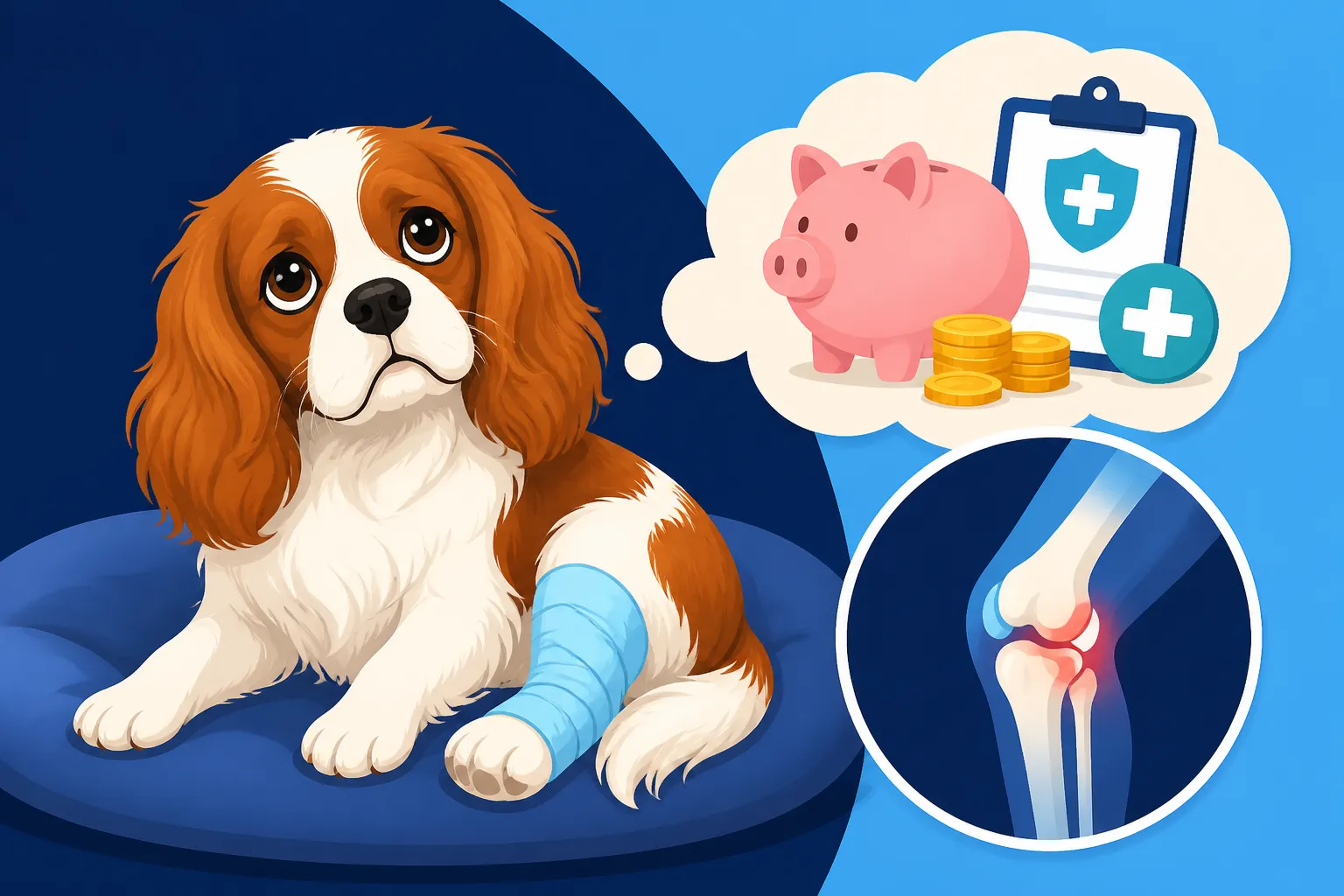
If you've spent any time around small breed dogs, especially Cavaliers, you've likely heard of a condition called patellar luxation, or "slipping kneecap." It sounds scary, and it can be uncomfortable for your dog, but it's also incredibly common in our sweet-natured friends. Essentially, it's when the kneecap (patella) moves out of its normal groove on the thigh bone (femur). It can slip to the inside (medial luxation, which is most common in small breeds like Cavaliers) or to the outside (lateral luxation).
Cavaliers are particularly prone to this condition due to their genetics and the way their leg bones develop. It's often present from birth, even if the signs don't show up until later in life, sometimes when they're still puppies or young adults. That characteristic bunny hop you might see, or the sudden holding up of a back leg for a few steps before it snaps back into place, are classic indicators. It’s an unsettling sight, and if you’ve noticed A Cavalier That Skips on One Back Leg, it’s definitely time to chat with your vet.
The severity of patellar luxation is graded from I to IV. A Grade I might only slip occasionally and cause minimal discomfort, while a Grade IV means the kneecap is permanently dislocated, often leading to significant lameness and arthritis. Not every luxating patella needs surgery. For lower grades, managing with supplements, controlled exercise, and weight management can sometimes be enough. However, for higher grades, or if your Cavalier is in consistent pain or developing significant arthritis, surgery often becomes the best option to restore comfort and mobility.
The Initial Diagnostic Journey and Its Costs
The first step in addressing your Cavalier's knee issue is typically a visit to your regular veterinarian. They'll perform a thorough physical examination, feeling the knee joint and gently manipulating it to check for signs of luxation. This initial consultation will involve a fee, much like any standard vet visit. They'll assess how easily the kneecap slips, if it causes pain, and if it spontaneously reduces (pops back into place).
Based on their findings, your vet will likely recommend X-rays. While X-rays don't directly show the kneecap slipping (which is soft tissue), they are crucial for evaluating the overall alignment of the bones in the leg – the femur, tibia, and patella – and assessing for any secondary changes like arthritis or malformation of the trochlear groove (the groove where the kneecap normally sits). These X-rays are vital for determining the exact nature of the problem and ruling out other conditions that might cause similar symptoms. The cost for these X-rays will depend on the number of views needed and whether your dog requires light sedation to get clear, still images.
In many cases, your general practice vet might then refer you to a board-certified orthopedic specialist. This is a veterinarian who has undergone extensive additional training specifically in bone and joint issues. A specialist often has more advanced diagnostic tools and surgical experience with complex orthopedic cases. The initial consultation with a specialist will typically be a separate, higher fee than your regular vet visit, but it's an invaluable step. They will conduct their own detailed orthopedic exam, review the X-rays, and discuss the specific grade of luxation. If you're curious, you can learn more about The Four Grades of Cavalier Patellar Luxation to better understand what the specialist is looking for. At this point, the specialist will confirm the diagnosis and present you with the best treatment options, including whether surgery is recommended and what kind.
Breaking Down the Costs of Patellar Luxation Surgery Itself
Once the decision is made to proceed with surgery, you'll be presented with a detailed estimate covering various stages of the procedure. This is where the costs really start to add up, and it’s important to understand each component.
Pre-Surgical Preparations
Before your Cavalier goes under anesthesia for surgery, a series of important pre-surgical tests are necessary to ensure they are healthy enough for the procedure and to minimize risks. This typically includes bloodwork, such as a complete blood count (CBC) and a biochemistry panel. These tests evaluate organ function (especially liver and kidneys), check for anemia or infection, and assess clotting ability. For Cavaliers, it's particularly important because they are predisposed to heart conditions like Mitral Valve Disease (MVD). While these blood tests don't diagnose MVD, they help ensure your dog's overall system is robust enough for the stress of surgery and anesthesia. If your Cavalier already has a heart murmur, or is older, your vet may recommend additional diagnostics like an electrocardiogram (ECG) or even a consultation with a veterinary cardiologist. This is why understanding Anesthesia Risk in a Cavalier With a Murmur is so important, and why these pre-surgical steps are non-negotiable. Don't be surprised if your vet wants to do Pre-Surgery Testing for an Older Cavalier even if your Cavalier seems outwardly healthy. These preparatory steps help the veterinary team create the safest anesthetic plan for your dog.
The Surgical Procedure
The core of the cost is, of course, the surgery itself. This fee encompasses several significant elements:
- Anesthesia: This isn't just a simple injection. It includes the medications used to induce and maintain anesthesia, the specialized equipment to monitor your Cavalier's vital signs throughout the procedure (heart rate, respiration, blood pressure, oxygen saturation, temperature), and the dedicated veterinary technician who will be monitoring them constantly. Given a Cavalier's potential heart sensitivities, the anesthetic protocol is often very carefully tailored and monitored.
- Surgeon's Fees: This is the cost for the orthopedic surgeon's expertise, time, and skill in performing the complex repair. The surgical techniques involved can vary but often include deepening the trochlear groove (where the kneecap sits), moving the attachment point of the patellar tendon (tibial tuberosity transposition), and tightening the joint capsule. These procedures require precision and specialized tools.
- Operating Room Time and Supplies: This covers the use of the sterile operating suite, the sterile drapes, gowns, gloves, surgical instruments, and sutures used during the operation.
- Implants (if necessary): In some cases, small pins or wires might be used to secure bone fragments if the tibial tuberosity is transposed, adding another element to the cost.
The specific techniques used will be chosen by the surgeon based on your Cavalier's individual anatomy and the severity of the luxation, and this can influence the total surgical cost.
Post-Operative Care and Medication
The care doesn't stop once the surgery is over. Your Cavalier will need a period of hospitalization immediately after the procedure. This typically involves overnight stays, where they'll receive intravenous fluids, injectable pain medication, and close monitoring by the veterinary team. The length of the hospital stay can vary depending on your dog's recovery and the surgeon's protocol.
Once your Cavalier is discharged, you'll go home with a regimen of medications to manage pain and inflammation, and sometimes antibiotics. This will likely include oral pain relievers and non-steroidal anti-inflammatory drugs (NSAIDs). You'll also need an Elizabethan collar (the "cone of shame") to prevent your dog from licking or chewing at the incision site, which can lead to infection and complicate healing. These medications and supplies add to the overall cost. Many owners find that ordering their pet's prescriptions and supplies through online retailers like Chewy can be a convenient way to manage these ongoing needs, often with home delivery.
Here's a breakdown of potential costs you might encounter during the surgical phase:
| Cost Component | Description | Typical Cost Shape (Relative) |
|---|---|---|
| Initial Vet Exam | Physical assessment of the knee, general health check. | Moderate |
| X-rays | Imaging to assess bone alignment, rule out other issues, check for arthritis. Often requires sedation. | Moderate to High |
| Orthopedic Specialist Consult | Detailed examination and treatment plan from a specialized veterinary surgeon. | High |
| Pre-Surgical Bloodwork | CBC, chemistry panel to assess organ function and overall health before anesthesia. | Moderate |
| Additional Cardiac Workup | ECG, cardiologist consult for Cavaliers with murmurs. | High (if needed) |
| Anesthesia & Monitoring | Medications, equipment, and dedicated staff for safe anesthesia. | High |
| Surgeon's Fees | Cost of the surgical procedure itself, including materials. | Very High |
| Hospitalization (Post-op) | Overnight stays for IV fluids, pain management, and monitoring. | Moderate to High |
| Post-Op Medications | Oral pain relievers, NSAIDs, antibiotics, Elizabethan collar for at-home care. | Moderate |
Note: The actual amounts for these categories will vary widely based on your geographic location, the specific veterinary practice, and the individual needs of your Cavalier.
Rehabilitation and Long-Term Recovery Expenses
Surgery is a significant hurdle, but it's truly only the halfway point in your Cavalier's journey back to full mobility. The rehabilitation phase is just as critical, and it comes with its own set of expenses. Skipping this part can compromise the success of the surgery and potentially lead to complications.
Physical Therapy
Just like humans recovering from knee surgery, dogs greatly benefit from physical therapy. This isn't just about making them feel better; it's about rebuilding muscle, improving range of motion, reducing stiffness, and strengthening the joint to prevent re-injury. Your vet or specialist will likely recommend a course of rehabilitation, which can include various modalities:
- Hydrotherapy: Swimming or walking on an underwater treadmill is fantastic for building muscle strength without putting excessive weight on the healing joint. It allows for a full range of motion in a low-impact environment.
- Therapeutic Exercises: These are specific exercises prescribed by a certified canine rehabilitation therapist to target muscle groups, improve balance, and increase flexibility.
- Laser Therapy: This can help reduce pain and inflammation and promote tissue healing.
- Massage and Stretching: To improve circulation and maintain flexibility.
Each physical therapy session will have a cost, and your Cavalier will typically need a series of sessions over several weeks or months. The total number of sessions depends on your dog's individual progress and the severity of the initial injury. It’s an investment, but it profoundly impacts the long-term outcome.
Follow-up Vet Visits and X-rays
During the recovery period, your Cavalier will need several follow-up appointments with the orthopedic specialist. These visits allow the surgeon to assess healing, check the incision site, evaluate range of motion, and ensure your dog is progressing as expected. They may also recommend repeat X-rays at certain intervals to confirm that the bone structures are healing correctly and that the kneecap remains stable in its new groove. Each of these check-ups and subsequent X-rays will incur additional fees.
Ongoing Management
Even after your Cavalier has completed their formal rehabilitation, there are ongoing considerations and potential costs to ensure their long-term joint health.
- Joint Supplements: Many vets recommend lifelong joint supplements containing ingredients like glucosamine, chondroitin, and MSM to support cartilage health and reduce inflammation. Brands like Chewy and Ollie offer various high-quality joint supplements that can be easily incorporated into your dog's diet. These are not a one-time purchase but an ongoing monthly expense.
- Weight Management: Keeping your Cavalier at a healthy weight is paramount for joint health, especially after knee surgery. Excess weight puts immense strain on the joints and can accelerate arthritis. Your vet or rehabilitation therapist can help you determine an ideal weight and feeding plan. If you're wondering Keeping a Cavalier at a Weight Its Heart Can Carry, it's a critical discussion to have with your vet.
- Lifestyle Adjustments: You may need to make modifications at home to protect your Cavalier's joints. This could include using Stair Ramps for an Aging Cavalier or younger ones prone to jumping, limiting high-impact activities, and ensuring soft, supportive bedding.
These ongoing costs might seem minor individually, but they are essential parts of maintaining your Cavalier's comfort and mobility for years to come.
Mitigating the Financial Impact: Insurance and Planning
Facing potentially significant veterinary bills for knee surgery can be overwhelming. Fortunately, there are ways to prepare for and manage these expenses.
The Role of Pet Insurance
Pet insurance can be an absolute lifesaver when unexpected surgeries like patellar luxation repair arise. If you enroll your Cavalier in a comprehensive pet insurance plan before any symptoms of patellar luxation appear, the surgery and associated rehabilitation costs are typically covered. Most policies cover a significant percentage (often 70-90%) of accident and illness costs, after a deductible. This means that while you'd pay the initial bills, the insurance company would reimburse you for a large portion, drastically reducing your out-of-pocket expenses.
The critical factor here is timing. Pet insurance companies consider conditions like patellar luxation "pre-existing" if symptoms were present or diagnosed before your policy's waiting period ended. If your Cavalier already has a skipping leg or has been diagnosed with patellar luxation, it's highly likely to be excluded as a pre-existing condition, meaning the insurance won't cover treatment for that specific knee. This is why many experienced owners advocate for Insuring a Cavalier Before the Murmur Arrives or any other health issues, ideally as a puppy. Companies like Healthy Paws are well-regarded for their comprehensive accident and illness plans, but it's crucial to read policy details carefully regarding waiting periods and pre-existing conditions. If you're weighing your options, considering Whether Pet Insurance Is Worth It for a Cavalier is a common question, and for issues like knee surgery, it often proves invaluable. It's truly disheartening when you realize Why a Cavalier Murmur Becomes Pre-Existing and the same applies to knee issues.
Emergency Funds and Other Options
Even with pet insurance, you'll still be responsible for deductibles and a percentage of the bill. This is where having a dedicated emergency fund comes in handy. Setting aside a few thousand dollars specifically for unexpected pet health issues can provide immense peace of mind. For a Cavalier owner, this is more than just a good idea; it's practically a necessity given their breed-specific health predispositions. The Emergency Fund a Cavalier Owner Needs is often larger than one might initially anticipate.
If you find yourself facing surgery costs without insurance or a sufficient emergency fund, don't despair. Discuss payment options with your veterinary clinic. Many offer payment plans or work with third-party financing solutions designed for healthcare expenses. Veterinary schools, which often have leading orthopedic specialists, may also offer slightly lower costs or research programs that could help. Additionally, there are numerous animal-specific charities and breed-specific rescues that may offer financial assistance for owners in need, particularly for conditions common to their breed. It's always worth exploring these avenues before making difficult decisions.
Addressing patellar luxation in your Cavalier King Charles Spaniel can be a journey filled with anxiety about their well-being and the financial strain. However, by understanding the comprehensive costs involved – from initial diagnosis and surgical fees to vital rehabilitation and long-term care – you can approach the situation with greater confidence and make informed decisions for your beloved companion. While daunting, investing in your Cavalier's knee health often translates to years of improved comfort and mobility, allowing them to live their happiest, most active life by your side. Proactive planning, whether through pet insurance or a dedicated emergency fund, truly makes all the difference in these situations.
Disclaimer
This article is for general informational purposes only and does not constitute professional advice. Laws, prices and regulations vary by location and change over time. Consult a qualified professional for guidance on your specific situation.