Living With a Cavalier That Panics When Alone
The heartbreak of watching your beloved Cavalier King Charles Spaniel dissolve into a panicked mess the moment you grab your keys is a unique kind of pain. It's not just a little whining; it's a profound distress that can manifest as relentless barking, destructive chewing, frantic pacing, or even house soiling. This guide is here to walk you through understanding why your Cavalier panics when left alone, how to identify the specific signs, and, most importantly, actionable steps and strategies to help them feel safer and more settled in your absence.
Understanding Why Cavaliers Are Prone to Alone-Time Panic
Cavalier King Charles Spaniels are, by their very nature, companion dogs. They were bred for centuries to be warm, affectionate lap dogs, never straying far from their human counterparts. This deep-seated need for connection makes them particularly susceptible to developing separation anxiety when left alone. It's not a flaw in their character or a sign of being "spoiled"; it's an ingrained part of who they are, exacerbated by modern lifestyles where dogs are often left for extended periods.
Why Cavaliers Are Called Velcro Dogs
The nickname "Velcro dog" wasn't given to Cavaliers by accident. They truly stick to their people, following from room to room, settling at your feet, or nestling onto your lap at every opportunity. This isn't just a cute quirk; it's a testament to their profound desire for companionship. Their historical role was to be a constant presence, a living hot water bottle, a silent confidante, and a source of comfort. When a dog whose entire lineage screams "stay close!" suddenly finds itself alone, it can trigger an existential crisis of sorts. They don't just miss you; they genuinely feel unsafe and abandoned, as if their entire world has been disrupted. For a Cavalier, being alone isn't just boring; it's terrifying.
The Breed's Innate Need for Company
Unlike some breeds that were developed for independent work like hunting or guarding, Cavaliers have always been about partnership. They thrive on interaction and constant physical closeness. This isn't something you can simply train away with a few commands; it's fundamental to their temperament. Imagine being hardwired for social connection, and then having that connection severed for hours on end. It's profoundly disorienting and stressful. When you understand this deep-seated need, you can approach their anxiety not as a behavioral problem to be "fixed" with punishment, but as an emotional challenge that requires empathy, patience, and careful conditioning. Their sweet, gentle nature also makes them incredibly sensitive to changes in routine and perceived abandonment, which can quickly escalate into full-blown panic.
Early Experiences and Their Impact
A Cavalier's early life experiences can significantly shape their ability to cope with alone time. Puppies who are never gradually introduced to short periods of solitude, or those who come from environments where they were constantly surrounded by littermates or people, might struggle more. Similarly, rescue Cavaliers, especially those with unknown pasts or histories of neglect, can arrive with pre-existing anxieties that manifest as severe panic when left alone. A change in home, a traumatic event, or even just inconsistent routines can trigger or worsen separation-related distress. It's a spectrum, and while some Cavaliers might just whine a bit, others can cause significant damage to themselves or your home in their frantic attempts to escape or cope with their fear. Understanding their background, if possible, can sometimes provide valuable clues, but even well-adjusted puppies can develop these issues if not managed carefully from the start.
Recognizing the Signs of Distress
It's crucial to differentiate between a Cavalier who is merely bored or slightly inconvenienced by your absence and one who is genuinely panicking. The signs of true separation anxiety are often severe and persistent, causing significant stress for your dog. Catching these early can make a big difference in how quickly and effectively you can intervene.
A Cavalier That Howls the Moment You Leave
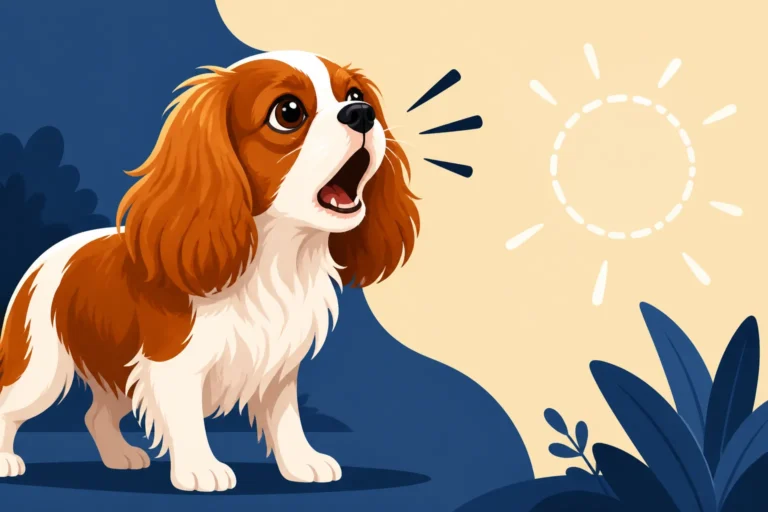
One of the most obvious and heartbreaking signs of severe separation anxiety is vocalization that begins almost immediately after you walk out the door. This isn't just a few barks; it's often sustained howling, whining, or barking that can last for the entire duration of your absence. Neighbors often become the first to alert owners to this problem. Your Cavalier isn't trying to annoy anyone; they are crying out for help, expressing profound fear and loneliness. Imagine a small child left alone and calling for their parent – that's the emotional intensity behind these sounds. It's a clear signal that your dog is in acute distress and not simply waiting patiently for your return. Ignoring these cries can worsen the anxiety, reinforcing their belief that they are truly abandoned.
A Cavalier That Chews Doorframes When Alone
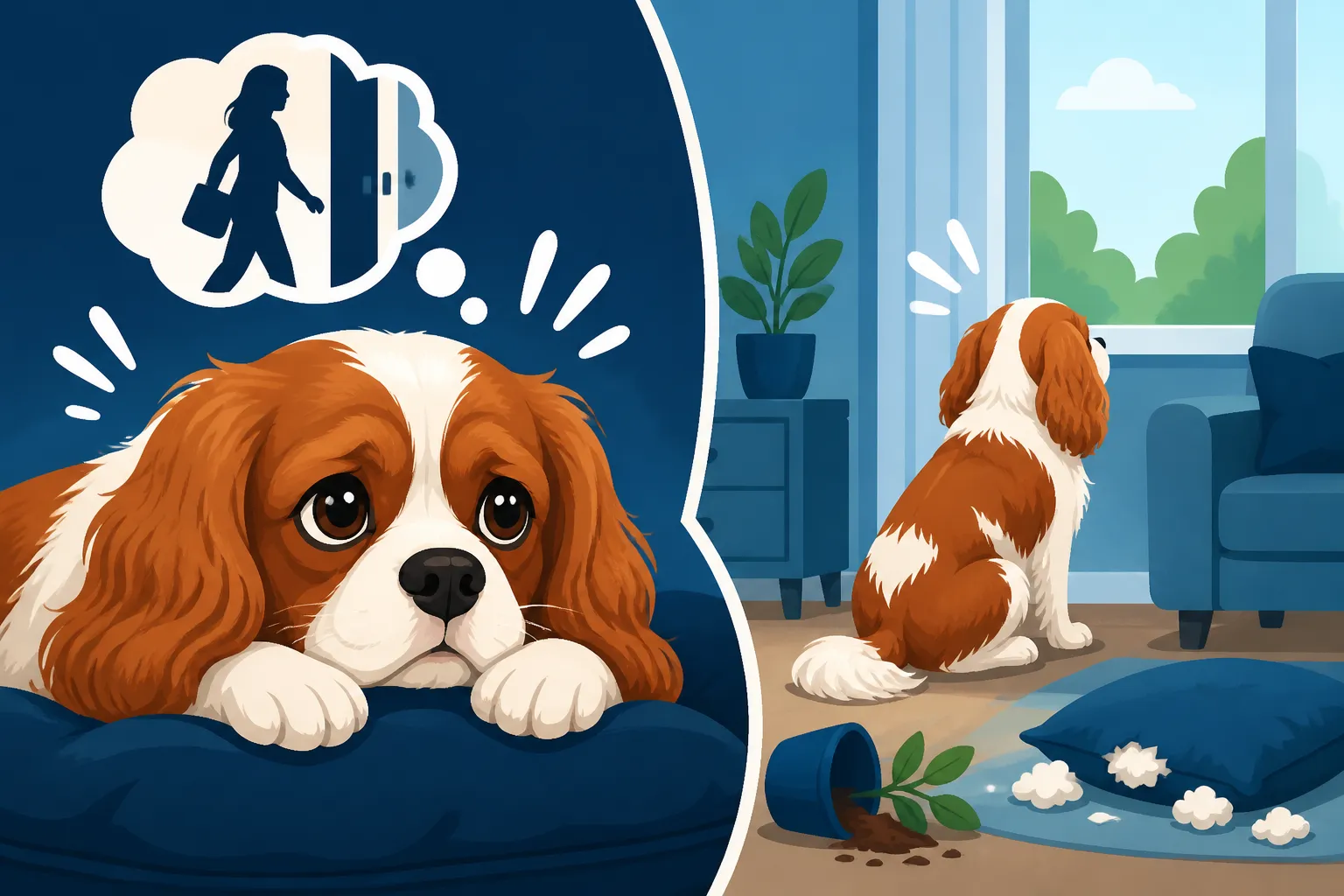
Destructive chewing is another common symptom, but it's important to note the kind of chewing. A bored dog might chew on a slipper they shouldn't, but an anxious Cavalier often focuses their destructive energy on exit points or objects imbued with your scent. This can mean gnawing at doorframes, scratching at carpets near the door, tearing up window sills, or even destroying furniture. This isn't naughtiness; it's an attempt to escape or a desperate coping mechanism to relieve overwhelming stress. The damage is often significant and indicative of a high-stress state. These dogs are literally trying to "get out" or chew their way through their panic. This is also where they can seriously injure themselves, breaking teeth, ingesting dangerous materials, or causing cuts and scrapes from frantic attempts to dig or escape.
A Cavalier That Refuses Food Until You Return
This particular sign is a powerful indicator of genuine distress, especially in a breed as food-motivated as many Cavaliers are. If you leave out a high-value treat, a stuffed Kong, or even their regular meal, and they don't touch it until you come home, it means their anxiety levels are too high for them to eat. Eating is a vulnerable act, and a dog who feels unsafe or deeply stressed will often prioritize vigilance over food consumption. A dog who is merely bored or mildly annoyed will usually devour any treats left for them. So, if that delicious chew toy remains untouched until your foot crosses the threshold, it's a strong red flag that your Cavalier is in panic mode and not simply having a lazy afternoon.
Accidents in a House-Trained Cavalier
For a dog who has been reliably house-trained, sudden indoor urination or defecation only when left alone is a classic sign of separation anxiety. This isn't a defiance issue or a lack of understanding; it's an involuntary physical manifestation of extreme stress. Their bladder or bowel control can simply give way under the immense pressure of their panic. These accidents are rarely done in a "secret" spot; they might be right by the door, in their crate, or somewhere they usually wouldn't go. Punishing a dog for this type of accident will only increase their fear and anxiety, making the problem worse. Instead, it should be seen as a cry for help, a physical symptom of an emotional crisis they cannot control.
Other Subtle Signs of Anxiety
Beyond the obvious, some Cavaliers display more subtle signs that can indicate underlying anxiety when left alone. Pacing back and forth in a repetitive pattern, obsessive licking of paws or other body parts, drooling excessively, or hyperventilating can all be indicators. Some dogs might become completely withdrawn, hiding under furniture, or developing a glazed, faraway look in their eyes. You might also notice a loss of interest in toys or a reluctance to settle down. These behaviors, when they consistently occur only in your absence, paint a clear picture of a dog struggling deeply with their solitude. Learning to observe these nuances, perhaps with the help of a pet camera (which you can find a wide range of options for on Amazon), can provide crucial insights into your Cavalier's internal state.
Setting Up for Success: Management Strategies
Before you even begin training, implementing smart management strategies can significantly reduce your Cavalier's immediate stress and create a more conducive environment for learning. These steps aren't a cure, but they are vital for buffering the initial panic and ensuring your dog's safety and comfort.
Creating a Safe and Comfortable Space
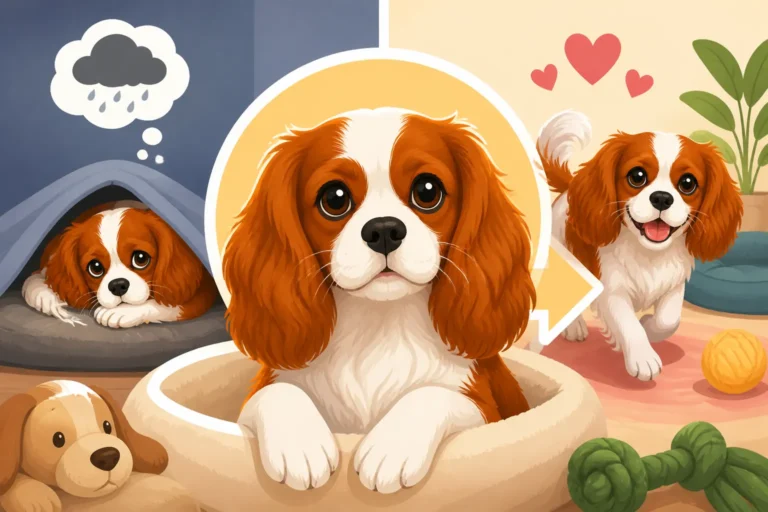
Where your Cavalier spends their alone time matters immensely. For many, a secure, comfortable crate or a designated "den" can provide a sense of security, mimicking the natural denning instinct of canids. However, a crate must be introduced positively and never used for punishment. If your Cavalier panics in the crate, it's not a safe space for them, and you might need to reconsider. For some, a small, dog-proofed room with a comfy bed, a water bowl, and a few safe, engaging toys is better. The key is to make this space consistently available and associate it with positive experiences, long before you ever leave them alone in it. It should be their sanctuary, not a prison. Make sure it's free of hazards and has soft bedding that they can relax into. Choosing a Crate a Cavalier Will Rest In discusses options for this.
Pre-Departure Routines That Calm a Cavalier
Cavaliers are incredibly adept at picking up on our cues. The jingle of keys, putting on your shoes, grabbing your bag – these can become powerful anxiety triggers. To mitigate this, try to "desensitize" these cues. Practice picking up your keys, jiggling them, and then putting them back down without leaving. Put on your coat, then sit on the sofa. Do this many times a day, without ever actually departing, until these actions become meaningless signals rather than pre-cursors to panic. When you do leave, make your departure and arrival as low-key as possible. Avoid lengthy, emotional goodbyes or overly enthusiastic greetings. A calm, neutral demeanor communicates to your Cavalier that your absence is no big deal and that your return is equally routine. This consistency helps to dial down the intensity of their emotional response.
Enrichment for Alone Time
A tired dog is a good dog, and a mentally stimulated dog is even better. Before you leave, engage your Cavalier in a good play session, a brisk walk (if their health allows, see Whether Exercise Is Safe for a Cavalier With MVD), or a training session. This expends physical and mental energy, leaving them more likely to rest when you're gone. Once they're alone, provide safe, high-value enrichment that will occupy them. Think puzzle toys stuffed with their favorite treats, durable chew toys, or a frozen Kong filled with peanut butter or yogurt. The goal is to give them something pleasurable to do that distracts them from your absence. However, remember the earlier point: if they're too anxious to eat the treat, this strategy won't work on its own and indicates a higher level of distress. In those cases, the focus needs to shift more towards behavioral modification and potentially professional intervention.
Environmental Modifications
Sometimes, simple adjustments to the environment can make a difference. Some Cavaliers benefit from background noise, such as a radio tuned to talk radio, classical music, or a white noise machine. This can muffle outside sounds that might startle them and provide a comforting auditory presence. Leaving a light on can also make a room feel less isolating. For dogs who watch anxiously out the window, drawing curtains or blocking access can remove a visual trigger. Be cautious with leaving out items that carry your strong scent, like dirty laundry, as for some dogs, this can heighten their anxiety rather than soothe it, reminding them of your absence. Instead, consider a special bed or blanket that has been with you for a while but isn't something they'd destroy.
Building Tolerance to Alone Time
This is the core of addressing separation anxiety: gradually helping your Cavalier understand that being alone is safe and that you will return. This process requires immense patience, consistency, and a commitment to incremental progress.
Building From Thirty Seconds With a Cavalier
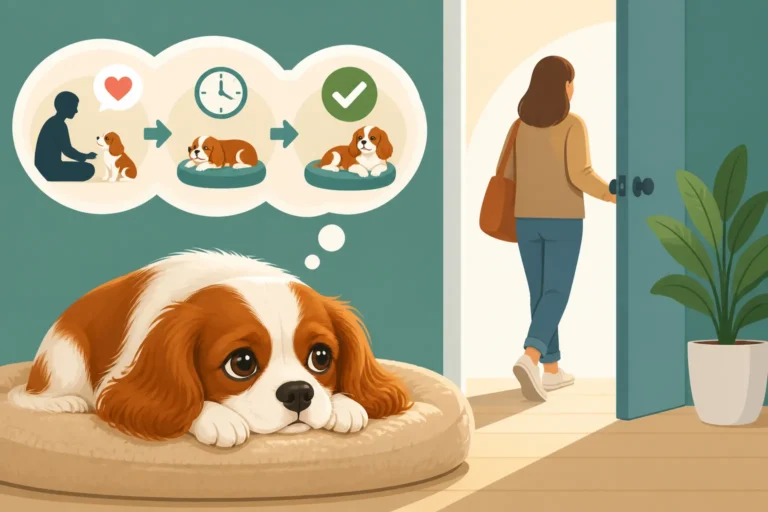
The key to successful training for separation anxiety is to start incredibly small and only increase the duration of alone time when your Cavalier shows no signs of distress at the current level. This often means starting with departures that last mere seconds. You might step out the door, count to five, and then re-enter before your dog has a chance to panic. The goal is to always return before they get anxious. Repeat this many, many times. Step out for ten seconds, come back. Step out for two minutes, come back. Gradually, very, very slowly, increase the time. If your Cavalier shows any signs of anxiety at a given duration (whining, pacing, trying to chew), you've gone too far, too fast. The next step is to decrease the duration and build up again. This process can be painstakingly slow, but rushing it will only set you back. Building a Cavalier's Tolerance for Being Left delves deeper into these specific steps.
Filming a Cavalier While You Are Out
A pet camera is an indispensable tool for this training. You might think your Cavalier is fine after you leave because they seem calm for the first few minutes, but a camera will show you exactly what happens the moment you are truly gone. You'll see when the anxiety starts, how it manifests, and crucially, you'll know when you need to return before they reach their panic threshold. Many affordable options are available on Amazon that connect to your phone, allowing you to monitor in real-time. This objective feedback is invaluable for tailoring your training sessions and ensuring you're not pushing your Cavalier too far, too fast. It helps you accurately identify their "comfort zone" duration for alone time. Filming a Cavalier While You Are Out offers more advice on how to use this tool effectively.
Practicing Short Absences
Once your Cavalier is comfortable with you stepping out and immediately returning, you can start practicing short, real-world absences. This means going to get the mail, taking out the trash, or walking to your car for a moment. Again, the principle is to keep these departures brief and calm, always returning before your Cavalier becomes distressed. As you progress, you might be able to leave for five minutes, then ten, then twenty. Each step is a tiny victory. Remember that consistency is paramount. Even on days when you're not actively training, try to incorporate a few very short, unceremonious departures to reinforce the message. If you have a working household, coordinating schedules to ensure someone is home or arranging for a trusted pet sitter or dog walker can be crucial during this phase. Dog Walkers for a Cavalier in a Working Household can provide more detail on this.
Departure Routines That Calm a Cavalier
While you want to desensitize your specific departure cues, establishing a new, calm departure routine can be incredibly helpful. This might involve a quiet cuddle session, then a trip outside for a quick potty break, followed by giving them their special "alone time" chew toy in their designated safe space. The sequence should be consistent and low-energy. Avoid any excited or drawn-out farewells. Your calm, confident demeanor is a powerful signal to your Cavalier that everything is okay. Upon returning, similarly, keep things low-key. Acknowledge them calmly, perhaps with a gentle stroke, then go about your business for a few minutes before engaging in more enthusiastic greetings. This teaches them that your departure and return are normal, predictable parts of life, rather than dramatic events. Departure Routines That Calm a Cavalier outlines this in more detail.
Tools and Resources to Help
Beyond behavioral modification, a range of tools and resources can support your Cavalier through their separation anxiety journey. These can complement your training efforts and, in some cases, provide much-needed relief.
Calming Supplements for an Anxious Cavalier
For Cavaliers with moderate anxiety, certain supplements can help take the edge off, making them more receptive to training. These are generally not sedatives but rather aim to promote a sense of calm. Ingredients like L-theanine, tryptophan, and certain herbal blends are commonly used. It's vital to consult your veterinarian before starting any new supplement, as they can advise on appropriate dosages and potential interactions with other medications. What works for one dog might not work for another, so finding the right combination often involves a bit of trial and error under professional guidance. These supplements work best when used in conjunction with a structured training program, not as a standalone solution. Calming Supplements for an Anxious Cavalier offers further reading.
Whether Leaving the Radio On Helps a Cavalier
Creating a comforting auditory environment can sometimes soothe an anxious Cavalier. Leaving a radio on, tuned to classical music or a talk show, can provide a consistent background noise that can mask external triggers (like sirens, doorbells, or neighbors' conversations) and fill the silence that can feel isolating to a sensitive dog. Some owners find that specially designed pet music, with a slower tempo and specific frequencies, works wonders. The goal is to create a predictable and comforting soundscape. Experiment with different types of audio to see what your Cavalier responds to best. Sometimes, even the familiar hum of a fan or air purifier can offer a gentle, calming presence.
Whether Another Dog Fills the Gap for a Cavalier
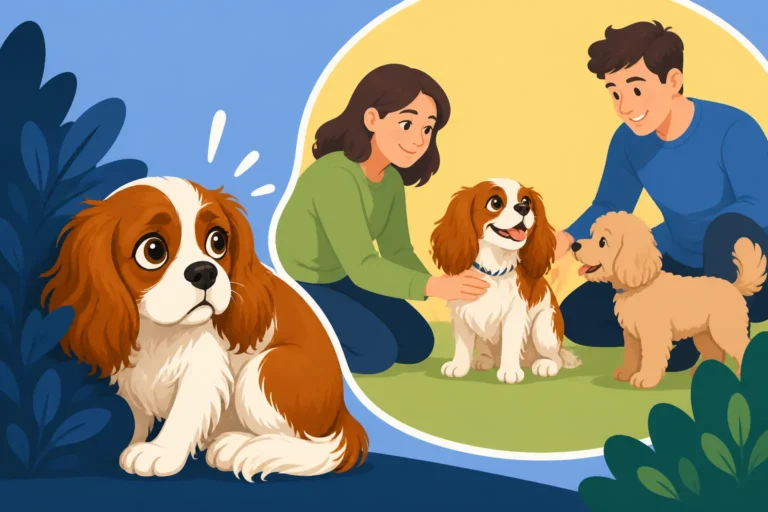
Many owners wonder if getting a second dog will alleviate their existing Cavalier's separation anxiety. While some dogs with milder anxiety might benefit from canine companionship, it's rarely a guaranteed fix for true separation anxiety. If the primary attachment is to you, another dog might not fill that specific void. In some cases, the second dog can even develop anxiety by observing the first dog's distress, or they might simply ignore the anxious dog's pleas. If you're considering a second dog, it should be for the right reasons – because you genuinely want another dog and can provide for both, and with the understanding that it might not resolve the existing issue. Always monitor how the two dogs interact during alone time, perhaps with a camera, to ensure the new dynamic is beneficial and not adding more stress. Whether Another Dog Fills the Gap for a Cavalier explores this further.
Professional Training Programs
Sometimes, navigating separation anxiety requires more structured support than you can provide alone. This is where professional trainers come in. Online training platforms, like those offered by BAXTER & Bella, can provide guided programs, resources, and community support specifically tailored to common behavioral issues. These resources often include step-by-step videos, expert advice, and personalized feedback that can be invaluable. The advantage of online programs is the flexibility, allowing you to work at your own pace from the comfort of your home, which is especially beneficial when dealing with a dog who struggles with being left. For more severe cases, however, an in-person certified professional dog trainer (CPDT) or a veterinary behaviorist might be necessary.
Addressing Common Setbacks and Plateaus
The journey to resolving separation anxiety is rarely a straight line. You'll likely encounter setbacks, plateaus, and moments of frustration. Understanding these challenges and having strategies to overcome them is crucial for long-term success.
Regression During Training
It's common for Cavaliers to experience periods of regression, even after making significant progress. This can happen for many reasons: a change in routine, a stressful event (like a trip to the vet or fireworks), or simply pushing them too quickly. When regression occurs, don't despair. It doesn't mean you've failed; it simply means you need to take a step back. Revisit the earlier, shorter durations of alone time where your Cavalier was consistently comfortable. Re-establish those foundational successes, and then slowly build up again. Think of it like physical therapy after an injury; sometimes you need to return to the basics to strengthen the weakened area. Patience and persistence are your greatest allies here.
Changes in Routine and Their Impact
Cavaliers are creatures of habit, and sudden changes to their routine can trigger anxiety, especially regarding alone time. A new work schedule, a vacation, a house guest, or even daylight saving time can disrupt their sense of predictability. When you anticipate a significant change, try to gradually introduce elements of the new routine ahead of time. For example, if your work hours are shifting, gradually adjust your departure and return times over several days or weeks. If you're going on vacation, ensure a trusted sitter understands your Cavalier's anxiety and can maintain as much consistency as possible. Communicate clearly with anyone caring for your dog about their needs and anxieties. Proactive planning can help mitigate the impact of unavoidable changes.
The Challenge of Gradual Escalation
The gradual escalation of alone time is the most effective method, but it's also incredibly challenging in a busy world. It requires you to make many short departures and returns throughout the day, often for seemingly trivial reasons, to build your Cavalier's confidence. This can feel impractical or even impossible for owners who work full-time or have demanding schedules. This is where the pet camera becomes even more vital, as it allows you to step out for a short period and immediately return if you see signs of distress, without having to physically be present to observe them. Enlist the help of family members or friends if possible, and be realistic about your own capacity. Sometimes, it means accepting that progress will be slower, but consistent progress, no matter how small, is still progress.
When to Seek Professional Help
While many owners can make progress on their own with consistent effort, some Cavaliers require professional intervention. Knowing when to reach out for expert guidance is a critical part of ensuring your dog gets the best possible support.
Medication for Cavalier Separation Anxiety
For severe cases of separation anxiety, behavioral modification alone might not be enough. If your Cavalier is causing significant self-harm, damaging your home extensively, or experiencing extreme levels of distress that make them unable to respond to training, your veterinarian might recommend anti-anxiety medication. These medications aren't a "cure-all" but can help to lower your dog's overall anxiety levels, making them more receptive to behavioral training. They effectively raise the threshold at which your Cavalier panics, giving them the mental space to learn new coping mechanisms. It's crucial that medication is always used in conjunction with a structured training program, never as a standalone solution. A veterinary behaviorist is often the best professional to consult for medication management, as they specialize in both pharmacological and behavioral interventions. Medication for Cavalier Separation Anxiety provides more specific information.
Specialized Trainers and Behaviorists
If you've diligently tried the at-home strategies and your Cavalier is still struggling, it's time to bring in the big guns: a certified professional dog trainer (CPDT) specializing in separation anxiety, or a veterinary behaviorist (DACVB). These professionals have advanced knowledge and experience in diagnosing and treating complex behavioral issues. A CPDT can guide you through a tailored training plan, providing hands-on support and helping you fine-tune your techniques. A veterinary behaviorist, who is a licensed veterinarian with specialized training in animal behavior, can offer a more comprehensive approach, including medical evaluation, pharmacological options, and complex behavior modification protocols. They can rule out any underlying medical conditions that might be contributing to the anxiety and create a holistic treatment plan. Don't feel like a failure for seeking help; you're doing what's best for your beloved companion.
Understanding the Role of Your Veterinarian
Your primary care veterinarian is always your first point of contact for any health or behavioral concerns. They can perform a thorough physical examination and run diagnostic tests to rule out any underlying medical conditions that might be causing or exacerbating your Cavalier's anxiety. For example, pain from conditions like Syringomyelia and Chiari Malformation in Cavaliers or even simple discomfort from an ear infection (see Cavalier Ear Infections and Why They Recur) could heighten a dog's general anxiety and make them less tolerant of being alone. Your vet can also discuss initial management strategies, recommend appropriate supplements, and refer you to a veterinary behaviorist if medication or a more in-depth assessment is needed. They are a crucial part of your support team in addressing this challenging issue.
Living With a Cavalier with Separation Anxiety
Managing separation anxiety in a Cavalier is often a long-term commitment, and for some, it might mean adapting your lifestyle significantly. It's about finding a balance between managing the anxiety and ensuring your dog lives a happy, fulfilling life.
Management Over Cure: Realistic Expectations
It's important to set realistic expectations. For some Cavaliers, particularly those with severe anxiety or a history of trauma, a complete "cure" might not be achievable. Instead, the goal often shifts to effective management – reducing the intensity and frequency of their panic attacks, increasing their tolerance for alone time to a manageable level, and improving their overall quality of life. This might mean continuing to implement management strategies, careful scheduling, and potentially long-term medication. Celebrate small victories and acknowledge that every bit of progress helps your Cavalier feel more secure. Don't beat yourself up if perfection isn't achieved; focus on incremental improvements and your dog's well-being.
Adjusting Your Lifestyle for Your Cavalier
Living with a Cavalier who struggles with alone time often requires significant lifestyle adjustments. This could mean working from home, arranging for dog walkers or pet sitters, taking your dog to work (if permitted), or utilizing dog daycare services. For dogs with severe anxiety, extended travel might become challenging, requiring careful planning for their care. You might find yourself rethinking social engagements or errands to minimize the time your Cavalier is left alone. While it can feel restrictive, many Cavalier owners embrace these changes, finding immense joy in the deep bond they share with their dog. Prioritizing your dog's emotional well-being ultimately enriches both your lives.
The Importance of Routine and Predictability
For an anxious Cavalier, routine and predictability are like a warm blanket. A consistent daily schedule – for meals, potty breaks, walks, playtime, and training sessions – helps to create a stable and predictable world. When your Cavalier knows what to expect, it reduces uncertainty, which is a major contributor to anxiety. Try to keep departure and arrival times as consistent as possible, and if you must deviate, try to make the changes gradual or provide extra comfort before and after the longer alone period. A predictable routine signals safety and security, reinforcing the message that even when you leave, things will eventually return to normal.
Long-Term Support and Quality of Life
Addressing separation anxiety is a marathon, not a sprint. It requires ongoing dedication and a willingness to adapt as your Cavalier ages or their needs change. Continue to engage with your veterinarian or behaviorist as needed, especially if you notice new signs of distress or if the old ones resurface. Focus on enriching your Cavalier's life when you are together, providing plenty of mental stimulation, physical activity, and loving companionship. Their quality of life extends beyond just being alone; it encompasses their entire daily experience. Remember that your love and commitment are the most powerful tools you have to help your sensitive Cavalier feel safe and cherished, whether you're right by their side or just a short absence away.
| Symptom Category | Signs of Mild Concern/Normal Behavior | Signs of Separation Anxiety/Panic |
|---|---|---|
| Vocalization | A few barks when doorbell rings; a brief whine at departure | Sustained howling, barking, or crying for extended periods after you leave |
| Destructive Behavior | Chewing an inappropriate item when bored (e.g., slipper) | Chewing doorframes, digging at carpets by exit points, destroying personal items |
| Elimination | Occasional accident due to lack of timely potty break (e.g., too long) | Urinating/defecating indoors only when left alone, despite being house-trained |
| Eating Habits | Eats treats or food left for them; might eat slowly | Refuses to eat high-value treats or food until you return |
| Body Language | Relaxed, perhaps sleepy after you leave; might greet happily upon return | Pacing, trembling, drooling, hyperventilating, intense focus on the door |
| Activity Level | Settles down to nap, plays with toys | Frantic attempts to escape, persistent pacing, attempts to follow you out |
| Interaction | Happy to see you, quickly calms down | Overly excited or frantic upon return, takes a long time to settle |
Disclaimer
This article is for general informational purposes only and does not constitute professional advice. Laws, prices and regulations vary by location and change over time. Consult a qualified professional for guidance on your specific situation.