Rewarding a Cavalier for Checking In
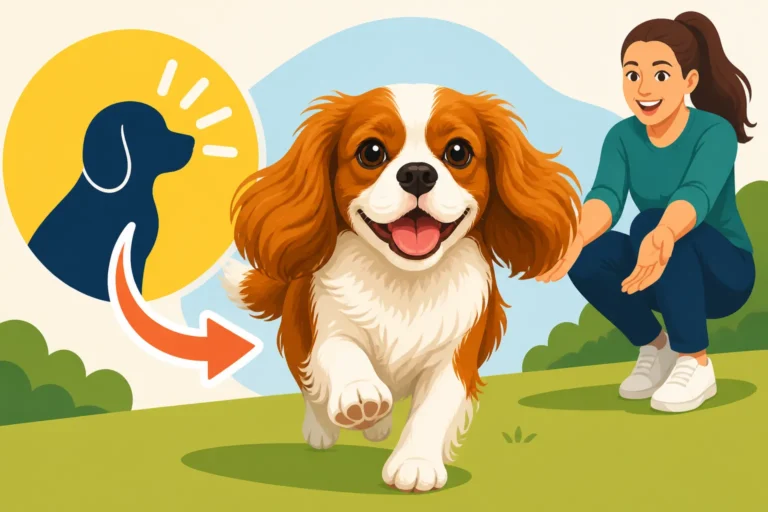
One of the most common frustrations for Cavalier King Charles Spaniel owners is feeling like their sweet, cuddly companion transforms into a miniature hunting dog the moment a squirrel or a captivating scent crosses their path. It’s disheartening to feel your Cavalier has completely forgotten you exist, dashing off after something with single-minded determination, leaving you calling their name to no avail. This guide is all about equipping you with the strategies to teach your Cavalier the invaluable skill of "checking in" with you during walks and adventures, fostering a deeper connection and ensuring their safety in a world full of distractions.
Understanding Why "Check-Ins" Are Crucial for Your Cavalier's Safety and Connection
It's easy to get frustrated when your Cavalier seems to have selective hearing on a walk, completely engrossed in sniffing a patch of grass or chasing a leaf. We often forget that beneath that gentle, lap-dog exterior lies a spaniel with a history rooted in flushing birds and following scents. This natural instinct is powerful, and in a busy world, it can put your beloved pet at risk. Teaching a reliable "check-in" isn't just about obedience; it's about building a language of communication and making sure your Cavalier chooses you as their focal point, even when tempting distractions abound.
The Cavalier's Instincts Versus the Modern World
Cavaliers, despite their small size and affectionate nature, are still spaniels at heart. Their ancestors were bred to work closely with hunters, flushing game from dense cover. This means they have an innate drive to explore with their noses, to follow interesting trails, and to react swiftly to movement – like a bird darting across the path or a rabbit disappearing into the bushes. In a quiet, rural setting, this might not pose much of an issue, but in an urban park or a bustling neighborhood, these instincts can become dangerous. A sudden dash into traffic, a surprise encounter with an off-leash dog, or simply getting disoriented and lost are all very real concerns for a Cavalier who is too absorbed in their environment to notice you. We need to remember that their world is full of rich smells and visual stimuli that are far more compelling than our sometimes-monotonous calls of their name. They aren't being disobedient out of spite; they're simply being dogs, following their genetic programming.
Why a Reliable Check-In is More Than Just Good Manners
Beyond the obvious safety aspects, a consistent check-in profoundly strengthens the bond you share with your Cavalier. Imagine walking through a busy park, and instead of pulling on the leash, your Cavalier glances back at you regularly, making eye contact, almost asking, "What's next?" This kind of engagement builds trust and makes walks a cooperative activity rather than a constant tug-of-war. It teaches them that you are the source of good things, the leader of the pack, and that paying attention to you brings rewards.
Furthermore, it’s a vital tool for preventing problematic behaviors before they escalate. If your Cavalier checks in, you have the opportunity to redirect their attention before they fixate on another dog, a person they might want to jump on, or something inappropriate they might try to eat. It creates a window for you to intervene positively, turning potential problems into moments of successful training. This isn't about crushing their spirit of exploration; it's about channeling it safely and constructively. A well-socialized Cavalier who knows how to check in is a confident Cavalier, better able to navigate the world with you as their guide. For more on their natural tendencies, you might find The Spaniel Instincts Left in a Cavalier helpful.
Laying the Foundation: Teaching Your Cavalier the Check-In Behavior
Teaching a reliable check-in is like building any strong habit: it starts with clear, consistent practice in easy environments and gradually progresses to more challenging ones. Think of it as teaching your Cavalier a new language where your presence and attention mean wonderful things are coming their way. This isn't about forcing them to look at you; it's about making them want to.
Starting in a Low-Distraction Environment
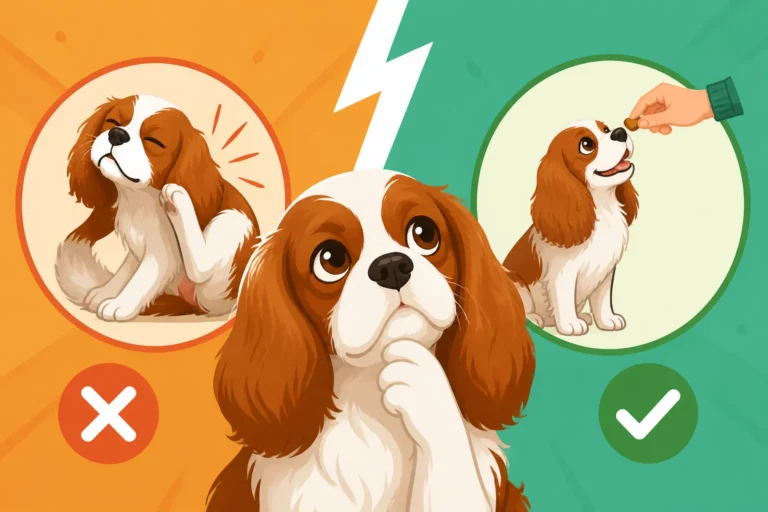
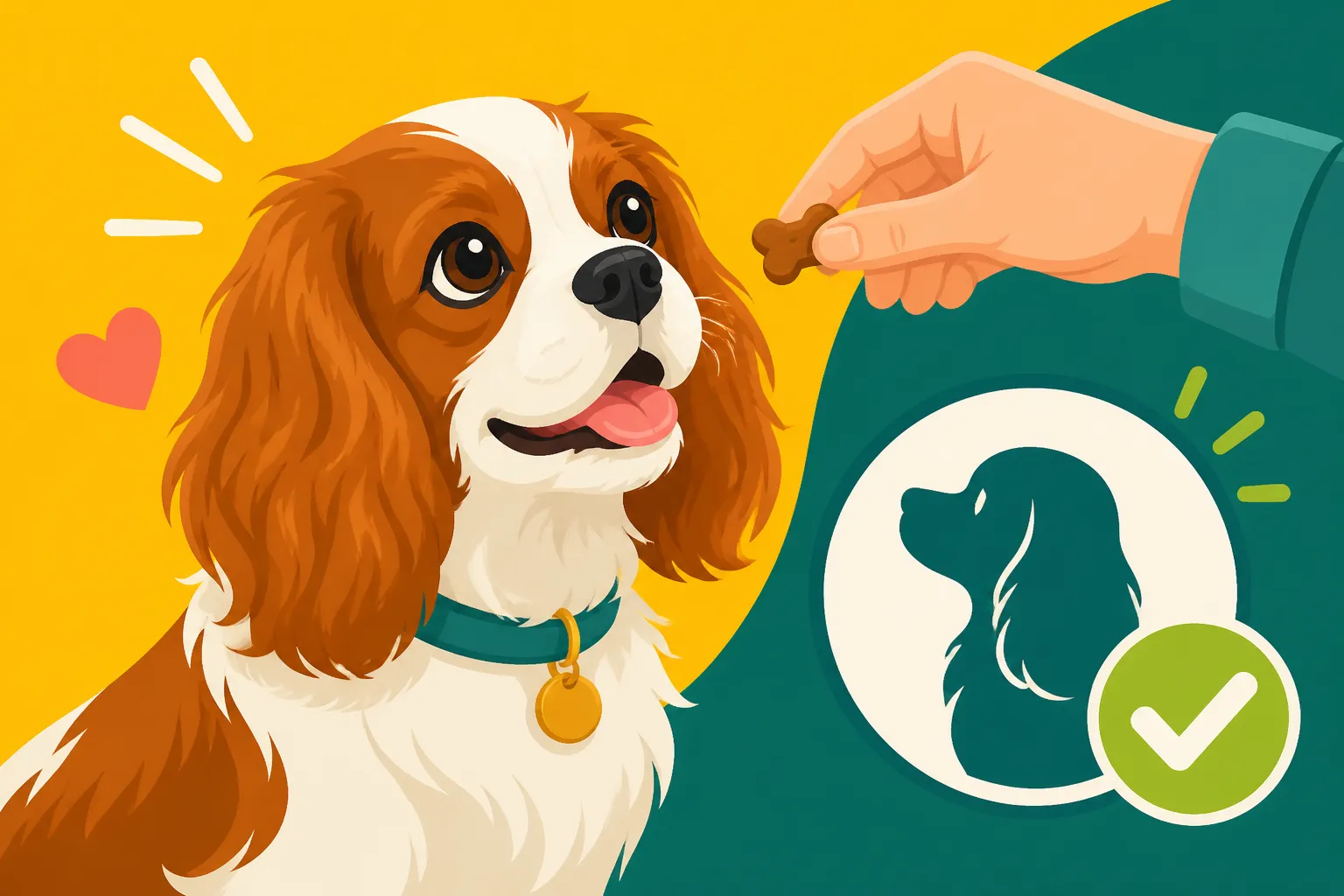
The very first step is to practice in a place where there are minimal distractions. This could be your living room, a quiet backyard, or an empty hallway. The goal is to make it incredibly easy for your Cavalier to succeed. Start by simply having your Cavalier on a leash, even if you’re indoors – this helps them associate the leash with training time. Walk a few steps, then stop. The moment your Cavalier looks at you, even a quick glance, mark that behavior with a verbal cue like "Yes!" or a clicker, and immediately deliver a high-value treat right to their nose. Don't wait for them to sit or offer any other behavior; you're rewarding the orientation to you.
Repeat this many times. Walk, stop, mark, treat. Walk, stop, mark, treat. If your Cavalier isn't looking at you, try making a soft, interesting sound – a little kissy noise or a whisper of their name – but avoid shouting or repeating commands. The moment their head turns, mark and reward. The key here is predictability: they learn that looking at you when you stop (or pause in your walk) is what earns them the good stuff. Keep these sessions short and sweet, just a few minutes at a time, so they remain fun and engaging. You're building a positive association.
Gradually Introducing Distractions
Once your Cavalier is reliably checking in in your quiet space, it's time to slowly add a bit more of the real world. This is where many owners get stuck, jumping from the living room straight to a busy dog park. That's too big a leap!
Here's a gradual progression:
- Your backyard with a few familiar sounds: Practice the same walk-stop-mark-treat routine.
- A quiet street or path during off-peak hours: Choose a time when there are very few people, cars, or other dogs.
- A park at dawn or dusk: When only a few other walkers are out.
- Increasingly busier locations.
At each new level of distraction, be prepared to step back in your expectations. If your Cavalier struggles, that means the environment is too stimulating, and you need to return to an easier setting for more practice. Always set them up for success. Keep your leash management smooth; don't yank or pull them to get their attention, as this can create negative associations. The idea is for them to choose to look at you, not be forced. A good harness that is comfortable and doesn't put pressure on their delicate neck can be very helpful here, as can a longer lead (like a 10-foot leash) available on Amazon for practicing in open but safe areas, allowing them a bit more freedom while still maintaining control. For more on leash manners, consider Leash Manners for a Cavalier That Pulls.
Making Yourself the Most Interesting Thing
This is perhaps the biggest secret to a successful check-in. In a world of exciting smells, sights, and sounds, how do you compete? You do it by becoming the ultimate source of fun, connection, and deliciousness.
- Be animated: Use a happy, inviting tone when you mark and reward. Get down to their level if you can.
- Surprise them: Don't always wait for them to look. Sometimes, just randomly say "Yes!" and give them a treat when they're simply walking nicely beside you. This makes them realize that paying attention to you can bring unexpected goodies, keeping them engaged.
- Play games: Incorporate short, fun games into your walks. A quick game of "find the treat" in the grass (after a check-in!), or a happy praise party can instantly reset their focus on you.
- High-value treats: This cannot be stressed enough. The treats you use for check-ins need to be amazing. Think tiny pieces of cooked chicken, cheese, or specialized training treats that are soft and smelly. Kibble won't cut it when a squirrel is teasing them from a tree. For a deeper dive into what motivates your Cavalier, you might explore Whether a Cavalier Works Better for Toys or Food.
- Your body language: Keep your body open and inviting. Avoid staring or looming over your Cavalier, which can be intimidating. A slight crouch or turning sideways can invite them to approach.
The goal is to cultivate a feeling in your Cavalier that "Mom/Dad is the best thing ever, always has treats, and is super fun to hang out with!" This positive reinforcement creates a dog who wants to be with you and wants to check in.
The Art of Rewarding: Maximizing Motivation for Consistent Check-Ins
Rewarding your Cavalier effectively is far more than just handing over a treat. It's an art form that involves understanding what truly motivates your dog, impeccable timing, and keeping things fresh so the behavior remains exciting and reinforced. Without a thoughtful approach to rewards, even the best-intended training can fall flat.
Choosing High-Value Rewards Your Cavalier Loves
Not all rewards are created equal, especially when you're competing with the allure of the great outdoors. What might excite your Cavalier in a quiet house (like a piece of their regular kibble) will likely be completely ignored when they're catching a fascinating new scent or spotting another dog.
You need to identify what your individual Cavalier considers "high-value." For many Cavaliers, this means:
- Small, soft, smelly food items: Think tiny bits of cooked chicken, roasted beef, cheese, hot dogs, or commercially prepared high-value training treats. These are quick to eat, don't fill them up too much, and their aroma immediately grabs attention.
- Favorite toys: If your Cavalier is highly toy-motivated, a quick tug or toss of a favorite small squeaky toy (that you carry specifically for training) can be a fantastic reward. The interaction with you, centered around the toy, is the key.
- Enthusiastic praise and petting: While not always enough on their own for high-distraction environments, a happy "Good boy!" or a gentle scratch behind the ears can amplify the value of a food reward, especially for a breed as affectionate as the Cavalier.
Experiment to find what gets the most excited response from your dog. Keep a rotation of high-value treats so they don't get bored. You can find a wide variety of suitable training treats on Amazon, and many dog training platforms like BAXTER & Bella emphasize using these types of rewards for optimal results.
Timing and Delivery: Why When and How You Reward Matters
The timing of your reward is absolutely critical. Your Cavalier needs to connect the reward directly to the specific behavior you want to reinforce – in this case, the moment they look at you or physically check in.
- Immediate delivery: The moment your Cavalier makes eye contact or turns their head towards you, mark the behavior ("Yes!" or click) and immediately deliver the treat. We're talking within 1-2 seconds. Any delay, and your Cavalier might associate the reward with something else they were doing (like sniffing the ground after they looked at you) and the lesson gets muddled.
- Hand-to-mouth delivery: Bring the treat directly to their nose. This helps them stay engaged with you and reinforces that good things come from your direction. Avoid tossing treats away from you, especially in early training, as it encourages them to look away.
- Body language: When you deliver the treat, maintain a friendly, inviting posture. Smile, lower your body slightly if appropriate, and keep your interactions positive. This enhances the overall experience of the reward.
Imagine you're having a conversation with your Cavalier, and the check-in is their way of saying, "I'm listening!" Your reward is your enthusiastic "Great job! Here's a thank you!"
Varying Rewards to Keep Things Exciting
If every check-in gets the exact same tiny piece of chicken delivered in the exact same way, it can become predictable and lose its power. To keep your Cavalier motivated and engaged, you need to introduce an element of surprise and variety. This is often called "variable reinforcement" and it's incredibly powerful.
- Different types of treats: Rotate through your Cavalier's favorite high-value treats. One day it might be chicken, the next cheese, the next a special training treat.
- Different reward values: Sometimes a check-in earns a small, quick treat. Other times, it might earn a jackpot – several treats in a row, or a slightly larger piece. This keeps them guessing and makes them more eager to try, hoping for the "big win."
- Environmental rewards: After a solid check-in, sometimes the reward isn't food, but permission to do something they want. For instance, "Good check-in! Go sniff!" and then allowing them to explore a particularly interesting patch of grass for a few seconds. This teaches them that listening to you can lead to getting what they want, not just what you offer.
- Play as a reward: For very enthusiastic Cavaliers, a quick game of tug or a short burst of chase (if appropriate for the environment and safe) can be an incredible reward. This interactive play deepens your bond and makes checking in even more appealing.
By varying your rewards, you create an anticipation that encourages your Cavalier to offer the check-in behavior more frequently and enthusiastically, always wondering what wonderful thing they might get this time.
Here's a quick comparison of reward types:
| Reward Type | Description | Best For | Pros | Cons |
|---|---|---|---|---|
| High-Value Food | Small, soft, smelly treats (chicken, cheese, liver treats, specialized training treats). | Early training, high-distraction environments, dogs with strong food drive. | Quick to deliver, universally appealing, highly motivating. | Can lead to weight gain if not portioned, requires carrying treats, some dogs picky. |
| Favorite Toy | Small, durable toy that can be quickly produced for a short game of tug or fetch. | Dogs with strong prey drive, toy-motivated individuals, interactive play enhances bond. | Engages instinctual drives, doesn't add calories, highly reinforcing. | Not all dogs are toy motivated, can be distracting if not managed, need to carry. |
| Praise/Affection | Enthusiastic verbal praise ("Good dog!"), gentle petting, cheerful tone of voice. | Reinforcing other rewards, maintaining positive interaction, calm environments. | Always available, strengthens bond, no cost. | Less effective alone in high-distraction settings, can overstimulate some dogs. |
| Environmental | Granting access to something the dog desires (e.g., "Go sniff!", permission to greet a friendly dog). | Advanced training, when dog is choosing between you and a mild distraction. | Teaches impulse control, uses natural motivators, no cost. | Requires careful timing, can be misused, not suitable for all situations. |
Troubleshooting Common Check-In Challenges
Even with the best intentions and consistent training, you might run into bumps in the road. Cavaliers can be incredibly smart and sometimes a little stubborn when their instincts kick in. Don't get discouraged! Understanding common challenges and having strategies to address them will help you refine your training and keep your Cavalier on the right track. Remember, training is a journey, not a destination.
When Your Cavalier "Forgets" How to Check In
It’s completely normal for a Cavalier to seem to "forget" their training, especially when they encounter a novel or highly exciting distraction. This isn't a sign they're being stubborn or defiant; it usually means that the current environment is simply too much for them, and you've progressed too quickly.
- Go back to basics: If your Cavalier stops checking in reliably, don't get frustrated. Simply dial back the distractions. Return to a quieter environment where they were previously successful. Revisit the walk-stop-mark-treat routine, making it super easy for them to earn rewards. This rebuilds their confidence and reinforces the behavior in their mind.
- Increase reward value: Is the distraction level really high? Then your reward needs to be even higher. If you were using cheese, switch to cooked chicken liver. If you were using plain chicken, try something even more novel or fragrant.
- Shorten the distance: If you’re practicing with a long line, bring them in closer to you. A shorter lead helps manage their environment and makes it easier for them to focus. Practicing in a secure, enclosed space with a longer leash, such as those discussed in Long Line Practice for a Cavalier, can be a good intermediate step.
- Don't call their name repeatedly: If your Cavalier isn't responding, repeating their name just teaches them to ignore it. Instead, try making a different, novel sound (a whistle, a kissy noise, tapping your leg) to re-engage them, and then mark and reward if they look.
Patience is key here. Every time they "forget," it's a learning opportunity for you to adjust your approach and environment.
Dealing With High-Distraction Environments
Busy city streets, crowded parks, or areas with lots of wildlife can be overwhelming for a Cavalier, even one with a good check-in foundation. It requires specific strategies to manage and continue training.
- Management first, training second: In extremely high-distraction areas, your first priority is always safety and management. This means using a reliable leash and harness, being extra vigilant, and sometimes simply avoiding situations that are too much for your Cavalier right now. It's okay to put training on hold in these moments and just focus on getting through safely.
- Create distance: If you see a major distraction ahead (another dog, a group of people, a squirrel convention), increase the distance between your Cavalier and the distraction. Cross the street, turn around, or give a wide berth. Practicing "look at that" (where you point out a distraction, your Cavalier looks at it, then looks at you for a treat) can turn potential problems into training opportunities.
- Structured walks: Instead of aimless meandering, incorporate more structure into your walks in busy areas. Alternate between periods of focused heel work (where they are actively checking in) and periods of sniff breaks. This gives their brain a workout and helps them understand when they need to be more attentive.
- Utilize a familiar "reset" routine: Teach your Cavalier a simple, reliable cue that means "re-engage with me." This could be a touch target on your hand, a quick spin, or a sit. Practice this cue diligently in low-distraction environments until it's automatic. Then, when your Cavalier is getting overwhelmed in a busy area, you can use this familiar cue to bring their focus back to you, even for a moment, to get that precious check-in.
- Consider professional guidance: If you're consistently struggling, don't hesitate to reach out to a certified professional dog trainer. They can observe your interactions, offer tailored advice, and provide structured classes or one-on-one sessions that specifically address your Cavalier's challenges in high-distraction settings. For some advanced training ideas, Cavaliers in Agility, Rally and Scent Work showcases the capabilities of the breed.
Remember, the goal isn't to eliminate all distractions, but to teach your Cavalier how to navigate them while remaining connected to you. With patience, persistence, and plenty of high-value rewards, your Cavalier will learn that checking in with you is always the best choice.
Ultimately, teaching your Cavalier King Charles Spaniel to check in is one of the most rewarding training endeavors you can undertake. It transforms walks from a potential battle against distractions into a cooperative adventure, strengthening the unspoken bond you share. By consistently rewarding their attention with high-value treats and praise, gradually increasing distractions, and understanding their unique spaniel instincts, you'll foster a Cavalier who actively chooses to engage with you, making both of your lives safer and more joyful.
Disclaimer
This article is for general informational purposes only and does not constitute professional advice. Laws, prices and regulations vary by location and change over time. Consult a qualified professional for guidance on your specific situation.