Whistling and Whining in a Cavalier
That soft little whistle or persistent whine from your Cavalier can be incredibly endearing at times, tugging at your heartstrings and making you want to fulfill their every unspoken desire. But it can also be a source of frustration, especially when it becomes constant, demanding, or signals something is truly amiss. This guide is here to help you decipher your Cavalier's unique vocalizations, understand why they might be whistling or whining, and offer practical, empathetic strategies to address these behaviors effectively.
Understanding the Cavalier's Vocal Repertoire
Cavalier King Charles Spaniels are renowned for their gentle nature and their desire to be close to their human companions. While they aren't typically known for being excessively vocal in the way some breeds are, they certainly have a repertoire of sounds, and the "whistle" and "whine" are two that many owners encounter. These aren't just random noises; they're forms of communication, even if sometimes we wish they'd use their words (or paws) instead!
The "Whistle" – More Than Just a Sound
When we talk about a Cavalier "whistling," we're rarely talking about a clear, melodious human-like whistle. Instead, it's often a soft, high-pitched nasal sound, sometimes almost like a subtle snort, a quiet squeak, or a gentle puff of air mixed with a vocalization. It's often so understated that you might miss it if you weren't tuned into your dog's nuances.
This particular sound usually crops up during moments of mild excitement, anticipation, or even a low level of frustration or desire. Imagine the scene: you're just starting to prepare their dinner, and your Cavalier is sitting by your feet, intently watching your every move. You might hear that soft, breathy "whistle" as they shift their weight, a little internal monologue escaping, expressing their profound hope and eagerness. Or perhaps you've just picked up the leash for a walk, and they're vibrating with suppressed energy, letting out a little nasal "wheeze" of pure anticipation. It’s their way of saying, "Oh my goodness, oh my goodness, is it happening?!"
These subtle vocalizations are a testament to the Cavalier's sensitive and communicative nature. They don't always need grand barks to express themselves. Their body language, their eyes, and these quiet sounds often convey a great deal about their emotional state. It’s like they’re having a little conversation with themselves (or with the universe) about the exciting possibilities unfolding around them.
The Whine – A Clear Call for Attention
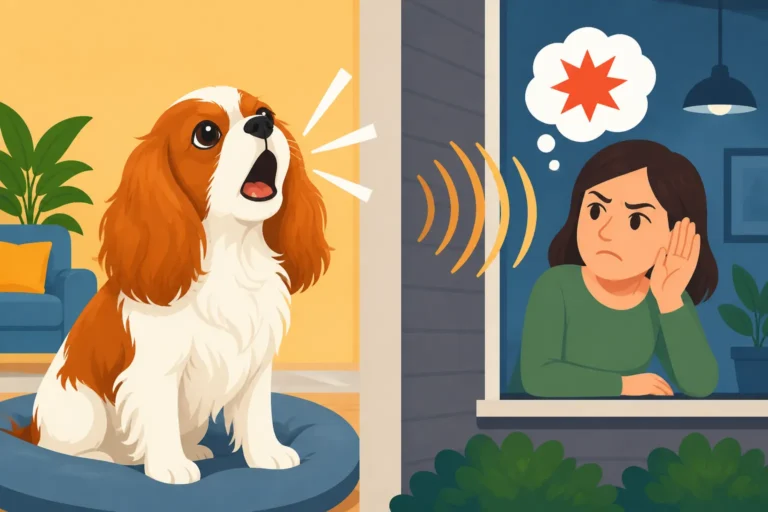
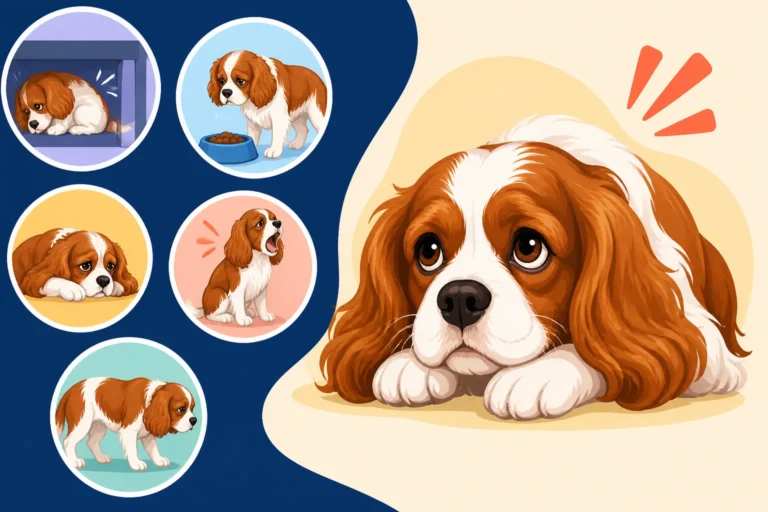
The whine, on the other hand, is a much more overt and varied vocalization. It can range from a soft, almost imperceptible murmur that requires you to be very close to hear, to a loud, drawn-out, almost mournful plea that can carry through the house. The context and accompanying body language are key to understanding what your Cavalier is trying to tell you with a whine.
You might notice different types of whines depending on the situation:
- The Demand Whine: This is often the most common and, frankly, the most frustrating for owners. It's usually accompanied by direct eye contact, perhaps a pawing motion, or nudging. It's your Cavalier saying, "Hey! I want something, and I want it now!" This could be for food, to go outside, to be picked up, or simply for attention.
- The Anxiety Whine: This whine is typically softer, sometimes trembling, and often paired with other signs of anxiety like pacing, panting, restlessness, or lip-licking. This might occur when they're in a new environment, around unfamiliar people or dogs, or, very commonly in Cavaliers, when left alone.
- The Excitement Whine: Similar to the whistle, but often louder and more sustained, this whine happens during intense moments of joy or anticipation. Think about when you walk through the door after a long day, and your Cavalier greets you with a full-body wiggle and a series of happy, high-pitched whines.
- The Discomfort Whine: This can be a subtle but critical signal. If your Cavalier is whining out of physical discomfort or pain, it might be paired with unusual postures, reluctance to move, guarding a particular body part, or a general air of unease.
Cavaliers are famously known as "Velcro dogs" due to their strong desire for constant companionship and physical closeness with their human family. Why Cavaliers Are Called Velcro Dogs. This deep attachment, while one of their most endearing qualities, also means they are highly attuned to your presence and absence. This strong bond can significantly amplify their vocal behaviors, particularly whining, as they are almost constantly seeking connection and interaction. They're not being manipulative; they're simply expressing their innate need to be with you.
Common Reasons Your Cavalier Whistles or Whines
Understanding the different sounds is just the first step. The real challenge comes in figuring out why your specific Cavalier is choosing to be vocal at any given moment. It could be a straightforward request or a deeper emotional or physical signal.
Seeking Attention and Communicating Needs
For many Cavaliers, vocalizations like whining (and sometimes even the subtle whistle) become learned behaviors because they’ve proven to be incredibly effective. We, as loving owners, often unintentionally reinforce these behaviors. Imagine your Cavalier nudges your hand, then lets out a small whine. If you immediately respond by looking at them, petting them, or giving them a treat, they quickly learn: "Aha! Whining works!"
These vocalizations can be your Cavalier’s primary way of trying to communicate a variety of needs or desires:
- Potty Breaks: "I need to go outside now!" This is one of the most common and legitimate reasons for a whine.
- Hunger or Thirst: "My bowl is empty!" or "Where's my breakfast?"
- Playtime: "I'm bored! Let's play!"
- Cuddles and Affection: "Pick me up! Pet me! I need to be close to you!"
- Boredom: A Cavalier who isn't sufficiently mentally or physically stimulated might resort to whining to get attention, simply because they have nothing else to do.
It’s easy to fall into the trap of rewarding these behaviors, especially when they’re so cute and seemingly harmless. That soft whine for an extra treat, or the little plea to be picked up, can be incredibly hard to resist. But before you know it, your Cavalier has perfectly connected the dots: whine = desired outcome. The trick is to teach them alternative, more polite ways to communicate, or to only respond to quiet behavior.
Anxiety, Excitement, and Overstimulation
Beyond simple requests, many Cavalier vocalizations stem from their emotional state, particularly anxiety or heightened excitement. Given their sensitive and companion-oriented nature, these are very common triggers.
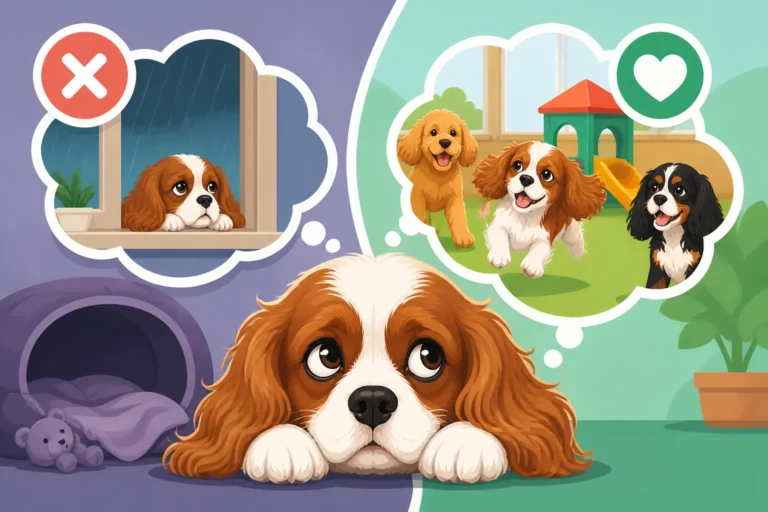
- Separation Anxiety: This is a significant issue for many Cavaliers. Their profound attachment to their people means they can experience intense distress when left alone, even for short periods. Whining is a hallmark symptom of separation anxiety, often accompanied by other behaviors like destructive chewing, pacing, panting, trembling, or house-soiling. It’s heartbreaking to witness your beloved companion in such a state. If your Cavalier howls the moment you leave or chews doorframes when alone, it's a strong indicator. Living With a Cavalier That Panics When Alone. This isn't them being naughty; it's genuine panic.
- Excitement: While separation anxiety is distressing, excitement can also lead to increased vocalization. Think about the arrival of beloved visitors, the thrilling moment you prepare for a car ride, or seeing another dog at the park. Your Cavalier might emit happy whines, little barks, and those characteristic whistles as they bounce with joy. This type of vocalization isn't necessarily a "problem," but if it becomes constant or overwhelming, it can indicate that your dog struggles to regulate their emotions.
- Overstimulation: Cavaliers, despite their generally robust and adaptable nature, can become overstimulated in busy or noisy environments. A crowded dog park, a loud family gathering, or even a sudden change in their daily routine can push a sensitive Cavalier past their comfort threshold. The resulting stress or overwhelm might manifest as persistent whining, as they essentially ask for a quiet space or a way to escape the sensory overload. They might be trying to tell you, "This is too much for me right now!"
Discomfort, Pain, or Medical Issues
Perhaps the most critical reason to pay close attention to new or increased whistling and whining is the possibility of underlying discomfort, pain, or a medical condition. Cavaliers, like all dogs, can't tell us directly when something hurts, so a change in their vocal patterns can be a vital clue.
It is absolutely crucial to rule out any physical ailment first, especially if the vocalization is new, sudden, persistent, or accompanied by other behavioral changes. Never dismiss a sudden increase in whining or a new "whistle" as just "being dramatic."
Consider these possibilities:
- Urinary Tract Issues: If your Cavalier is whining more frequently to go outside, struggling to urinate, or having accidents indoors, a urinary tract infection or other bladder issue could be the culprit. The discomfort and urgency lead to vocal pleas.
- Joint Pain or Arthritis: As Cavaliers age, or even if they have underlying conditions like patellar luxation or hip dysplasia, they can experience joint pain. They might whine when getting up, lying down, going up or down stairs (A Cavalier That Refuses Stairs), or after exercise. This is especially true for older Cavaliers.
- Dental Disease: Cavaliers are prone to dental problems due to their crowded jaws. Cavalier Dental Disease in a Crowded Jaw. Pain from infected gums, loose teeth, or other oral issues can cause them to whine, particularly during or after eating.
- Ear Infections: Cavaliers have those beautiful, long drop ears which, unfortunately, can trap moisture and debris, making them prone to ear infections. Cavalier Ear Infections and Why They Recur. The itching, pain, and discomfort from an infection can lead to head shaking, pawing at the ears, and persistent whining.
- Neurological Conditions: Cavaliers are genetically predisposed to certain neurological conditions, most notably Syringomyelia (SM). This condition involves fluid-filled cavities within the spinal cord, often caused by the brain being too large for the skull (Chiari-like malformation). SM can cause chronic, severe pain, itching, and neurological deficits. A Cavalier experiencing SM pain might whine subtly, yelp when picked up (A Cavalier That Yelps When Picked Up), show changes in posture, become restless, or exhibit "phantom scratching." If your Cavalier is showing these signs, it's essential to consult your vet. The Age Cavalier Syringomyelia Signs Begin.
Anytime you notice a sudden, inexplicable change in your Cavalier's vocal habits, particularly if it's accompanied by other concerning symptoms, a visit to the veterinarian should be your very first step. It's always better to be safe and rule out a medical cause.
Strategies to Address Whistling and Whining
Once you've ruled out any underlying medical issues, you can begin to implement strategies to manage and reduce unwanted whistling and whining. The key is consistency, patience, and a deep understanding of your Cavalier's motivations.
Reinforcing Calmness and Ignoring Unwanted Vocalizations
One of the most powerful tools in your training arsenal is often the hardest to implement: ignoring the unwanted behavior. When your Cavalier whines for attention, food, or play, the goal is to not give them what they want while they are vocalizing.
- The Power of Ignoring: This means no eye contact, no talking, no touching, and no giving in to their demands until they are quiet. Turn your back, walk away, or even leave the room if necessary. Even a sigh or a glance can be interpreted as reinforcement. It’s tough love, especially when they look so pitiful, but it's incredibly effective because it breaks the link between the vocalization and the desired outcome. Be prepared for an "extinction burst," where the behavior might get worse before it gets better, as they try harder to get your attention before giving up.
- Rewarding Silence: The flip side of ignoring is actively rewarding calm, quiet behavior. When your Cavalier is lying quietly on their bed, chewing a toy, or simply relaxing, approach them and offer gentle praise or a small, unexpected treat. This teaches them that being quiet is the way to earn positive attention, not making noise.
- "Settle" or "Place" Command: Teach your Cavalier a "settle" or "place" command, where they learn to go to a designated spot (like their bed or a mat) and relax. Start by rewarding them for simply being on the mat, then gradually extend the time they need to stay there calmly. This gives them a positive outlet for their energy and teaches them to be calm on cue.
- Management Tools: Sometimes, managing the environment can prevent whining before it starts. If your Cavalier whines while you're cooking dinner, consider putting them in a comfortable crate or a designated pen with a long-lasting chew toy. This prevents them from practicing the unwanted behavior and gives you a break. Ensure their crate or pen is a positive, safe space, not a punishment.
| Vocalization Type | Potential Meaning | Management Strategy | When to See Vet/Trainer |
|---|---|---|---|
| Soft Whistle (Nasal) | Excitement, mild anticipation, internal thought | Ignore if unwanted, redirect to a calm activity (e.g., a chew toy). | If persistent and new, or accompanied by other concerning symptoms. |
| Demand Whine | Wanting attention, food, play, potty break | Ignore until quiet, then fulfill known and appropriate need. Reward silence. | If ignoring doesn't work, escalates, or if you suspect it's extreme attention-seeking. |
| Anxiety Whine | Separation distress, fear, overstimulation, need for comfort | Gradual desensitization, enrichment, provide a safe, calm space. | Persistent, destructive anxiety needs professional help. |
| Pain/Discomfort Whine | Injury, illness, chronic pain | Immediate veterinary visit. Do not delay. | Always, if pain or medical issue is suspected. |
Managing Triggers and Enrichment
Addressing the root causes of whistling and whining often involves more than just ignoring the sound; it requires proactive management of their environment and emotional needs.
- Anxiety Management: For Cavaliers prone to anxiety, especially separation anxiety, a structured approach is vital. Start by desensitizing them to your "leaving cues" (like grabbing keys or putting on your shoes) by doing these actions without actually leaving. Then, practice very short departures, gradually increasing the time you're away, always returning before they become distressed. This builds their tolerance. Providing engaging activities specifically for when you're gone, like a frozen KONG filled with peanut butter, can help create a positive association with your absence. Building a Cavalier's Tolerance for Being Left. You can find excellent puzzle toys and enrichment feeders on Amazon that can keep their minds busy and distract them from your departure.
- Enrichment is Key: A bored Cavalier is often a vocal Cavalier. Mental stimulation is just as important as physical exercise. Engage their minds with:
- Sniff Walks: Instead of just brisk walks, allow your Cavalier ample time to sniff and explore their environment. This is mentally exhausting and satisfying for dogs.
- Puzzle Toys: Toys that dispense treats or kibble when manipulated can keep them engaged. Look for various options on Amazon to keep things fresh.
- Short Training Sessions: Even just 5-10 minutes of positive reinforcement training each day (Training a Cavalier With Praise Rather Than Pressure) can tire them out mentally. Teach new tricks, practice manners, or try scent work.
- Interactive Play: Tug, fetch, or hide-and-seek can be great ways to bond and burn energy.
- Appropriate Exercise: Ensure your Cavalier gets enough physical activity for their age and health status. Two to three shorter walks daily, combined with some playtime, are usually sufficient. A physically tired Cavalier is often a quiet and contented Cavalier. However, always be mindful of their health, especially if they have conditions like heart murmurs; consult your vet about appropriate exercise levels. A Cavalier That Tires on Short Walks.
- Calming Aids: In conjunction with behavioral strategies, some owners find calming aids helpful. Products like Adaptil pheromone diffusers or collars, calming treats, or supplements containing ingredients like L-theanine or Zylkene can help take the edge off anxiety. Always discuss any supplements with your veterinarian before introducing them to your Cavalier. These types of products are widely available on platforms like Amazon.
Seeking Professional Guidance
While many instances of whistling and whining can be managed with consistent at-home strategies, there are times when professional guidance is absolutely necessary.
- When to Consult a Veterinarian: As mentioned earlier, any sudden, new, or unexplained vocalization should prompt a vet visit. This is especially true if it's accompanied by other symptoms like lethargy, changes in appetite or thirst, limping, restlessness, difficulty moving, or changes in potty habits. A veterinarian can rule out pain, illness, or underlying medical conditions that might be causing discomfort and leading to your Cavalier's vocal distress.
- When to Consult a Certified Professional Dog Trainer or Behaviorist: If you're struggling with persistent demand whining that isn't responding to your efforts, severe separation anxiety, or if the vocalizations seem rooted in fear or aggression, it's time to bring in a professional. A certified dog trainer can help you implement positive reinforcement strategies and teach your Cavalier alternative behaviors. For more complex behavioral issues, especially those involving intense anxiety, a veterinary behaviorist (a veterinarian with specialized training in animal behavior) might be recommended. They can diagnose underlying behavioral conditions and, if appropriate, discuss medication as part of a comprehensive treatment plan. Medication for Cavalier Separation Anxiety.
- Online Resources: Reputable online platforms can also be a fantastic source of structured training and support. Programs like those offered by BAXTER & Bella provide step-by-step guidance, live virtual classes, and access to trainers who can offer personalized advice on a variety of behavioral challenges, including excessive vocalization. These resources can be particularly helpful for owners who need flexibility or who prefer to work on training from the comfort of their own home.
Conclusion
Hearing your Cavalier whistle or whine is a common experience for many owners, but it doesn't have to be a mystery or a constant source of frustration. By taking the time to understand the nuances of their vocalizations, consider the underlying reasons—whether it's a plea for attention, a sign of excitement, or a signal of discomfort—you can begin to respond in a way that truly meets their needs. With consistent training, environmental management, ample enrichment, and a willingness to seek professional help when needed, you can help your beloved Cavalier communicate in healthier, less disruptive ways, strengthening the incredible bond you already share.
Disclaimer
This article is for general informational purposes only and does not constitute professional advice. Laws, prices and regulations vary by location and change over time. Consult a qualified professional for guidance on your specific situation.