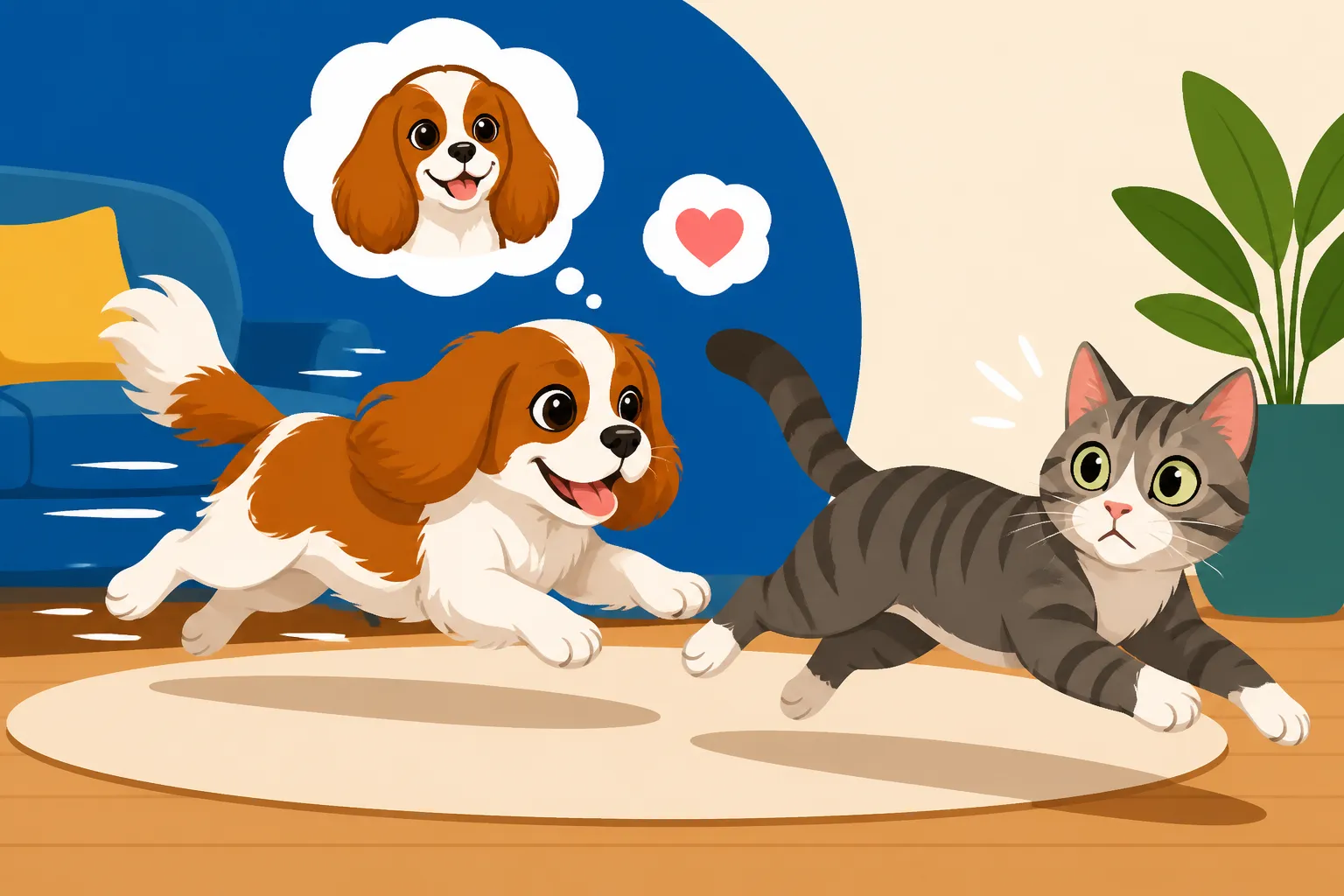
Whether a Cavalier Chases the Household Cat
Bringing a new Cavalier King Charles Spaniel into a home that already has a feline resident can spark anxiety in any pet parent. You might be picturing endless chases, stressed-out cats, and a generally chaotic household. This guide will delve into the Cavalier's natural tendencies, explore the influences on their interactions with cats, and offer practical strategies for fostering a peaceful, multi-species home.
Understanding the Cavalier's Natural Instincts
It's natural to wonder if your sweet-faced Cavalier, with their gentle reputation, harbors any hidden urges that might make them incompatible with your household cat. The truth is, while Cavaliers are renowned for their loving, companionable nature, their history as spaniels does mean they carry certain instincts that are important to acknowledge.
The Spaniel Instincts in a Cavalier
Before they were the lap-loving companions we adore today, the ancestors of the Cavalier King Charles Spaniel were working dogs, specifically bred for flushing birds and small game from cover. They were part of a hunting team, bred to spot, pursue, and alert their human partners to quarry. While centuries of selective breeding have softened these traits, making them more suitable for palace life and cozy homes, the foundational instincts remain in varying degrees within each Cavalier. It's not about being aggressive; it's about a hardwired response to movement.
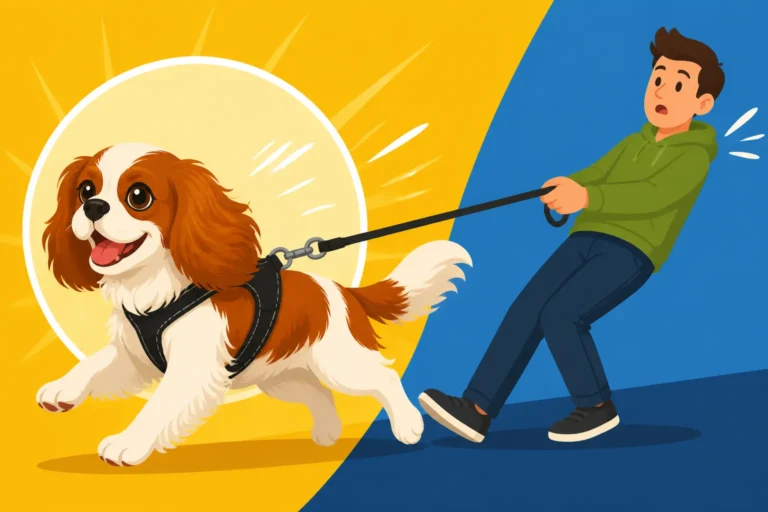
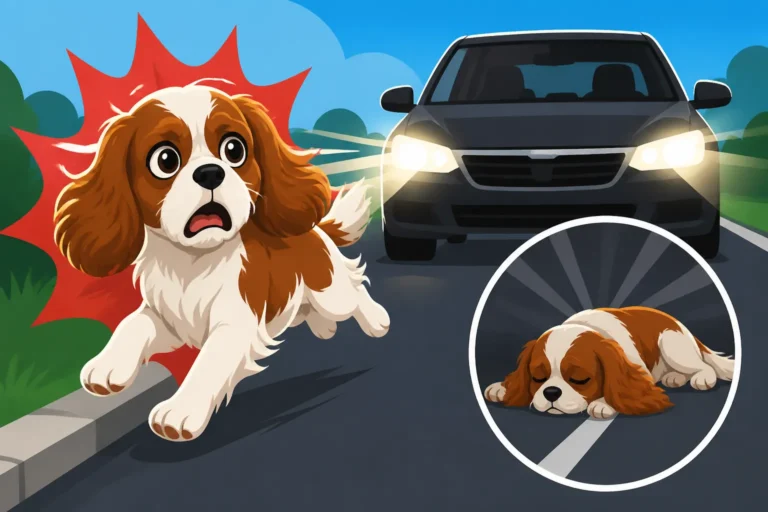
Imagine a sudden flash of movement, like a cat darting across the living room. For some Cavaliers, this can trigger that ancient spaniel instinct: something moved, I must investigate! This isn't necessarily malicious or predatory; often, it's simply a strong curiosity or a desire to engage in a playful chase. A young, energetic Cavalier puppy, in particular, might see a quick-moving cat as the ultimate playmate, a living toy designed for a good game of tag. This inherent drive is why simply saying "no" might not be enough; you need to understand the root of the behavior. For more on their natural inclinations, you might want to read The Spaniel Instincts Left in a Cavalier.
Why Size Doesn't Always Dictate Behavior
It's a common misconception that because Cavaliers are relatively small dogs, they won't pose a "threat" to a cat. However, when it comes to the chase instinct, size often takes a backseat to enthusiasm and drive. A tiny Cavalier can have just as strong a desire to chase as a larger breed, even if their physical capabilities are different. The issue isn't always about physical harm, but about the mental and emotional stress it can cause your feline companion.
A cat being relentlessly pursued, even by a small, playful dog, can become incredibly stressed, leading to behavioral issues like inappropriate urination, hiding, or even aggression towards the dog or humans. While a Cavalier is unlikely to seriously injure an adult cat in a chase, the constant harassment can make the cat's life a misery. Think about a persistent toddler constantly poking you; it might not hurt, but it's incredibly annoying and stressful. A Cavalier's persistence, fueled by their spaniel curiosity, can be just as impactful on a cat's well-being. It's vital to remember that a successful multi-pet household is one where all residents feel safe and comfortable.
Factors Shaping Cavalier-Cat Relationships
The dynamic between a Cavalier and a household cat isn't a one-size-fits-all situation. Several key factors play a significant role in determining whether they'll become the best of friends, tolerate each other, or engage in a perpetual game of cat-and-mouse. Understanding these influences can help you proactively manage their interactions.
Puppyhood Socialization and Early Experiences
The most critical factor in a Cavalier's acceptance of a cat often comes down to their early life experiences. A Cavalier puppy who is positively and gently exposed to cats from a young age is far more likely to integrate successfully into a multi-cat household. This early exposure teaches them that cats are not prey, nor are they simply moving targets for a game of chase, but rather fellow members of the family unit.
If your Cavalier puppy grew up in a household with respectful cat interactions, they likely learned appropriate boundaries. They've had opportunities to observe, sniff, and understand feline body language in a safe environment, ideally under supervision where any overly enthusiastic puppy behavior was gently redirected. Conversely, a Cavalier who has never encountered a cat, or worse, had negative experiences (like being scratched by a frightened cat without proper intervention), might be more inclined to chase or be wary. Socializing a Cavalier Puppy Gently offers excellent advice on how to introduce new experiences in a positive way.
Individual Cavalier Temperament
Just like people, every Cavalier has a unique personality. While the breed as a whole is known for being adaptable and affectionate, there's still a spectrum of individual temperaments. Some Cavaliers are naturally more laid-back, observing the world with a calm curiosity, while others are perpetual motion machines, eager to engage with everything around them. This individual temperament significantly impacts how they will react to a cat.
A particularly quiet, gentle Cavalier might simply offer a polite sniff to the cat and then wander off to nap, seeing no reason to bother with a chase. On the other hand, a more boisterous, high-energy Cavalier might see the cat as an endless source of entertainment, constantly nudging, pawing, or attempting to initiate a game. It's crucial to assess your Cavalier's individual energy levels and their general approach to novelty. Are they easily excitable? Do they have a strong play drive? These traits will be key indicators of how much management and training might be required to ensure peaceful coexistence.
The Cat's Personality and Response
It's easy to focus solely on the dog's behavior, but the cat's personality and their reactions are equally, if not more, important in shaping the interaction. A confident, dog-savvy cat who has lived with dogs before might barely bat an eye at a curious Cavalier. Such a cat might calmly sit, observe, or even deliver a well-placed, but harmless, swat to signal "enough is enough," often teaching the dog boundaries more effectively than any human intervention.
However, a timid or easily startled cat presents a much greater challenge. If the cat's immediate response to seeing a dog is to bolt and run, it unwittingly activates the dog's natural chase instinct. Every sprint becomes a reinforcement for the Cavalier that chasing is a fun, rewarding activity. This can create a vicious cycle where the cat becomes increasingly fearful and the dog becomes increasingly determined to chase. Providing your cat with ample escape routes and high perches becomes paramount in these situations, allowing them to feel secure and in control of their environment, thereby reducing the likelihood of a panicked flight.
Strategies for Successful Introductions and Coexistence
Integrating a Cavalier into a household with a cat requires patience, thoughtful planning, and consistent effort. It's not a process to rush, but rather a gradual journey designed to build trust and positive associations between both pets. The goal is to create an environment where both your Cavalier and your cat feel safe, respected, and comfortable.
Controlled Introductions and Supervision
The initial introduction phase is absolutely critical. Never just toss your Cavalier and cat into a room together and hope for the best. Start with scent swapping: allow them to smell each other's bedding or toys before they even see each other. This familiarizes them with each other's presence. Once they are accustomed to each other's scent, move to visual introductions through a barrier, such as a baby gate or a glass door. This allows them to see each other without direct physical interaction, reducing the risk of an overwhelming first encounter.
During these initial visual meetings, keep your Cavalier on a leash, ideally a long line that allows some movement but ensures you have control. Reward both pets with high-value treats for calm behavior. If your Cavalier fixates on the cat or attempts to lunge, calmly redirect their attention and try again later. Short, positive sessions are far more effective than long, stressful ones. Always supervise these interactions closely, and separate them immediately if either animal shows signs of significant stress or aggression. Building positive associations is key, so make sure treats, praise, and gentle interaction are abundant.
Providing Safe Havens for the Cat
One of the most important elements for a successful multi-pet home, especially when a chase-prone dog is involved, is ensuring your cat has plenty of "cat-only" spaces. These safe havens are crucial for your cat's sense of security and ability to de-stress away from the dog. Think vertically: cat trees, wall-mounted shelves, or tall furniture are excellent options, as most Cavaliers are not expert climbers.
Consider installing baby gates that have a small cat flap or enough space for the cat to slip underneath, but are too narrow for your Cavalier. This creates zones where your cat can eat, sleep, and relax without fear of being ambushed or chased. For example, a sturdy cat tree purchased from Amazon can become your cat's sanctuary, offering a high vantage point from which to observe the dog without feeling vulnerable. These designated safe zones significantly reduce stress for the cat and prevent the Cavalier from constantly seeking them out, thereby minimizing opportunities for chasing behaviors to develop or be reinforced.
Consistent Training and Reinforcement
Effective training for your Cavalier is paramount to managing their interactions with the household cat. Focus heavily on impulse control and teaching reliable obedience commands, particularly "leave it" and "come." These commands are invaluable tools for redirecting your Cavalier's attention away from the cat when those spaniel instincts kick in. It's not enough for your Cavalier to know these commands generally; they need to be proofed in the presence of distractions, including your cat.
Use positive reinforcement methods, rewarding your Cavalier handsomely with treats and praise whenever they calmly acknowledge the cat without initiating a chase. If they look at the cat and then look back at you, that's a win! Gradually increase the duration and proximity of these calm interactions. Online training resources, like those offered by BAXTER & Bella, can provide structured guidance for teaching impulse control and other essential commands. Remember, you're shaping a new behavior, which takes time and repetition. Be patient and consistent, and your Cavalier will learn that ignoring the cat (or, at least, not chasing it) leads to good things from you. For broader training principles, refer to Reward-Based Training With a Cavalier.
Managing Persistent Chasing or Conflict
Despite your best efforts, sometimes the chase instinct is simply too strong, or the initial interactions didn't go as planned. If you find that chasing persists, or if the relationship between your Cavalier and your cat becomes consistently strained, it's time to re-evaluate your approach and consider bringing in expert help.
Re-evaluating Management Strategies
If your Cavalier continues to chase the cat, even with careful supervision and training, it means your current management strategies aren't quite strong enough. Don't get discouraged, but do get stricter. This might involve returning to a more rigorous separation protocol. Your Cavalier and cat might need to be kept in completely separate areas of the house when you cannot actively supervise them. Using crates or secure rooms for your Cavalier when you're out or busy, which can easily be sourced from retailers like Amazon, ensures the cat has complete freedom without fear.
Consider using tethers for your Cavalier when they are in the same room as the cat, allowing you to instantly intervene if the chase instinct takes over. The key is to prevent the unwanted behavior from happening at all, rather than constantly trying to interrupt it. Every successful chase, even a short one, reinforces the behavior for your Cavalier. By preventing opportunities for chasing, you prevent the reinforcement, slowly diminishing the behavior over time. It might feel like a step backward, but sometimes a stricter management phase is necessary to reset the dynamic and give both animals a chance to relax.
Seeking Professional Guidance
There are times when even the most dedicated pet owner needs an outside perspective. If you've tried various strategies and the chasing behavior continues, or if you're seeing signs of escalating conflict or stress in either animal, it's highly recommended to consult with a professional. A certified professional dog trainer, particularly one specializing in multi-pet households or behavior modification, can offer tailored advice and hands-on guidance.
Even better, a veterinary behaviorist can be invaluable. These professionals have a deep understanding of animal behavior, genetics, and physiology, and can rule out any underlying medical conditions that might be contributing to the chasing behavior or stress levels. They can also prescribe medication if anxiety is playing a significant role in either animal's reactions. Don't view seeking professional help as a failure; it's an investment in the long-term peace and happiness of your entire household. They can observe the nuanced interactions that you might miss and develop a comprehensive plan to help your Cavalier and cat live together harmoniously.
Comparison of Cavalier-Cat Integration Outcomes
Here's a quick look at how different factors can influence the outcome of introducing a Cavalier to a cat:
| Factor | Ideal Scenario | Challenging Scenario | Outcome Likelihood |
|---|---|---|---|
| Cavalier's Temperament | Calm, adaptable, easily redirected, low prey drive | High energy, easily excitable, strong chase instinct | Peaceful coexistence vs. Persistent chasing |
| Cat's Temperament | Confident, dog-savvy, stands its ground | Timid, fearful, prone to running when startled | Mutual respect vs. High stress for cat |
| Early Socialization | Positive, supervised exposure to cats from puppyhood | No prior exposure or negative past experiences with cats | Good integration vs. Fear/aggression |
| Owner's Intervention | Consistent training, clear boundaries, safe spaces | Inconsistent supervision, lack of training, no cat havens | Harmony vs. Ongoing conflict |
| Home Environment | Ample vertical space for cat, separate feeding areas | Limited escape routes for cat, forced interactions | Balanced home vs. Escalated tensions |
Disclaimer
This article is for general informational purposes only and does not constitute professional advice. Laws, prices and regulations vary by location and change over time. Consult a qualified professional for guidance on your specific situation.