Socializing a Cavalier That Startles Easily
It can be heartbreaking to watch your sweet Cavalier King Charles Spaniel flinch at a sudden noise, cower from a new person, or bolt when a leaf skitters across the pavement. These wonderful dogs are known for their loving, gentle nature, but many owners discover their Cavalier is surprisingly sensitive and easily startled. This guide will walk you through understanding why your Cavalier might be so reactive and offer practical, empathetic strategies to help them build confidence and navigate the world with less fear.
Understanding Your Cavalier's Sensitive Nature
Cavaliers are often described as "velcro dogs" for a reason – they thrive on companionship and a secure connection with their human family. This deep bond, while one of their most endearing qualities, also means they can be highly attuned to their environment and the emotions of those around them. Their sensitive disposition, combined with some breed-specific factors, can make them more prone to startling. It's not just about a loud noise; it's about their entire world feeling unpredictable.
The Breed's Innate Sweetness and Vulnerability
Our Cavaliers were bred for centuries as companion animals, nestled in laps, not out on the hunt. This history has cultivated a gentle soul, but perhaps less of the robust, "shake it off" resilience sometimes seen in more working-oriented breeds. They are inherently soft dogs, and while this makes them wonderful cuddle companions, it also means they can be easily overwhelmed by things that might barely register with other dogs. Think about how a sudden loud clang in the kitchen might make you jump – now imagine feeling that intensity for many everyday occurrences.
They are often eager to please, which is fantastic for training with positive reinforcement, but it also means they can internalize corrections or scary experiences very deeply. A harsh word or a startling incident, even if unintentional, can leave a lasting impression on a sensitive Cavalier. This isn't a flaw in their character; it's simply part of their charming, tender makeup. It's vital to remember that their reactions aren't defiance, but genuine fear or discomfort. Why Harsh Corrections Break a Cavalier delves into this sensitive temperament further.
Past Experiences and Lack of Early Socialization
Even if your Cavalier came from the most loving home, early life experiences (or lack thereof) play a huge role. A puppy's crucial socialization window closes around 16 weeks of age. If they weren't exposed to a wide variety of sights, sounds, people, and other dogs in a positive and controlled way during this time, they might default to fear when encountering new things later in life. Imagine a small puppy raised in a very quiet home suddenly encountering the bustling world outside – it can be a sensory overload.
Perhaps your Cavalier came from a rescue, and their history is unknown. They might have experienced trauma, neglect, or simply a lack of positive exposure to the world. A dog who has been frequently moved, or who spent time in a noisy shelter, might have developed a "startle reflex" as a coping mechanism. Every new situation becomes a potential threat. Even seemingly minor events, like an unexpected visitor or a dropped pan, can reinforce their belief that the world is a scary place.
Creating a Safe and Predictable World for Your Cavalier
For a Cavalier that startles easily, predictability is paramount. Their world needs to feel like a safe haven, a place where they can relax and trust that nothing too upsetting will happen. This isn't about sheltering them completely, but about building a strong foundation of security from which they can then bravely explore.
Establishing a Secure Home Environment
Start with the basics: their physical space. Does your Cavalier have a designated safe spot they can retreat to when they feel overwhelmed? This could be a crate covered with a blanket, a dog bed tucked into a quiet corner, or even a soft spot under a table. This isn't for punishment; it's their personal sanctuary. Ensure this space is always available and associated only with positive things – a favorite chew toy, a tasty treat, or a calm nap.
Consider areas of high traffic or noise in your home. If the kitchen is frequently a source of dropped items or loud appliance noises, make sure your Cavalier has an alternative, quieter spot to rest nearby. Using sound machines or calming music can also help muffle sudden external noises, providing a more consistent auditory background. Some owners find diffusing dog-safe calming essential oils in a well-ventilated area can contribute to a peaceful atmosphere.
| Common Startling Triggers | Initial Management Strategy |
|---|---|
| Loud Noises (thunder, fireworks, construction) | Provide a safe, den-like space; use white noise/music; desensitize with controlled sound exposure. |
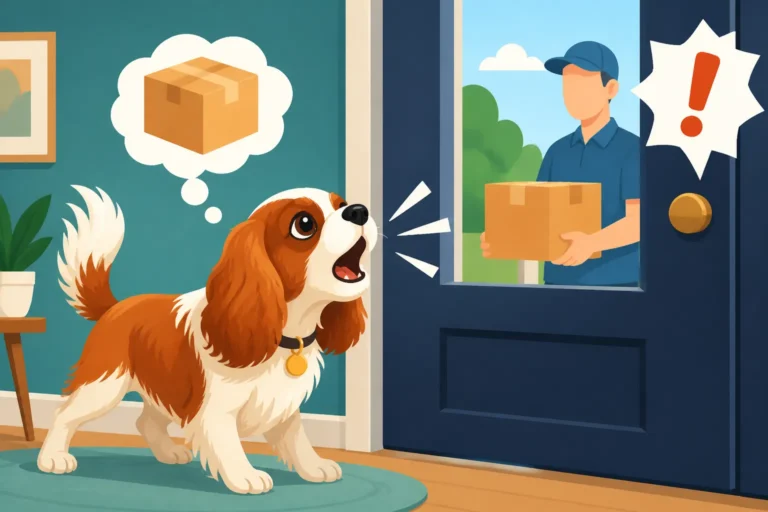
| Sudden Movements (person stands up quickly, object falls) | Move slowly and predictably around your Cavalier; avoid quick reaching motions. |
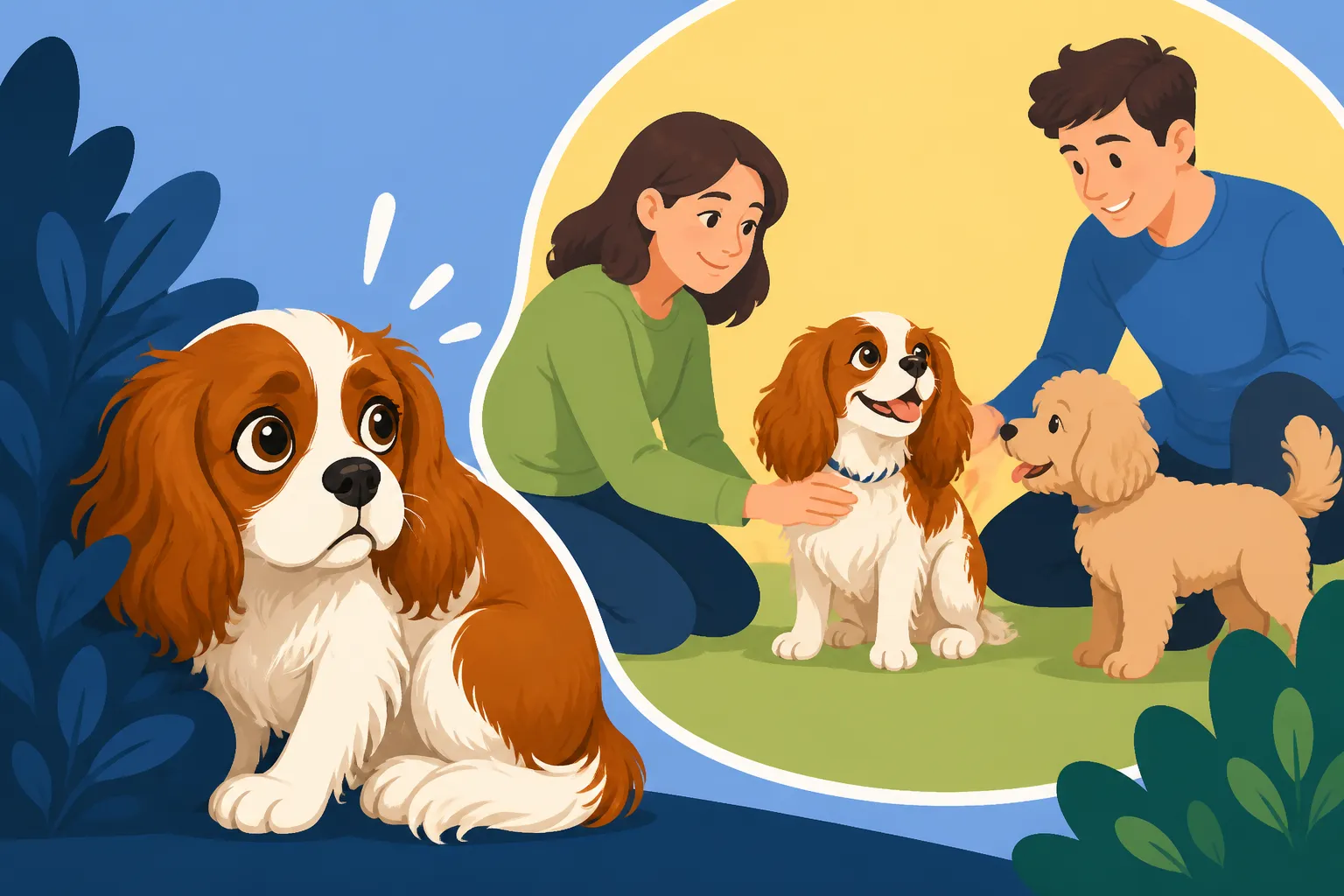
| New People/Strangers | Introduce calmly, one person at a time; allow Cavalier to approach on their terms; offer high-value treats. |
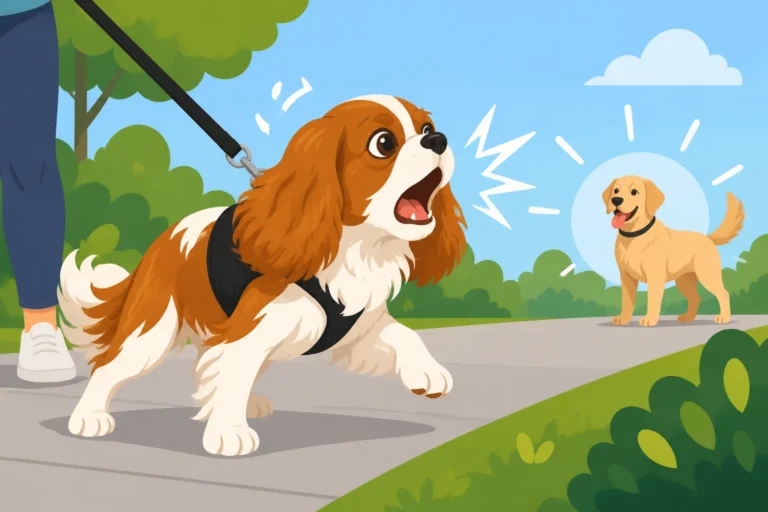
| Other Dogs (barking, running, close proximity) | Maintain distance on walks; positive experiences with calm dogs; focus on reward-based interactions. |
| Unexpected Objects (plastic bag blowing, novel decor) | Introduce objects slowly, allow sniffing; pair with treats; don't force interaction. |
Implementing Consistent Routines and Predictable Interactions
Dogs thrive on routine, and a startled Cavalier especially benefits from knowing what to expect throughout their day. Feed them at the same times, walk them on a regular schedule, and incorporate consistent playtime. This predictable structure helps reduce anxiety because they learn the rhythm of their day and don't have to constantly anticipate the unknown. When they know when their meals, walks, and cuddle times are, it reduces the mental load of trying to figure out what's next.
Your own behavior is also a massive piece of the puzzle. Cavaliers are incredibly perceptive to our moods. If you're stressed or anxious, they'll pick up on it. Try to interact with your Cavalier in a calm, consistent manner. Use a soft, reassuring voice, and avoid sudden movements or loud exclamations that could inadvertently trigger their startle reflex. When you approach them, do so slowly, and always give them a moment to acknowledge you before reaching out. This builds trust and reinforces that you are a source of safety, not another potential surprise. Building Confidence in a Cavalier From a Breeding Kennel is a good resource if your dog has a more extensive background that might contribute to timidity.
Gentle Exposure and Desensitization Techniques
Once your Cavalier has a secure base at home, you can begin the slow, careful process of helping them become more comfortable with the things that startle them. This isn't about "fixing" them overnight; it's about gradually building positive associations and showing them that scary things can actually lead to good things.
Gradual Introduction to Novelty and Sounds
Desensitization means exposing your Cavalier to their triggers at a level so low it doesn't cause a fear response, and then gradually increasing the intensity. Counter-conditioning means changing their emotional response from fear to a positive one. The key is to always keep your Cavalier "under threshold" – meaning they are aware of the trigger but not reacting fearfully. If they react, you've gone too fast.
Let's say your Cavalier is terrified of the vacuum cleaner. Start by bringing the unplugged vacuum into the room and leaving it there. Offer high-value treats every time your Cavalier looks at it calmly. Over several days, you might move it closer, still unplugged. Then, you might turn it on briefly in another room with the door closed, still offering treats for calm behavior. Slowly, painstakingly, you build up their tolerance, always pairing the trigger with something wonderful like their favorite treat or a game of fetch. This method applies to sounds, objects, and even new people. You can find excellent detailed guides on desensitization techniques through online training platforms like BAXTER & Bella, which often provide step-by-step videos. For sound-sensitive Cavaliers, playing very low-volume recordings of things like thunderstorms or city noises from a platform like Amazon and gradually increasing the volume over weeks can be incredibly effective. Sounds a Cavalier Puppy Should Meet Early discusses this foundational work.
Positive Reinforcement for Brave Moments
Every single time your Cavalier shows even the slightest bit of bravery or calm in the face of a trigger, celebrate it! This doesn't mean a huge, boisterous party that might startle them again, but a calm, enthusiastic "Good dog!" and a shower of their absolute favorite treats. The goal is to make them think, "Wow, that scary thing just happened, and then I got chicken! Maybe scary things aren't so bad after all."
Consider using a clicker if your Cavalier isn't too sound-sensitive, as it offers a precise marker for the exact moment of brave behavior. If they are sensitive, a verbal marker like "Yes!" works just as well. The timing is crucial. Reward as they are noticing the trigger calmly, or immediately after a calm response. Don't wait until the trigger is gone. This helps them connect the trigger with the positive reward. This process helps your Cavalier associate new or scary things with positive outcomes, slowly building their confidence and trust in the world around them. Reward-Based Training With a Cavalier is a must-read for this approach.
When to Seek Professional Help and Support
Sometimes, despite your best efforts, a Cavalier's fear can be deeply ingrained or stem from underlying issues that require more than just home-based training. Recognizing when to bring in professional support is a sign of a truly dedicated owner.
Consulting Your Veterinarian First
Before you assume all startling behavior is purely behavioral, rule out any medical causes. Pain, hearing loss, vision problems, or neurological conditions can all manifest as increased reactivity or a lower tolerance for stimuli. For example, a Cavalier with Syringomyelia Against Ear Pain in a Cavalier might yelp or startle when touched near their neck or head, or if certain noises exacerbate their discomfort. A thorough vet check-up is always the first step.
Your veterinarian can assess their overall health, conduct necessary tests, and rule out or manage any physical ailments that might be contributing to their anxiety. They might also be able to refer you to a veterinary behaviorist if the anxiety is severe and medication might be helpful as part of a comprehensive treatment plan. This isn't about "drugging" your dog, but sometimes medication can lower anxiety enough for behavioral modification techniques to actually take hold.
Working with a Certified Professional Dog Trainer or Behaviorist
If medical issues are ruled out, or if the fear is significantly impacting your Cavalier's quality of life, a certified professional dog trainer or a veterinary behaviorist can provide invaluable guidance. Look for someone who specializes in fear, anxiety, and uses positive, force-free training methods. They can help you identify specific triggers, develop a tailored desensitization and counter-conditioning plan, and teach you advanced techniques for managing and mitigating your Cavalier's reactivity.
A good trainer will observe your Cavalier in different situations, help you understand their body language, and guide you through real-world scenarios. They can also offer support and encouragement, which can be incredibly helpful when you're feeling frustrated or overwhelmed. Consider a group like BAXTER & Bella, which offers online courses and one-on-one coaching that can be done from the comfort of your home, reducing the stress of travel for a fearful dog. For a Cavalier that gets easily overwhelmed by new environments or people, a remote training option can be a real game-changer. These professionals often have insights into particular breeds, too. For instance, they might be well-versed in understanding A Cavalier That Rolls Over and Freezes when overwhelmed.
Investing in professional guidance can shorten the learning curve and provide you with the tools and confidence to help your Cavalier blossom into a more confident companion. It's a journey, not a sprint, but with patience, understanding, and the right support, your easily startled Cavalier can learn to navigate the world with a wagging tail and a happy heart.
Disclaimer
This article is for general informational purposes only and does not constitute professional advice. Laws, prices and regulations vary by location and change over time. Consult a qualified professional for guidance on your specific situation.