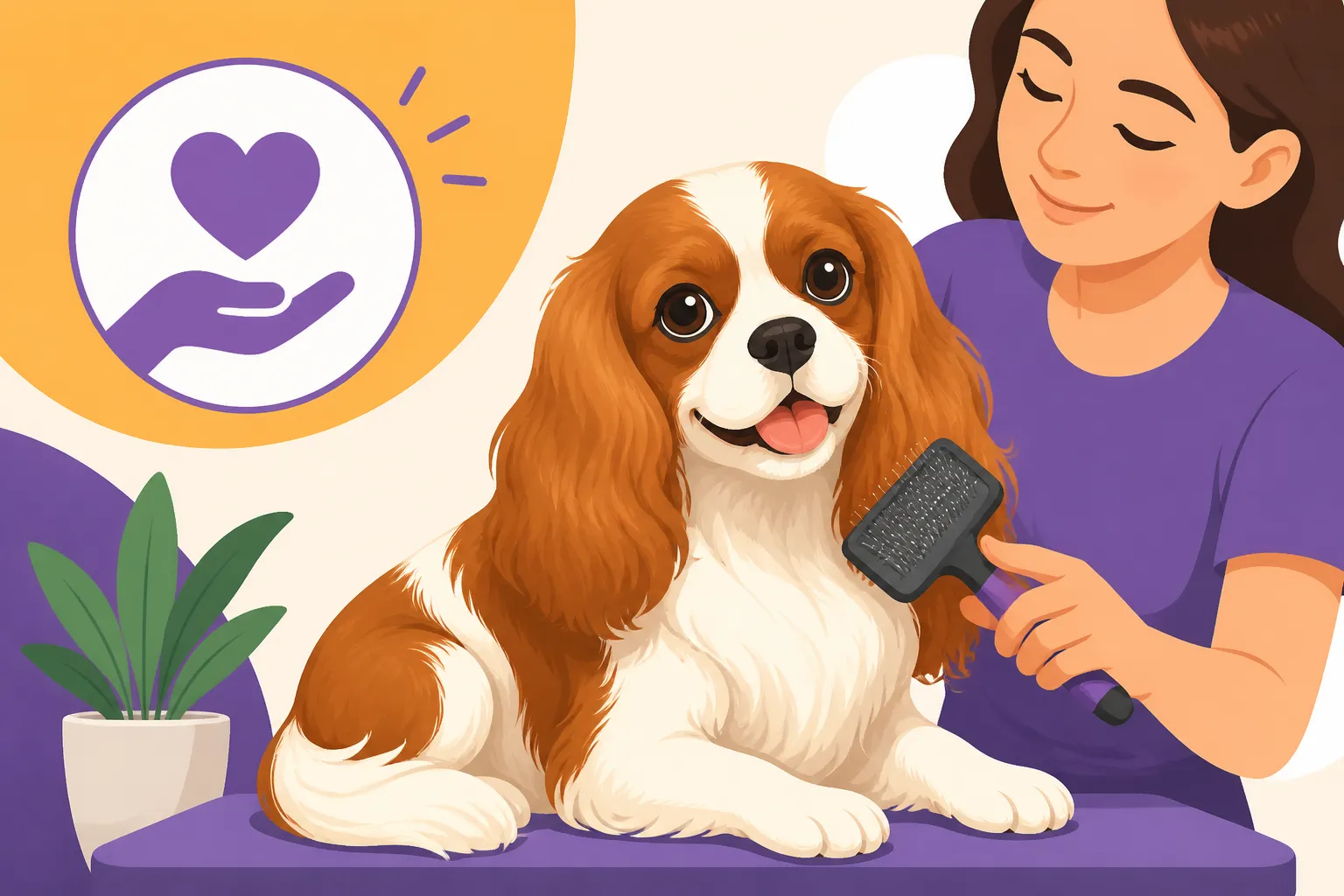
Teaching a Cavalier to Accept Grooming
It can be incredibly frustrating and disheartening when your sweet Cavalier King Charles Spaniel, usually so eager for cuddles, turns into a squirming, unhappy mess the moment the brush comes out or you try to trim their nails. Many of us have been there, feeling awful for causing our beloved pets distress during something that should be a simple act of care. This comprehensive guide is here to walk you through proven, gentle methods to teach your Cavalier to not just tolerate grooming, but to actually accept and perhaps even enjoy it, making the process calmer and more positive for everyone involved.
Understanding Why Grooming Can Be Stressful for Your Cavalier
Before we dive into solutions, it’s important to acknowledge that your Cavalier isn't just being "naughty" when they resist grooming. There are very real reasons why this can be a terrifying or uncomfortable experience for them. Understanding these reasons is the first step toward building a better, more positive routine.
Sensitive Skins and Delicate Coats
Cavaliers are known for their beautiful, silky coats and delicate skin. What might feel like a gentle tug to us with a normal brush can be painful if there’s a mat forming or if the bristles are too harsh. Their skin can be quite sensitive, and a bad experience with tangles being pulled out can make them wary of future grooming sessions. Imagine someone pulling your hair every time they tried to brush it – you'd start hiding the moment you saw the brush, wouldn't you? It’s often the same for our Cavaliers. They associate the tool with discomfort, and that memory sticks.
Fear of the Unknown and Lack of Control
Think about how many strange objects and sensations are involved in grooming: clippers buzzing, water running, being held still, unfamiliar smells from shampoos, brushes poking and pulling. For a dog, especially one who loves to be close to their human, being restrained and subjected to these sensations can feel threatening. They don't understand why you're doing it or that it's for their own good. All they perceive is a loss of control and potentially unpleasant sensations. This is particularly true for young puppies who haven't been adequately exposed to different textures and noises, or for older rescues who might have unknown past experiences that make them fearful.
Unpleasant Past Experiences
Sadly, some Cavaliers may have had previous bad experiences. Perhaps a groomer was too rough, a nail was cut too short, or an ear infection made handling their ears excruciating. These memories can be deeply ingrained. Even if you are gentle, the association might be so strong that they anticipate pain or fear the moment they see the clippers or hear the water running. It's not a reflection of your care, but a testament to how sensitive and impressionable our dogs can be. If your Cavalier has learned to dread grooming, the goal isn't just to complete the task, but to overwrite those negative associations with positive ones.
Building a Positive Foundation: Early Exposure and Gentle Handling
The key to a Cavalier who accepts grooming gracefully often starts long before they ever need a full trim or even a regular brush. It's about laying a strong, positive foundation from puppyhood or, for older dogs, systematically rebuilding trust.
Start with Gentle Touch from Day One
From the moment you bring your Cavalier puppy home, make touching every part of their body a positive, everyday experience. This isn't just about grooming; it's about building a bond of trust and desensitizing them to being handled. Gently hold their paws, spread their toes, lift their ear flaps, look inside their mouth, and stroke their tail. Do this when they are calm and relaxed, perhaps while they're napping on your lap or during quiet cuddle time. Pair these touches with soothing words and maybe even a tiny, delicious treat. You want them to associate human hands on all parts of their body with pleasantness and reward. For more structured ideas, consider Handling Exercises for a Cavalier Puppy.
Short, Sweet, and Frequent Sessions
Don't try to tackle a full grooming session all at once, especially in the beginning. Instead, break it down into tiny, manageable steps. Focus on one small area or one type of tool for literally seconds, then stop and reward generously. For example, introduce the brush by just showing it to them, then giving a treat. Next, touch it to their coat once, then treat. Gradually build up to a few strokes. The idea is to keep sessions so short and positive that they end before your Cavalier gets anxious or tries to escape. Consistency with these mini-sessions is far more effective than infrequent, long, stressful struggles.
Make Tools Fun and Harmless
The grooming tools themselves can be intimidating. Let your Cavalier investigate them. Place the brush on the floor and let them sniff it. If they approach, reward them. Let them see you handle the tools casually, without immediately using them on the dog. You can even try playing a fun game with the brush, like rolling a treat under it, to make it seem less threatening. The goal is to strip away the fear factor and make these objects neutral, or even positive, associations. Many online retailers like Amazon offer starter grooming kits specifically designed for puppies or sensitive dogs, often including softer brushes and quieter clippers.
Step-by-Step Desensitization for Each Grooming Tool
Now that we understand the 'why' and the foundational principles, let's get into the nitty-gritty of introducing specific grooming tools. Remember, patience is paramount here. If your Cavalier shows signs of stress—lip licking, yawning, turning their head away, trying to escape, or showing the whites of their eyes—stop, take a break, and try again later with an easier step. You don't want to push them into A Cavalier That Rolls Over and Freezes situation out of fear.
The Brush and Comb
For Cavaliers, regular brushing is non-negotiable to prevent mats in their long, silky feathering. Start with a soft brush, like a pin brush with covered tips or a soft slicker.
- Introduction: Show the brush, give a high-value treat. Repeat several times.
- Touch and Treat: Gently touch the brush to their back, then immediately give a treat. Repeat in different spots – shoulders, sides, tail. Keep it light and brief.
- One Stroke: One gentle stroke, then a treat. Build up to two, three, and so on. Focus on areas they are comfortable with first.
- Add the Comb: Once they accept the brush, introduce a wide-toothed metal comb using the same gentle, one-stroke-at-a-time method, focusing on areas like behind the ears and in the armpits where mats commonly form.
- Target Troublesome Areas: Slowly work your way to more sensitive spots like behind the ears, armpits, and leg feathering, always pairing each touch with a treat. If you encounter a mat, stop immediately, give a treat, and try again. Don't pull. You might need to use a detangling spray and work it out slowly with your fingers or the comb, taking tiny sections at a time. For comprehensive tips, check out Brushing a Cavalier's Feathering Three Times a Week.
Ear Cleaning and Care
Cavaliers' beautiful drop ears are prone to infections, making regular cleaning and inspection crucial.
- Handling: Start by simply lifting their ear flap, gently stroking the inside, and then giving a treat. Repeat for both ears.
- Introduce Cleaner: Let them sniff the ear cleaner bottle. Gently touch the nozzle to the outside of their ear, then treat.
- Mimic Cleaning: Without actually applying liquid, gently hold their ear as if you were cleaning it, then treat.
- The Real Deal (Gradually): Apply a tiny bit of ear cleaner to a cotton ball and gently wipe the visible part of the ear. Treat! Gradually work up to putting a small amount of cleaner directly into the canal, as instructed by your vet, then massaging the base of the ear. Reward heavily throughout.
- Post-Clean Fun: After cleaning, reward with a special chew or play session to make it extra positive. Read more on this in Getting a Cavalier Used to Ear Cleaning and Cavalier Ear Care Under a Heavy Drop Ear.
Nail Trimming
This is often the most dreaded part for both dog and owner. Patience and high-value rewards are crucial.
- Paw Handling: Regular paw handling, as mentioned earlier, is vital. Touch their paws, squeeze their toes gently, and reward.
- Introduce Clippers/Grinder: Let them sniff the clippers or grinder. Touch the tool to their paw without using it, then treat. If using a grinder, turn it on nearby so they get used to the sound, rewarding them for remaining calm.
- Touch a Nail: Touch the clippers to one nail, then immediately treat. Don't cut. Repeat for all nails.
- One Tiny Clip: Cut just the very tip of one nail (or grind for a second), then shower them with treats and praise. Make sure to only take off the smallest amount to avoid the quick.
- Build Slowly: Over several sessions, gradually work your way through more nails, or even just one nail per session if that's all they can handle. The goal is positive association, not speed. Don't forget to care for their foot feathering too, as outlined in Cavalier Nail, Paw and Foot Feathering Care.
Teeth Brushing
Dental health is critical, especially for a breed prone to crowded teeth.
- Mouth Handling: Get your Cavalier used to you touching their muzzle, lifting their lips, and gently touching their gums and teeth. Always reward.
- Introduce Toothpaste: Let them taste dog-specific toothpaste (most are liver or chicken flavored, making them a treat!).
- Finger Brushing: Put a tiny bit of toothpaste on your finger and rub it gently on their front teeth. Reward.
- Finger Brush/Toothbrush: Gradually introduce a finger brush or a small dog toothbrush. Start with just a few teeth, then treat.
- Build Up: Slowly increase the number of teeth you brush and the duration. Aim for at least 30 seconds per side, if possible, but any brushing is better than none. You can find more detailed instructions in Brushing a Cavalier's Teeth Without a Struggle.
Making Grooming a Reward-Based Routine
The ultimate goal is to transform grooming from a battle into a routine that your Cavalier tolerates, and maybe even looks forward to, because of the positive reinforcement involved. This isn't about being permissive; it's about effective communication and building trust.
High-Value Rewards Are Your Best Friends
For grooming, regular kibble often won't cut it. You need something truly irresistible. Think tiny pieces of cooked chicken, cheese, or specialized training treats that your Cavalier absolutely adores. These high-value treats create a powerful positive association, overriding any discomfort or fear. Keep a stash ready specifically for grooming sessions. A good starting point for finding suitable treats can be Amazon, or checking out the treat offerings from BAXTER & Bella, which often focus on healthy, motivating options.
Keep Sessions Short and Positive
We've touched on this, but it bears repeating. It’s far better to do two five-minute positive grooming sessions in a day than one twenty-minute battle. Always aim to end the session on a good note, even if it means only doing one successful nail trim or a few brush strokes. This ensures your Cavalier leaves the experience with a positive feeling, making them more willing to participate next time. Remember, consistency in short bursts, as suggested in Five-Minute Training Sessions With a Cavalier, is key.
Establish a Calm Grooming Space
Choose a consistent, calm, and quiet area for grooming. This could be on a non-slip mat on the floor, on a table (if they are comfortable and you can secure them safely to prevent falls), or even on your lap for smaller tasks. Make sure there are no distractions and that you feel relaxed. Your calm demeanor will help your Cavalier feel calmer too. If you're stressed, they'll pick up on it immediately.
Patience, Consistency, and Professional Help
Changing a negative association takes time. There will be days when your Cavalier is less cooperative, and that's okay. Don't get discouraged. Simply revert to an easier step, provide extra rewards, and end the session early if needed. Consistency is the magic ingredient – regular, short, positive interactions will gradually reshape their perception of grooming.
If you're struggling despite your best efforts, don't hesitate to seek professional help. A certified professional groomer who specializes in positive reinforcement or a veterinary behaviorist can offer tailored advice and techniques. They can help identify specific triggers for your Cavalier and guide you through more advanced desensitization protocols. Sometimes, a fresh perspective and experienced hands make all the difference, especially if you're dealing with a Cavalier who truly Grooming an Older Cavalier That Cannot Stand Long or has a deep-seated fear.
By approaching grooming with empathy, breaking it down into tiny steps, and making every interaction overwhelmingly positive, you can help your sweet Cavalier King Charles Spaniel transform grooming from a dreaded chore into a manageable, and perhaps even enjoyable, part of your life together.
Disclaimer
This article is for general informational purposes only and does not constitute professional advice. Laws, prices and regulations vary by location and change over time. Consult a qualified professional for guidance on your specific situation.