What a Cavalier Therapy Dog Assessment Involves
It's such a joy to watch our Cavaliers bring smiles to everyone they meet, and many of us wonder if that natural charm and gentle spirit could be channeled into something truly special, like therapy work. However, the path to becoming a certified therapy dog isn't just about having a sweet disposition; it involves a structured assessment designed to ensure your Cavalier is not only friendly but also resilient, well-behaved, and completely safe in a variety of environments. This guide will walk you through exactly what a Cavalier therapy dog assessment typically involves, helping you understand the expectations and how to prepare your beloved companion for this rewarding journey.
The Heart of a Therapy Dog: What Makes a Cavalier a Natural Candidate?
Cavalier King Charles Spaniels possess a remarkable blend of traits that make them incredibly well-suited for therapy work. Their inherent desire to be near people, their gentle nature, and their ability to stay calm in novel situations are all huge assets. But it's not just about cuteness; a therapy dog needs to be reliably stable and predictable, especially when interacting with vulnerable individuals.
The Cavalier Temperament Advantage
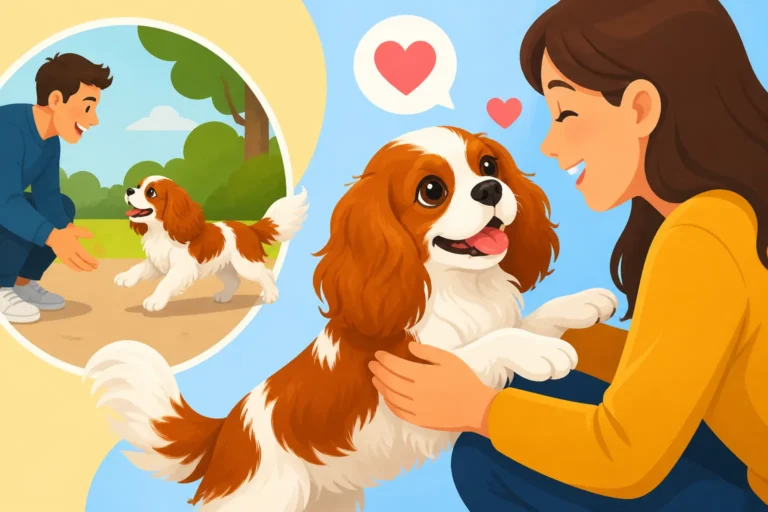
Let's be honest, few breeds are as naturally tuned into human emotion as a Cavalier. They truly are companion dogs through and through, thriving on connection and affection. This isn't just a sweet quirk; it's a fundamental aspect of their temperament that makes them exceptional therapy partners. They often intuit when someone needs a comforting presence, leaning in gently or offering a soft nudge. This innate empathy means they're usually eager to engage with strangers, which is a cornerstone of effective therapy work. Unlike some breeds that might be wary or aloof with new people, a well-socialized Cavalier generally embraces new acquaintances with an open heart. This natural affinity for humans means that a significant hurdle for many therapy dog candidates – getting them comfortable and enthusiastic about interacting with a wide range of unfamiliar individuals – is often much smaller for a Cavalier. They genuinely love people, and it shows. For more on their innate qualities, you might find Cavalier Temperament and the Sporting Spaniel Beneath It sheds more light on their disposition.
Consider a scenario in a nursing home: an elderly resident, perhaps quiet or withdrawn, might not respond to loud greetings or boisterous play. A Cavalier, however, with its soft eyes and gentle demeanor, can approach calmly, offering a quiet presence. They often rest their head on a lap or allow themselves to be stroked for extended periods, providing a soothing, non-demanding connection that can be incredibly therapeutic. This ability to adapt their energy level to the person they are with is a huge advantage. They can be playful with children in a hospital playroom, then switch to a quiet, comforting presence for someone undergoing chemotherapy. It’s this versatility that truly makes them shine.
Essential Skills Beyond Affection
While a loving temperament is crucial, it's certainly not the only requirement. Therapy dogs must be impeccably behaved and under solid control. This means they need to respond reliably to basic cues, even amidst distractions. A Cavalier that pulls on the leash, jumps excessively, or barks incessantly, no matter how sweet, simply won't pass an assessment. Assessors are looking for a dog that is calm, responsive, and can be easily managed by its handler in any situation. They want to see that your Cavalier understands and respects boundaries, and can perform simple tasks on command, even when exciting things are happening around them.
Think about visiting a bustling pediatric ward. There will be alarms, children crying, people hurrying, and all sorts of unfamiliar sights and sounds. Your Cavalier needs to be able to lie calmly at your feet, greet a child without jumping, and walk politely on a loose leash past a rolling cart. This isn't just about good manners; it's about safety and ensuring the dog doesn't inadvertently add stress to an already challenging environment. Training isn't about breaking their spirit; it's about building a common language and trust. Concepts explored in Training a Cavalier With Praise Rather Than Pressure are absolutely key here, focusing on positive reinforcement to build that bombproof reliability.
Understanding the Therapy Dog Assessment Process
Therapy dog assessments are designed to evaluate a dog's suitability for interacting with diverse populations in various settings. These aren't obedience trials in the traditional sense, though good manners are certainly part of it. Instead, they focus on real-world scenarios and a dog's emotional stability. Different organizations might have slightly different protocols, but the core elements remain consistent.
The Basic Obedience and Manners Review
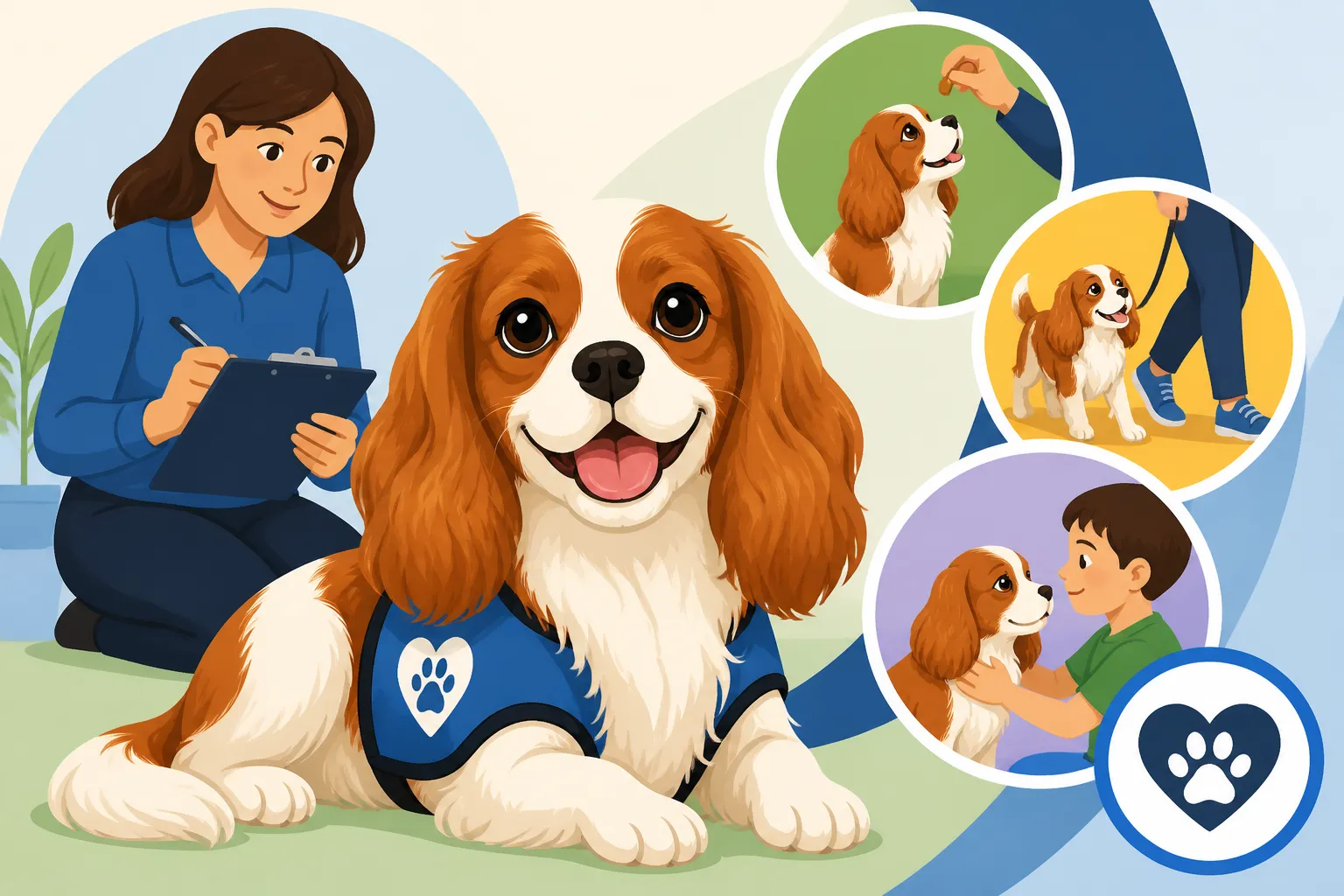
Before anything else, assessors need to see that your Cavalier is a polite and well-controlled companion. This typically involves demonstrating a solid grasp of fundamental obedience commands. Think about commands like "sit," "down," "stay," "come," and "leave it." These aren't just parlor tricks; they're vital tools for managing your dog safely and respectfully in a public setting. For instance, "stay" is critical when you need your Cavalier to remain calm beside a wheelchair or hospital bed, while "leave it" prevents them from snatching a dropped medication or a tempting treat from the floor.
The assessors will also observe how your Cavalier walks on a leash. They'll want to see a loose leash, no pulling, and a dog that can navigate calmly through a group of people without weaving or getting underfoot. Polite greetings are also a must; a Cavalier that jumps up in excitement, even if trying to be friendly, could knock over a frail person or scare a child. They might even introduce another dog to see how your Cavalier reacts, or have you drop the leash momentarily to ensure your dog stays put. These exercises confirm that your Cavalier is a joy to be around, not a handful, and that you have a strong bond and clear communication.
Handling and Touch Tolerance
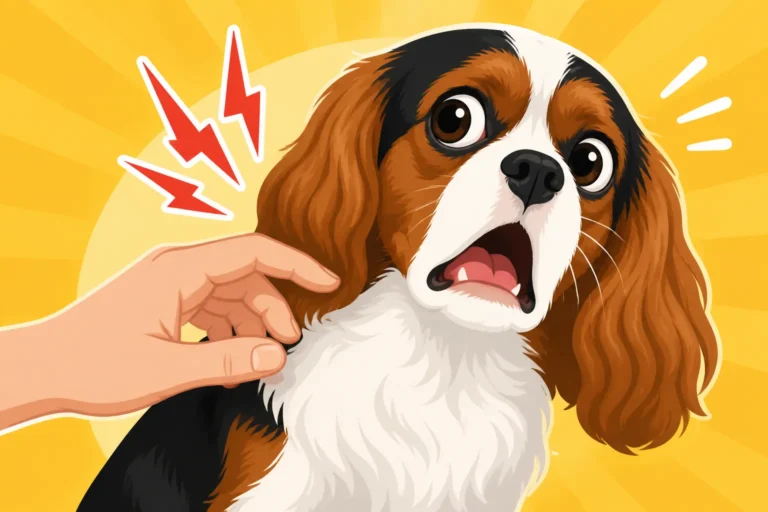
One of the most crucial, and often overlooked, aspects of therapy dog work is a dog's tolerance for various types of handling and touch from strangers. In a therapy setting, your Cavalier might be petted by someone with clumsy movements, hugged tightly by a child, or have their ears gently examined by an inquisitive resident. They might encounter people using medical equipment like walkers or wheelchairs, or even hear unexpected loud noises. The assessment will simulate these types of interactions to gauge your Cavalier's reaction.
This means the assessor, or a volunteer, will likely approach your Cavalier and administer a variety of touches. They might hug your dog, pull gently on an ear, lift a paw, or even brush against them with a crutch. They might create sudden loud noises, like dropping a clipboard or coughing loudly. The key is that your Cavalier needs to remain calm, unreactive, and show no signs of fear or aggression. A dog that flinches, growls, snaps, or tries to escape these interactions isn't suitable, even if it's generally good-natured. It's why Getting a Cavalier Used to Ear Cleaning and Handling Exercises for a Cavalier Puppy are such important topics to practice from an early age, even if you don't initially plan for therapy work. These foundational experiences build resilience.
Exposure to Distractions and Unfamiliar Environments
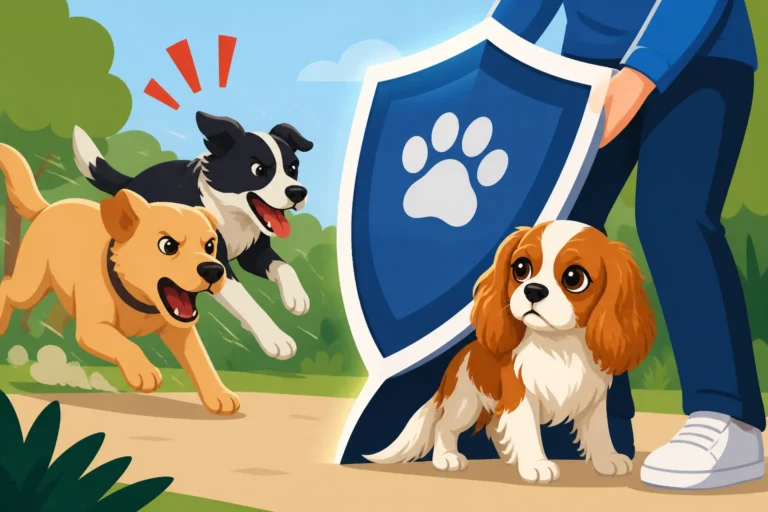
Therapy visits rarely happen in quiet, controlled environments. They take place in hospitals, schools, nursing homes, and libraries, all of which come with their own unique set of sights, sounds, and smells. The assessment will put your Cavalier through a series of simulated distractions to see how they cope. This could involve encountering people in uniforms, individuals with canes or wheelchairs, loud noises, sudden movements, or even other dogs. They'll want to see that your Cavalier can remain focused on you, or calmly ignore these stimuli, rather than becoming agitated, fearful, or overly excited.
Imagine an assessor dropping a set of keys loudly, or having a child run past your Cavalier. Does your dog startle and bark, or does it calmly glance and then return its attention to you? This is what they're looking for. A good therapy dog needs to be unflappable, capable of maintaining its composure in unpredictable situations. This doesn't mean they shouldn't react at all – a healthy dog will acknowledge its environment – but that their reaction should be appropriate and short-lived, without escalating into anxiety or excessive excitement. For a Cavalier that might be naturally sensitive to sounds, working on desensitization to various noises is a good preparatory step. You'll find that building confidence through gentle Socializing a Cavalier Puppy Gently from a young age is incredibly beneficial for preparing them for these experiences.
Preparing Your Cavalier for the Big Day
Preparing for a therapy dog assessment is a journey, not a sprint. It requires consistent training, socialization, and a deep understanding of your Cavalier's individual personality. The goal is to build a confident, reliable dog that enjoys interacting with people.
Foundation Training and Socialization
Before you even think about an assessment, ensure your Cavalier has a strong foundation in basic obedience. Commands like "sit," "stay," "down," "come," and "leave it" should be second nature, performed reliably in various environments. Enroll in obedience classes, if you haven't already. These classes not only teach your dog cues but also expose them to other dogs and people in a structured setting, which is vital for socialization. Many excellent online resources, like those offered by BAXTER & Bella, can guide you through positive reinforcement training methods tailored to companion breeds. They provide structured lessons that can help you build these essential skills.
Beyond formal classes, actively socialize your Cavalier. Take them to dog-friendly stores, parks, and cafes. Expose them to people of all ages, sizes, and appearances. Let them see people in hats, with glasses, in wheelchairs, or using crutches. The more positive experiences they have with novel situations, the more confident and unflappable they will become. Reward calm behavior generously. This extensive exposure is crucial because a therapy dog needs to be comfortable with the entire spectrum of humanity and all the tools and aids people use. Think about Teaching a Cavalier to Greet Guests Calmly at home as a good starting point for polite public interactions.
Practicing Assessment Scenarios
Once your Cavalier has a solid foundation, start practicing the specific scenarios they might encounter during an assessment.
- Simulate Distractions: Have friends pretend to be medical staff, drop noisy objects, or use crutches around your dog. Practice walking past other dogs and people without reacting.
- Handling Drills: Get your Cavalier used to being touched all over their body, including their ears, paws, and tail, by different people. Ask trusted friends to gently hug them, pull on an ear, or lift a paw while you supervise.
- Stay in Place: Practice extended "stays" with increasing levels of distraction. Your Cavalier might need to stay calmly at your side while someone walks past with a rattling cart.
- Calm Greetings: Work on having your Cavalier greet people calmly, keeping all four paws on the floor. Reward them heavily for not jumping.
- Medical Equipment: If possible, expose your Cavalier to wheelchairs, walkers, and other mobility aids. See if a local animal shelter or training facility has resources to help with this.
Remember to keep these practice sessions positive and fun. Use high-value treats and praise your Cavalier profusely for success. If your dog shows any signs of stress or discomfort, stop and re-evaluate. The goal isn't to force them, but to build their confidence. Consistency is key, and even short, frequent sessions, like those described in Five-Minute Training Sessions With a Cavalier, can make a huge difference over time.
Grooming and Presentation
While not directly tested in the same way as obedience, presenting a clean, well-groomed Cavalier is essential. It shows respect for the facility you're visiting and ensures your dog is comfortable. Before the assessment, give your Cavalier a thorough bath and brush. Trim their nails, clean their ears, and make sure their coat is free of mats, especially in those feathery areas behind the ears and in the armpits. A matted or dirty dog is not only less pleasant for people to interact with but can also harbor germs, which is a big concern in healthcare settings.
Many organizations require that your dog be freshly groomed for assessments and visits. Investing in good quality grooming tools available on Amazon, such as a slicker brush and a metal comb, will help you maintain their coat. This attention to detail isn't superficial; it's part of being a responsible therapy dog team. A comfortable, clean Cavalier is a happier and more presentable therapy dog.
After the Assessment: What Comes Next?
Passing a therapy dog assessment is a significant achievement and the first step toward a incredibly rewarding experience. But what happens once you get that 'pass'?
Certification and Membership
Upon successfully completing the assessment, you won't immediately start visiting hospitals. The assessment organization will typically process your results and, assuming everything is in order, issue your official certification. This certification often comes with membership in their organization. Being part of a reputable therapy dog organization is crucial, as they provide insurance coverage for you and your dog during visits, access to various facilities, and often offer ongoing support and training resources. They may also provide identification for your dog, such as a vest or bandana, which signals to the public that your Cavalier is a working therapy dog.
It’s important to understand that certification is usually not a one-time thing. Most organizations require periodic re-evaluation, typically every one or two years. This ensures that your Cavalier continues to meet the necessary behavioral and health standards. It's a commitment, but one that ensures the safety and quality of therapy dog programs.
Finding Opportunities for Therapy Work
Once certified, your organization will usually have a network of facilities they partner with, such as hospitals, nursing homes, schools, or libraries. You can then work with them to find a placement that suits your schedule and your Cavalier's temperament. Some Cavaliers excel in quiet one-on-one visits, while others love the hustle and bustle of a busy children's hospital. Don't be afraid to try different environments to see where your Cavalier feels most comfortable and makes the biggest impact.
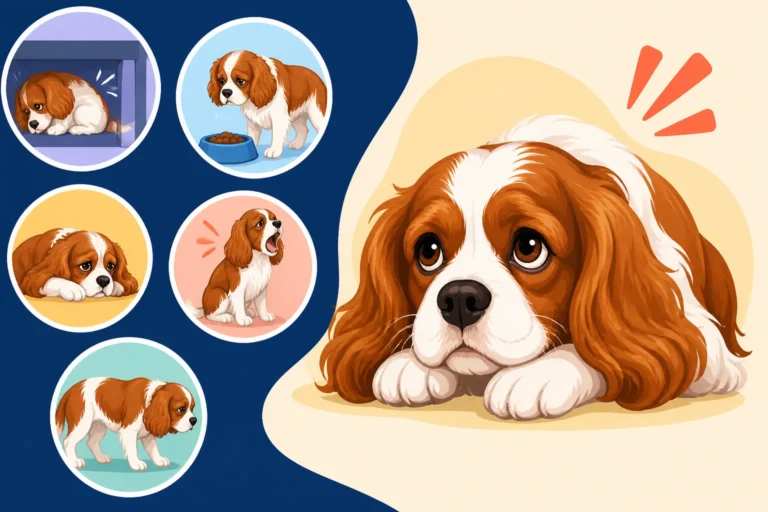
Remember that therapy work is a partnership. Pay attention to your Cavalier's cues. If they seem tired, stressed, or reluctant, it’s time to take a break or end the visit. The dog's well-being is paramount. The joy they bring to others should never come at the expense of their own comfort. Understanding Whether a Cavalier Handles a Busy Ward is key to choosing appropriate opportunities. Start with shorter visits in calmer settings and gradually increase the duration and intensity as your Cavalier gains experience and confidence.
Continued Training and Health Care
Even after certification, continued training and socialization are vital. Maintain your Cavalier's obedience skills and expose them to new, positive experiences. The world is constantly changing, and a therapy dog needs to remain adaptable. Similarly, regular veterinary check-ups are non-negotiable. Therapy dogs must be in excellent health, up-to-date on vaccinations, and free from any infectious diseases. Many organizations require proof of current vaccinations and parasite prevention.
Here's a quick overview of what to expect during an assessment:
| Assessment Component | What it Tests | Cavalier Advantage/Consideration |
|---|---|---|
| Basic Obedience | Sit, Stay, Down, Come, Loose-leash walking, Leave It | Naturally eager to please, but can be distracted by scents. |
| Acceptance of Strangers | Calm greetings, no jumping, friendly demeanor | Generally very friendly, loves attention. |
| Handling Sensitivity | Tolerance of awkward petting, pulling on ears/tail, hugging | Usually tolerant, but gentle introductions are best. |
| Reaction to Distractions | Loud noises, medical equipment, other dogs, fast movements | Can be sensitive to sudden loud noises; needs desensitization. |
| Separation from Handler | Remaining calm while handler moves a short distance away | Can be "Velcro dogs"; practice short separations for confidence. |
| Stranger Entering Space | No reaction to someone walking into their personal space | Generally good, but ensure they don't guard toys/person. |
Keeping your Cavalier healthy, both physically and mentally, ensures they can continue to bring comfort and joy to countless people. It truly is a partnership that requires dedication and a deep understanding of your special companion.
Disclaimer
This article is for general informational purposes only and does not constitute professional advice. Laws, prices and regulations vary by location and change over time. Consult a qualified professional for guidance on your specific situation.