The First Two Weeks With a Rescued Cavalier
Bringing a rescued Cavalier King Charles Spaniel into your home is an incredibly heartwarming experience, filled with the promise of a new beginning for both of you. Yet, it can also come with a unique set of challenges and uncertainties. You might find yourself wondering if you're doing everything right, or if your new companion will ever truly settle in and show their real personality. This guide is here to walk you through those crucial first two weeks, offering empathetic advice and practical steps to help your rehomed Cavalier transition smoothly into their forever home.
Preparing Your Home for a Rescued Cavalier's Arrival
Before your new furry family member even steps paw over the threshold, taking the time to prepare your home can make a world of difference in their adjustment. Remember, everything is new and potentially overwhelming for them. A little foresight goes a long way in creating a calm, welcoming environment.
Creating a Safe and Calm Sanctuary
Your rescued Cavalier is likely to feel a mix of excitement, anxiety, and plain old confusion when they first arrive. To help them feel secure, it’s vital to designate a specific, quiet spot that is theirs. This isn't just about a bed; it's about a sanctuary. This could be a corner of a less-trafficked room, a cozy crate (if they're already comfortable with one), or a space beneath a sturdy table draped with a blanket.
This space should be away from high-traffic areas, loud noises, and the hustle and bustle of daily life, especially if you have children or other pets. Provide a comfortable, soft bed or blanket that smells neutral and clean. Don't immediately introduce a multitude of toys or strong-smelling items that might overwhelm their senses. The goal is to give them a retreat where they can observe their new surroundings without feeling exposed or trapped. For some rescued Cavaliers, especially those who've come from a chaotic environment, having a place they can simply be without interaction is paramount in those initial days.
Essential Supplies and "Cavalier-Proofing"
Just like bringing home a new baby, preparing your home with essential supplies is crucial. Think about what your Cavalier will need immediately and what might be a hazard.
Start with the basics:
- Food and Water Bowls: Stainless steel or ceramic are generally preferred for hygiene.
- Appropriate Food: Find out what the rescue was feeding them and stick to it for at least the first week or two to avoid stomach upset. You can gradually transition later.
- Leash and Harness: A well-fitting harness is often more comfortable and safer for a Cavalier's delicate neck and throat than a collar, especially if they're prone to pulling or suddenly reacting to something. Ensure you have a sturdy leash. You can find many suitable options on Amazon. For advice on fit, consider checking Harnesses Suited to a Cavalier's Neck.
- Identification: A tag with your current contact information should be on their collar before they arrive. Many rescues will provide one, but double-check.
- Chew Toys and Soft Toys: Have a few options available, but don't introduce them all at once. Puzzle toys can be great for mental stimulation once they're more settled.
- Grooming Supplies: A soft brush and ear cleaner will be needed eventually, though perhaps not on day one.
Beyond supplies, "Cavalier-proofing" is essential. Cavaliers are small, curious, and often food-motivated. Get down to their level and look for anything they might chew, swallow, or knock over. Secure electrical cords, remove toxic plants, lock away cleaning supplies, and make sure any medications are well out of reach. If you have an outdoor space, check your fencing carefully; small Cavaliers can squeeze through surprisingly tight gaps or dig under weak spots if anxious.
Understanding the "Rule of Threes" and Initial Adjustment
The "Rule of Threes" is a commonly cited guideline in dog rescue circles, and it's an incredibly helpful framework for understanding what your rehomed Cavalier is likely experiencing. It manages expectations and reminds us that true personality takes time to emerge. While this guide focuses on the first two weeks, understanding the broader timeline helps inform your approach during this critical initial period.
The First Three Days: Overwhelm and Observation
These are the most intense days for your rescued Cavalier. Imagine being dropped into an entirely new world where everything smells, sounds, and feels different. Your Cavalier will likely be in a "shut down" phase, coping with the sensory overload and the stress of relocation. They might be quiet, withdrawn, not eat much, or even seem a little disoriented. They may hide or be hesitant to approach. This isn't necessarily a reflection of their true personality; it's a coping mechanism.
During these first three days, your primary role is to be a quiet observer. Minimize direct interaction, loud noises, and new stimuli. Let them initiate contact. Offer food and water, ensure they have access to their designated safe space, and facilitate frequent, calm potty breaks outside. Avoid inviting over friends and family for a "meet and greet"; they need peace. This is not the time for forced cuddles or trying to coax them out of their shell. Simply exist, be predictable, and let them decompress. If your Cavalier is particularly timid, offering too much attention too soon can actually be overwhelming, as discussed in A Timid Cavalier That Hides From Visitors.
The First Three Weeks: Settling into Routine
While the rule says "three weeks," the actions you take in your first two weeks will lay the groundwork. After the initial shock wears off, typically around days 4-7, your Cavalier will start to feel a bit more comfortable. This is when their true personality might begin to peek through, though it's still just the beginning. The goal during this phase is to establish a predictable, comforting routine.
Consistency is your best friend. Feed them at the same times each day, take them out for potty breaks on a regular schedule (first thing in the morning, last thing at night, and after meals/naps), and try to maintain a consistent daily rhythm for quiet time, gentle play, and short, calm walks. This predictability helps reduce anxiety because they begin to understand what to expect. Gentle, positive reinforcement for desired behaviors, like going potty outside or lying calmly in their bed, is key. Think about using simple, clear praise and small, high-value treats. Reward-Based Training With a Cavalier can offer more insights into this gentle approach.
During this period, you might start to see some behaviors that weren't apparent in the first few days. They might start playing, seeking attention, or showing mild signs of anxiety like pacing or whining. Respond with patience and understanding, always working to build trust rather than correct with harshness.
The First Three Months: True Personality Emerges (Beyond Your Two Weeks)
While this period extends beyond your initial two weeks, it's important to keep in mind for realistic expectations. By three months, your rescued Cavalier should be fully integrated into your home and routine. This is when their genuine personality, quirks, and potential underlying behavioral patterns truly surface. Any anxieties, fears, or past trauma they carry will likely become more evident as they feel safe enough to express them.
For example, a Cavalier who seemed perfectly fine alone in the first two weeks might start showing signs of Living With a Cavalier That Panics When Alone as they form a stronger bond with you. Knowing this longer timeline means you won't get discouraged if new challenges arise after your initial settling-in period. It simply means you've built enough trust for them to show you their whole self, and now you can work on addressing those deeper needs with compassion and appropriate training.
Establishing Trust and Routine in the First Fourteen Days
The initial fortnight is your opportunity to build a strong foundation of trust and security. Every interaction, every consistent routine, contributes to your Cavalier feeling safe and understanding their new world.
Gentle Introductions and Minimal Expectations
During the first two weeks, keep interactions gentle and low-key. If you have other pets, introduce them slowly and under controlled circumstances, ideally on neutral territory first, if possible. Always supervise closely. For existing dogs, parallel walks can be a great way to introduce them without direct pressure. For cats, ensure the cat has high escape routes and a safe space away from the new dog. Never force interactions.
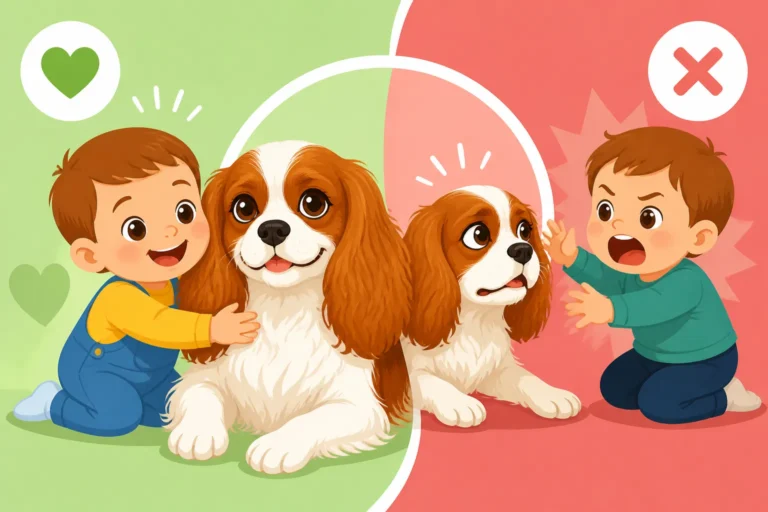
Family members should also understand the need for a calm approach. No sudden movements, loud voices, or attempts to pick up or cuddle the Cavalier if they're not inviting it. Let the dog come to them. Sit quietly on the floor, offer a treat, and let them approach at their own pace. If you have children, teach them how to interact respectfully and gently, explaining that the dog needs space and quiet. Remember, for a rescued dog, every new person is a question mark. Your calm demeanor helps answer that question positively.
Potty Training and Preventing Accidents
Accidents will happen. Expect them, and don't get frustrated. Your rescued Cavalier is learning a whole new set of rules in a new environment. They might not know where to go, or they might be too anxious to signal.
Implement a very frequent potty schedule:
- First thing in the morning.
- Last thing before bed.
- After waking up from naps.
- After eating and drinking.
- After any excitement or play.
- Every 2-3 hours in between.
Take them out on a leash to the same spot each time, if possible. Reward immediately and enthusiastically (with praise and a small treat) when they go to the bathroom outside. If they have an accident indoors, clean it up thoroughly with an enzymatic cleaner to remove all scent, but do not punish them. They won't understand, and it will only increase their anxiety. If you live in an apartment, getting into a good routine for Toilet Training a Cavalier in an Apartment is especially critical. The key is prevention and positive reinforcement.
Feeding, Hydration, and Health Checks
Establishing consistent feeding times helps build routine and trust. Offer meals in their designated quiet space. Some rescued Cavaliers may not eat much in the first few days due to stress, which is normal as long as it's not prolonged. If they refuse to eat for more than 24 hours, contact your vet. Always ensure fresh water is available.
It's also essential to schedule a vet visit within the first week or two. This "meet and greet" with a new vet allows for a general health check, ensures they're up to date on vaccinations, and provides an opportunity to discuss any immediate health concerns. Your vet can also advise on parasite prevention. Even if the rescue provided health records, a thorough check-up is a wise investment. Budgeting for Routine Vet Bills for a Cavalier is part of responsible ownership. This initial visit also establishes a baseline for their health in your care.
Navigating Common Challenges and Building Confidence
The first two weeks can reveal some initial challenges. Approaching these with patience, understanding, and positive methods will reinforce your role as a safe and reliable guardian.
Addressing Anxiety and Fear
Many rescued Cavaliers arrive with some degree of anxiety or fear, often stemming from past experiences or the sheer stress of change. This might manifest as cowering, trembling, excessive panting, hiding, or even mild growling if they feel cornered.
- Provide a safe haven: Reiterate the importance of their quiet sanctuary.
- Avoid forcing interaction: Let them approach you.
- Speak softly: Use a calm, reassuring tone.
- Establish routine: Predictability reduces uncertainty.
- Identify triggers: What makes them anxious? Try to avoid or gradually desensitize them to these triggers.
For Cavaliers exhibiting significant anxiety, consider consulting with a professional positive reinforcement trainer or a veterinary behaviorist. They can offer tailored strategies. In some cases, your vet might even suggest temporary aids like calming pheromone diffusers or Calming Supplements for an Anxious Cavalier to help ease their transition, though these are typically only considered after environmental management.
Leash Walking and Outdoor Experiences
The outside world can be a scary place for a newly rescued Cavalier, especially if they haven't had much positive exposure. Keep initial walks short, focused on potty breaks, and in quiet areas. Allow them plenty of time to sniff and explore; sniffing is a natural stress reliever for dogs.
Always use a secure harness and leash. For added security, especially if your Cavalier is a flight risk or very fearful, consider using a double-leash system – one leash attached to their harness and another to a well-fitting flat collar. This provides a backup in case they slip out of one. Avoid busy parks, dog parks, or crowded streets during these first two weeks. The goal is positive, safe experiences, not exposure to every novelty right away. You might even consider having a professional like those mentioned in Getting a Cavalier Used to a Dog Walker assist later if your schedule is hectic, but for now, you want to be the primary guide.
Early Training Foundations and Enrichment
While the first two weeks aren't about intensive training, you can begin to lay some gentle foundations for a lifetime of good communication. Simple things like calling their name and rewarding them when they look at you, or teaching them to sit for a treat, start building a positive association with learning and with you.
Enrichment is also critical. Once they're a little more settled, offer appropriate chew toys or puzzle feeders to keep their minds engaged. Licking mats with a thin layer of peanut butter (xylitol-free!), plain yogurt, or canned pumpkin can be incredibly calming and satisfying. These activities provide mental stimulation and help reduce stress. For detailed guidance on positive training, resources like BAXTER & Bella online puppy training programs can be adapted for rescued dogs, offering structured, gentle lessons. You can also find a vast array of enrichment toys and tools on Amazon to help keep their minds busy. If your rescued Cavalier has no prior house training, understanding A Rescued Cavalier That Has Never Been Housetrained will be invaluable.
Remember that patience is paramount. Some rescued Cavaliers, particularly those from difficult backgrounds like a breeding kennel, may need extra time and understanding to learn basic household expectations. Building Confidence in a Cavalier From a Breeding Kennel and Whether an Older Cavalier Bonds With New Owners highlight some of the specific challenges and rewards of adopting such dogs.
Here's a quick look at how to approach the initial two weeks:
| Feature | First 3 Days (Week 1, Part 1) | Days 4-14 (Week 1 & 2) |
|---|---|---|
| Environment | Quiet, designated safe space, minimal stimuli. | Consistent routine, safe space still available. |
| Interaction | Observe, minimal direct contact. Let dog initiate. | Gentle, positive. Start brief play. Let dog approach. |
| Routine | Potty schedule, consistent feeding. | Consistent potty, feeding, short walks. Predictability. |
| Training | None. Focus on decompressing. | Gentle name recognition, "sit" for treats. Positive only. |
| Exploration | Confined to a safe zone. | Gradual, supervised access to more of the home. |
| Outings | Short, quiet potty breaks only. | Short, sniffy walks in quiet areas. Avoid busy spots. |
| Expectations | Overwhelm, "shut down," quiet. | Personality begins to emerge. Accidents happen. |
| Key Focus | Decompression, safety, observation. | Building trust, consistency, gentle encouragement. |
Bringing a rescued Cavalier into your life is a journey, not a sprint. The first two weeks are an incredibly formative period, but they are just the beginning of a beautiful relationship. Be patient, be consistent, and most importantly, be kind. Celebrate every small victory, understand that setbacks are part of the process, and trust that with your love and guidance, your Cavalier will blossom into the wonderful companion they were always meant to be.
Disclaimer
This article is for general informational purposes only and does not constitute professional advice. Laws, prices and regulations vary by location and change over time. Consult a qualified professional for guidance on your specific situation.