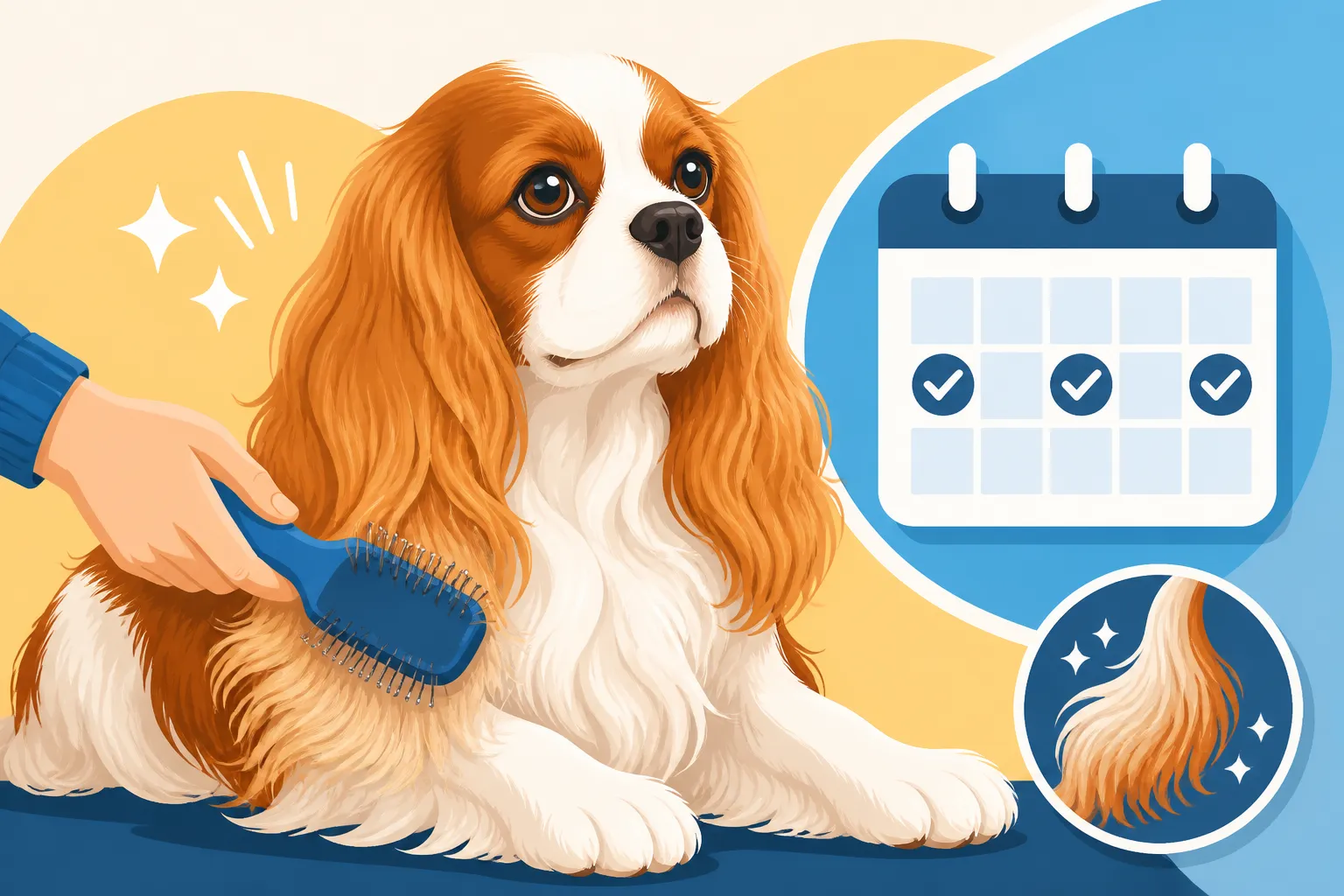
Brushing a Cavalier’s Feathering Three Times a Week
The beautiful, silky feathering of a Cavalier King Charles Spaniel is undeniably one of their most charming features, but it's also a magnet for tangles and mats that can quickly become uncomfortable, painful, and even lead to skin issues. This guide will walk you through exactly why and how brushing your Cavalier three times a week is an absolute non-negotiable part of their care, ensuring their coat stays glorious and healthy, and preventing those dreaded grooming disasters.
Why Brushing Your Cavalier's Feathering is Absolutely Non-Negotiable
Let's be real, life with a Cavalier is busy, and sometimes the thought of another chore can feel overwhelming. But when it comes to their coat, brushing isn't just about aesthetics; it's fundamental to their health and comfort. Neglecting those flowing locks for even a few days can lead to a cascade of problems that are far more time-consuming and costly to fix than a regular brushing routine. It's truly a case of prevention being infinitely better than cure, especially with their unique coat type.
Understanding Your Cavalier's Silky Coat
Cavaliers possess a single coat, meaning they lack the dense undercoat found in many double-coated breeds. This gives their fur that characteristic silky, soft texture, which is a joy to touch. However, this very quality makes it highly prone to matting. Their feathering – the longer hair on their ears, chest, legs, and tail – is particularly susceptible. Imagine fine silk threads; they tangle much more easily than coarse wool.
This fine, soft hair picks up everything: stray bits of grass, mud, dust, food particles, and even static electricity. When these things get embedded, or when the hair simply rubs together, it begins to knot. Without regular intervention, these small knots quickly become tight, painful mats that pull on the skin. It's not just hair you're dealing with; it's a living part of their body that needs careful management.
The Hidden Dangers of Neglected Feathering
Many owners underestimate how quickly a small tangle can escalate into a full-blown mat. What starts as a benign-looking knot can, in just a few days, tighten into a solid clump of fur. These mats don't just sit on the surface; they pull on your Cavalier's delicate skin, causing irritation, redness, and pain. It's like having your hair constantly tugged.
Beyond discomfort, mats create a breeding ground for bacteria and parasites. The matted fur traps moisture and dirt against the skin, leading to hot spots, yeast infections, or other dermatological problems. Fleas and ticks can hide deep within these mats, making them incredibly difficult to detect and remove. In severe cases, mats can even restrict movement, causing gait changes or lameness as your Cavalier tries to avoid painful pulling on their joints. Nobody wants their sweet companion to suffer needlessly because of a preventable grooming issue.
The Benefits of a Consistent Brushing Routine
Establishing a routine of brushing your Cavalier's feathering at least three times a week brings a host of benefits that go far beyond just preventing mats. It's a foundational act of care that contributes to their overall well-being, strengthens your bond, and saves you headaches (and vet bills) down the line. It truly is one of the easiest ways to ensure your Cavalier is both beautiful and healthy.
Firstly, regular brushing distributes natural skin oils throughout their coat, enhancing its natural luster and softness. This also helps keep their skin moisturized and healthy, preventing dryness and flakiness. Secondly, it's an excellent opportunity for a mini health check. As you brush, you'll naturally feel for any lumps, bumps, skin irritations, or external parasites that might otherwise go unnoticed until they become more serious. Catching these issues early can make a huge difference in treatment and outcome.
Finally, brushing sessions are a fantastic bonding experience. Done correctly, it's a calm, affectionate interaction that reinforces trust and positive association. Many Cavaliers come to love their grooming time, seeing it as dedicated one-on-one attention from their favorite person. This makes future grooming easier and reduces stress for both of you. It's a small investment of time that pays dividends in health, happiness, and connection.
Essential Tools for Cavalier Feathering Care
You wouldn't attempt to bake a complicated cake without the right ingredients and utensils, and the same goes for grooming your Cavalier's beautiful coat. Having the correct tools on hand isn't just a recommendation; it's crucial for effective and comfortable brushing. Trying to get by with a single, general-purpose brush will quickly lead to frustration for both you and your dog, and it certainly won't tackle those insidious tangles.
The Right Brushes for Silky Feathering
A good quality slicker brush is your primary weapon against mats. Look for one with fine, bent wire bristles that are covered with protective tips to avoid scratching your Cavalier's delicate skin. The bristles should be firm enough to penetrate the feathering down to the skin, but gentle enough not to cause discomfort. A brush with an ergonomic handle will also save your hand from cramping during longer sessions.
Complementing your slicker brush, a bristle brush with natural or flexible synthetic bristles can be excellent for finishing. This type of brush helps to smooth the coat, remove loose surface hairs, and distribute natural oils, leaving their feathering looking polished and shiny. However, it's important to remember that a bristle brush alone won't get through tangles; it's a finishing tool, not a de-matting one. You might find a good selection of both on sites like Chewy or Amazon, making it easy to compare options and read reviews.
Combs That Conquer Knots
While brushes do the heavy lifting for general detangling and smoothing, a sturdy metal comb is indispensable for tackling smaller knots and ensuring no tangles are left behind. You'll want a comb with both wide and narrow-set teeth. The wider teeth are perfect for initially working through larger areas of feathering, while the finer teeth can be used to meticulously check for any remaining snags or smaller tangles, especially behind the ears and in the armpits.
A good comb allows you to be precise and gentle, isolating knots and working them out without causing unnecessary pain. Always choose a comb made from high-quality metal that won't bend or break easily. Plastic combs often generate static and can snag delicate hair, making the process more difficult. A comb is also invaluable for checking those tricky areas that are prone to matting, giving you confidence that you've truly brushed through every layer of their beautiful coat. The Combs That Reach Cavalier Feathering can be a real game-changer.
Detangling Sprays and Conditioners
Dry, brittle hair tangles more easily and is more prone to breakage. This is where a good quality detangling spray or leave-in conditioner becomes your best friend. These products lubricate the hair shaft, making it smoother and more slippery, which allows knots to slide out more easily and helps prevent new ones from forming. They also reduce static, which is a common culprit for tangles, especially in drier climates or during winter.
Apply the spray generously to the feathered areas before you begin brushing, focusing on the ears, chest, and legs. You don't want to soak them, but ensure the hair is damp enough to provide slip. Many detangling sprays also contain ingredients that nourish the coat, leaving it softer and healthier. Always opt for a product specifically formulated for dogs, as human products can contain ingredients that are harmful or irritating to their skin. These types of sprays are readily available from online pet suppliers.
The Step-by-Step Guide to Brushing Your Cavalier's Feathering
Brushing your Cavalier isn't just about dragging a brush through their fur; it's a methodical process that, when done correctly, ensures every strand is free of tangles and their skin is stimulated and healthy. Think of it as a mini spa session for your pup, where patience and technique are key. Breaking it down into manageable steps makes it less daunting and more effective for both of you.
Preparing for a Positive Brushing Experience
Before you even pick up a brush, set the stage for success. Choose a quiet time when your Cavalier is relaxed, perhaps after a short walk or a potty break. A designated grooming spot, whether it's on a non-slip mat on the floor or a raised grooming table, can help establish routine and focus. Some owners find a raised surface, like a sturdy table with a non-slip mat, easier on their backs and provides better control. Just be sure to never leave your Cavalier unsupervised on a raised surface, even for a second.
Gather all your tools: slicker brush, metal comb, detangling spray, and some high-value treats. Treats are essential for positive reinforcement, especially if your Cavalier is new to brushing or a bit resistant. A gentle voice and calm demeanor from you will also go a long way in making this a pleasant experience. Remember, you're building a habit, so consistency and a positive attitude from you are paramount.
Section-by-Section Brushing Technique
Start by gently misting the feathered areas with your detangling spray. Don't drench the coat, but ensure it's slightly damp to provide slip. Now, divide the coat into manageable sections. It's much easier to tackle a small area thoroughly than to try and brush the entire dog at once, which often leads to missed spots and frustration. Begin with the easier areas, like their back or sides, to build confidence before moving to more sensitive spots.
When brushing, use the "line brushing" technique. This involves parting the hair with your hand, exposing the skin, and then brushing a small section of hair from the skin outwards. Once that section is tangle-free, drop a little more hair over it and repeat the process. This ensures you're brushing all the way down to the skin and not just gliding over the top of the coat. Work systematically: start with one side, move to the next, then tackle the chest, legs, and ears. Brushing a Cavalier in Sections So Nothing Is Missed is vital for success.
Special Attention to High-Matting Areas
Certain areas on a Cavalier are notorious for developing mats due to friction and their natural movements. These spots require extra diligence and often, more frequent attention. The ears are perhaps the biggest culprit; their long, silky ear feathering often dips into food bowls, gets rubbed, and accumulates debris. Always handle their ears gently, supporting the base as you brush to avoid pulling. Use your fingers to feel for any small knots before you even bring the brush in.
The armpits and groin area are also prime matting zones because of constant movement. These spots are often hidden, so make sure to gently lift their legs and check thoroughly. The feathering on the chest and under the tail can also tangle quickly. After brushing with your slicker, always follow up with your metal comb in these high-risk areas. If the comb glides through smoothly from root to tip, you've done a good job. If it snags, go back with your slicker and work that section again until it's clear.
Tackling Mats: When Good Brushing Isn't Enough
Despite your best efforts, sometimes mats happen. A particularly muddy walk, a playful wrestling match with another dog, or just a few missed days can lead to stubborn tangles that a regular brush can't handle. It's crucial to address these mats promptly and correctly to prevent them from becoming painful, coat-damaging issues. Patience is your greatest tool here, even more so than your slicker brush.
Identifying and Isolating Mats
The first step is to gently feel your Cavalier's coat, especially in those high-friction areas like behind the ears, armpits, and under the collar. You'll feel the matted fur as a denser, harder clump compared to the soft, flowing feathering. Once you locate a mat, the trick is to isolate it. Use your fingers to gently pull apart the healthy hair around the mat, creating some space. You want to work on the mat itself without pulling on the surrounding skin or hair.
If the mat is large and close to the skin, you might need to use a pair of blunt-nosed scissors to carefully snip into the mat from the edge, parallel to the skin, but never pointing towards it. This technique is called "stripping" or "scoring" the mat, which helps to break it up into smaller, more manageable pieces without cutting the surrounding healthy coat. Always remember to put your finger between the mat and the skin to prevent accidental nips.
Gentle De-matting Techniques
Once the mat is isolated and perhaps scored, apply a generous amount of detangling spray or a specialized de-matting spray directly onto the mat. Let it sit for a minute or two to penetrate and lubricate the hair. Then, using the wide-toothed side of your metal comb, start working at the very edge of the mat, gently teasing out just a few strands at a time. Do not try to pull the comb straight through the mat; this will hurt your Cavalier and make the mat tighter.
Work slowly, patiently, and in small increments. Start from the outer edge of the mat and gradually work your way inwards, always brushing away from the skin. If your Cavalier shows any signs of discomfort, stop, offer a treat, and give them a break. This process can be lengthy, especially for larger mats. Some people find that using their slicker brush in a gentle patting motion on the mat can also help loosen it. Working a Mat Out of Cavalier Feathering is a skill worth learning.
When to Seek Professional Help
There are times when a mat is simply too tight, too large, or too close to the skin for you to safely remove it at home. If your Cavalier is in pain, showing signs of skin irritation, or if you're feeling overwhelmed and frustrated, it's absolutely okay to call in the professionals. A professional groomer has specialized tools and experience to handle even the toughest mats, often with much less stress for your dog.
In severe cases, especially if the mat is causing skin problems or is extremely dense, the kindest solution might be to have your Cavalier professionally shaved. While losing that beautiful feathering can be heartbreaking, their comfort and health must come first. Remember, their coat will grow back. A groomer can also advise you on how to prevent future matting and recommend the best tools and techniques for your specific Cavalier's coat type. Don't hesitate to ask for help; it's a sign of a responsible pet parent.
Integrating Brushing into Your Cavalier's Daily Life
Brushing three times a week might sound like a big commitment, but when you break it down, it's just a few minutes each session. The key to making it sustainable and stress-free is to seamlessly integrate it into your Cavalier's regular routine. Think of it less as a chore and more as another positive interaction you share with your beloved dog. Consistency is truly what transforms it from a struggle into a simple, expected part of their day.
Establishing a Consistent Grooming Schedule
Just like meals and walks, setting a regular schedule for brushing helps your Cavalier understand what to expect. Perhaps it's every Monday, Wednesday, and Friday evening while you're watching TV, or maybe it's after their morning walk before breakfast. The exact timing isn't as important as the consistency. When they know it's coming, and it's always followed by positive reinforcement, they'll be much more cooperative.
A consistent schedule also helps you stay on track. Life gets busy, and it's easy to let a day or two slip by. Having those specific days blocked out, even mentally, acts as a reminder. If you know you'll be particularly busy one week, try to get in an extra session the week before, or plan for a professional groomer visit. Being proactive and consistent prevents those small tangles from becoming overwhelming mats, which in turn makes each brushing session quicker and more pleasant. How Often a Cavalier Needs Brushing is a common question, and consistency is the answer.
Positive Reinforcement and Rewards
This cannot be stressed enough: make brushing a positive experience. From the very first session, especially with a puppy, associate grooming with good things. Use a happy, calm voice. Offer small, high-value treats frequently throughout the session, not just at the end. Praise them lavishly for standing still, for allowing you to touch a sensitive area, or for simply being cooperative.
If your Cavalier shows signs of stress or discomfort, stop, reassure them, and try again when they're calmer. Never force them or make brushing a punishment. A few short, positive sessions are far more effective than one long, stressful one. Over time, your Cavalier will learn to associate the brushes and combs with treats, praise, and your loving attention, making grooming a time they actually look forward to. This bond-building is essential for a happy, well-adjusted Cavalier.
Incorporating Brushing into Playtime
You can also subtly incorporate elements of brushing into your regular interactions with your Cavalier. During cuddle time on the sofa, gently run your fingers through their feathering, checking for tangles. When they're in a playful mood, let them sniff the brush and comb, perhaps even giving them a treat for touching it calmly. This helps desensitize them to the tools outside of formal grooming sessions.
For puppies, short bursts of "grooming play" can be invaluable. Spend literally 30 seconds brushing a small area, then immediately switch to a game they love. Gradually increase the duration as they become more comfortable. This teaches them that grooming isn't always a long, serious affair, but something that can be interspersed with fun and positive interactions. Building a solid foundation of acceptance from puppyhood will make a world of difference as they grow into adults with even longer, more magnificent feathering.
Common Brushing Challenges and How to Overcome Them
Even with the best intentions and the right tools, you might encounter bumps in the road when it comes to brushing your Cavalier. Some dogs are naturally more sensitive, others might have had a bad experience, and sometimes, those mats just seem to appear out of nowhere. Don't get discouraged; these challenges are common, and with a little understanding and adaptation, you can navigate them successfully.
Dealing with a Sensitive Cavalier
Some Cavaliers are naturally more sensitive to touch, especially around their ears, paws, or hindquarters. If your dog flinches, pulls away, or vocalizes during brushing, it's a clear sign that you need to adjust your approach. Start by identifying the most sensitive areas and avoid them initially. Focus on areas where they are comfortable, gradually introducing touch to the sensitive spots for very brief periods.
Use an ultra-soft brush or even just your fingertips at first, paired with generous treats and praise. Work in short, frequent sessions rather than long, overwhelming ones. If they dislike the sound or feel of a slicker brush, try a pin brush initially to get them used to the sensation. Consider using calming aids like a thundershirt or a dog-specific calming pheromone spray if anxiety is a major factor. The goal is to slowly desensitize them, making them realize that brushing is not a threat. Grooming a Cavalier That Hates the Table can be a real struggle, so empathy is key.
Mats That Seem to Reappear Instantly
You've just finished a thorough brushing session, and two days later, a new mat has magically appeared! It's incredibly frustrating, but it's a common issue, especially with Cavaliers. There are a few reasons this might happen. Firstly, look at your technique: are you truly line brushing all the way down to the skin, or just skimming the surface? Surface brushing leaves tiny tangles at the base of the hair that quickly compound into larger mats.
Secondly, consider their lifestyle. Do they roll in burrs during walks? Do they rub against furniture frequently? Do they sleep in positions that create friction? Certain behaviors or environmental factors can accelerate matting. Thirdly, examine the products you're using. A good detangling spray and a leave-in conditioner can make a significant difference in preventing static and friction. Sometimes, even diet plays a role; a healthy, well-nourished coat is generally more resilient. Brands like Ollie, known for fresh, quality ingredients, might contribute to overall coat health from the inside out, making it more manageable.
The Problem of Static and Flyaway Hair
Static electricity can be a real headache, especially in dry environments or during colder months. Not only does it make the coat difficult to manage, but it also causes hair to rub together, leading to tangles and breakage. If you notice your Cavalier's feathering looking frizzy or "poofy" after brushing, static is likely the culprit.
To combat static, ensure you're using a good quality detangling spray, as mentioned earlier. Many of these products also have anti-static properties. You can also lightly mist your brush with water or a static-reducing spray before brushing. Avoid plastic brushes, as they tend to generate more static. Investing in a humidifier in your home can also help, especially if you live in a very dry climate. Finally, regular conditioning treatments can hydrate the hair, making it less prone to static buildup.
Beyond Brushing: Comprehensive Cavalier Coat Care
While regular brushing is the cornerstone of keeping your Cavalier's feathering in top condition, it's just one piece of the puzzle. A truly healthy, beautiful coat comes from a holistic approach that includes bathing, proper drying, and general health considerations. Think of it as a complete regimen where each step supports the others, ensuring your Cavalier not only looks stunning but feels great too.
The Role of Regular Bathing
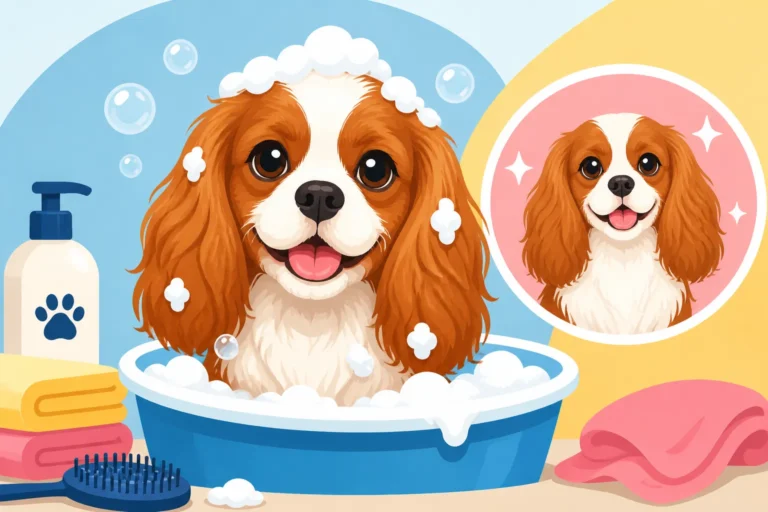
Bathing is essential for removing dirt, debris, and excess oils that can weigh down the coat and contribute to matting. However, improper bathing can actually make matting worse! Always thoroughly brush your Cavalier before bathing. Trying to wash a matted coat will only tighten the existing tangles and make them exponentially harder to remove.
Use a high-quality dog shampoo and conditioner, working them gently into the coat. Rinse thoroughly, ensuring no shampoo residue is left behind, as this can irritate the skin and dull the coat. After rinsing, gently squeeze excess water from their feathering, and then move on to proper drying.
Proper Drying Techniques
This is where many owners unwittingly contribute to matting. Air drying a Cavalier's feathering is a recipe for disaster. As the hair air dries, it contracts and clumps, leading to immediate tangles and mats. After bathing, gently towel dry your Cavalier, blotting and squeezing the water rather than rubbing vigorously, which can create knots.
Then, use a low-heat, high-velocity pet dryer (or even a human hairdryer on a cool setting) to thoroughly dry their coat. As you dry, brush the feathering in sections, just as you would during a regular brushing session. This ensures the hair dries straight and smooth, preventing tangles from forming. It's a bit of extra effort, but it's crucial for maintaining their silky coat. Drying Cavalier Feathering Properly is key to preventing new mats.
Overall Health and Diet's Impact on Coat Quality
A truly healthy coat starts from within. Your Cavalier's diet plays a significant role in the luster, strength, and overall condition of their fur. A diet rich in essential fatty acids (like Omega-3 and Omega-6), quality proteins, and vitamins will nourish their skin and coat, making it less prone to dryness, breakage, and matting.
If your Cavalier's coat seems dull, brittle, or excessively dry despite regular grooming, it might be worth discussing their diet with your vet. They might recommend a change in food or the addition of supplements like fish oil. Remember, grooming is a partnership between external care and internal health. A healthy dog often has a healthy, manageable coat, which makes your brushing routine that much more effective and rewarding.
Summary of Brushing Frequency and Tools
To help you keep track, here’s a quick overview of the recommended brushing frequency and the essential tools you'll need for your Cavalier's feathering. Sticking to this routine will make a world of difference in maintaining their beautiful coat and ensuring their comfort.
| Activity | Frequency | Essential Tools | Benefits |
|---|---|---|---|
| Full Brushing | 3 times a week (minimum) | Slicker brush, Metal comb, Detangling spray, Treats | Prevents mats, distributes oils, health check, bonding |
| Daily Quick Check | Daily | Fingers, Fine-toothed comb | Catches small tangles before they escalate, early detection |
| Bathing & Drying | As needed (every 2-4 weeks usually) | Dog shampoo & conditioner, Towels, Pet dryer, Slicker brush, Metal comb | Cleans coat, prevents skin issues, ensures smooth drying |
| Health Check | During every brush | Your hands and eyes | Early detection of lumps, bumps, parasites, skin issues |
Remember, this is a guideline. If your Cavalier spends a lot of time outdoors or is particularly prone to mats, you might need to brush more frequently.
Disclaimer
This article is for general informational purposes only and does not constitute professional advice. Laws, prices and regulations vary by location and change over time. Consult a qualified professional for guidance on your specific situation.