Cavalier Eye and Face Cleaning
One of the most common frustrations for Cavalier King Charles Spaniel owners is keeping those beautiful, expressive faces clean and bright. Between prominent eyes prone to tear staining and delicate muzzle folds that can trap moisture and debris, it feels like a constant battle. This comprehensive guide will walk you through everything you need to know about Cavalier eye and face cleaning, offering practical advice and solutions to keep your beloved companion looking and feeling their best.
Understanding Your Cavalier's Unique Facial Needs
Cavaliers are undeniably charming, and a huge part of that charm comes from their soft, melting expression. However, those very features that make them so adorable also present some unique grooming challenges. Their prominent eyes and somewhat shorter muzzle, while not as extreme as some brachycephalic breeds, mean they require specific attention that dogs with different facial structures might not. It’s not just about aesthetics; proper face cleaning is crucial for their health and comfort.
The Prominent Eyes and Their Vulnerabilities
Unlike breeds with deep-set eyes, a Cavalier's eyes tend to be quite large and sit forward on their face. This gives them that sweet, soulful look we all adore, but it also means their eyes are more exposed to the elements and potential irritants. Think about dust, pollen, loose hairs, or even just general grime from sniffing around the yard. Their eyes are less protected by bone structure, making them more vulnerable to drying out, collecting debris, or showing signs of irritation. This exposure can also contribute to excessive tearing, which is the primary culprit behind those stubborn tear stains that many Cavalier owners know all too well. It’s a delicate balance, appreciating their beauty while safeguarding their health.
This prominence means that even a slight overproduction of tears, or a minor blockage in the tear ducts, becomes highly visible. The moisture doesn't just evaporate cleanly; it runs down the fine hairs around the eyes, creating a damp environment. This dampness, combined with natural oils and sometimes yeast or bacteria, quickly leads to the reddish-brown discoloration we call tear staining. It's not necessarily a sign of poor hygiene, but rather a characteristic of their facial anatomy that demands regular, proactive care. Neglecting this area can lead to skin irritation, foul odors, and even infections if left unchecked.
The Impact of a Shorter Muzzle
While Cavaliers aren't typically classified as extremely brachycephalic, their muzzles are certainly shorter than many other breeds. This can lead to a few issues, particularly around the mouth and nose area. The folds and creases that naturally occur can become traps for food particles, drool, and moisture. If you've ever watched your Cavalier eat, you know how enthusiastically they dive into their bowl! All that delicious kibble or wet food can easily get lodged in those little crevices around their nose and lips.
These facial folds are warm, dark, and often moist, creating a perfect breeding ground for bacteria and yeast if not cleaned regularly. Over time, this can lead to skin irritation, dermatitis, and a rather unpleasant smell. It’s not a pleasant thought, but it’s a reality of owning a Cavalier. Owners often discover this when they notice their dog scratching at their face more often or when they catch a whiff of something less-than-fresh during a cuddle session. Keeping these areas meticulously clean is a non-negotiable part of their overall grooming, ensuring comfort and preventing potential skin issues that could escalate if ignored.
Establishing a Gentle Daily Eye Care Routine
Consistent, gentle daily care is your best defense against many of the common facial issues Cavaliers face. It’s far easier to prevent problems from taking hold than to treat them once they’ve become established. Think of it as a quick, loving check-in with your pup each day, ensuring their eyes are clear and their face is fresh.
Simple Wiping for Everyday Freshness
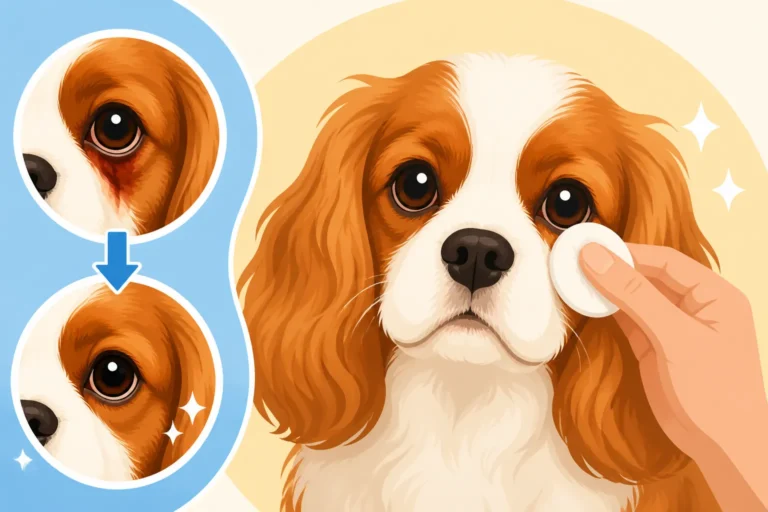
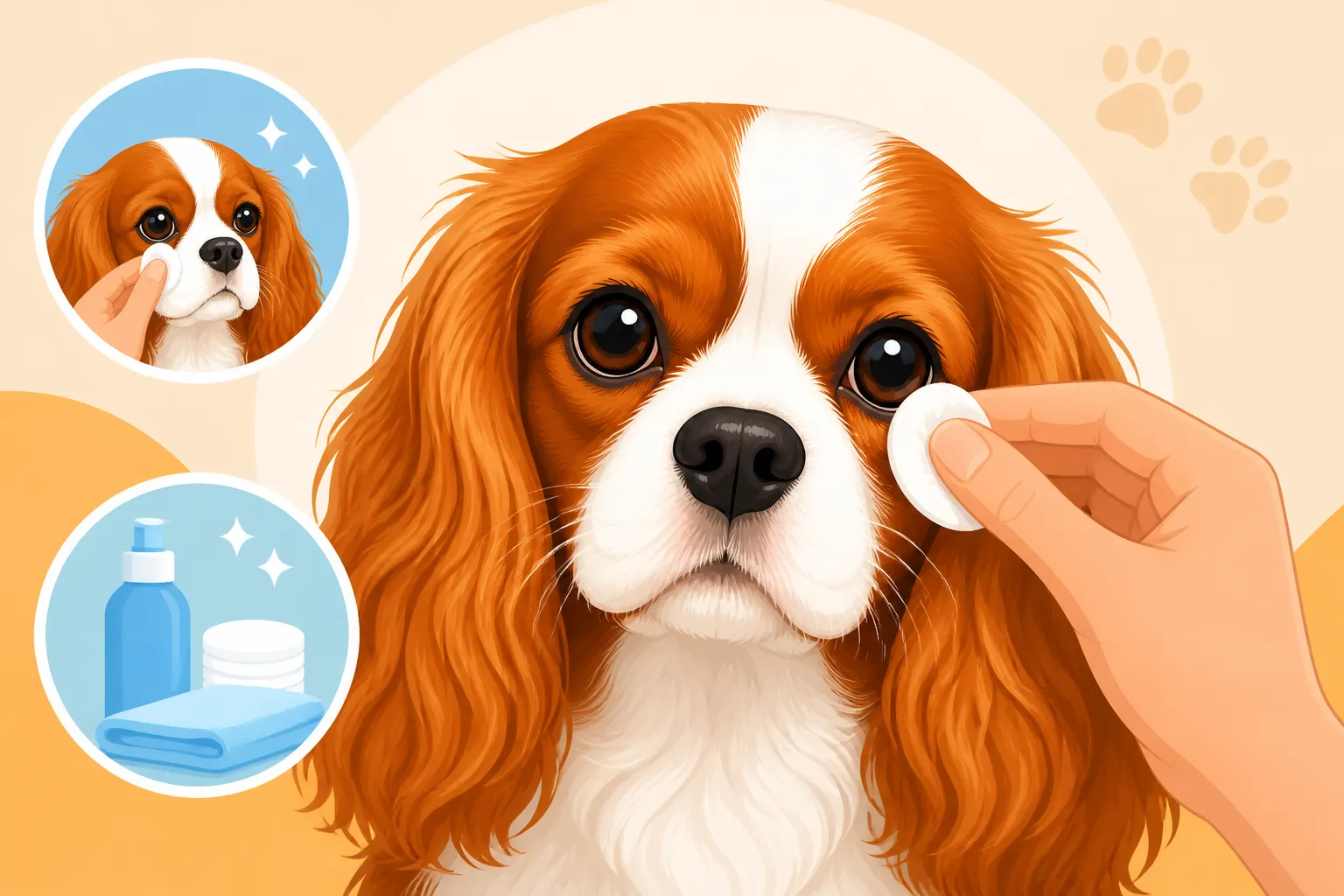
A quick wipe-down of your Cavalier’s eyes and surrounding face should become as routine as their morning potty break. This isn't about deep cleaning or stain removal; it's about intercepting trouble before it starts. Use a soft, damp cloth – a designated washcloth or a cotton pad works perfectly. Many owners find that plain warm water is sufficient for daily cleaning. Gently wipe away any sleep crust, stray hairs, or light tear residue from the corners of their eyes and along the tear troughs. Always use a fresh part of the cloth or a new pad for each eye to prevent any potential spread of irritation or infection.
The key here is gentleness. Their eyes are sensitive, and you don’t want to cause any discomfort or fear that might make future cleaning sessions difficult. If your Cavalier is a puppy, start this routine early and make it a positive experience with lots of praise and perhaps a tiny, low-calorie treat. Establishing this habit when they're young makes it much easier as they grow. This simple act removes irritants before they can settle and stain, and it gives you a chance to visually inspect their eyes for any redness, discharge, or changes that might indicate a larger issue. This proactive step can save you a lot of headache down the line, as persistent crust or discharge can quickly turn into something more concerning.
Preventing Tear Stain Buildup
Tear stains are a particular bugbear for many Cavalier owners, especially those with lighter-colored dogs like Blenheims or Rubies. Prevention is truly the name of the game here. Beyond daily wiping, there are several strategies you can employ to minimize the appearance and severity of these stains. One key factor is water quality. Some suggest that the minerals in tap water can exacerbate staining. Switching to filtered or distilled water for your Cavalier might make a noticeable difference for some dogs. You can easily find water filters or purchase jugs of distilled water from your local grocery store or from retailers like Amazon.
Another consideration is their food bowl. Plastic bowls can harbor bacteria more easily than stainless steel or ceramic. If your Cavalier is eating or drinking from a plastic bowl, consider switching to a non-porous material that is easier to keep thoroughly clean. Ensuring their face isn't constantly wet from drinking is also important; some owners use elevated bowls or bowls with a narrower opening to encourage cleaner drinking habits. Regular grooming, including carefully trimming the hair around their eyes (or having your professional groomer do so), can also prevent moisture from wicking into the fur and creating a breeding ground for staining bacteria. Remember, consistency is crucial. A day or two of neglect can quickly undo weeks of diligent cleaning when it comes to tear stains.
Tackling Stubborn Tear Stains
Despite your best efforts, sometimes tear stains can become deeply set or particularly stubborn. It's a common struggle, and it can feel disheartening when you’re doing everything right and those reddish-brown streaks still persist. Don’t despair! There are specific approaches and products designed to help you regain control.
Identifying the Causes Behind the Stains
Before you dive into a rigorous cleaning regimen, it's really helpful to understand why your Cavalier might be developing significant tear stains. While some level of staining is often normal for the breed due to their eye structure, excessive or sudden staining could point to an underlying issue. Are their tear ducts blocked? This is a condition where tears don't drain properly and instead spill over onto the face. Sometimes this can be checked by a vet with a simple dye test. Are they experiencing allergies? Environmental allergens or even food sensitivities can cause increased tearing and subsequent staining. A change in food might be worth exploring, perhaps a limited ingredient diet. You might also notice Whether Diet Causes Cavalier Tear Staining.
Another common cause can be eye irritation from stray hairs rubbing the eye, or even something as simple as dust or pollen. Gently checking their eyes for any ingrown eyelashes or irritation with a soft, clean finger can sometimes reveal a culprit. Even the shape of their eyelids can play a role; some Cavaliers have slightly inverted eyelids (entropion) or eyelids that don't close perfectly, causing chronic irritation. Sometimes, a vet visit is the only way to truly pinpoint and address these underlying causes. Getting to the root of the problem, rather than just treating the symptom, can lead to more lasting relief from staining. Cavalier Eye Disease From Dry Eye to Cataracts covers a range of eye conditions that might present with tear staining as a symptom.
Effective Cleaning Methods and Products
Once you've ruled out significant underlying health issues, you can focus on effective cleaning methods for those stubborn stains. There are numerous products on the market specifically formulated to address tear staining. Many contain mild cleansing agents or natural ingredients designed to break down the porphyrin (a pigment in tears) that causes the reddish discoloration. When choosing a product, always opt for those specifically labeled as safe for dogs' eyes and faces. Avoid anything with harsh chemicals, bleach, or strong perfumes, as these can irritate your Cavalier's sensitive skin and eyes.
For active cleaning, you'll want to gently apply the product as directed, usually with a cotton ball or a soft cloth. You might need to let it sit for a moment to loosen the stain, then gently wipe. Be prepared for this to be a gradual process, especially if the stains are deeply set. It won't disappear overnight. Consistency is key; often, daily application for a week or two, followed by maintenance a few times a week, yields the best results. Some popular options for cleaning solutions and wipes can be found readily available through online retailers like Chewy or Amazon. Always read reviews and, if in doubt, consult your veterinarian about suitable products, especially if your Cavalier has sensitive skin or a history of eye issues.
Diet and Water Considerations
Beyond external cleaning, what goes into your Cavalier can also have a surprising impact on tear staining. As mentioned, water quality is a factor for many dogs. The minerals and even chlorine in tap water can react with porphyrins in tears, making stains more noticeable. Switching to filtered or purified water might reduce this reaction. Think of it as a small, easy change that could yield big results for some dogs. You can pick up a simple pitcher filter or invest in a larger home filtration system.
Diet plays a role too. Some theories suggest that certain ingredients or additives in dog food can contribute to increased tearing or staining. While there's no universal "anti-stain" diet, some owners report success with switching to a higher quality food, a limited ingredient diet, or even a different protein source. For instance, sometimes a dog might have a mild sensitivity to chicken, and switching to lamb or fish could reduce overall inflammation and tearing. Ensure your Cavalier is on a balanced, appropriate diet for their age and activity level. You might find specialty foods for sensitive digestion or those that promote skin and coat health, available from pet food retailers. While Ollie focuses on fresh food delivery, the principles of balanced, quality nutrition they advocate can be a general guide for considering your dog's overall diet and its potential impact on factors like tear staining. Remember, any significant dietary change should be introduced gradually to avoid upsetting your Cavalier's stomach.
Cleaning Muzzle Folds and Chin Area
The Cavalier's charmingly soft face often comes with subtle folds around the muzzle and chin, especially in Blenheims or dogs with slightly more pronounced markings. These seemingly innocuous creases can become problem areas if not regularly attended to. It's not just about removing visible grime; it's about preventing irritation and bacterial growth in these warm, moist pockets.
Why Muzzle Folds Need Attention
Imagine constantly having tiny bits of food, dribbled water, and natural skin oils trapped in a warm, dark crease on your face. It sounds pretty uncomfortable, right? That's exactly what can happen in a Cavalier's muzzle folds. Every time they eat, drink, or even just sniff around, debris can accumulate. This trapped moisture and organic matter create an ideal environment for yeast and bacteria to flourish, leading to a condition often called "fold dermatitis." You might notice redness, a foul odor, and your Cavalier might start rubbing their face on carpets or furniture more often, trying to alleviate the itch or discomfort.
Neglecting these areas can lead to chronic skin infections that are painful for your dog and can require veterinary intervention, including medicated wipes or even oral antibiotics. It’s particularly common on the lower lip or chin area where food tends to gather. Owners often miss these spots because they aren't as immediately obvious as tear stains, but they can be far more irritating for the dog. Regular cleaning is paramount to prevent these hidden pockets from becoming a source of ongoing discomfort and potential health issues for your furry friend.
Step-by-Step Cleaning for Deeper Crevices
Cleaning muzzle folds requires a bit of dedication and the right technique. You’ll need soft cotton pads or gauze squares, and a gentle, dog-safe facial cleanser or simply warm water. Some owners use diluted veterinary chlorhexidine wipes if instructed by their vet for recurring issues, but for daily maintenance, a mild solution is usually sufficient.
Here’s a step-by-step approach:
- Gather your supplies: Have your cotton pads and chosen cleaner ready.
- Gently lift the folds: Carefully use your fingers to expose the skin within the folds. You might need to gently stretch the skin slightly to get a good look and reach into the deeper parts.
- Wipe thoroughly: Dampen a cotton pad with your chosen cleanser or warm water. Gently wipe the exposed skin inside the fold, making sure to remove all traces of food, moisture, and debris. You might be surprised at what you find in there! Use a fresh pad for each fold or as soon as a pad becomes soiled.
- Dry completely: This step is crucial. After cleaning, use a dry cotton pad or a soft piece of gauze to thoroughly dry the area. Leaving any moisture behind can defeat the purpose and encourage yeast or bacterial growth. You want the skin in those folds to be as dry as possible.
- Repeat as needed: For most Cavaliers, a daily or every-other-day cleaning is sufficient. If your dog is prone to excessive drooling or is a particularly messy eater, you might need to clean these areas after each meal.
This routine, while it adds a minute or two to your day, is invaluable for your Cavalier's comfort and health. It’s about being proactive and preventing those painful skin irritations that can quickly develop in neglected facial folds.
Comprehensive Facial Grooming: Beyond the Eyes
While eyes and muzzle folds demand specific attention, a Cavalier's entire face benefits from a comprehensive grooming approach. This includes their ears, which are an iconic feature of the breed, and even the often-overlooked corners of their mouth. Thinking holistically about their facial hygiene ensures no problem area is neglected.
Keeping Ear Leathers Clean and Dry
Cavaliers are famous for their long, silky drop ears. While gorgeous, these ears are unfortunately prone to problems because they hang down, covering the ear canal and trapping warmth and moisture. This creates a perfect breeding ground for yeast and bacteria, leading to frequent ear infections. Regular cleaning of the ear leather (the outside flap) and ensuring the area around the ear opening is clean is essential.
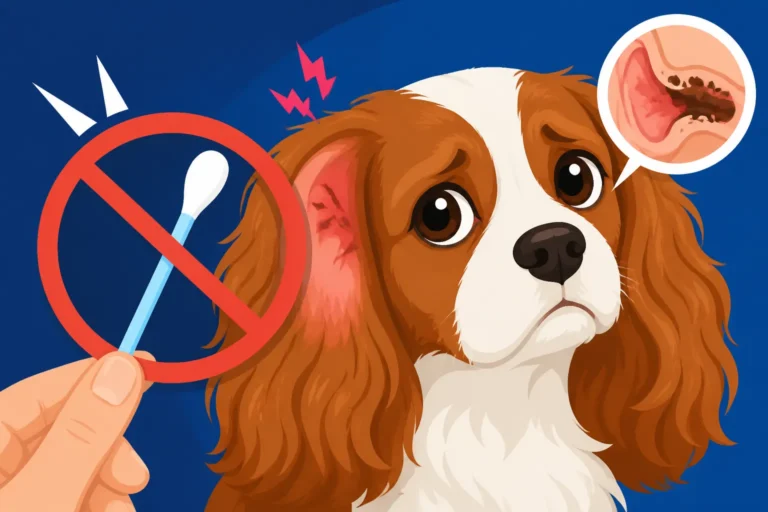
During your facial cleaning routine, take a moment to gently wipe the underside of your Cavalier's ear flaps. Pay attention to the skin closest to their face, where moisture might build up. Use a soft, damp cloth or a pet-safe ear wipe to clean away any surface dirt or waxy residue. Never use cotton swabs inside the ear canal itself, as this can push debris deeper or even damage the eardrum. For actual ear canal cleaning, use a veterinarian-approved ear cleaner as directed by your vet, usually a few times a month, or more often if your dog is prone to infections. The goal is to keep the skin on and around the ear flaps clean and dry. A little fan after bathing can also help dry the ear canal opening. Remember, Cavalier Ear Care Under a Heavy Drop Ear is crucial for preventing infections, which are a common issue for the breed.
Oral and Lip Fold Hygiene
While dental care is a topic in itself, giving a little attention to the outer lip folds and mouth corners during your face cleaning can contribute significantly to overall facial hygiene. Cavaliers have somewhat crowded mouths, and food can easily get trapped in the corners of their lips or in shallow folds along their gums. Over time, this accumulation can contribute to bad breath, gum irritation, and even extend the reach of dental problems. Cavalier Dental Disease in a Crowded Jaw is a common concern.
After meals, take a moment to wipe around your Cavalier's mouth with a damp cloth, especially if they’re a messy eater. Pay particular attention to the corners of the lips, gently pushing them back slightly to ensure no food debris is clinging there. This simple step helps remove bacteria-laden food particles before they can cause issues. It's not a substitute for regular teeth brushing or professional dental cleanings, but it's an excellent supplementary measure. Keeping these areas clean also helps prevent staining of the fur around the mouth, especially for lighter-colored Cavaliers. A quick wipe is much easier than tackling caked-on food or developing skin irritation in those delicate areas.
Essential Tools and Products for Cavalier Face Care
Having the right tools and products on hand makes the task of Cavalier face cleaning much easier and more effective. You don't need a huge arsenal, but selecting high-quality, gentle, and dog-safe items is paramount to ensuring your pup's comfort and preventing irritation. Investing in good supplies means less struggle and better results.
Gentle Cleansers and Wipes
The cornerstone of your Cavalier's facial cleaning kit will be gentle cleansers and wipes. For daily, general cleaning, warm water on a soft cloth or cotton pad is often all you need, particularly around the eyes to remove morning gunk. However, for more targeted cleaning, especially for tear stains or dirty muzzle folds, you'll want something a bit more specialized. Look for tear stain removers that are specifically designed for dogs and are free of harsh chemicals, peroxides, or irritating ingredients. Many are available as liquid solutions applied to a cotton pad, or as pre-moistened wipes.
When choosing wipes, ensure they are soft and don't contain alcohol, which can be drying and irritating to sensitive skin. Brands like Earthbath or Petkin offer gentle options for pet wipes that can be used around the face. For stubborn tear stains, some dedicated cleaning solutions contain ingredients like boric acid or witch hazel in safe concentrations, which can help lighten the staining over time. Always test a new product on a small, inconspicuous area first to ensure your Cavalier doesn't have an adverse reaction. Many popular pet stores and online retailers like Chewy and Amazon offer a wide selection of these products, often with customer reviews that can guide your choice. Just remember that what works wonders for one dog might not be ideal for another, so a little trial and error might be necessary.
Combs and Brushes for Facial Feathering
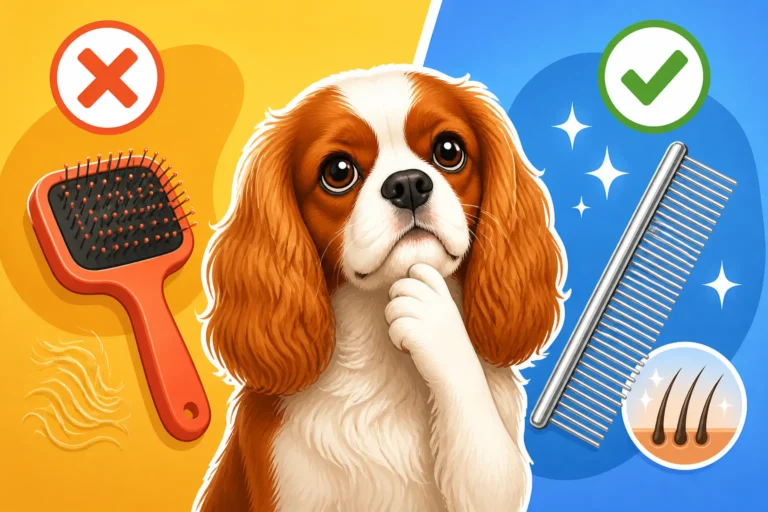
While a slicker brush and comb are essential for your Cavalier's body coat, special attention is needed for the delicate feathering around their face and ears. The hair here is often finer and more prone to tangling and matting, especially behind the ears and around the cheeks. A small, fine-toothed metal comb, sometimes called a flea comb or a facial comb, can be incredibly useful. This type of comb is perfect for gently teasing out small tangles and removing crust or debris that might be caught in the hair around the eyes or muzzle.
For the longer feathering on their ears, a slightly wider-toothed comb or a small pin brush can help keep the hair smooth and free of mats. Regular combing prevents mats from forming, which can pull on their skin and cause discomfort, especially if they get wet and tighten. You don't want to use anything too harsh or sharp near their eyes. Always comb away from the eye itself. Keeping this facial feathering neat not only looks good but also prevents hairs from irritating their eyes, potentially reducing tearing and tear staining. Many grooming suppliers offer these specialized combs, and you can usually find a good selection online from places like Amazon.
| Tool/Product Type | Best Use Case | Key Features to Look For | Frequency of Use (Typical) |
|---|---|---|---|
| Soft Cotton Pads/Gauze | Daily eye/muzzle wiping, applying cleansers | Lint-free, soft, absorbent | Daily |
| Warm Water | Basic daily cleaning, rinsing | Plain, filtered water often preferred over tap | Daily |
| Gentle Dog Facial Wipes | Quick clean-ups, light tear stain maintenance | Alcohol-free, fragrance-free, pH-balanced, hypoallergenic | Daily or every other day |
| Tear Stain Remover Solution | Targeting stubborn tear stains, deep cleaning | Dog-safe, non-irritating, free of harsh chemicals, specific instructions | Daily (initial), 2-3x/week (maintenance) |
| Small Fine-Toothed Comb | Removing eye crust, tangles around eyes/muzzle | Rounded teeth, stainless steel, small size for precision | Daily as needed |
| Pet Ear Cleaner (Vet-approved) | Cleaning inside ear canal (under guidance) | Antifungal/antibacterial properties, gentle, non-irritating | Weekly to monthly (as directed by vet) |
| Dry Cloth/Gauze | Thoroughly drying muzzle folds after cleaning | Highly absorbent, soft | As needed after cleaning |
Recognizing When to Seek Veterinary Help
While a consistent home grooming routine is vital, it’s equally important to know when a problem is beyond your capability to manage and requires professional veterinary attention. Ignoring persistent or worsening symptoms could lead to more serious health issues for your Cavalier. As a responsible owner, learning to differentiate between a minor grooming challenge and a medical concern is crucial.
Signs of Eye Irritation or Infection
Your Cavalier's eyes are delicate, and they can develop issues quickly. If you notice any of the following signs, it's time to contact your veterinarian:
- Excessive redness or inflammation: While a little pinkness after playing in the wind is normal, persistent or intense redness, especially if accompanied by swelling, is a red flag.
- Thick or colored discharge: Clear or slightly watery discharge is often just tears. However, if the discharge becomes thick, yellow, green, or looks like pus, it's a strong indicator of infection. Crust in the Corner of a Cavalier's Eye can be a normal sleep crust or something more.
- Squinting, pawing at the eye, or sensitivity to light: These are all signs of pain or significant discomfort. Your Cavalier might be experiencing a foreign body in the eye, a corneal scratch, or an infection.
- Cloudiness or visible injury to the eye itself: Any change in the clarity of the eye, or any visible scratch or lesion on the cornea, needs immediate veterinary attention.
- Persistent dryness or a dull appearance: If your Cavalier's eyes seem consistently dry or lack their usual sparkle, it could be a sign of Dry Eye and Curly Coat Syndrome in Cavaliers, a condition common in the breed.
Don't try to self-diagnose or treat serious eye issues with over-the-counter human products. What might be safe for humans can be harmful to dogs. Prompt veterinary care can prevent minor issues from becoming severe and can save your Cavalier from unnecessary pain or even vision loss.
Persistent Staining and Underlying Health Issues
While we’ve discussed home remedies for tear stains, sometimes no amount of wiping or product application seems to make a difference. If your Cavalier develops sudden, severe, or unusually persistent tear staining, even after diligent home care, it could be a sign of an underlying medical condition that needs a vet's diagnosis. This is especially true if the staining is accompanied by any of the eye irritation signs mentioned above.
Conditions such as blocked tear ducts, allergies (both environmental and food-related), entropion (inward-turning eyelids), ectropion (outward-turning eyelids), or even extra eyelashes rubbing the cornea can all cause excessive tearing and subsequent staining. A veterinarian can perform a thorough eye exam, including a fluorescein stain test to check for corneal abrasions, a Schirmer tear test to measure tear production, and a thorough inspection of the eyelids and tear ducts. They might also suggest allergy testing or dietary changes. Extra Eyelashes Rubbing a Cavalier's Eye is one such issue. They can also prescribe specific Prescription Eye Drops for a Cavalier Every Day if needed. Sometimes, addressing the root cause, rather than just cleaning the symptoms, is the only way to achieve lasting relief from severe tear staining. Never hesitate to get a professional opinion when your instincts tell you something isn't quite right.
Integrating Face Cleaning into a Cavalier's Regular Routine
Making face cleaning a stress-free and even enjoyable part of your Cavalier's life is crucial. Just like any other aspect of their care, consistency, patience, and positive reinforcement are your best tools. The goal is for your Cavalier to not just tolerate, but perhaps even look forward to, these moments of gentle attention.
Making Grooming a Positive Experience
From the very first day you bring your Cavalier home, start slowly introducing them to gentle touching and handling around their face. Begin with short sessions, just a few seconds of gently touching their muzzle, then their ears, then briefly around their eyes. Always follow this with lavish praise, a favorite treat, or a short play session. The idea is to associate the handling with something pleasant. As they become comfortable, gradually increase the duration and intensity of the touching.
When you introduce actual cleaning, keep it brief and calm. Don't force them or hold them down if they are panicking, as this can create a negative association that is very hard to undo. If they resist, stop, try again later, and adjust your approach. Use a soothing voice and positive reinforcement throughout the process. For example, after you gently wipe their eyes, immediately give them a special treat. Over time, they will learn that these grooming sessions aren't scary, and they often lead to yummy rewards or happy cuddles. This positive conditioning makes future cleaning much, much easier for both of you.
Consistency is Key to Prevention
Think of face cleaning not as a chore you do once a month, but as a small, non-negotiable part of your daily or weekly routine, much like feeding them or taking them for a walk. Especially for Cavaliers, with their predisposition to tear stains and ear issues, consistency truly is the most effective form of prevention. A few minutes of gentle cleaning each day can prevent hours of struggling with matted fur, irritated skin, or stubborn, deep-set stains later on.
Establish a schedule that works for you and your Cavalier. Perhaps it's a quick wipe-down first thing in the morning when you check their eyes for sleep crust, or a more thorough facial wipe after their dinner, ensuring no food gets trapped. Regularity helps prevent problems from escalating and keeps their face looking fresh and feeling comfortable. It also allows you to catch any new issues, like a developing redness or a new lump, early on. Consistency fosters good habits for your dog and makes the process second nature for you, ultimately contributing to a happier, healthier Cavalier. Wiping a Cavalier's Face After Meals can make a huge difference in preventing unsightly stains and skin irritation.
Disclaimer
This article is for general informational purposes only and does not constitute professional advice. Laws, prices and regulations vary by location and change over time. Consult a qualified professional for guidance on your specific situation.