Working a Mat Out of Cavalier Feathering
Oh, the dreaded mat! If you’ve ever run your fingers through your Cavalier’s gloriously soft, flowing feathering only to hit a knot of tangled fur, you know that little pang of dread. It feels like it appears overnight, doesn't it? Working a mat out of your Cavalier King Charles Spaniel’s coat can be a challenge, and sometimes, it feels like an insurmountable task that leaves both you and your sweet pup frustrated. But don't despair – this guide is all about giving you the practical, empathetic advice you need to tackle those pesky mats gently and effectively, ensuring your Cavalier stays comfortable and beautiful.
Why Cavalier Feathering Mats So Readily
Cavalier King Charles Spaniels are renowned for their beautiful, silky coats, often adorned with luxurious feathering on their ears, chest, legs, and tail. While undeniably gorgeous, this very characteristic also makes them highly prone to matting. Understanding why their coat forms these knots is the first step in prevention and effective removal. It’s not just about a lack of brushing; there are specific qualities of their fur that make them mat magnets.
The Silky, Single-Layered Coat
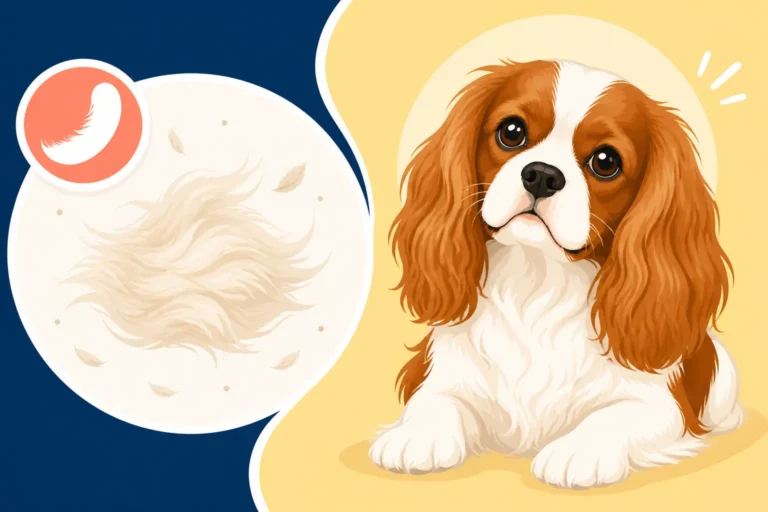
Unlike many breeds that have a dense double coat with a coarser outer layer and a soft undercoat, Cavaliers typically have a single coat. This coat is long, silken, and fine, which, while beautiful to touch, lacks the rigidity that might help prevent tangles in a coarser coat. Imagine trying to untangle a fine silk thread versus a thick piece of yarn – the silk is far more prone to knotting up.
When fine hairs rub against each other, especially when they're dry or dirty, they become friction points. Instead of sliding past each other, they intertwine and grab, forming tiny tangles that quickly escalate into larger, denser mats. This is particularly true for areas of the body where there's a lot of movement or contact with surfaces, like the dog bed or the ground. A Cavalier's coat simply doesn't have that protective, coarser outer layer to shed debris and prevent the finer hairs from becoming hopelessly intertwined. It means we, as their human companions, have to be extra vigilant in maintaining their luxurious locks. It's a small price to pay for their affectionate nature and stunning looks, but it does require a consistent grooming routine.
Common Mat Hotspots on a Cavalier
While mats can technically form anywhere on a Cavalier’s body, there are certain areas that are absolute magnets for tangles due to friction, moisture, and the natural movement of the dog. These are the spots you'll want to pay extra attention to during your regular grooming sessions, almost like a mental checklist you run through. Neglecting these areas, even for a day or two, can quickly lead to painful, skin-tight mats.
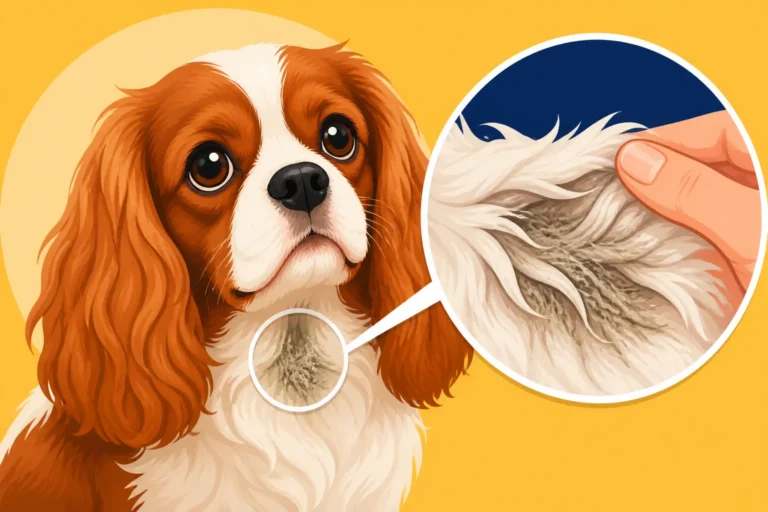
One of the most notorious areas for matting is behind the ears. The long, heavy ear feathering of a Cavalier constantly rubs against the fur at the base of the ear and the neck as they move their head, creating friction. This area also tends to get damp from drinking water or even just the natural oils and moisture from their skin, which exacerbates the matting problem. Often, these mats start small and deep, clinging close to the skin, making them hard to spot until they've become quite substantial and uncomfortable. Similarly, the armpits and groin areas are high-friction zones where the legs rub against the torso. These spots are often out of sight, out of mind until you feel a hard lump that shouldn't be there. Imagine wearing a sweater that constantly bunches and chafes under your arms – that's what these mats feel like to your Cavalier. Mats in a Cavalier's Armpits and Groin often develop because these areas are so active.
Other common matting zones include the "cuff" area on the front and hind legs, where leg feathering meets the paw, and the tail feathering, which can tangle when wagged vigorously or when the dog sits. Even the chest and belly, especially if your Cavalier loves to roll around on their back, can develop mats. The key is to be proactive and systematic in your checks, paying particular attention to these vulnerable spots. It’s not just about looking at the surface of the coat, but really getting your fingers down to the skin to feel for any tightness or bumps.
Prevention is Key: Daily Brushing and Routine Care
Let's be honest, finding a mat is no fun for anyone involved. The best mat is one that never forms in the first place, and for a Cavalier, this means making daily grooming a non-negotiable part of your routine. Think of it less as a chore and more as a bonding ritual with your beloved companion. Consistent, gentle care can make all the difference, transforming potential mat disasters into easily manageable fluff.
Establishing Daily Brushing Habits
For a Cavalier, "daily brushing" isn't just a suggestion; it's a necessity. Their beautiful, silky coats need constant attention to prevent the fine hairs from tangling and developing into painful mats. Just five to ten minutes each day can save you hours of struggle later on, not to mention sparing your Cavalier a lot of discomfort. It's truly a small investment for such a high return in their comfort and well-being.
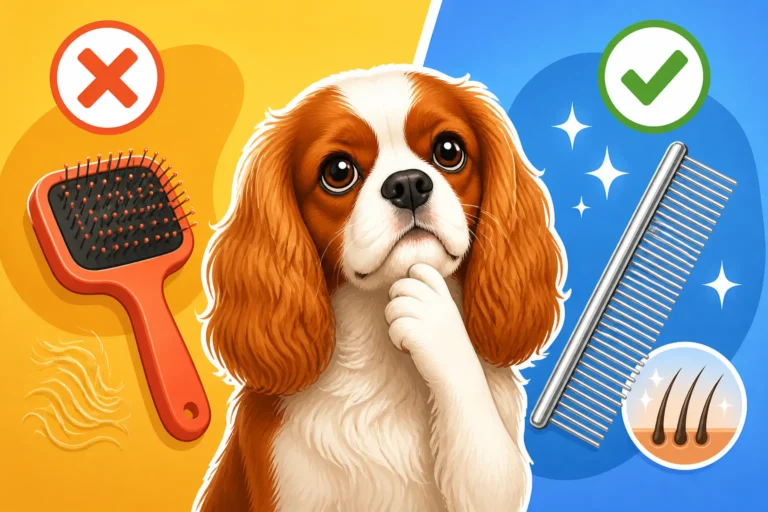
When you brush, don't just skim the surface. You need to get down to the skin, gently, using a systematic approach. Imagine dividing your Cavalier's body into sections – start with one leg, then move to the chest, then the other leg, and so on. Always pay extra attention to those notorious mat hotspots: behind the ears, under the armpits, and in the groin area. A good quality pin brush or a soft slicker brush can work wonders for general coat maintenance, followed by a metal comb to check for any missed tangles. For the feathering, remember to brush in layers, lifting the top coat and brushing the under layers first. This ensures you're addressing any nascent tangles before they can tighten into full-blown mats. Turning brushing into a positive experience with treats and praise can make your Cavalier look forward to this daily ritual, making your life, and theirs, much easier. Brushing a Cavalier's Feathering Three Times a Week is a great start, but daily is even better.
Effective Detangling Sprays and Conditioners
Even with the most diligent daily brushing, sometimes a little tangle will sneak in, or you might encounter some static or dryness that makes the coat more prone to knotting. This is where a good quality detangling spray or leave-in conditioner becomes your best friend. These products aren't just for making your Cavalier smell nice; they serve a crucial functional purpose by lubricating the hair shafts, making them more slippery and less likely to grab onto each other.
When selecting a detangling spray, look for formulas specifically designed for dogs, ideally those that are lightweight and won't leave a greasy residue. Many are infused with conditioning agents like argan oil, silk proteins, or aloe vera, which help to hydrate the coat and prevent breakage. To use it effectively, lightly mist the area you're about to brush – you don't want to drench your dog, just create a fine, even layer of product on the fur. Then, gently work through with your brush or comb. The spray helps the knots loosen and separate with less pulling and tugging, which is far more comfortable for your Cavalier. Brands like Burt's Bees, Earthbath, or even specific grooming lines found on Chewy or Amazon offer excellent detangling sprays. Think of it as adding a little 'slip' to the coat, allowing your brush to glide through instead of getting stuck. Regularly incorporating a good conditioner during baths, like the one recommended in Whether Conditioner Helps Cavalier Feathering, can also bolster the coat's resilience against mats between washes.
Essential Tools for Tackling Mats
You wouldn't try to fix a leaky faucet without the right wrench, and the same principle applies to grooming your Cavalier. Having the correct tools on hand is absolutely critical for safely and effectively removing mats. Trying to yank out a mat with a regular brush will only cause pain, break the hair, and make the situation worse. Invest in quality grooming tools; they are an investment in your Cavalier's comfort and coat health.
Dematting Combs and Rakes
When you're faced with a stubborn mat that brushing alone can't conquer, a dematting comb or rake becomes indispensable. These aren't your everyday combs; they're specifically designed to cut through or carefully separate dense tangles without necessarily having to cut a large chunk of fur out with scissors. There are a few different styles, and understanding their purpose can help you choose the right one for the job.
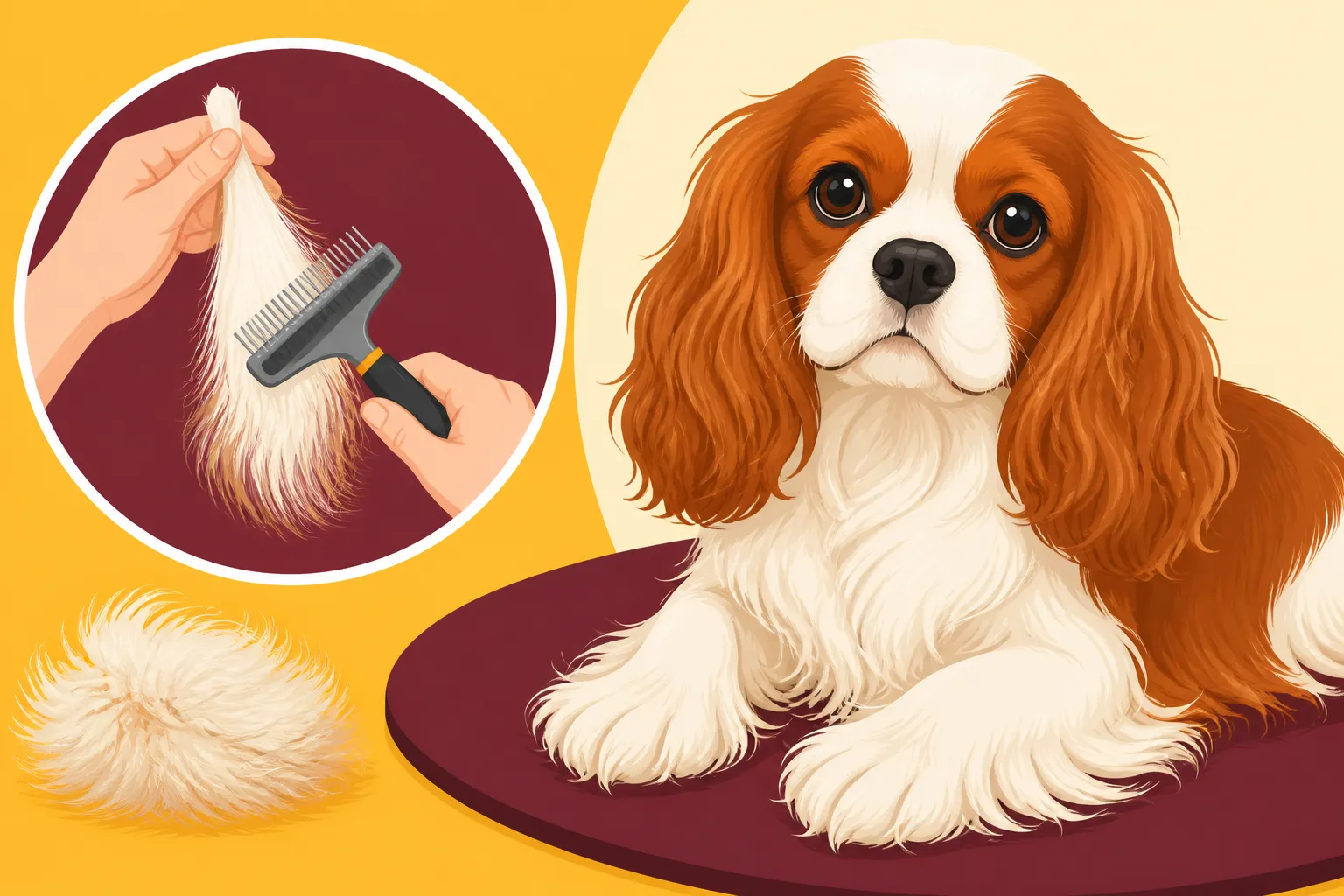
Dematting rakes often have sharp, inwardly curved blades (usually on one side) that are designed to slice through mats with minimal effort. You use them by gently pulling through the mat, parallel to the skin, allowing the blades to do the work of breaking up the felted fur. It's crucial to be incredibly careful with these tools because the blades are sharp and can easily nick your Cavalier's skin if you're not paying attention or if the mat is too close to the skin. Dematting combs, on the other hand, often feature widely spaced, strong metal teeth or a combination of wide and fine teeth. Some even have rotating teeth, which are fantastic for teasing apart tangles with less pulling. They work by gradually picking at the edges of a mat and teasing out strands, rather than cutting. A popular type is the "mat breaker" which has a few sharp, hooked teeth designed to penetrate and split a mat. Always ensure you have a firm grip and work slowly, never forcing the tool. You can find a good selection of these specialized tools on platforms like Chewy or Amazon. Remember, the goal is to gently dissect the mat, not rip it out.
Slicker Brushes and Pin Brushes
While dematting tools are for the mats themselves, slicker brushes and pin brushes are your everyday heroes for preventing them and for the initial stages of detangling smaller knots. They are fundamental to a Cavalier's grooming routine.
A slicker brush has a rectangular head covered with many fine, short wires angled on a rubber base. It’s excellent for removing loose hair and small tangles from the topcoat and feathering. When brushing with a slicker, use light, quick strokes, always brushing away from the skin, not directly into it, as the wires can be abrasive if pressed too hard. For dense feathering, you can lift sections of hair and brush the underlayers, working your way up. It helps to fluff out the coat and remove dead hair that might otherwise contribute to matting. On the other hand, a pin brush features widely spaced, smooth pins with rounded ends, typically set in a rubber cushion. This type of brush is ideal for longer, more delicate feathering, especially on the ears and tail. It glides through the coat more easily than a slicker, gently separating strands and preventing static. While it's not as effective at removing dead undercoat or very small tangles as a slicker, it's perfect for maintaining the length and silkiness of a Cavalier's most prized features. Many groomers recommend starting with a pin brush to untangle, then following with a slicker for a thorough removal of shedding hair. Having both on hand allows you to adapt your brushing technique to different areas and coat conditions. The Brush and Comb a Cavalier Coat Needs article has more details on selecting the perfect tools.
| Tool Type | Primary Use | Best For | Cautions |
|---|---|---|---|
| Slicker Brush | Removing loose hair, small tangles, fluffing | Body coat, general maintenance | Can scratch skin if pressed too hard |
| Pin Brush | Gentle detangling, maintaining long feathering | Ears, tail, leg feathering | Not ideal for removing dead undercoat or very tight tangles |
| Dematting Comb | Teasing apart medium to large mats | Dense tangles, close to the skin | Requires patience, can pull hair if not used carefully |
| Dematting Rake | Cutting through dense, tight mats | Severely matted areas | Blades are sharp, risk of cutting skin if not extremely cautious |
| Metal Comb (fine) | Checking for small tangles, finishing touches | All areas, especially after brushing | Can snag on existing tangles, use after detangling |
| Detangling Spray | Lubricating hair, easing knot removal, preventing static | All areas, especially before brushing matted areas | Ensure it's dog-safe and won't leave residue, do not over-saturate coat |
Step-by-Step Guide to Safely Removing Mats
So, you've found a mat. It happens to the best of us, even with regular grooming. The key now is to approach the removal process with patience, gentleness, and the right technique to minimize stress for your Cavalier and prevent further damage to their coat or skin. Rushing through it or getting frustrated will only make things worse. Think of it as a delicate surgical procedure for their fur.
Preparing Your Cavalier and the Workspace
Before you even touch that mat, you need to set the stage for success. This isn't just about your tools; it's about your Cavalier's state of mind and your environment. A calm dog is a cooperative dog, and a quiet workspace helps immensely.
First, choose a time when your Cavalier is relaxed – perhaps after a nice walk or a meal, when they're naturally inclined to settle down. Avoid trying to tackle a mat when they're full of energy or feeling fidgety. Find a quiet spot in your home with good lighting where you can comfortably work, preferably on a non-slip surface if your Cavalier stands for grooming. Some owners find a grooming table helpful for getting their dog to stay still, but a lap or a comfortable rug works too. Gather all your tools before you start: your dematting comb or rake, a slicker or pin brush, a metal comb, detangling spray, some treats, and potentially a small, blunt-nosed pair of scissors (only for extreme cases, and used with extreme caution, more on that later). Having everything within arm's reach prevents you from having to stop and search, which can break your Cavalier's concentration and patience. Give your Cavalier a reassuring stroke and offer a small, high-value treat to start the session on a positive note. This communicates that good things are about to happen, rather than a scary wrestling match.
Working on Small Sections with Patience
This is arguably the most crucial step: resisting the urge to tackle the entire mat at once. Mats are often dense and matted right down to the skin, and pulling on the whole thing will cause significant pain and discomfort for your Cavalier, leading them to resist any further attempts. Instead, you need to break the mat down, piece by painful piece.
Start by liberally applying your detangling spray or a small amount of leave-in conditioner directly onto the mat. Work it in gently with your fingers, allowing it to penetrate and soften the tangle. Give it a minute or two to soak in. Now, using your fingers, try to gently pull apart the very edges of the mat. Don't pull from the middle; always work from the outside in. Once you've loosened a small fringe of fur, take your dematting comb (or a metal comb with wide teeth) and begin to gently pick at that loosened edge. Use a "line brushing" technique: hold the fur above the mat with one hand, close to the skin, to prevent pulling on the skin itself, and with the other hand, use short, gentle strokes, working only a few strands at a time. The goal is to slowly tease out individual hairs or very small clumps from the outer edges of the mat. It's a slow, painstaking process, but patience here is paramount. If you hit a snag, don't yank. Stop, reapply spray, and try picking from a different angle or with fewer strands. Celebrate each small victory with praise and a tiny treat. This can be time-consuming, but Working a Mat Out of Cavalier Feathering means working with finesse, not force.
The Gentle Use of Blunt-Nosed Scissors (Last Resort Only)
Sometimes, despite all your best efforts with brushes, combs, and detangling sprays, you'll encounter a mat that is simply too tight, too dense, or too close to the skin to be safely picked apart. This is when blunt-nosed scissors might be considered, but I cannot stress enough that this should be an absolute last resort, used with extreme caution, and only if you feel genuinely confident in your ability to avoid harming your Cavalier. It's far too easy to accidentally cut skin.
If you absolutely must use scissors, choose a pair with blunt, rounded tips to minimize the risk of accidental pokes or cuts. Never, ever use pointed scissors for this purpose. The technique is not to cut through the mat as if you're giving a haircut. Instead, you're going to use the scissors to slice into the mat, parallel to the skin, like you're cutting paper. First, get your fingers or a comb under the mat and against the skin, creating a barrier between the mat and your Cavalier's skin. This is your safety net. Then, carefully insert the blunt tip of the scissors into the mat, parallel to the skin, and make a small cut through the mat, moving away from the skin. Make several such small cuts, always inserting the scissors with your fingers or comb as a shield, effectively breaking the large mat into several smaller, more manageable sections. Once the mat is broken up, you can go back to using your dematting comb and detangling spray to work out the smaller pieces. If at any point you feel unsure, or if the mat is extremely tight against the skin, stop immediately and seek professional help. It’s far better to pay a groomer than to accidentally injure your beloved pet.
When to Call in the Professionals
While a DIY approach works for many mats, there are definitely situations where trying to tackle a severe mat yourself can do more harm than good. Recognizing your limits and knowing when to call in a professional groomer is a sign of responsible pet ownership. They have the experience, specialized tools, and knowledge to handle even the most challenging coat conditions.
When a Mat Is Too Big or Too Tight
You know that feeling when you're trying to untangle a knot, and it just gets tighter and tighter? Imagine that, but on your dog's skin. Some mats are simply too extensive, too dense, or too close to the skin for safe home removal. If a mat covers a large area, feels like a hard, solid mass, or is so tight that you can't even get a comb or your fingers between the mat and the skin, it's time to step back.
Attempting to force a comb through such a mat will cause excruciating pain for your Cavalier, potentially tearing their skin, bruising them, or causing a severe aversion to future grooming sessions. Mats that are very tight can also restrict blood flow, leading to skin irritation, infections, and even sores underneath the mat. In these cases, a professional groomer is equipped to handle the situation. They often have high-velocity dryers to help separate the hair, specialized clippers with different blade lengths, and the skill to work quickly and efficiently while minimizing stress. They might even recommend a "shave down" if the mats are too severe, which, while it changes your Cavalier's look temporarily, is often the most humane and safest option for their health and comfort. Remember, your Cavalier’s well-being always comes first, even if it means a temporary change in their appearance.
The Risk of Skin Damage and Pain
Aggressive dematting can lead to more than just discomfort; it can cause serious skin damage. A Cavalier's skin is delicate, and when mats are pulled, they can stretch and tear the skin, leading to painful sores, infections, and even hematomas (blood blisters). The constant tension from a tight mat can also cause "mat burn" or dermatitis, where the skin underneath becomes red, inflamed, and itchy.
Beyond the physical harm, there's the psychological impact. A traumatic dematting experience can make your Cavalier fearful or aggressive during future grooming sessions, turning what should be a pleasant bonding time into a struggle. They might start associating the brush or comb with pain, making even routine maintenance a battle. A professional groomer understands canine behavior and employs techniques to keep the dog as calm and comfortable as possible. They can also quickly assess the severity of the matting and recommend the safest course of action, whether it's careful dematting, targeted trimming, or a full shave. If you're seeing any signs of skin irritation, redness, or if your Cavalier is yelping or thrashing during your dematting attempts, put the tools down and contact a professional. Their expertise is worth every penny to avoid causing unnecessary pain and potential long-term issues for your precious pup. Professional Grooming Rates for a Cavalier outlines the costs associated with professional care, which is a worthwhile expense to avoid injury.
Post-Mat Care and Long-Term Strategies
Successfully removing a mat, whether by yourself or with professional help, is a huge accomplishment! But the journey doesn't end there. Proper post-mat care is essential to soothe your Cavalier’s skin and prevent immediate recurrence. More importantly, implementing long-term strategies will help keep their beautiful coat mat-free, making future grooming sessions much more pleasant for everyone involved.
Soothing the Skin After Mat Removal
Even the most careful mat removal can leave the underlying skin a bit sensitive, red, or irritated. Think of it like getting a bad tangle out of your own hair – your scalp might feel tender afterward. It’s important to address this immediately to prevent discomfort and potential skin issues.
After the mat is out, gently inspect the area. Look for any redness, nicks, or signs of irritation. If the skin looks okay, a gentle massage with your fingertips can help stimulate blood flow and provide comfort. You can also apply a veterinarian-approved soothing spray or balm, such as one containing aloe vera or colloidal oatmeal, to calm any redness or itching. Avoid anything with harsh chemicals or strong perfumes that might further irritate sensitive skin. If there were any minor nicks, a dab of pet-safe antiseptic ointment might be appropriate, but always consult your vet if you're unsure or if the wound is larger than a tiny scratch. Keep an eye on the area for the next few days, watching for excessive licking, continued redness, or swelling, which could indicate an infection. In the rare event of a severe shave-down due to extensive matting, your Cavalier might also feel a bit chilly or exposed, so a soft sweater or a warm blanket can help them feel more secure and comfortable during the regrowth phase. It’s all about making sure they feel loved and cared for after a potentially stressful experience.
Maintaining Coat Health to Prevent Future Mats
The best defense against mats is a strong offense through consistent, proactive coat care. Once the current mats are dealt with, it's time to double down on your long-term grooming strategy. This isn't just about brushing; it's about a holistic approach to coat health.
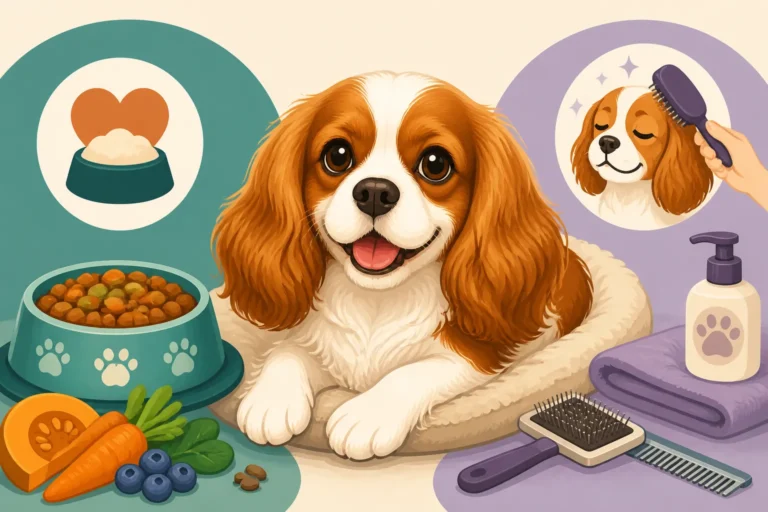
First and foremost, recommit to daily brushing. This is non-negotiable for a Cavalier. Make it a positive experience with treats and praise, and ensure you're using the correct tools and techniques for their specific coat type, paying special attention to those mat-prone areas. Combing Behind a Cavalier's Ears and Mats in a Cavalier's Armpits and Groin are crucial areas to focus on. Incorporate a good quality detangling spray or conditioning spray as part of your daily routine, especially before brushing, to add slip and prevent friction. Regular bathing, using a gentle, moisturizing dog shampoo and conditioner, is also important. Clean, conditioned hair is less likely to tangle than dirty, dry hair. Ensure your Cavalier is thoroughly dried after baths; damp fur is a breeding ground for mats. Consider diet as well; a healthy diet rich in omega fatty acids can contribute to a healthier, stronger coat that is more resilient to tangles. Brands like Ollie, which offer fresh, balanced meals, or supplements like fish oil can support skin and coat health. Finally, consider regular professional grooming appointments, even if it’s just for a tidy-up or a "dematting maintenance" session every 6-8 weeks. A professional groomer can trim feathering that's becoming unmanageable and help maintain overall coat health, catching small tangles before they escalate. Whether a Cavalier Coat Grows Back After Clipping addresses concerns about shaving and coat regrowth, reinforcing that sometimes it's necessary for health.
The commitment to consistent care for your Cavalier King Charles Spaniel’s coat will not only keep them looking beautiful but, more importantly, will keep them comfortable, happy, and free from the pain and irritation that mats can cause. It’s a labor of love, but one that is absolutely worth it for these sweet, loving companions.
Disclaimer
This article is for general informational purposes only and does not constitute professional advice. Laws, prices and regulations vary by location and change over time. Consult a qualified professional for guidance on your specific situation.