Cavalier Shedding on Dark Furniture
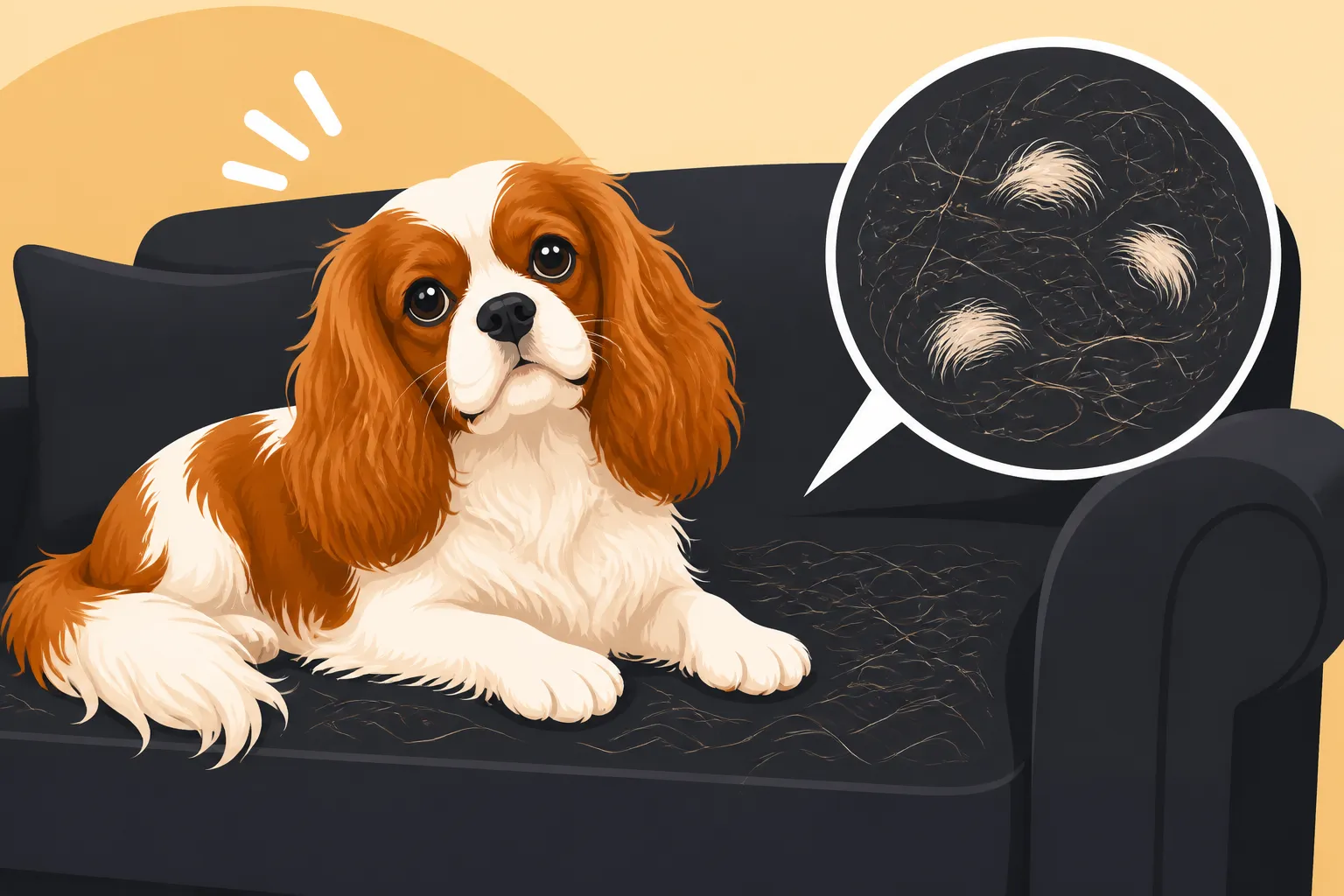
Oh, the eternal dance of the Cavalier King Charles Spaniel and the dark furniture! If you're reading this, chances are you've experienced that moment of exasperation when your beloved Cavalier jumps off the sofa, leaving a ghostly outline of their presence in a fine dusting of hair. It’s a common frustration, isn't it? We adore their silky, flowing coats, but that adoration can quickly turn into a sigh when you realize just how much of that beautiful hair seems to land everywhere, especially on those chic, dark fabrics that highlight every single strand.
It's easy to assume that because Cavaliers don't have a thick undercoat like some breeds, they won't shed much. But trust me, as someone who's lived with these charming little shadow-dogs for years, they absolutely shed. And when that shedding meets dark upholstery, it feels like a never-ending battle. But don't despair! This guide is here to walk you through understanding your Cavalier's unique shedding patterns and arm you with practical, realistic strategies to manage the inevitable hair, keeping both your home and your sanity intact.
Understanding Your Cavalier's Coat and Shedding Habits
Many people are surprised by the amount of hair a Cavalier can shed, especially when they hear that these dogs don't have a dense undercoat. It’s a common misconception that "no undercoat" means "no shedding." Let's dive into what makes their coat special and why it still leaves its mark.
The Cavalier's Single Coat Explained
Unlike breeds such as Golden Retrievers or Huskies, which boast a thick, insulating double coat designed for protection against the elements, the Cavalier King Charles Spaniel possesses what's known as a single coat. This coat is characterized by its long, silky texture, often described as flowing and soft to the touch. It's truly one of their most endearing features, with beautiful feathering on their ears, chest, legs, and tail.
Because they lack that dense, fluffy undercoat, Cavaliers don't "blow coat" in the same dramatic way that double-coated breeds do. You won't find tumbleweeds of dense fluff rolling across your floor, for example. However, every hair follicle has a growth cycle, and when a hair reaches the end of its life, it falls out. This is a natural process for all mammals, including us! So, while the type of shedding might be different, the fact remains: your Cavalier is still going to shed. Their longer, finer hairs tend to catch and cling to fabrics, making their presence known on your furniture.
What a Cavalier Sheds Without an Undercoat
So, if it’s not an undercoat, what exactly are you finding on your cushions? Cavaliers primarily shed their guard hairs – the longer, outer hairs that give their coat its characteristic silky appearance. These hairs are finer and often softer than the coarser undercoat hairs you might find from other breeds. Because they are lighter and longer, they tend to float and settle on surfaces easily, becoming quite visible against dark backgrounds.
The shed hair from a Cavalier isn't typically dense or bulky, but rather wispy and fine. It can intertwine with carpet fibers, embed itself into upholstery, and cling to clothing with surprising tenacity. Imagine a scattering of delicate, silky threads rather than clumps of wool. This is why even a small amount of Cavalier shedding can seem magnified on dark sofas or carpets. You might also notice that the amount and type of hair changes slightly as your Cavalier matures; sometimes, Why a Cavalier Coat Changes at a Year explains how their puppy fluff transitions into an adult coat, which can alter shedding patterns.
Seasonal Shedding and Other Factors
While Cavaliers don't have the pronounced seasonal "blow" of some breeds, they do experience fluctuations in shedding throughout the year. Many owners report a slight increase in shedding during spring and fall, as their dog's coat adjusts to temperature changes. This isn't a dramatic event, but you might find yourself lint-rolling a bit more frequently.
Beyond seasonal shifts, several other factors can influence how much your Cavalier sheds. Nutrition plays a huge role; a diet lacking essential fatty acids or overall quality can lead to a dry, brittle coat that sheds more easily. Hormonal changes, such as those experienced after spaying or neutering, can also affect coat texture and shedding. Additionally, stress, allergies, or underlying health issues can sometimes manifest as excessive shedding or poor coat quality. If you ever notice a significant, sudden increase in shedding, bald patches, or skin irritation, it's always wise to consult your vet to rule out problems like Skin Allergies in a Cavalier or other conditions. Even something as simple as the friction from a collar can cause localized shedding if not managed correctly.
Practical Strategies for Cleaning Cavalier Hair from Dark Furniture
Dealing with Cavalier hair on dark furniture doesn't have to be an uphill battle. With the right tools and a consistent approach, you can keep your home looking tidy and minimize the visual impact of shedding.
Tools of the Trade for Hair Removal
Having the right arsenal of cleaning tools makes all the difference. Forget trying to pick up every single hair by hand; it's a losing game!
- Lint Rollers: These are your absolute best friends for quick touch-ups. Keep one by the door, another in the living room, and even one in your car. Disposable lint rollers with adhesive sheets are highly effective, but for environmental reasons and long-term cost, reusable options with a washable, sticky surface or a dedicated pet hair brush work wonderfully. You can find a wide array of options on Amazon or at your local pet supply store.
- Rubber Gloves: Believe it or not, a simple pair of rubber dishwashing gloves can be incredibly effective. Put one on, dampen it slightly, and rub your hand over the upholstered surface. The friction and static charge generated by the rubber will lift and gather the hair into clumps that are easy to pick up. This method is particularly great for large surfaces like sofas.
- Pet Hair Vacuums/Attachments: A good quality vacuum designed for pet owners can be a game-changer. Look for models with strong suction and specialized attachments like a mini motorized tool or a rubber-tipped upholstery tool. These are designed to agitate fibers and lift embedded hair. Regular vacuuming, even daily, can prevent hair from building up.
- Damp Cloths or Sponges: For quick clean-ups, a slightly damp microfiber cloth or sponge can wipe away surface hair from fabric. Just make sure it’s not too wet, as you don’t want to soak your furniture. The dampness helps the hair cling to the cloth rather than scattering.
- Furniture Brushes: Some brushes are specifically designed with rubber bristles or electrostatic properties to attract pet hair from upholstery. These can be very effective and don't require adhesive sheets, making them a sustainable choice.
| Tool Type | Best Use | Pros | Cons |
|---|---|---|---|
| Lint Roller | Quick touch-ups, clothing, small areas | Fast, easy, portable | Can be wasteful (disposable), refills needed |
| Rubber Gloves | Large upholstered surfaces, carpets | Inexpensive, highly effective, reusable | Requires manual effort, can leave dampness |
| Pet Hair Vacuum | Deep cleaning, large areas, embedded hair | Powerful, efficient for large tasks | Can be bulky, more expensive |
| Damp Cloth/Sponge | Light surface hair, quick wipes | Readily available, gentle on fabrics | Less effective for embedded hair |
| Furniture Brush | Upholstery, pet beds, car interiors | Reusable, good for various fabric types | May require more passes for heavy shedding |
Daily Maintenance Routines
The secret to managing Cavalier hair on dark furniture isn't one grand cleaning spree, but rather consistent, small efforts. Think of it as a marathon, not a sprint.
Establish a quick daily routine. Before you leave for work or settle down in the evening, grab your lint roller or rubber glove and do a five-minute sweep of your main seating areas. This prevents hair from accumulating and embedding itself deeply into the fabric, making future cleaning much easier. If your Cavalier loves a particular spot, focus your efforts there. Perhaps your furry friend enjoys lounging on a specific cushion on the sofa; tackling that one spot daily will dramatically reduce the overall hair visible. This proactive approach saves you from spending an hour later battling a mountain of fur. Remember, consistency is key!
Protecting Your Furniture
Sometimes, the best offense is a good defense. You can significantly reduce the amount of direct hair transfer by creating physical barriers between your Cavalier and your furniture.
Consider investing in washable throws, blankets, or dedicated pet covers for your dark sofas and chairs. Choose fabrics that are easy to clean and perhaps a lighter color that doesn't highlight hair as much. When your Cavalier wants to cuddle on the couch, encourage them to lie on "their" blanket. This way, the majority of the shed hair collects on the washable cover, which you can simply toss in the washing machine. This not only protects your furniture but also makes laundry day for pet items much simpler. You can even find stylish, pet-friendly throws on Chewy that blend seamlessly with your home decor. Think of these as personal "Cavalier zones" that give them comfort while protecting your furniture.
Minimizing Shedding Through Grooming and Nutrition
While shedding is natural, there's plenty you can do to keep it to a minimum and ensure your Cavalier's coat stays healthy and manageable. Good grooming and proper nutrition are your two most powerful tools.
Brushing Techniques for a Cavalier's Coat
Regular brushing is paramount for managing Cavalier shedding. It's not just about removing loose hair; it also distributes natural oils, prevents mats and tangles, and stimulates healthy skin. For a Cavalier's silky coat, a combination of tools works best.
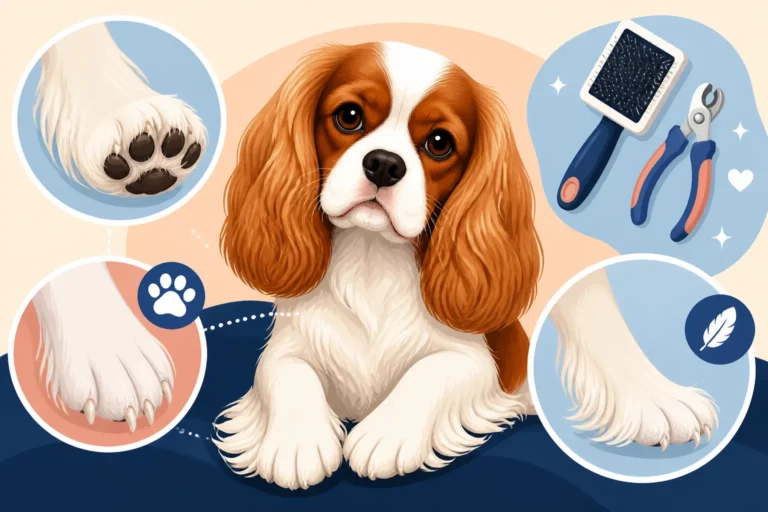
Start with a good quality pin brush to gently work through the main body of their coat, especially the feathering on their ears, legs, and tail. Then, follow up with a metal comb, particularly a greyhound comb with both wide and narrow teeth, to get down to the skin and ensure all loose hairs and small tangles are removed. Pay special attention to areas prone to matting, such as behind the ears and in the armpits. If not brushed regularly, these mats can trap loose hair and even cause skin irritation. I highly recommend spending at least Brushing a Cavalier's Feathering Three Times a Week to keep their coat in top condition. During peak shedding times, a short daily session is even better. Make it a bonding experience, not a chore!
The Role of Diet in Coat Health
What goes into your Cavalier's bowl directly impacts the health and luster of their coat, and consequently, how much they shed. A high-quality diet provides the essential nutrients needed for healthy skin and hair follicles.
Look for dog foods that list a high-quality animal protein as the first ingredient. Essential fatty acids, particularly omega-3s and omega-6s, are crucial for skin and coat health. These can be found in ingredients like fish oil, flaxseed, and certain vegetable oils. If your dog's food doesn't provide enough, your vet might recommend a supplement. A dry, dull, or brittle coat that sheds excessively can often be a sign of nutritional deficiencies. Brands like Ollie and other fresh dog food services focus on high-quality ingredients, which can certainly reflect in a healthier coat. Remember to always consult with your veterinarian before making significant changes to your Cavalier's diet, especially when considering a specialized diet like Feeding a Cavalier on Fifteen Pounds if weight management is also a factor. Adequate hydration is also vital, so always ensure your Cavalier has access to fresh water.
Professional Grooming and Deshedding Services
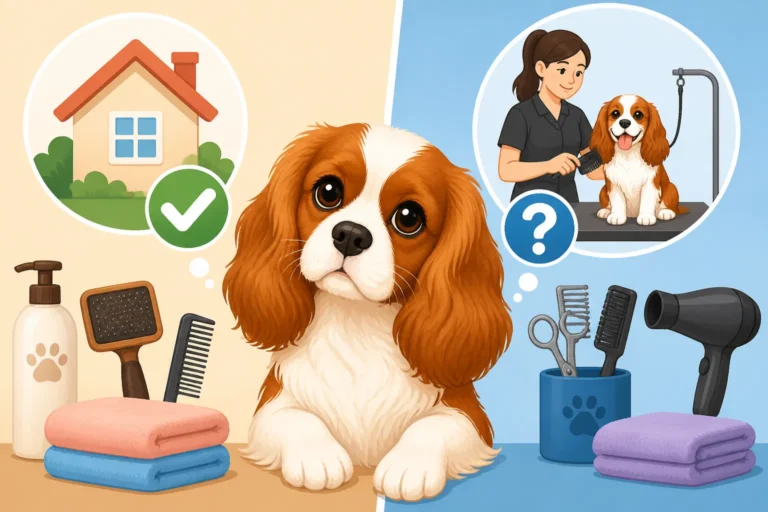
While regular home grooming is essential, professional grooming can offer an extra layer of support in managing shedding. A professional groomer has specialized tools and techniques to thoroughly brush out loose hair and address any underlying coat issues.
For Cavaliers, a full groom typically involves a bath, thorough blow-dry, and brush-out, followed by a trim of any unruly feathering to keep them tidy. While they don't get "deshedding treatments" in the same way a Husky might, the intense professional blow-dry and brush-out can effectively remove a significant amount of loose hair that your regular home brushing might miss. This can provide a noticeable reduction in the hair floating around your home for a few weeks after a grooming appointment. If you're struggling to keep up with brushing or notice matting, don't hesitate to reach out to a professional who understands the unique needs of a Cavalier's silky coat. They can also offer advice on specific products like shampoos that can help maintain coat health, as discussed in Shampoo for a Cavalier's Silky Coat.
Long-Term Management and Realistic Expectations
Living with a Cavalier and their lovely, yet shedding, coat requires a blend of proactive care and realistic expectations. You'll never entirely eliminate shedding, but you can certainly keep it well under control.
Accepting a Certain Level of Shedding
Let's face it: if you own a dog, you're going to have dog hair. It's a fundamental part of the deal, and particularly true for a breed with a flowing coat like the Cavalier. While all the tips above will dramatically help reduce the amount of visible hair on your dark furniture, it's simply not realistic to expect a completely hair-free home. Embrace the fact that a few stray hairs are a small price to pay for the joy and companionship your Cavalier brings into your life.
Instead of striving for perfection, aim for manageability. Regular cleaning, consistent grooming, and a healthy diet will keep the shedding to a level that you can easily maintain without feeling overwhelmed. It's about finding a balance that works for you and your furry family member. Remember, your Cavalier's health and happiness are paramount, and a little bit of hair is just a charming reminder of their presence.
Health Checks and Excessive Shedding
While some shedding is normal, a sudden or excessive increase in hair loss, especially if accompanied by dullness, bald patches, skin irritation, or scratching, warrants a trip to the vet. Excessive shedding can be a red flag for underlying health issues that need attention.
Conditions such as allergies, parasitic infestations, hormonal imbalances (like hypothyroidism), stress, or even certain medications can all impact coat health and lead to abnormal shedding. Your veterinarian can perform a thorough examination, including skin scrapings or blood tests if necessary, to diagnose any problems and recommend appropriate treatment. Sometimes, the solution might be as simple as changing their diet or addressing a localized irritation, while other times it could indicate something more serious. Pay attention to how often your Cavalier needs brushing; if you find yourself needing to comb them far more than How Often a Cavalier Needs Brushing indicates without any changes to their routine, it might be worth investigating.
Incorporating Cavalier-Friendly Design Choices
When it comes to interior design, you don't have to sacrifice style, but making smart choices can certainly make life with a shedding Cavalier a bit easier. While dark furniture beautifully highlights a Blenheim or Ruby Cavalier's coat, it also, ironically, highlights every shed hair.
If you're in the market for new furniture, consider lighter-colored fabrics that might camouflage light-colored Cavalier hair better. Patterns can also be surprisingly effective at distracting the eye from stray hairs. Textured fabrics might hold onto hair more, while smoother materials like leather or certain microfiber blends can be easier to wipe clean. If dark furniture is non-negotiable for your aesthetic, then lean heavily into the washable throws and covers mentioned earlier. Also, consider the types of flooring you have. Hardwood floors or tiles are far easier to sweep or vacuum than thick carpets, where Cavalier hair can truly embed itself. Ultimately, it’s about making conscious choices that accommodate both your love for your Cavalier and your desire for a clean, inviting home.
Disclaimer
This article is for general informational purposes only and does not constitute professional advice. Laws, prices and regulations vary by location and change over time. Consult a qualified professional for guidance on your specific situation.