Raw Diets and a Cavalier’s Sodium Load
It's completely understandable to want the very best for your beloved Cavalier, especially when it comes to their diet. We all see the claims about raw feeding – shinier coats, boundless energy, better digestion – and it’s natural to wonder if it’s the golden ticket for our furry friends. But for Cavalier King Charles Spaniel owners, the conversation around raw diets takes a crucial turn, particularly concerning sodium. With this breed's predisposition to heart issues, navigating a raw diet requires careful consideration to ensure you're truly supporting their long-term health, not inadvertently creating new challenges.
Understanding Raw Diets for Cavaliers
Raw feeding, often referred to as Biologically Appropriate Raw Food (BARF) or Prey Model Raw (PMR), involves feeding dogs uncooked meat, edible bones, and organs. The philosophy is rooted in providing a diet closer to what ancestral canines would have eaten. Many Cavalier owners are drawn to raw feeding out of a desire for more control over ingredients and to avoid the processing found in many commercial kibbles. They want to know exactly what their precious pup is eating.
What Goes Into a Balanced Raw Diet
A truly balanced raw diet is far more complex than just throwing a chunk of raw meat into a bowl. It typically requires a specific ratio of muscle meat (often around 70-80%), raw edible bone (10-15%), and organ meat (5-10%, with half of that being liver). Beyond these core components, it's often recommended to include other elements like certain fruits and vegetables, and a variety of supplements such as fish oil for omega-3 fatty acids, to ensure a complete nutritional profile. Without careful planning, a homemade raw diet can easily become unbalanced, leading to deficiencies or excesses in vital nutrients. It's a huge commitment, and often requires research or consultation with a veterinary nutritionist to get right.
Consider a typical day for a raw-fed Cavalier. Their breakfast might be a portion of raw ground beef mixed with a little finely chopped kale and a dash of fish oil, while dinner could be a chicken neck (for the bone content) and a small piece of beef liver. This isn't just about what's appealing; it's about hitting those precise ratios day after day, week after week. Skipping a crucial component like organ meat, for instance, can lead to deficiencies in essential vitamins that are concentrated there. Many owners opt for pre-made commercial raw diets, often found at specialty pet stores or online retailers like Chewy, which aim to provide these balanced ratios, simplifying the process somewhat.
Perceived Benefits of Raw Feeding
The allure of raw feeding is strong, and many owners report anecdotal benefits that reinforce their choice. Common claims include a noticeably shinier and softer coat, which is often attributed to the higher levels of natural oils and unprocessed nutrients. Owners frequently mention improved digestion, with smaller, firmer stools and less gas, suggesting better nutrient absorption. There's also the often-cited boost in energy levels and overall vitality, with dogs appearing more robust and active. Some owners even feel it helps maintain a healthy weight and dental hygiene due to the bone chewing.
Imagine a Cavalier struggling with a dull coat and intermittent tummy troubles. An owner, frustrated by various kibble options, might turn to a raw diet and see these issues resolve, understandably attributing the improvement to the change in food. This positive experience solidifies their belief in raw feeding. These benefits, while often anecdotal, are powerful motivators for owners seeking to optimize their Cavalier's health and well-being. However, it's essential to consider these alongside the potential risks, particularly for a breed like the Cavalier with specific health vulnerabilities.
The Cavalier's Unique Sodium Sensitivity
For Cavalier King Charles Spaniel owners, the heart is always a primary concern. The breed is famously, or perhaps infamously, predisposed to Mitral Valve Disease (MVD), a progressive condition that often begins relatively early in life. This isn't just a slight risk; it's a profound aspect of owning a Cavalier. Because of this, managing their sodium intake becomes critically important, even more so than for many other breeds.
Why Sodium Matters So Much for Cavalier Hearts
When a Cavalier develops MVD, the mitral valve, which separates the left atrium and left ventricle of the heart, begins to leak. This leakage means the heart has to work harder to pump blood effectively, and over time, it can lead to an enlarged heart and congestive heart failure. Sodium plays a significant role in this progression because it encourages water retention. When the body retains more water, the blood volume increases, placing even greater strain on an already struggling heart. This can accelerate the development of fluid buildup in the lungs, known as pulmonary edema, which is a hallmark of congestive heart failure and causes symptoms like coughing and difficulty breathing.
Think of it like this: if your Cavalier's heart is already working overtime because of a leaky valve, giving it extra sodium is like making it run a marathon with ankle weights. It's already compromised, and anything that increases its workload or fluid burden is detrimental. A diet high in sodium can hasten the onset of clinical signs of heart disease and worsen existing symptoms. This is why veterinarians are so particular about recommending low-sodium diets for Cavaliers, especially once a heart murmur is detected. You can learn more about this condition in Mitral Valve Disease in the Cavalier King Charles Spaniel and how it progresses in How Cavalier Heart Disease Progresses Stage by Stage. Maintaining a healthy body weight is also vital for supporting heart health; excessive weight puts additional strain on the cardiovascular system, making the sodium conversation even more critical. Why an Overweight Cavalier Fails Faster delves deeper into this issue.
Hidden Sodium Sources in Commercial Raw Foods
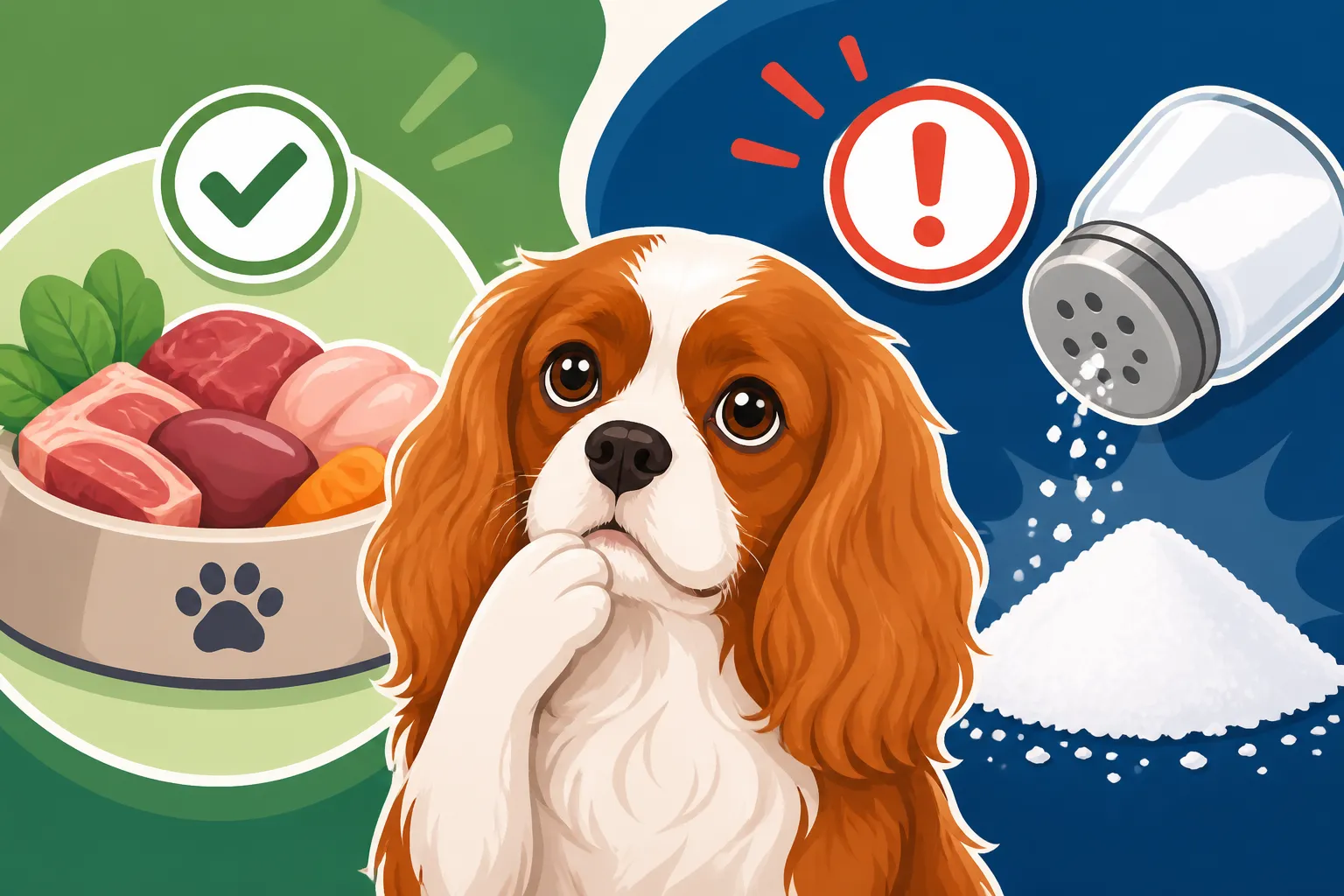
While the idea of a "natural" raw diet might suggest low sodium, commercial pre-prepared raw foods can be surprisingly high in it. Many of these products contain added ingredients for palatability, preservation, or nutritional balance, and some of these additions can be significant sources of sodium. Ingredients like salt, certain minerals, broths, or even some natural flavorings might push the sodium content higher than you'd expect or want for a Cavalier. It's not always obvious from the front of the package.
When you're browsing commercial raw options, whether in a specialty store or online via platforms like Chewy or Ollie, it's crucial to be a detective. Turn that package over and scrutinize the nutritional analysis. Look specifically for the "sodium" content, often listed as part of the guaranteed analysis. Unfortunately, not all raw food manufacturers prioritize low sodium, especially if their target audience isn't specifically dogs with cardiac concerns. A product might boast "human-grade ingredients" or "all-natural," but still contain levels of sodium that are too high for a heart-sensitive Cavalier. A few milligrams here and there might seem insignificant, but over the course of days and weeks, it adds up to a significant load on their heart.
Even certain "health-boosting" ingredients like specific seaweeds or some types of cheese (if added as a treat or binder) can contribute to the overall sodium load. For a Cavalier owner, this means going beyond the marketing hype and delving into the detailed ingredient list and guaranteed analysis of every raw product considered.
Navigating Sodium in Homemade Raw Diets
For those who choose to prepare their Cavalier's raw diet at home, you have the ultimate control over ingredients, which is both a blessing and a curse. It's a blessing because you can meticulously select low-sodium components. It's a curse because the responsibility for complete nutritional balance, including sodium levels, rests entirely on your shoulders. This path demands significant research and dedication.
Ingredient Choices for Low-Sodium Raw Feeding
When building a homemade raw diet for a Cavalier, your ingredient choices are paramount. Start with lean protein sources that are naturally lower in sodium. Options like boneless, skinless chicken breast, lean cuts of beef, or turkey are generally good choices. You'll want to be careful with organs; while vital for nutrients, some can have higher sodium content than others. For example, kidney can be higher than liver. Avoid processed meats, even if raw, such as bacon or some types of deli meats, which are loaded with sodium.
When it comes to the bone component, stick to raw, edible bones from young animals, such as chicken wings or necks, which tend to be lower in sodium than larger, weight-bearing bones. If you use vegetables or fruits, opt for fresh, unprocessed varieties. Canned vegetables, even if intended for pets, often contain added sodium, so always choose fresh or plain frozen options. Steer clear of broths unless you make them yourself without salt, as commercial broths are notorious for high sodium levels. Even seemingly innocuous additions like certain cheeses or peanut butter (for giving pills) can pack a hidden sodium punch. You might find a good selection of lean meats and raw bones at local butchers or even larger grocery chains, or through specialized raw food suppliers found online, sometimes even via platforms like Amazon for specific supplements.
Here’s a quick overview of sodium considerations for common raw diet components:
| Component Type | Low Sodium Choices | High Sodium Choices to Limit/Avoid |
|---|---|---|
| Muscle Meat | Boneless, skinless chicken breast, lean beef, turkey | Cured meats, deli meats, some ground mixes with added salt |
| Organ Meat | Liver (chicken, beef), spleen | Kidney (can be higher, use sparingly), processed offal |
| Edible Bone | Chicken necks/wings, duck feet | Larger, denser bones (not ideal for chewing anyway) |
| Vegetables/Fruits | Fresh or plain frozen leafy greens, berries, carrots | Canned vegetables, salted purees, commercial vegetable blends |
| Supplements/Add-ins | Fish oil, vitamin E, homemade salt-free broth | Commercial broths, some mineral supplements, table salt |
Remember, the goal is to consistently provide a diet that supports their overall health, including their delicate heart. This might mean adjusting recipes or ratios based on your Cavalier's individual needs and their stage of heart disease, as outlined in Medication for a Cavalier With Heart Disease.
The Importance of Nutritional Balance (Beyond Sodium)
While sodium is a critical concern for Cavaliers, it's not the only nutritional factor. A raw diet, whether commercial or homemade, must be complete and balanced to prevent other deficiencies or excesses. Simply reducing sodium without ensuring adequate levels of protein, fat, vitamins, and minerals can lead to a whole host of new problems. For instance, too little calcium (often from insufficient bone content) can lead to serious bone and dental issues, while an imbalance of phosphorus can impact kidney function.
This is where working with a board-certified veterinary nutritionist becomes invaluable. They can formulate a raw diet recipe tailored specifically to your Cavalier's age, weight, activity level, and most importantly, their current health status, including any heart murmurs or diagnosed MVD. They can guide you on the precise amounts of muscle meat, bone, organs, and any necessary supplements, all while keeping that all-important sodium load in check. Trying to navigate this alone is incredibly challenging and risky, as what seems like a healthy meal to us might be nutritionally incomplete for a dog over the long term. This professional guidance ensures that while you're managing sodium, you're not inadvertently creating a deficiency in another vital nutrient, which could compromise their health just as severely. Whether Diet Slows a Cavalier's Heart Disease explores this balance further.
Working with Your Vet on Diet and Heart Health
No matter how confident you feel about your dietary choices, your veterinarian is your most important partner in managing your Cavalier's health, especially when it comes to their heart. Their professional assessment, diagnostic tools, and ongoing guidance are indispensable.
Regular Vet Checks and Bloodwork
Regular veterinary check-ups are absolutely non-negotiable for a Cavalier. These aren't just routine visits; they are vital opportunities for your vet to listen to your dog's heart, check their overall condition, and monitor for any subtle changes that might indicate the progression of MVD. Catching a murmur early, or noticing a change in an existing one, allows for earlier intervention and management. The Age a Cavalier Murmur Usually Appears highlights the importance of early detection.
Beyond the physical exam, your vet might recommend routine bloodwork. Specific blood tests, such as an NT-proBNP test, can provide valuable insights into the health of your Cavalier's heart muscle and help detect stress on the heart even before clinical signs become apparent. This can be especially useful for monitoring dogs on raw diets, helping to ensure that the diet isn't placing undue stress on their system. These checks provide objective data that, combined with your observations and dietary logs, create a comprehensive picture of your Cavalier's well-being. Don't skip these crucial appointments, especially as your Cavalier ages. A Cavalier Heart Blood Test Called NT-proBNP explains this test in more detail.
When a Low-Sodium Prescription Diet Becomes Necessary
There often comes a point in the progression of Mitral Valve Disease where even the most carefully managed raw diet might not be sufficient to meet a Cavalier's specific low-sodium needs. As the heart disease advances, the dietary restrictions become much stricter, and specialized prescription diets designed for cardiac patients become the gold standard. These diets are meticulously formulated not only for extremely low sodium content but also for precise levels of other nutrients like potassium, taurine, and L-carnitine, which are crucial for heart muscle function.
If your Cavalier reaches a stage where they are experiencing symptoms of heart failure, such as coughing, tiring easily, or difficulty breathing, your veterinarian will almost certainly recommend transitioning to a prescription cardiac diet. This isn't a judgment on your choice to raw feed; it's a necessary medical intervention. While you might feel heartbroken to switch from a diet you've carefully prepared, understand that these prescription foods are backed by extensive research and are formulated to provide therapeutic support for their ailing heart. They can be found through your vet or often online with a vet's prescription from retailers like Chewy or Amazon. Ultimately, your Cavalier's health and comfort are the top priority, and sometimes that means making tough decisions based on medical necessity. Understanding How Long a Cavalier Lives in Heart Failure can help prepare you for these decisions.
Disclaimer
This article is for general informational purposes only and does not constitute professional advice. Laws, prices and regulations vary by location and change over time. Consult a qualified professional for guidance on your specific situation.