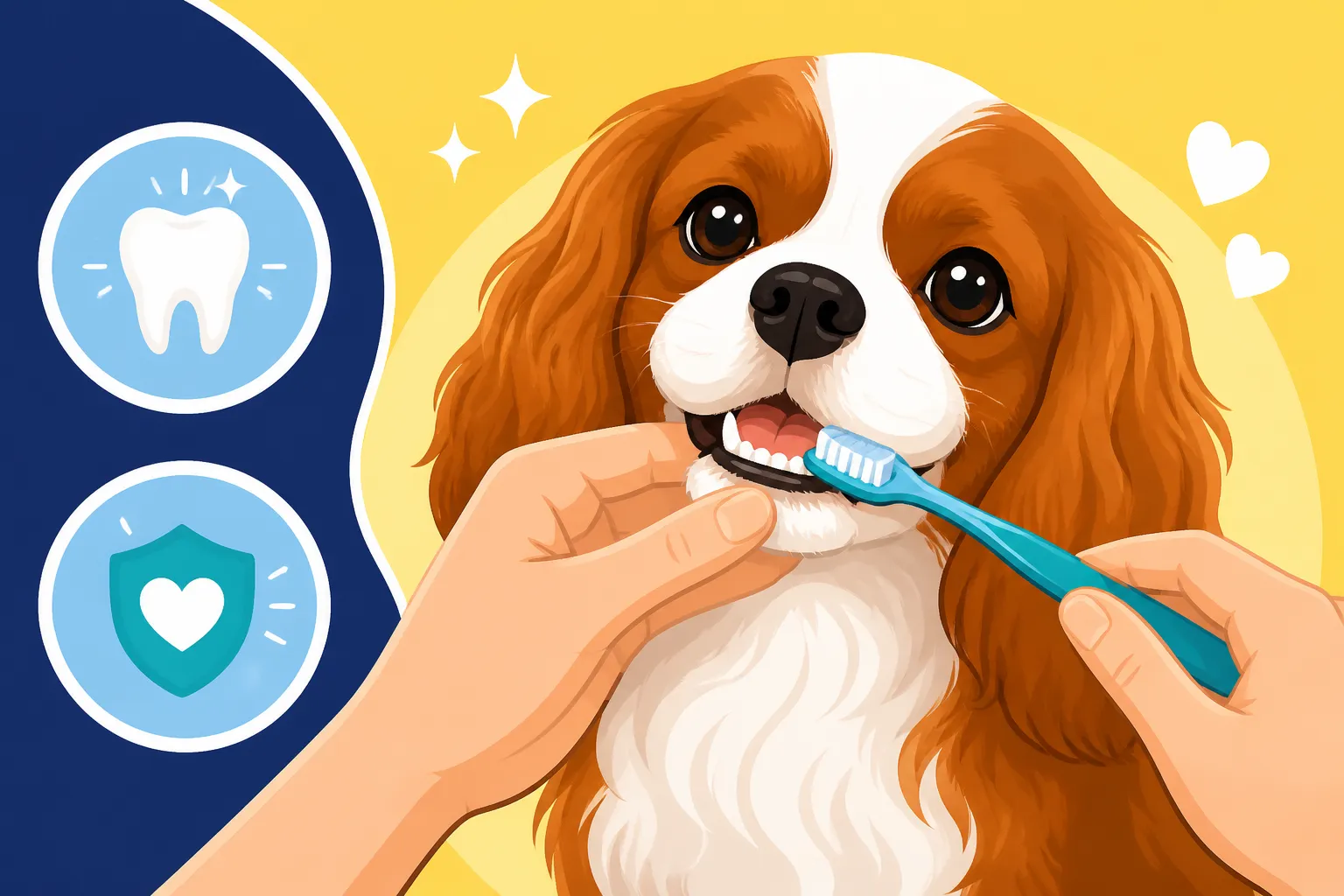
Brushing a Cavalier’s Teeth Without a Struggle
Many Cavalier King Charles Spaniel owners dread the thought of brushing their beloved companion’s teeth. The squirming, the protests, the tiny mouth – it can feel like an impossible task, leading to frustration and neglected oral hygiene. But regular dental care is crucial for your Cavalier's overall health and comfort. This guide will walk you through gentle, effective strategies to make tooth brushing a positive experience for both of you.
Understanding Why Brushing Can Feel Like a Battle
It's easy to feel disheartened when your sweet, usually compliant Cavalier turns into a wriggling, mouth-clamping champion the moment you approach them with a toothbrush. You might wonder if you're doing something wrong, or if your dog is just exceptionally difficult. Please know, it's not just you! Many Cavalier owners face this exact struggle, and there are very real reasons why it feels so challenging. It’s not a reflection of your bond, but often a combination of natural canine instincts and the specific anatomy of our beloved Cavaliers.
Firstly, dogs aren't naturally inclined to let things poke around in their mouths. Their mouths are incredibly sensitive, used for eating, exploring, and communicating, and they often associate hands near their muzzle with less pleasant experiences like receiving medication or a quick vet check-up. This inherent wariness means that introducing a foreign object like a toothbrush requires patience and a very gentle approach. If their first experiences are forceful or uncomfortable, they'll quickly learn to resist.
Secondly, our Cavaliers have a unique oral structure that can make brushing tricky. Their endearing, somewhat flattened faces often come with a Cavalier Teeth Crowded in a Short Jaw. This means their teeth can be rotated or overlap, creating tight spaces that are difficult to reach with a standard brush. This crowding also makes them more prone to plaque and tartar buildup, ironically making daily brushing even more critical. Attempting to navigate these tiny, crowded areas can be frustrating for you and uncomfortable for your dog, leading to more resistance. The sensitive gums in these tight spots can also be easily irritated, making the experience unpleasant if you're not extremely careful.
The Realities of Dental Disease in Cavaliers
It’s easy to put off brushing when it feels like a constant fight, especially when your Cavalier isn’t showing obvious signs of pain. However, dental disease in dogs, much like in humans, is often a silent progression. By the time you notice bad breath, visible tartar, or reluctance to eat, the disease is likely already quite advanced. This can lead to serious issues beyond just the mouth. We often don't realize that Whether Dental Disease Reaches a Cavalier's Heart, but it's a very real concern. Bacteria from infected gums can enter the bloodstream and travel to other organs, including the heart valves, kidneys, and liver, causing secondary infections and further health complications.
Untreated dental disease can range from mild gingivitis to severe periodontitis, resulting in painful infections, abscesses, and even tooth loss. Imagine having a constant toothache but not being able to tell anyone – that’s what many dogs endure. Even if you don't see bleeding gums or missing teeth, significant pain can be present, impacting your Cavalier's overall quality of life and potentially changing their behavior. They might become less playful, more withdrawn, or even snappy when approached around the face. Regular, proactive dental care is truly one of the most loving things you can do for your Cavalier's long-term health and happiness.
Essential Tools and a Positive Mindset for Brushing Success
Before you even think about putting a brush in your Cavalier's mouth, you need the right tools and, perhaps more importantly, the right mindset. Approaching this task with frustration, rushing, or a heavy hand is a recipe for disaster. This isn't about "getting it done" quickly; it's about building a trusting routine that prioritizes comfort and positive associations. Think of it as a bonding exercise, not a chore.
The first step is gathering the correct equipment. You absolutely cannot use human toothpaste on your Cavalier. Human toothpaste contains fluoride and other ingredients that are toxic if swallowed, and dogs don’t rinse and spit! You'll need a dog-specific toothpaste, which comes in flavors that are appealing to canines, like poultry, beef, or peanut butter. These are not only safe to swallow but can also make the experience more enjoyable for your dog. For brushes, skip the large human brushes. Look for small, soft-bristled brushes designed for pets, often with an angled head to reach those tricky spots. Many owners find finger brushes, which fit over your fingertip, to be a great starting point for gently introducing the sensation. You can find a good selection of these toothpastes and brushes on sites like Chewy or Amazon.
Once you have your supplies, prepare your environment. Choose a calm, quiet time when both you and your Cavalier are relaxed. Avoid times when they're over-excited from play or just woken up from a nap and might be grumpy. Sit on the floor, on a sofa, or hold them gently in your lap, whatever makes them feel secure and comfortable. Remember, this is a slow game. Patience is your most powerful tool. You’re not just cleaning teeth; you’re teaching your dog to tolerate and even enjoy this process. Each session should be brief, positive, and end on a good note, even if you only manage to touch one tooth. Consistency is key, even if it's just a few seconds a day.
Choosing the Right Dental Tools for Your Cavalier
Navigating the world of dog dental products can be a bit overwhelming, but for a Cavalier, smaller is almost always better. The goal is to clean effectively without causing discomfort or fear.
Here’s a breakdown of commonly used tools and why they might (or might not) work for your Cavalier:
| Tool Type | Description | Pros for Cavaliers | Cons for Cavaliers |
|---|---|---|---|
| Finger Brush | A soft silicone brush that slips over your finger. | Excellent for initial desensitization; gentle touch control. | Limited reach into crowded back teeth; not as effective for deep cleaning. |
| Pet Toothbrush | Small-headed brush, often with an angled design, soft bristles. | Better cleaning efficacy; designed for canine anatomy. | Can be intimidating initially; still hard to reach very back teeth. |
| Gauze Pad/Wipe | Gauze wrapped around a finger or pre-moistened dental wipes. | Very gentle for initial stages; good for gum massage. | Minimal abrasive action; mostly for front teeth and surface cleaning. |
| Enzymatic Toothpaste | Dog-specific toothpaste, comes in flavors, safe to swallow. | Essential for effectiveness; helps break down plaque; tastes good. | Needs to be applied daily; specific flavors might not appeal to all. |
| Dental Sprays/Gels | Applied directly to teeth/gums, some require no brushing. | Easy application; good for dogs completely resistant to brushing. | Less effective than mechanical brushing; some dogs dislike the taste/sensation. |
When you're first introducing brushing, a finger brush is fantastic because it allows your dog to get used to the sensation of something in their mouth without the harder bristles of a traditional brush. As they become more comfortable, you can gradually transition to a small-headed pet toothbrush. The key is finding one that fits comfortably into your Cavalier's small mouth and allows you to maneuver around their Cavalier Teeth Crowded in a Short Jaw without scraping gums or poking them uncomfortably. Don't be afraid to try a few different types to see what works best for your specific dog.
The Importance of Dog-Specific Toothpaste
We touched on this briefly, but it bears repeating: dog toothpaste is non-negotiable. It’s formulated to be safe for ingestion, which is crucial since our furry friends can’t spit. Beyond safety, these toothpastes often contain enzymes that help break down plaque, making your brushing efforts even more effective. They turn what could be a sterile, scary experience into a tasty one, encouraging your Cavalier to tolerate or even look forward to the routine. Imagine if your human toothpaste tasted like chicken!
When choosing a toothpaste, consider your Cavalier's preferences. Some dogs love peanut butter flavor, while others might prefer poultry or beef. You might need to experiment a little, perhaps buying smaller tubes from Chewy or your local pet store to test out different options. The right flavor can make a huge difference in your dog's acceptance of the toothbrush. Even if your dog isn't thrilled about the brushing itself, a delicious toothpaste can act as a powerful motivator and reward, reinforcing the idea that mouth handling equals good things.
Making Brushing a Positive Experience
The secret to brushing a Cavalier's teeth without a struggle lies in gradual introduction, positive reinforcement, and consistency. You’re not just cleaning teeth; you’re teaching your dog a new skill and building trust. This isn’t a race, and every small step forward is a victory worth celebrating. Think of it as a desensitization process, slowly convincing your Cavalier that this isn't scary, it can even be rewarding.
Start incredibly slowly. Don't even bring out the brush on day one. Begin by simply touching your Cavalier's muzzle and gently lifting their lips for a second or two, then immediately offer a high-value treat and praise. Repeat this several times a day for a few days until they are completely comfortable with you handling their mouth area. You want them to associate this touch with positive outcomes. Once they're okay with lip lifts, introduce a tiny bit of dog-specific toothpaste on your finger. Let them lick it off. Most Cavaliers will love the taste! Do this for a few days, getting them excited about the toothpaste itself. You can find many popular dog toothpastes on Amazon, often with flavors like peanut butter or chicken that dogs adore.
Next, combine the toothpaste with gentle touch. Put a pea-sized amount of toothpaste on your finger and gently rub it on just one or two teeth, ideally a front canine or incisor, for a second. Immediately reward with praise and another treat. Again, repeat this over several days, slowly increasing the number of teeth you touch and the duration. The key is to keep it brief and positive. If your Cavalier shows any signs of stress – pulling away, lip licking, yawning – stop immediately and try again later, or go back a step. The goal is to avoid any negative associations. Only once they are entirely comfortable with your finger rubbing their teeth should you introduce the brush.
Gradual Introduction and Positive Reinforcement
When you finally introduce the toothbrush, load it with that yummy toothpaste. Don't immediately try to brush. Just let your Cavalier lick the toothpaste off the brush bristles. This helps them get used to the feel and smell of the brush in a non-threatening way. Once they are happy to lick the brush, gently try to brush just one or two teeth for a second or two. The focus is still on the experience being pleasant. Use circular motions, concentrating on the gumline where plaque tends to accumulate.
Always follow brushing with generous praise, a favorite treat, or a short play session. This positive reinforcement solidifies the idea that dental care leads to good things. Consistency is paramount. Aim for daily brushing, even if it's just a minute. Short, regular sessions are far more effective and less stressful than infrequent, long battles. Think of it like Five-Minute Training Sessions With a Cavalier; short bursts of effort yield better results and maintain engagement. Over time, as your Cavalier becomes more accustomed, you can gradually increase the duration and the number of teeth you clean, eventually working your way to those harder-to-reach molars at the back.
Handling a Reluctant or Squirmy Cavalier
Even with the best intentions and the slowest introduction, some Cavaliers might still be squirmy or reluctant. This is where patience and creative problem-solving come in. First, assess the environment again. Is it truly calm? Is there anything distracting your dog? Sometimes simply moving to a different, less stimulating room can help.
If your Cavalier is still resisting, consider trying a different position. Some dogs are more compliant if held gently in your lap, others prefer standing between your legs, and some might even be more cooperative if you sit on the floor and they are on a low couch next to you. A gentle hug or supportive hold can help make them feel secure, but never use force that makes them feel trapped or scared. If you have a partner, one person can gently hold or distract the Cavalier while the other brushes. A Lick Mat smeared with a tiny bit of dog-safe peanut butter or plain yogurt, held by your partner, can be a fantastic distraction, keeping their mouth busy and their mind happy while you brush. Remember, it's about minimizing resistance, not overpowering it. If daily brushing remains a struggle, consult your veterinarian for advice on alternative methods or professional dental care, because preventing dental disease is critical for your Cavalier's long-term health.
Alternative Dental Care Solutions
While daily brushing is undeniably the gold standard for maintaining your Cavalier's oral hygiene, sometimes it's just not feasible for every dog or every owner. Perhaps your Cavalier is exceptionally sensitive, or you simply cannot manage daily brushing despite your best efforts. Don't despair! There are other tools in the dental care arsenal that can supplement or act as alternatives, though it's important to understand their limitations compared to direct brushing. The most important thing is to do something to combat plaque and tartar buildup.
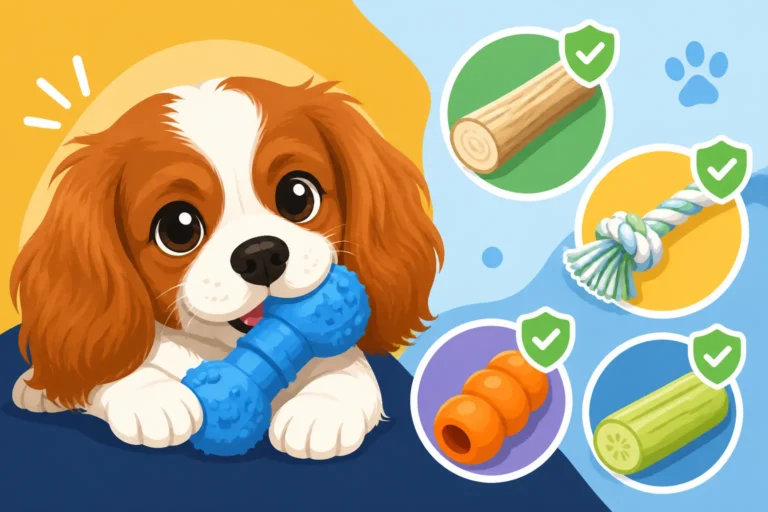
One of the most popular alternatives is dental chews. These aren't just regular treats; many are specifically formulated with ingredients and textures designed to mechanically scrape plaque off teeth as your dog chews, or they contain enzymatic compounds that help reduce bacteria. Brands like Greenies, or other quality dental chews available through Chewy or Amazon, are often recommended by vets. When choosing dental chews, ensure they are appropriately sized for your Cavalier's small mouth and are digestible. Be cautious with extremely hard chews (like antlers or very hard bones) as these can fracture teeth, particularly in a dog with a Cavalier Teeth Crowded in a Short Jaw. Look for Chews That Fit Behind a Cavalier's Crowded Bite to ensure they are getting the full benefit.
Another option is dental water additives. These are tasteless solutions that you add to your Cavalier’s drinking water. They typically contain antimicrobial agents that help reduce bacteria in the mouth, thereby reducing plaque and freshening breath. They are incredibly easy to use – just add the recommended amount to the water bowl daily. While convenient, water additives generally offer a less comprehensive cleaning than brushing or even dedicated dental chews, as they rely on the dog drinking enough water for the active ingredients to work. They are best used as a supplement to other methods, or for dogs who absolutely refuse any other form of at-home dental care. You can learn more about Water Additives Against Brushing for a Cavalier in a dedicated article.
Professional Dental Cleanings: A Necessary Component
Even with diligent at-home care, most Cavaliers will eventually need professional dental cleanings under anesthesia. This is because plaque hardens into tartar, which cannot be removed by brushing alone. A professional cleaning involves scaling to remove tartar above and below the gumline, polishing the teeth, and often a thorough oral examination by a veterinarian to check for hidden problems like gum disease, abscesses, or resorptive lesions. These cleanings are vital for maintaining long-term oral health and preventing advanced dental disease.
For many Cavaliers, especially given their genetic predisposition to dental issues, veterinarians recommend annual or bi-annual professional cleanings. This becomes even more critical as they age. If your Cavalier already has a heart murmur, you might worry about Anesthesia for a Cavalier With Heart Disease. It’s a valid concern, but with proper pre-anesthetic screening, including bloodwork and potentially a cardiology consult, the risks can be minimized. The benefits of preventing painful dental disease usually outweigh the anesthetic risks, especially when considering Whether a Cavalier With a Murmur Can Be Sedated for necessary procedures. Discussing the timing and necessity of these cleanings with your vet is crucial, especially as your Cavalier gets older, to ensure they remain comfortable and healthy. It's an investment in their overall wellbeing, much like The Age a Cavalier Needs Its First Dental sets the stage for a lifetime of care.
When Brushing Isn't Enough: Other Considerations
Sometimes, despite your best efforts with brushing and even professional cleanings, your Cavalier might develop advanced dental issues requiring more intensive treatment. This could involve Extractions in an Older Cavalier for severely diseased or fractured teeth. While tooth extractions might sound daunting, removing painful teeth can significantly improve your Cavalier’s comfort and quality of life. Dogs adapt incredibly well to eating with fewer teeth, and the relief from chronic pain is immeasurable.
Beyond dental chews and water additives, other products like dental wipes (similar to the gauze pad method mentioned earlier) or oral gels can be applied to the gums to help reduce bacteria. Some owners also explore prescription dental diets, which have a unique kibble texture designed to scrub teeth as the dog crunches, or contain ingredients that prevent plaque accumulation. While these can be helpful, they are rarely a standalone solution and are best integrated into a broader dental care plan. The goal is always to be proactive, as ignoring dental health can lead to significant discomfort and expensive treatments down the line. Remember to discuss all options with your vet to create the most effective dental care strategy tailored for your individual Cavalier.
Disclaimer
This article is for general informational purposes only and does not constitute professional advice. Laws, prices and regulations vary by location and change over time. Consult a qualified professional for guidance on your specific situation.