Whether a Bichon Sheds Less Than a Cavalier
A Bichon Frise usually leaves less visible loose hair around the house than a Cavalier King Charles Spaniel, but that does not mean it is a low-maintenance dog. Bichon hair tends to stay caught in the coat until brushed or clipped, while a Cavalier’s shed hairs can land on clothes and furniture. This guide compares what that difference means for grooming, cleaning, and choosing the right breed.
Which dog sheds less around the home
Why Bichon hair is less noticeable
Bichons are commonly described as low-shedding dogs. Their loose hairs tend to get held among the rest of the coat rather than falling freely onto the floor. That can mean fewer obvious hairs on a dark sofa or your trousers, but it also means that brushing is important: trapped loose hair can tangle with the coat and contribute to mats.
A Bichon’s coat is not self-cleaning or maintenance-free. It keeps growing and needs regular brushing, plus professional grooming to keep it manageable. If you skip brushing for a while, you may find knots behind the ears, under the legs, or around the collar area—even if the house looks relatively hair-free.
This is one reason “less shedding” can be an incomplete way to compare breeds. A Bichon may leave fewer loose hairs on your floors, but the work is shifted toward coat care. Before choosing one, consider whether you are comfortable with frequent brushing and regular grooming appointments.
What to expect from a Cavalier’s shedding
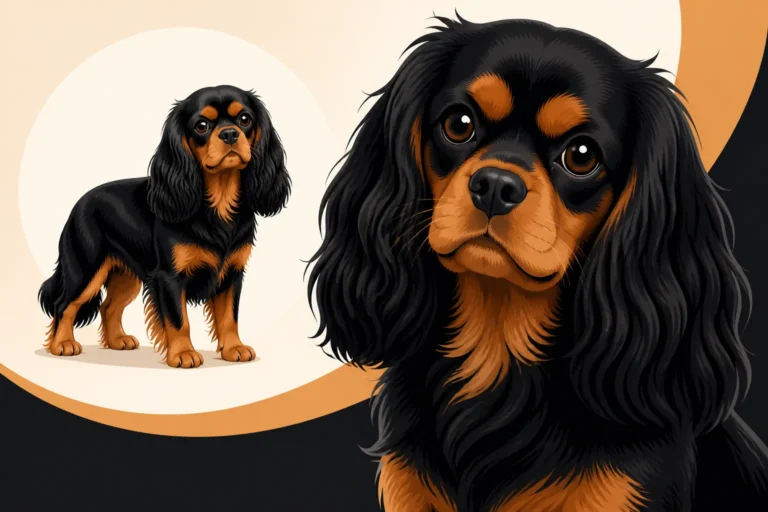
Cavalier King Charles Spaniels shed more visibly. Their silky coat and feathering can leave loose hairs on furniture, bedding, and clothing, and shedding may become more noticeable at certain times of year. How much you notice depends on the individual dog, the coat, and your home: a Cavalier who spends much of the day on a pale sofa may be easier to overlook than one who naps on dark clothes.
Regular brushing helps remove loose hair before it spreads around the house. It also gives you a chance to check the coat for small tangles, especially behind the ears and in the feathering on the legs and tail. For more on where loose hair tends to show up, see Cavalier Shedding on Dark Furniture.
A Cavalier’s coat is not the same as a Bichon’s coat, so the grooming routines are different. You can explore coat care in How Often a Cavalier Needs Brushing and The Brush and Comb a Cavalier Coat Needs. In general, the goal is to keep the Cavalier’s coat comfortable and free of tangles—not to remove every strand that might eventually shed.
A practical comparison
| Coat question | Bichon Frise | Cavalier King Charles Spaniel |
|---|---|---|
| Visible loose hair at home | Usually less noticeable | Often more noticeable |
| What happens to loose hairs | Many remain caught in the coat until brushed or clipped | More hairs may fall onto furniture, clothing, and floors |
| Main coat-care challenge | Preventing mats in a growing, curly coat | Managing loose hair and keeping feathering tangle-free |
| Grooming focus | Frequent brushing and regular coat trimming | Brushing, checking for tangles, and routine coat upkeep |
| Best fit for someone who dislikes visible hair | Often the easier choice, with grooming commitments | May require more frequent cleaning around favorite resting spots |
The table is a broad comparison, not a promise about an individual dog. Coat texture, grooming habits, and the dog’s home routine all affect what an owner experiences.
What the grooming workload looks like
Bichon grooming is about preventing mats
Because loose hairs can remain in a Bichon’s coat, brushing is part of routine care rather than something to do only when the dog looks untidy. Pay attention to areas that rub or collect moisture, including behind the ears, under the collar, and around the legs. A quick surface brush may not reach through a dense coat, so work gently in sections and check that you are getting through the hair rather than simply smoothing the top.
If a Bichon’s coat is left unbrushed, small tangles can tighten into mats. Pulling at a mat can hurt, and trying to cut one out close to the skin can be risky because it may be difficult to tell where the mat ends and the skin begins. A groomer can advise whether a knot can be worked out safely or whether a trim is kinder.
Professional grooming is part of the commitment for many Bichon owners. The exact schedule depends on coat length, brushing at home, and the groomer’s recommendations. If you are comparing breeds, include that recurring time and care in your decision—not just the amount of hair you see on the floor.
Cavalier grooming is about loose hair and feathering
A Cavalier’s coat may feel easier to manage than a Bichon’s if you are comfortable seeing some hair around the house. Brush in sections so you can reach the hair beneath the surface, and take particular care around the ears, chest, legs, and tail. Those longer areas can snag or tangle, especially after walks or play.
A comb can help you check whether brushing has reached through the feathering. Move slowly, and do not force it through a knot. If your Cavalier dislikes grooming, keeping sessions short and rewarding calm cooperation can make the routine more comfortable. For more on maintaining this coat, see Brushing a Cavalier's Feathering Three Times a Week and What a Cavalier Groomer Should and Should Not Cut.
It can help to keep basic grooming supplies in one place: a suitable brush, a comb, and a way to collect loose hair from the brush. If you prefer to order pet-care basics online, Chewy is one option to compare with a local pet shop or groomer’s recommendations. The right tool depends on your dog’s coat and comfort, so don’t assume that a product marketed for one breed will suit every Cavalier.
Shedding, allergies, and keeping your home comfortable
Lower shedding does not mean allergy-proof
People often look for a low-shedding dog because they hope it will solve allergy problems. Unfortunately, shedding alone does not determine whether someone reacts to a dog. Allergens can be associated with dander, saliva, and other material as well as loose hair, and individual reactions vary. A Bichon’s coat may leave less hair around the house, but that does not make the breed a guaranteed fit for someone with allergies.
If allergies are a concern, spend time around the specific dog before making a commitment, and consider speaking with a health professional about your symptoms. A visit with one dog is not a perfect predictor of how you will feel living with that dog, but it can be more useful than choosing based on a breed label alone. You can also read Whether a Cavalier Is Good for Allergy Sufferers for more context about coat and allergy expectations.
Think about your everyday routine, too. If you react more when a dog sleeps on your bed or rests on upholstered furniture, setting household boundaries may help reduce exposure, though it cannot guarantee that symptoms will disappear. Regular cleaning and washing washable bedding can make a home feel more manageable, but they do not change the dog’s coat or eliminate allergens entirely.
Simple ways to manage loose hair
For a Cavalier, brush regularly and clean the brush after each session so loose hair does not simply get carried back into the coat. A washable throw on a favorite chair can make cleanup easier. A lint roller or fabric brush near the front door is handy when you notice hairs on a coat just before leaving.
Vacuuming on a routine that fits your home is more useful than waiting until every hair is visible. If you have a mix of carpet, rugs, and hard flooring, you may find that hair collects in different places: along baseboards, under furniture, or around the edges of a dog’s bed. Washable blankets and a dedicated dog bed can also limit how much fur ends up on your own bedding.
For a Bichon, the cleaning burden may be lighter, but coat care should stay on the calendar. A household can look tidy while tangles are quietly forming, so check the coat rather than using visible shedding as your only cue. If you are buying a comb or coat-care supplies, Chewy may be one place to compare options, alongside advice from your groomer about what is appropriate for your dog.
How to decide which breed fits your household
Choose based on the work you would rather do
If your main frustration is finding hair on furniture and clothing, a Bichon may be the more comfortable match in terms of visible shedding. The tradeoff is that its coat needs consistent brushing and regular professional attention. That routine is not optional simply because the dog sheds less around the house.
If you would rather handle loose hair with brushing and cleaning than maintain a coat that needs frequent professional grooming, a Cavalier may suit your preferences better. You will still need to brush and check for tangles, and you should expect some hair on household surfaces. A Cavalier’s coat-care needs are one part of a broader ownership decision; Whether a Cavalier Is the Right Dog for You can help you think beyond shedding.
Ask yourself which routine you can keep up when life gets busy. Would you rather run a lint roller over a black sweater before work, or book grooming and brush a dense coat consistently to prevent mats? There is no universally easier breed. The better fit is the dog whose everyday care feels realistic for your schedule and budget.
Make a plan before bringing a dog home
Before choosing either breed, meet adult dogs if possible and talk with their owners about what they do at home. Ask how often they brush, which areas tangle first, how they manage loose hair, and what happens during seasonal coat changes. One owner’s experience will not represent every dog, but it can help you picture the ordinary routine more clearly than a short visit with a puppy.
You can also prepare a simple care plan:
- Decide who in the household will handle brushing and cleaning.
- Set a regular time for coat checks instead of waiting for visible tangles.
- Ask a groomer what maintenance the particular dog’s coat will need.
- Keep washable bedding or furniture covers where the dog usually rests.
- If allergies are a concern, spend time with the individual dog and seek appropriate health guidance before committing.
For Cavalier owners, the shedding pattern can vary by coat and season, so it is useful to watch your own dog rather than relying on a fixed expectation. Seasonal Shedding in a Cavalier offers more detail on changes you may notice through the year. If you are also comparing the grooming commitment, Cavalier Grooming Costs Every Six to Eight Weeks explains why professional coat care can be part of the overall ownership picture.
In short, a Bichon usually leaves less visible hair around the home, while a Cavalier is more likely to shed onto furniture and clothing. But “less shedding” does not equal “less grooming.” Choose based on the routine you can sustain: Bichon owners generally need to stay on top of coat maintenance to prevent mats, while Cavalier owners need to accept some loose hair and keep the silky coat brushed and comfortable. Chewy can be one place to look for routine grooming supplies, but a groomer’s guidance and your dog’s individual coat should shape what you buy.
Disclaimer
This article is for general informational purposes only and does not constitute professional advice. Laws, prices and regulations vary by location and change over time. Consult a qualified professional for guidance on your specific situation.