Whether a Papillon Needs Less Grooming Than a Cavalier
A Papillon may need less grooming than a Cavalier King Charles Spaniel, especially when it comes to managing long body feathering and mats. But neither breed is a wash-and-go dog: both need regular brushing, nail care, ear checks, and dental care. This guide compares their coats and routines so you can judge which one better fits your time and tolerance for daily upkeep.
How Papillon and Cavalier Coats Compare
The Papillon has less feathering to manage
The Papillon’s coat is long, fine, and silky, with distinctive fringes on the ears, chest, legs, and tail. Its body coat is generally less abundant than a Cavalier’s, so there may be less hair to work through during a brushing session. That can make routine coat care feel simpler, particularly if you keep up with tangles before they tighten into mats.
The ear fringes are the part that can surprise new owners. They can catch on collars, collect debris outdoors, and tangle if they are rubbed or handled roughly. A Papillon that spends time in brushy parks or plays enthusiastically with another dog may need a careful comb-through afterward, even if the rest of the coat still looks tidy.
Papillons are not maintenance-free just because they look fine-boned and relatively light-coated. A quick once-over can miss knots at the base of the ears, beneath the front legs, or where the legs meet the body. For a closer look at their overall breed differences, see The Cavalier Against the Papillon.
The Cavalier’s coat usually asks for more hands-on work
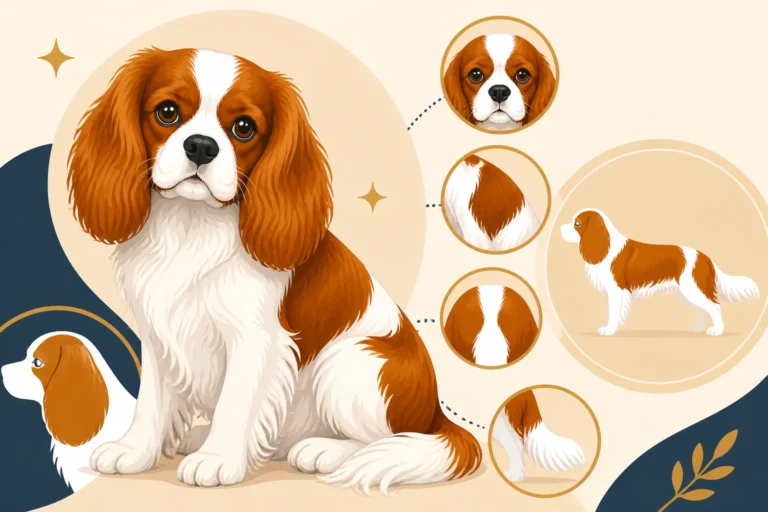
A Cavalier has a silky coat with noticeable feathering on the ears, chest, legs, feet, and tail. That longer, fuller hair can make brushing take more time, and some areas tangle readily from everyday movement. Behind the ears, under the collar, in the armpits, and around the groin are common places to check carefully.
Cavalier owners often find that the challenge is not one dramatic grooming job, but the steady accumulation of small tasks. A dog can look perfectly presentable while a tight knot is forming under an ear or where a harness rubs. Brushing in sections helps you reach the skin instead of smoothing only the top layer. For a more detailed routine, see Brushing a Cavalier's Feathering Three Times a Week and How Often a Cavalier Needs Brushing.
Both breeds have coats that benefit from gentle, consistent care rather than occasional, rushed detangling. If you are comparing the tools that make the job easier, The Brush and Comb a Cavalier Coat Needs offers useful guidance for a Cavalier coat. The same basic idea applies to a Papillon: use a suitable brush for the coat and a comb to check the finer fringes and hidden tangles.
| Grooming task | Papillon | Cavalier King Charles Spaniel |
|---|---|---|
| Coat brushing | Regular brushing, with extra care for ear and leg fringes | Frequent, thorough brushing through longer feathering |
| Likely tangle spots | Ear fringes, behind ears, legs, and tail | Behind ears, collar area, armpits, groin, feet, and tail |
| Bathing | As needed, followed by careful drying and combing | As needed, with attention to drying and brushing feathering |
| Ear care | Check the fringed ears for tangles, dirt, and irritation | Check beneath the heavy drop ears for moisture, odor, and irritation |
| Grooming appointments | May need less coat shaping and detangling help | May benefit from more regular professional coat maintenance |
| Overall coat workload | Often lower, but still regular | Often higher because of fuller feathering and mat-prone areas |
These are general tendencies, not a guarantee about an individual dog. Coat texture, activity, age, health, and how often you brush all affect the time involved.
What Routine Care Looks Like in Real Life
Brushing is the main difference in day-to-day effort
For either breed, brushing works best as a small, predictable habit rather than a weekend rescue mission. A Papillon’s shorter body coat may make a full brushing session quicker, but the fringes still deserve attention. Part the hair gently and work through one section at a time, checking that the comb can pass through without catching.
With a Cavalier, give extra attention to the places where hair rubs or folds over itself. A collar worn all day, a harness that shifts, or damp feathering after a rainy walk can create tangles before you notice them. If a knot is tight or close to the skin, pulling hard can hurt. Work slowly, and ask a groomer for help when a mat cannot be loosened comfortably.
A practical routine might be to brush your Papillon after outdoor play and do a more careful coat check several times a week. A Cavalier may need more frequent, section-by-section brushing to keep its ears, legs, chest, and tail from becoming tangled. The exact schedule depends on the dog: a Papillon with abundant fringes can need more attention than a lightly feathered Cavalier.
Baths and drying matter for both breeds
Neither dog needs frequent bathing simply because the coat is long. Bathing too often, or using products that are not suitable for dogs, can irritate the skin. When a bath is due, rinse thoroughly and dry the coat well, especially around the ears and in areas where hair lies close together. Damp, tangled hair is harder to comb and can leave the dog uncomfortable.
A Papillon may be easier to wash and dry because there is less coat overall, but take care with the fine ear fringes. Blot rather than rub vigorously, then comb them gently once they are no longer dripping wet. A Cavalier’s longer feathering can take more time to dry and check, especially after a full bath or a muddy walk. Cavalier Bathing and Drying a Single Coat explains the extra care that can help prevent the coat from becoming tangled during the process.
If you are putting together a home grooming kit, a pet retailer such as Chewy may be one place to compare brushes, combs, and dog shampoo. Choose tools based on the dog’s coat and comfort, not just the product label. A slicker brush used too forcefully, for example, can scratch sensitive skin, while a comb that glides over the top may fail to reveal knots underneath.
Ears, nails, teeth, and paws still take time
Coat length is only part of grooming. Papillon ears need regular checks because the fringes can hide debris and small tangles. Cavaliers’ heavy drop ears need attention too, particularly if they become damp or develop a smell, redness, or repeated head shaking. Those signs can point to a problem that needs veterinary advice rather than more cleaning. For Cavalier-specific ear care, see Cavalier Ear Care Under a Heavy Drop Ear.
Both breeds also need routine nail checks, paw inspections, and dental care. Long nails can affect comfort and movement, while hair between the pads may collect mud, burrs, or ice. Teeth are easy to overlook because they are not visible when the dog is curled up beside you, but dental care is an important part of ordinary maintenance. A grooming routine is easier to keep when you treat these checks as brief, regular habits instead of waiting until something becomes difficult.
If you prefer buying everything in one place, Chewy can be useful for comparing everyday grooming supplies such as nail tools or dog toothbrushes. Before using a new tool, introduce it gradually and stop if your dog becomes anxious or sore. For help finding a professional who understands the breed’s coat, read Finding a Groomer Who Knows Cavalier Coats.
Which Breed Is Easier to Groom
A Papillon is often the lower-maintenance choice for coat care
If by “less grooming” you mean less time brushing a large volume of feathering, the Papillon often has the advantage. Its coat may be easier to manage between baths, and it may need less coat tidying than a Cavalier. For someone who enjoys a few short grooming sessions each week but does not want to work through substantial ear, chest, and leg feathering, that difference can matter.
Still, the Papillon is not the right choice if you want a dog that never needs brushing. The ear fringes can knot, and fine hair can tangle after outdoor activity. An owner who rarely checks the coat may find that a Papillon’s tangles are simply smaller and less obvious until they become uncomfortable.
The Cavalier is more likely to need sustained attention to its coat, especially if you want to keep the feathering long and flowing. Owners who are comfortable with regular brushing can manage much of that care at home, but should be realistic about the time it takes. A Cavalier’s coat can look low-effort from across the room while still needing careful work close to the skin.
Your routine matters as much as the breed
A Papillon that is brushed inconsistently may be harder to groom than a Cavalier whose owner checks the coat every few days. Grooming workload depends on more than breed: coat texture, the dog’s favorite activities, the season, and whether the dog tolerates handling all make a difference. A dog that rolls in wet grass or wears a snug harness may need extra checks regardless of its breed.
Think about the routine you can actually sustain. If you can set aside several short sessions a week, both breeds may be manageable. If you know you are likely to put grooming off until the coat looks tangled, the Cavalier’s heavier feathering may be a frustrating fit. A professional groomer can help with bathing, drying, nail care, and coat maintenance, but home brushing still helps prevent painful mats between visits.
Before choosing either breed, consider other care needs too. Grooming is only one piece of a dog’s daily life, and breed traits, health considerations, and household fit deserve equal attention. Whether a Cavalier Is the Right Dog for You is a useful next read if you are still weighing the broader commitment.
How to Choose Based on Your Grooming Preferences
Ask yourself what kind of care you dislike most
Some people do not mind brushing but dislike bathing and drying. Others are fine with an occasional bath but find frequent combing tedious. If detangling is the chore you most want to avoid, the Papillon may be the easier match on average. If you do not mind working through coat sections and checking feathering carefully, a Cavalier may be perfectly manageable.
Consider how grooming fits into your home, too. A dog that is brushed on a mat in the kitchen after a walk may be easier to maintain than one whose coat care is postponed until a grooming appointment. Keep a comb where you already spend time with the dog, and make brief checks part of the routine after walks, play, or baths. A small, reliable habit is often more useful than elaborate equipment you rarely reach for.
You can also ask a breeder, rescue, or groomer to show you what routine care looks like for the individual dog you are considering. Coat density and tolerance for handling vary. Watching someone gently comb the dog’s ears and legs can give you a more realistic sense of the work than judging by a photo.
Prioritize comfort over a perfect outline
It is easy to focus on keeping a coat perfectly silky, but the dog’s comfort should guide grooming decisions. Never force a comb through a painful mat. Avoid using scissors close to the skin unless you know exactly what you are doing; a tight mat can pull skin into the cutting area. If you find mats you cannot safely loosen, arrange help from a groomer or veterinarian.
Likewise, do not assume that clipping a long coat is automatically the easiest solution. Coat trimming choices depend on the dog, the owner’s goals, and the advice of a knowledgeable professional. For either breed, ask what can be tidied safely and what should be left natural. If you are comparing coat care with allergy concerns, remember that neither breed is guaranteed to suit every allergy sufferer; Whether a Cavalier Is Good for Allergy Sufferers can help clarify that part of the decision.
Chewy may help you compare grooming basics, but the most important “tool” is a gentle routine your dog can accept. Introduce brushing in short sessions, reward calm cooperation, and pause if the dog is frightened or uncomfortable. That approach can make care easier for both of you, whether you bring home a Papillon or a Cavalier.
Disclaimer
This article is for general informational purposes only and does not constitute professional advice. Laws, prices and regulations vary by location and change over time. Consult a qualified professional for guidance on your specific situation.