How Long the First Cavalier Champion Went Undefeated
It can be incredibly challenging to piece together the early history of a beloved dog breed, especially when trying to understand the impact of its foundational champions. For many Cavalier King Charles Spaniel enthusiasts, there's a natural curiosity about the dogs who first defined the breed as we know it today. This guide aims to shed light on the remarkable story of the first Cavalier champion and the extent of his undeniable influence, helping you understand the very roots of this charming companion.
The Resurgence and the First Stars of the Cavalier Breed
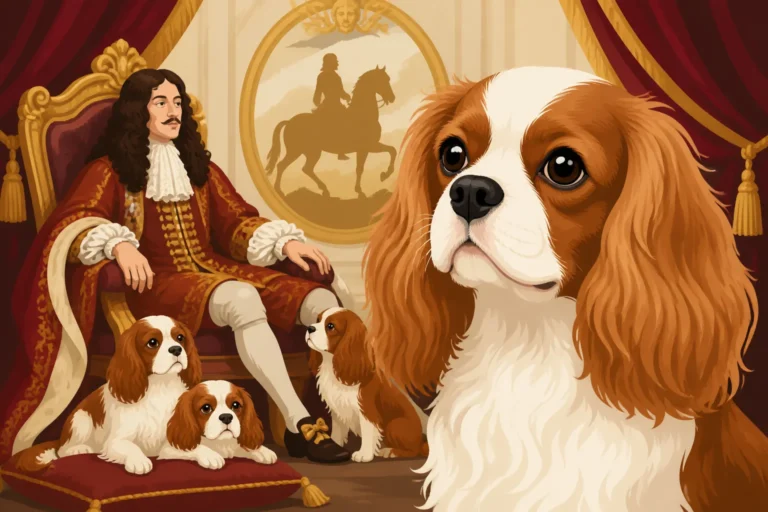
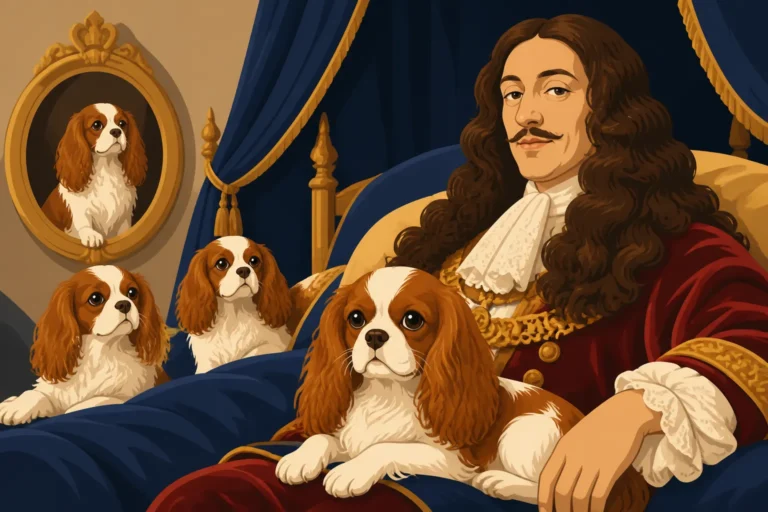
Before we talk about the first champion, it’s important to cast our minds back to a time when the Cavalier King Charles Spaniel as we know it almost didn’t exist. The adorable, long-nosed spaniel that once graced the laps of English royalty had, over centuries, morphed into a shorter-nosed, dome-headed dog known as the King Charles Spaniel or English Toy Spaniel. This shift meant that the original type was largely lost, save for a few paintings and whispers of history.
Imagine trying to bring back a piece of living history that most people had forgotten. That's precisely the task that faced early enthusiasts, and it's why figures like our first champion became so pivotal. They weren't just winning ribbons; they were literally redefining a breed and setting a visual standard for generations to come. Understanding this context makes their achievements even more impressive and their unbeaten runs all the more significant.
Roswell Eldridge's Quest for the Original Spaniel
The real spark for the Cavalier's revival came from an American named Roswell Eldridge. He was utterly captivated by the historical paintings of King Charles II's spaniels, those elegant dogs with their longer muzzles and flatter skulls, so distinct from the fashionable toy spaniels of his era. He saw a gap, a loss in the canine world, and he wanted to fill it. He envisioned bringing back that "old type." You can read more about his monumental effort in How Roswell Eldridge Brought Back the Cavalier.
Eldridge didn't just dream; he put his money where his mouth was. In 1926, he famously offered prize money at Crufts for the "best dog or bitch King Charles Spaniel of the old type," specifically requesting a dog "with a long face, no stop, flat skull, not inclined to be domed, and with the spot in the centre of the skull." This was a bold move, almost a challenge to the existing dog show world, urging breeders to look back rather than forward with the current trends. His advertisement, which you can learn more about in The 1926 Advertisement That Revived the Cavalier, became a rallying cry for those few individuals who still harbored dogs resembling the old style. It truly was a quest to rediscover a lost aesthetic.
The Emergence of the "Old Type" Cavalier
Eldridge's offer slowly but surely started to draw out dogs that fit his description. These weren't dogs bred to a consistent standard, but rather individual animals that happened to carry the desired traits. They were the outliers, the ones who hadn't conformed to the popular "cobby" short-faced look. This early period was less about meticulously planned breeding programs and more about identifying and cherishing these rare examples. These dogs were the foundation upon which the modern Cavalier King Charles Spaniel would be built.
The breeders who stepped forward were often passionate hobbyists, and their dogs came from varied backgrounds. There was no established "Cavalier" breed club yet, no formal registry. It was a grassroots movement fueled by a shared appreciation for a historical aesthetic. The dogs presented to Eldridge's challenge were scrutinised against portraits, not against a written breed standard, because one hadn't formally existed for the "old type" in centuries. This initial pool of dogs, diverse as they were, had one thing in common: they represented the potential to resurrect the Cavalier. It was a truly exciting, almost archaeological, period in canine history.
Here's a quick comparison of the two types of King Charles Spaniels at the time:
| Feature | Fashionable King Charles Spaniel (circa 1920s) | Eldridge's "Old Type" Cavalier Vision |
|---|---|---|
| Muzzle | Very short, "pushed in" | Longer, more defined |
| Skull | Domed | Flat |
| Stop | Pronounced (abrupt indentation between eyes) | Little to no stop |
| Eyes | Round, prominent | Large, round, but less prominent |
| Overall Build | Cobby, compact | Balanced, elegant |
This table helps illustrate the significant physical differences Eldridge was trying to bring back, which would eventually become The AKC Standard for the Cavalier King Charles Spaniel.
Ann's Son's Entry into the Show Ring and His Dominance
Amidst this exciting revival, a particular dog emerged who would not only embody Eldridge's vision but would also go on to dominate the early show rings. This was a ruby-colored male named Ann's Son. He wasn't just a dog; he was the dog who proved that the "old type" could not only exist but could also excel. His impact was immediate and profound, setting a benchmark for what a true Cavalier should be.
His physical appearance perfectly captured the essence of the old court spaniels, and his temperament, which we now recognise as quintessentially Cavalier, endeared him to everyone he met. He wasn't just a pretty face; he had the presence of a true canine aristocrat. For many, seeing Ann's Son was like seeing history come to life, solidifying the idea that this beloved breed could indeed be revived.
The Early Exhibitions and His Unmatched Presence
Ann's Son first graced the show ring in 1928, just two years after Eldridge's initial challenge. It's difficult to fully grasp the excitement and anticipation surrounding these early shows. Imagine a community of enthusiasts, all looking for the perfect embodiment of a lost breed. Ann's Son stepped into that spotlight and, quite simply, shone. He captured the eye of judges and spectators alike with his correct conformation, beautiful coat, and gentle, loving disposition.
He consistently won the prize money offered by Roswell Eldridge, becoming an undisputed leader in these fledgling "old type" classes. He was a sensation, quickly accumulating wins and proving that the type Eldridge envisioned was not only achievable but breathtakingly beautiful. His wins weren't just personal triumphs; they were victories for the entire movement to re-establish the Cavalier. Each time he was awarded best of type, it was a validation of the direction the breed was heading. His success encouraged more breeders to pursue the "old type," moving away from the short-nosed varieties that had become so common.
Defining "Undefeated" in the Early Days
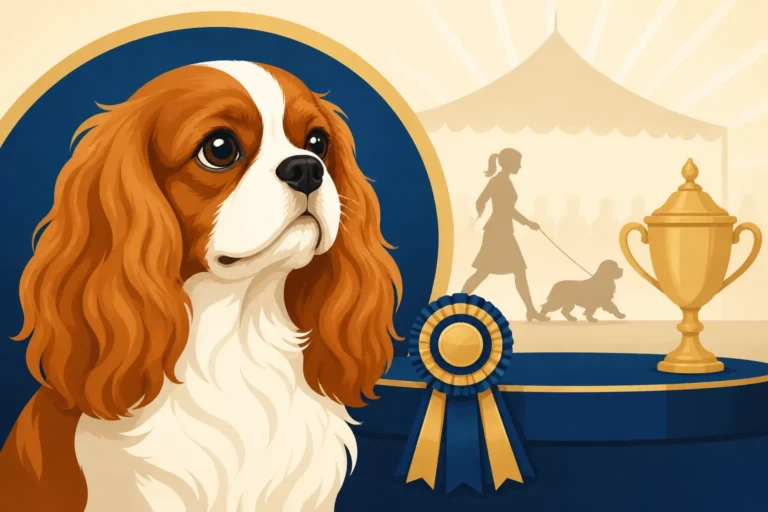
So, how long did the first Cavalier champion, Ann's Son, go undefeated? The answer is quite remarkable: he won every class he was entered in for the entire four years that Roswell Eldridge offered his special prizes, from 1928 through 1930. This meant he was, essentially, undefeated in the context of the specific "old type" classes that were designed to promote the emerging Cavalier. While the concept of a "champion" and a formal breed club were still in their infancy, his consistent wins were groundbreaking.
It's important to understand what "undefeated" meant in this nascent stage of the breed. These weren't standard Kennel Club championships as we know them today, which often require a dog to defeat other champions and accumulate a certain number of points. Instead, Ann's Son's undefeated status refers to his consistent wins in the specific classes created to identify and reward the "old type" King Charles Spaniel. He was the gold standard, the dog that all others were measured against in this quest for revival. His unbroken string of victories cemented his place as the foundational stud, the dog everyone wanted to emulate and breed from. This incredible run made him the undisputed king of the emerging Cavalier world.
The Enduring Influence and Pedigree of the Undefeated Champion
Ann's Son's story isn't just about his show ring success; it's about the lasting impact he had on the entire breed. His undefeated run solidified the vision for the Cavalier and provided a tangible example for all future breeders. He was a living blueprint, a testament to what was possible when a dedicated group of people set out to preserve a piece of history. Without his consistent victories, the momentum for the breed's revival might have faltered.
His influence extended far beyond his lifetime, shaping the breed for generations. Every Cavalier you see today, whether trotting through a park or curled up on a sofa, carries a little bit of Ann's Son in their lineage. His contributions were genetic, aesthetic, and even philosophical, setting the tone for the type of dog the Cavalier was destined to become.
Shaping the Breed Standard for Generations
Ann's Son became the living embodiment of the new breed standard. When the Cavalier King Charles Spaniel Club was finally formed in 1928 and set about writing its first breed standard, it was Ann's Son who was held up as the ideal. He literally defined what they were looking for – the length of muzzle, the flatness of skull, the soulful expression, the correct tail carriage. Ann's Son and the First Cavalier Standard were inextricably linked, with his physical traits becoming the very guide for how future Cavaliers should look.
This was a critical moment for the breed. Having a definitive example like Ann's Son helped prevent the new breed from drifting back towards the shorter-nosed King Charles Spaniel type. Breeders now had a clear goal. They could look at Ann's Son and say, "That's what we're aiming for." His physical traits weren't just admired; they were actively sought after in breeding programs. This solid foundation, based on a real, successful dog, was crucial for the breed's consistent development. Think of it as having the perfect prototype from which all subsequent models would be designed.
Ann's Son's Lasting Legacy in Cavalier Bloodlines
The most profound impact of Ann's Son was undoubtedly his genetic legacy. As the premier "old type" male, he was heavily sought after for breeding. His progeny were highly prized, carrying forward his desirable traits and contributing significantly to the expanding gene pool of the nascent breed. Many, if not all, modern Cavaliers can trace their ancestry back to this foundational dog. He quite literally helped populate the breed with the characteristics that make the Cavalier so distinctive today.
His bloodline was essential in establishing the consistency of type that allowed the breed to eventually gain full recognition. For example, when Cavaliers began to appear in America in the 1940s, as explored in The 1940s Cavaliers That Started American Lines, many of those early imports were descendants of Ann's Son. Breeders intentionally sought out his lineage to ensure they were acquiring dogs true to the "old type" ideal. Even today, responsible breeders carefully study pedigrees, often looking for those strong foundational lines that trace back to dogs like Ann's Son, ensuring the health and integrity of the breed. You might even find specialized foods or grooming tools for these distinct dogs on sites like Chewy, a testament to how far the breed has come from its humble, historical beginnings.
Ann's Son, a ruby Cavalier, was instrumental in shaping not just the look but also the beloved temperament we associate with the breed – the gentle, affectionate nature that makes them such wonderful companions. His story is a powerful reminder that behind every cherished breed lies a history of dedicated individuals and remarkable dogs who paved the way.
Disclaimer
This article is for general informational purposes only and does not constitute professional advice. Laws, prices and regulations vary by location and change over time. Consult a qualified professional for guidance on your specific situation.