The Cavalier MVD Breeding Protocol
It's absolutely heartbreaking to watch your beloved Cavalier King Charles Spaniel struggle with Mitral Valve Disease (MVD), a condition that, for far too many, arrives much too early in their lives. The coughs, the fatigue, the sheer unfairness of such a young dog battling a failing heart – it’s a pain no owner should have to endure. Understanding and adhering to a strict MVD breeding protocol is paramount to protecting this wonderful breed, and this guide is here to unravel what that truly means for breeders and prospective owners alike.
Understanding Mitral Valve Disease MVD in Cavaliers
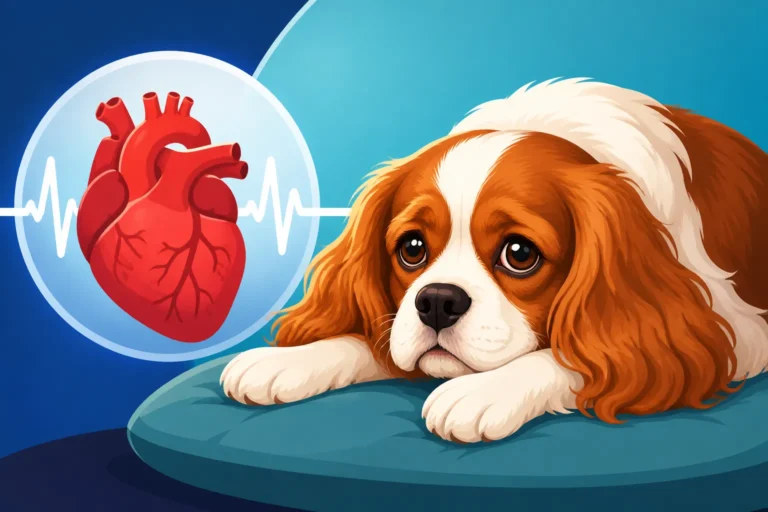
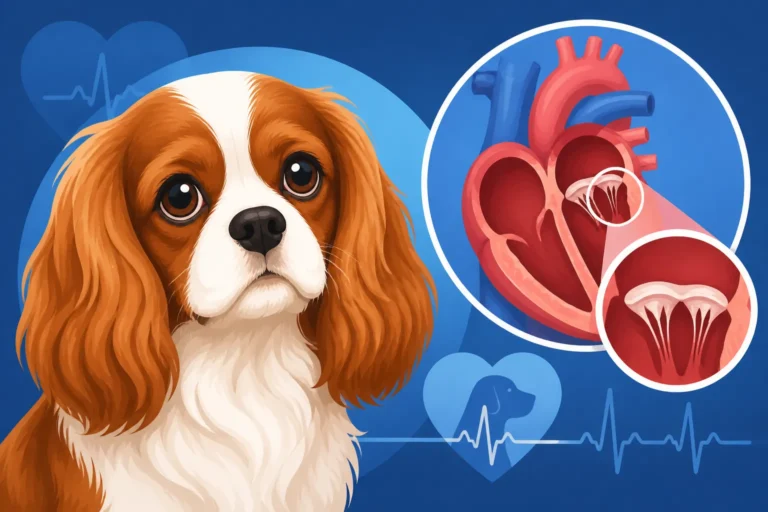
Mitral Valve Disease, or MVD, is a condition that disproportionately affects Cavalier King Charles Spaniels, often striking them at an alarmingly young age compared to other breeds. It’s a degenerative disease of the heart's mitral valve, located between the left atrium and left ventricle. Essentially, the valve gradually thickens and degenerates, losing its ability to close tightly, leading to blood leaking backward into the atrium with each heartbeat. This leakage, initially a soft murmur, puts extra strain on the heart, causing it to enlarge and, eventually, fail.
The Genetic Predisposition
Many people wonder why Cavaliers, in particular, are so susceptible to MVD. It’s not just an unfortunate coincidence; it’s deeply woven into their genetic fabric. Over decades, due to historical breeding practices and a relatively closed gene pool, MVD became highly prevalent within the breed. Unlike in many other dogs where heart disease is typically a problem of old age, in Cavaliers, it can begin to manifest in middle age, or even younger, and progress rapidly. Scientists have been working tirelessly to identify the specific genetic markers, but the complex nature of the disease, involving multiple genes, makes it a formidable challenge. The reality, for now, is that a vast majority of Cavaliers will develop a murmur by the age of ten, and far too many will show signs much, much sooner. This inherent vulnerability means that every Cavalier breeder carries a profound responsibility to mitigate this risk through diligent health testing and careful breeding choices.
How MVD Progresses
The journey of MVD in a Cavalier typically starts quietly, often without any outward symptoms that an owner might notice. The very first sign is usually a heart murmur, detected by a veterinarian listening with a stethoscope. Initially, this murmur might be so faint that only a specialist cardiologist can hear it. As the disease advances, the leakage through the mitral valve worsens, forcing the heart to work harder. Over time, this extra effort causes the heart chambers to enlarge. This is when symptoms might start to appear, as the enlarged heart begins to put pressure on the airways or as fluid starts to back up in the lungs, leading to congestive heart failure.
Owners might notice their Cavalier developing a persistent cough, especially at night or when excited. They might become less tolerant of exercise, tiring more easily on walks, or generally seem less enthusiastic than usual. Difficulty breathing, panting heavily even at rest, or restlessness are all alarming signs that the disease has progressed significantly. It's a progressive and relentless condition, and while medications can manage the symptoms and extend quality of life, there is currently no cure. For a deeper dive into the stages, you might find information in articles like "How Cavalier Heart Disease Progresses Stage by Stage" incredibly helpful in understanding what to expect should your Cavalier develop MVD. This tragic reality underscores why responsible breeding protocols are not just guidelines, but lifelines for the breed.
The Importance of a Breeding Protocol
Given the widespread prevalence and devastating impact of MVD in Cavalier King Charles Spaniels, a comprehensive and strictly adhered-to breeding protocol isn't just a good idea – it's an absolute necessity. Without dedicated efforts to breed for health, the future of this beloved breed is grim. This protocol serves as a blueprint for ethical breeders to make informed decisions that prioritize health and longevity over all other factors, ultimately working to improve the breed's genetic health pool.
Breaking the Cycle
MVD is an inherited condition, meaning it’s passed down from parents to their offspring. This is why a breeding protocol is the single most effective tool we have to break the cycle of early-onset heart disease. Simply put, if you breed two dogs with early-onset MVD, you are highly likely to produce puppies who will also develop the disease early, often leading to a shortened lifespan. By carefully selecting breeding dogs based on their cardiac health and the health history of their ancestors, breeders can significantly reduce the chances of passing on these detrimental genes.
The goal isn't necessarily to eradicate MVD entirely overnight, which is a monumental task given its deep genetic roots. Rather, the immediate and achievable goal is to delay its onset. Imagine a world where Cavaliers typically live into their teens, only developing a murmur in their very senior years, if at all. This is the vision that the MVD breeding protocol strives for. It’s a long-term commitment that looks beyond a single litter, aiming to improve the health trajectory for generations of Cavaliers to come. Every responsible breeding decision today contributes to a healthier tomorrow for the breed.
Ethical Breeding Responsibilities
Beyond the scientific and genetic implications, adhering to a strict MVD breeding protocol is a fundamental ethical responsibility for anyone breeding Cavaliers. It's about more than just producing cute puppies; it's about ensuring those puppies have the best possible chance at a long, healthy, and pain-free life. A breeder who truly loves the breed and respects the trust placed in them by prospective owners understands that their actions directly impact the well-being of countless dogs and the emotional and financial strain on their future families.
Ignoring the protocol, or only performing superficial health checks, is not only irresponsible but, frankly, unethical. It puts profit or the desire to perpetuate certain aesthetic traits ahead of the dogs' welfare. An ethical breeder doesn't just aim for "clear" parents; they delve into the lineage, seeking dogs whose ancestors also lived long, healthy lives, free from early-onset MVD. This deep commitment to health reflects a true dedication to the Cavalier King Charles Spaniel, understanding that improving the breed's health is the highest form of respect for its legacy and its future. The protocol is a tangible expression of this commitment, a promise to future owners that every possible step has been taken to ensure a robust and healthy companion.
Key Components of the MVD Breeding Protocol
The MVD breeding protocol isn't just a vague suggestion; it's a set of very specific, non-negotiable guidelines designed to identify and eliminate high-risk individuals from the breeding pool. It requires a significant investment of time, money, and commitment from breeders, but it's the only way to genuinely move the needle towards a healthier future for Cavaliers. These components focus on age, rigorous testing, and careful selection.
Age Restrictions for Breeding
Perhaps the most critical component of the MVD breeding protocol revolves around the age at which Cavaliers are bred. This isn't just an arbitrary number; it's based on extensive research into when MVD typically begins to manifest in the breed. The general recommendation is that no Cavalier should be bred before they are at least two and a half years old, but ideally, they should be at least five years old. This "over five" rule is paramount.
The rationale is simple: MVD is a slowly progressive disease, and a heart that sounds clear at a younger age might still develop a murmur later. By waiting until a dog is five years old, breeders significantly increase the likelihood that any potential MVD has had a chance to become detectable via specialist cardiac examinations. Breeding a younger dog, even if their heart sounds clear at the time, carries a much higher risk of passing on early-onset MVD genes that simply hadn't manifested yet. This delay allows for a clearer picture of the dog's cardiac health, not just for the individual, but also for its potential to contribute to healthier lines. This is why discussions around "Why a Cavalier Should Not Be Bred Before Five" are so crucial within the breeding community. It’s a patience game, but one that pays dividends in the health of future generations.
Regular Cardiac Screening
While age is a crucial factor, it must always be coupled with rigorous and regular cardiac screening by a board-certified veterinary cardiologist. A general veterinary check-up, while important for overall health, is simply not sufficient for identifying the subtle signs of MVD in a Cavalier. These specialists possess the expertise and equipment to accurately assess heart health.
The protocol mandates annual auscultation (listening with a stethoscope) by a cardiologist for all breeding dogs, starting from a young age and continuing throughout their breeding years. However, even a cardiologist's ear has its limits. This is why regular echocardiograms (ultrasounds of the heart) are also a vital part of the protocol, especially for potential breeding stock. An echocardiogram provides a detailed visual assessment of the heart's structure, valve function, and blood flow, allowing the cardiologist to detect early changes that might not yet produce an audible murmur. This comprehensive approach ensures that breeders have the most accurate and up-to-date information on their dogs' cardiac health before making any breeding decisions. For more detailed information on what these specialist visits entail, you can explore resources like "Annual Cardiologist Exams for a Cavalier".
Stud and Dam Selection
Once age and rigorous cardiac screening have cleared individual dogs, the next critical step is the intelligent selection of stud and dam pairs. This is where the breeder's understanding of genetics and commitment to the protocol truly shines. It's not enough for an individual dog to meet the "clear at five years old" criteria; their lineage also matters immensely.
Responsible breeders will delve into the health history of a potential breeding dog’s parents, grandparents, and even great-grandparents. They seek out lines where MVD, if present, manifested very late in life, and ideally, where ancestors lived to a ripe old age, passing away from non-cardiac causes. The protocol advises against breeding two dogs together if one already has a detectable murmur, even if it's considered mild, especially if it appeared at a young age. The aim is to combine the healthiest possible genetic lines, minimizing the risk of inherited MVD. This strategic pairing is often referred to as "breeding away" from early-onset MVD, carefully planning pairings to strengthen the breed's overall cardiac health. This meticulous approach ensures that the genetic contributions to the next generation are as robust and healthy as possible, offering the best chance for long, full lives for these cherished companions.
Interpreting Cardiac Health Clearances
For prospective Cavalier owners, navigating the world of health clearances can feel like trying to decipher a foreign language. However, understanding what these documents mean and how to properly interpret them is absolutely essential when selecting a puppy from a reputable breeder. It’s not enough for a breeder to simply say their dogs are "heart clear"; you need to see the verifiable evidence.
Understanding Murmur Grades
When a veterinarian or cardiologist listens to a dog's heart, they are listening for a murmur – an abnormal sound caused by turbulent blood flow. Murmurs are typically graded on a scale of I to VI, with I being the faintest and VI being the loudest and most easily palpable. It’s important to understand that a murmur, in itself, is not a disease, but rather a symptom that can indicate underlying heart issues, such as MVD in Cavaliers.
For breeding purposes, any murmur in a Cavalier, regardless of its grade, is a significant red flag, especially if detected at a young age. A Grade I murmur might seem insignificant, but in a Cavalier, it often heralds the beginning of MVD. The breeding protocol specifically advises against breeding dogs that have any detectable murmur. While a higher grade murmur (like a Grade IV or V) clearly indicates advanced disease, even a subtle murmur in a breeding-age dog should lead to its removal from the breeding program. For a more comprehensive explanation of what these grades imply, an article like "What a Heart Murmur Grade Means in a Cavalier" can provide invaluable insight. Don't be shy about asking breeders about the murmur status of their breeding dogs and their parents.
Echocardiogram Results
While a cardiologist’s auscultation is crucial for detecting murmurs, the echocardiogram is the gold standard for truly understanding the condition of a Cavalier's heart. An echocardiogram is a non-invasive ultrasound of the heart that allows a specialist to visualize the heart's structures, including the mitral valve, in real-time. It measures chamber sizes, wall thickness, and the velocity and direction of blood flow. This detailed imaging can confirm the presence of MVD, assess its severity, and determine the exact changes occurring within the heart.
The significance of echocardiogram results cannot be overstated. A dog might not have an audible murmur yet, but an echocardiogram could reveal subtle changes to the mitral valve or early signs of heart enlargement, indicating the very beginning of MVD. For breeding stock, annual echocardiograms performed by a board-certified cardiologist are essential. These results provide an objective, detailed picture of cardiac health, far beyond what a stethoscope alone can offer. Breeders should be able to provide copies of these reports, clearly showing that their breeding dogs are free from MVD-related changes, especially by the age of five. This ensures transparency and gives you confidence in the health claims made by the breeder. Without these documented echocardiogram results, any claim of "heart clear" is merely anecdotal. You can learn more about this vital diagnostic tool in "What a Cavalier Echocardiogram Shows".
Challenges and Controversies
Despite the clear and compelling need for strict adherence to the MVD breeding protocol, the reality is that its implementation isn't always perfect, nor is it universally followed. There are significant challenges and controversies that make finding a truly compliant breeder a diligent effort for prospective owners. Understanding these hurdles can empower you to make more informed decisions.
The Pressure to Breed
One of the most persistent challenges is the immense pressure to breed, driven by the high demand for Cavalier King Charles Spaniel puppies. Cavaliers are incredibly popular companions, and this popularity, while a testament to their wonderful temperament, can inadvertently create an environment where ethical breeding practices are sometimes compromised. Breeders might feel financial pressure to produce more litters, or they might be tempted to breed a dog with desirable aesthetic traits (like a particularly beautiful coat or conformation) even if that dog's cardiac health history isn't ideal.
Sometimes, the pressure comes from a lack of awareness or education within the breeding community itself. Not every breeder is fully up-to-date on the latest MVD research or the most stringent protocols. They might mistakenly believe that a general vet check is sufficient or that a mild, late-onset murmur is acceptable. This perpetuates the cycle of MVD, as puppies from such pairings continue to carry the genetic predisposition. This also creates a significant financial burden on new owners, who might later face substantial veterinary bills for MVD treatment, reinforcing why pet insurance providers like Healthy Paws are so important, even for puppies from supposedly "health-tested" lines if the testing isn't truly comprehensive.
Finding Truly Compliant Breeders
For a prospective puppy owner, distinguishing between a breeder who says they health test and one who actually adheres to the full MVD breeding protocol can be incredibly daunting. Many breeders will claim to "health test," but this term can be vague and misleading. It might mean they've had a basic vet check, or perhaps a single auscultation, but not the consistent, specialist-level cardiac screening, including echocardiograms, from board-certified cardiologists, especially past the crucial age of five.
A truly compliant breeder will be transparent and eager to share verifiable documentation. They will not just tell you the parents are "clear," but they will provide copies of cardiac clearance certificates from a board-certified veterinary cardiologist, often registered with organizations like the Orthopedic Foundation for Animals (OFA) or the Canine Health Information Center (CHIC). These certificates should include dates and show the findings of both auscultation and echocardiograms. Crucially, look for clearances that indicate the breeding dogs were screened after their fifth birthday. If a breeder is evasive, hesitant, or only offers vague assurances, that’s a major red flag. Learning "The Heart Testing a Cavalier Breeder Must Do" is essential for empowering yourself in this search. It demands diligence and a willingness to ask tough questions, but it's an investment in your future puppy's health and longevity.
The Role of the Prospective Owner
As a prospective owner, you wield significant power in shaping the future health of the Cavalier King Charles Spaniel breed. Your choices directly impact the demand for responsibly bred puppies and, consequently, the incentives for breeders to adhere to strict health protocols. By being informed, asking the right questions, and prioritizing health over convenience or cost, you become a crucial part of the solution.
Asking the Right Questions
When you're looking for a Cavalier puppy, it's natural to be swept up in the excitement of meeting adorable little fluffballs. However, before you fall in love, you must arm yourself with a list of pointed questions for any potential breeder. Don't be afraid to be thorough; a reputable breeder will welcome your questions and appreciate your due diligence.
Here are some absolute must-asks:
- "Can I see verifiable copies of the cardiac clearances for both the dam and sire, specifically from a board-certified veterinary cardiologist?" Look for documentation of both auscultation and echocardiograms.
- "What age were the dam and sire when their most recent cardiac clearances were performed? Can you provide clearances showing they were clear at five years old or older?" This is critical for MVD.
- "What is the cardiac history of the parents of the dam and sire (grandparents of the puppy)? At what age, if any, did they develop murmurs, and what did they ultimately pass away from?" A good breeder will know this lineage detail.
- "Have the dam and sire been DNA tested for other breed-specific conditions like Episodic Falling Syndrome and Dry Eye/Curly Coat Syndrome?" While MVD is paramount, other health checks are important too.
If a breeder is transparent, provides clear answers, and readily offers documentation, you're likely on the right track. If they are vague, defensive, or claim that "their vet checks them," it's a strong indicator that they may not be adhering to the full MVD breeding protocol. Your persistence in asking these questions sends a clear message that you prioritize health.
Supporting Reputable Breeders
Ultimately, the most impactful action you can take as a prospective Cavalier owner is to actively support and purchase from truly reputable breeders who rigorously adhere to the MVD breeding protocol. While a puppy from such a breeder might come with a higher initial price tag, consider it an investment in a healthier, longer life for your future companion. The upfront cost pales in comparison to the emotional and financial strain of managing a Cavalier with early-onset, severe MVD.
By choosing a breeder who commits to the "clear at five" rule and comprehensive cardiologist screenings, you're not just buying a puppy; you're voting with your wallet for ethical breeding practices. This strengthens the demand for healthy lines and encourages other breeders to elevate their standards. Remember that even with the most careful breeding, no dog is immune to all health issues, and unexpected medical costs can arise. That's why having a robust pet insurance plan, such as those offered by Healthy Paws, is a wise decision to prepare for any unforeseen circumstances, providing peace of mind knowing you can provide the best care. However, starting with the best possible genetic foundation from a reputable breeder is always the strongest first step. For more guidance on this crucial step, "Buying a Cavalier From a Health-Testing Breeder" offers excellent advice. Your thoughtful choice has the power to make a real difference in the fight against MVD in the Cavalier King Charles Spaniel breed.
| Protocol Requirement | Description | Ideal Age/Frequency |
|---|---|---|
| Cardiac Auscultation | Stethoscope exam by a board-certified veterinary cardiologist to detect heart murmurs. | Annually, from puppyhood through breeding years and beyond. |
| Echocardiogram | Ultrasound of the heart to assess valve function, heart size, and blood flow, confirming MVD status. | Annually for breeding stock, starting from 12 months. Mandatory immediately prior to any breeding. |
| Minimum Breeding Age (Dam) | Female Cavaliers should not be bred until they have passed thorough cardiac screening and are free of murmurs. | Preferably 5 years old, never before 2.5 years. |
| Minimum Breeding Age (Sire) | Male Cavaliers should not be used for breeding until they have passed thorough cardiac screening and are free of murmurs. | Preferably 5 years old, never before 2.5 years. |
| Parental Lineage History | Both parents should have no detectable murmur by their breeding age, and ideally, their parents and grandparents should have lived to old age without early-onset MVD. | Crucial for assessing multi-generational health. |
Disclaimer
The information provided in this guide is for general informational purposes only and does not constitute veterinary medical advice. Always consult with a qualified veterinary professional or board-certified veterinary cardiologist for any health concerns or before making any decisions related to your Cavalier King Charles Spaniel's health or breeding.