Whether a Cavalier Is a Brachycephalic Breed
It's a question that many Cavalier King Charles Spaniel owners, or those considering bringing one of these adorable pups into their home, often ponder: are Cavaliers considered a brachycephalic breed? This can be a source of real confusion because while their sweet, slightly flatter faces might look similar to some other breeds classified as brachycephalic, the nuances of their skull structure and the unique health challenges they face are often quite different. This guide aims to clear up that confusion, diving deep into what brachycephaly truly means, where the Cavalier fits in (or doesn't), and what you as an owner need to know about their specific head-related health considerations.
Understanding Brachycephaly
The term "brachycephalic" gets thrown around a lot, especially in discussions about breed health, but what does it actually mean, and why is it such a critical topic for certain dogs? For Cavalier owners, understanding this baseline is important for distinguishing common health issues from those specific to their beloved companions.
What "Brachycephalic" Actually Means
At its core, "brachycephalic" literally means "short-headed." It refers to breeds of dogs that have been selectively bred to possess a distinctively shortened snout and a flattened face. Think of it like compressing a dog's skull from front to back. This anatomical alteration affects not just their cute facial features but also the underlying bone structure of their head, jaw, and respiratory system.
When you look at a truly brachycephalic dog, you'll often notice a very short, pushed-in nose, large, prominent eyes, and a broad skull. This isn't just cosmetic; it means that while the bones of the skull are shortened, the soft tissues within the nose and throat often aren't, leading to a crowded upper airway. This anatomical mismatch is the root cause of many of the health problems associated with these breeds. It's a fundamental difference in architecture that impacts everything from how they breathe to how their teeth fit in their mouth.
Common Brachycephalic Breeds
When most people think of brachycephalic dogs, certain breeds immediately come to mind. These are the poster children, so to speak, for this skull type, and they consistently demonstrate the more extreme characteristics and associated health issues.
Breeds like the French Bulldog, Pug, English Bulldog, Boston Terrier, and Shih Tzu are classic examples. Their unmistakable flat faces, often accompanied by snorting, snoring, and heavy breathing, are hallmarks of brachycephaly. These breeds often struggle with Brachycephalic Obstructive Airway Syndrome (BOAS), a collection of upper airway abnormalities that can include stenotic nares (narrow nostrils), an elongated soft palate, everted laryngeal saccules, and a hypoplastic trachea (narrow windpipe). These conditions can severely restrict airflow, making even simple activities challenging and potentially life-threatening, especially in warmer weather or during exercise. Understanding these common examples helps to create a benchmark for comparison when we then turn our attention to the Cavalier.
The Health Challenges Associated with Brachycephaly
The unique skull structure of brachycephalic breeds unfortunately brings with it a host of specific health challenges. These aren't just minor inconveniences; they can significantly impact a dog's quality of life and lifespan, requiring dedicated management and, often, costly veterinary interventions.
The most prominent issues revolve around respiration. Due to their crowded airways, brachycephalic dogs are prone to Brachycephalic Obstructive Airway Syndrome (BOAS), which can manifest as noisy breathing, snoring, difficulty exercising, and overheating. Imagine trying to breathe through a perpetually stuffy nose while running a marathon – that's often the daily reality for severely affected dogs. These breathing difficulties can lead to secondary problems, including increased strain on the heart, making it even more crucial for owners to understand. You might also want to look into whether a Cavalier Struggles in Heat, as overheating can be a major concern for any dog with compromised breathing.
Beyond breathing, dental problems are rampant. The shortened jaw simply doesn't have enough space for all 42 adult teeth, leading to severe crowding, rotation, and malocclusion. This creates pockets where food particles and bacteria can easily accumulate, greatly increasing the risk of painful gum disease and tooth decay. Addressing this often means frequent dental cleanings and, sadly, extractions, which can become quite expensive over a dog's lifetime. For more specific insights, read about Cavalier Dental Disease in a Crowded Jaw.
Eye issues are another common concern. Due to their shallow eye sockets and sometimes prominent eyes, brachycephalic breeds are more susceptible to corneal ulcers, dry eye, and even proptosis (where the eyeball pops out of its socket) from trauma. Their eyes are simply more exposed and vulnerable to injury and irritation. Understanding these challenges in typical brachycephalic breeds sets the stage for a more nuanced look at the Cavalier.
The Cavalier King Charles Spaniel's Skull Structure
Now that we have a clear picture of what brachycephaly entails, let's turn our attention to the Cavalier King Charles Spaniel. Their charming, expressive faces have a unique history and anatomy that sometimes creates confusion when discussing head shape. It’s not as simple as a yes or no answer for them.
Historical Context of the Cavalier's Head Shape
To truly understand the Cavalier's head shape today, we have to take a quick trip back in time. The ancestors of the modern Cavalier were the toy spaniels seen in paintings from the 16th, 17th, and 18th centuries, particularly adored by royalty like King Charles II – hence their name. These original "King Charles Spaniels" had noticeably longer muzzles, flatter skulls, and a more pronounced stop (the indentation between the eyes). They were essentially miniature sporting spaniels, with all the functionality that implies for their nose and breathing.
However, during the Victorian era, there was a shift in breeding preferences, heavily influenced by the introduction of Asian toy breeds like the Pug. Breeders began favoring dogs with much shorter faces, dome-shaped skulls, and more prominent eyes. This led to the creation of what we now call the English Toy Spaniel (or King Charles Spaniel in the UK), which is undeniably a brachycephalic breed with a very flat face. The original, longer-nosed type nearly vanished.
It wasn't until the 1920s that American enthusiast Roswell Eldridge offered prize money at Crufts for dogs that resembled the older, longer-nosed type seen in historical paintings. This effort led to the deliberate revival of the "Cavalier" type, distinguishing them from their shorter-nosed King Charles cousins. So, while modern Cavaliers have a shorter muzzle than their distant ancestors, they were specifically bred away from the extreme brachycephaly that became popular in the 19th century. This historical journey helps explain why their head shape is a point of discussion.
The "Dome" vs. "Flat" Skull Debate
When you look at a Cavalier, you'll notice their head is often described as having a "slight dome" or being "moderately rounded," not entirely flat like a Pointer or severely domed like some Chihuahua lines. Their muzzle, while not long and pointed, is also not completely flat or "pushed in" like a Pug or French Bulldog. The breed standard, whether from the AKC or other kennel clubs, calls for a "moderate length from the base of the stop to the tip of the nose," usually about 1.5 inches. This is crucial because it indicates a muzzle that, while not extended, still provides some structure. The AKC Standard for the Cavalier King Charles Spaniel further clarifies these desired traits.
The "debate" often stems from comparing them to the historical toy spaniel (which had a longer muzzle) versus other modern toy breeds. Compared to their Victorian-era King Charles Spaniel cousins, the Cavalier definitely has a longer muzzle. However, compared to a Golden Retriever or even a Cocker Spaniel, their muzzle is still relatively shorter. This positioning in the middle often leads to confusion. It's not a simple case of "flat" or "long," but a specific moderate shape that presents its own set of considerations.
How a Cavalier's Skull Differs from Classic Brachycephalics
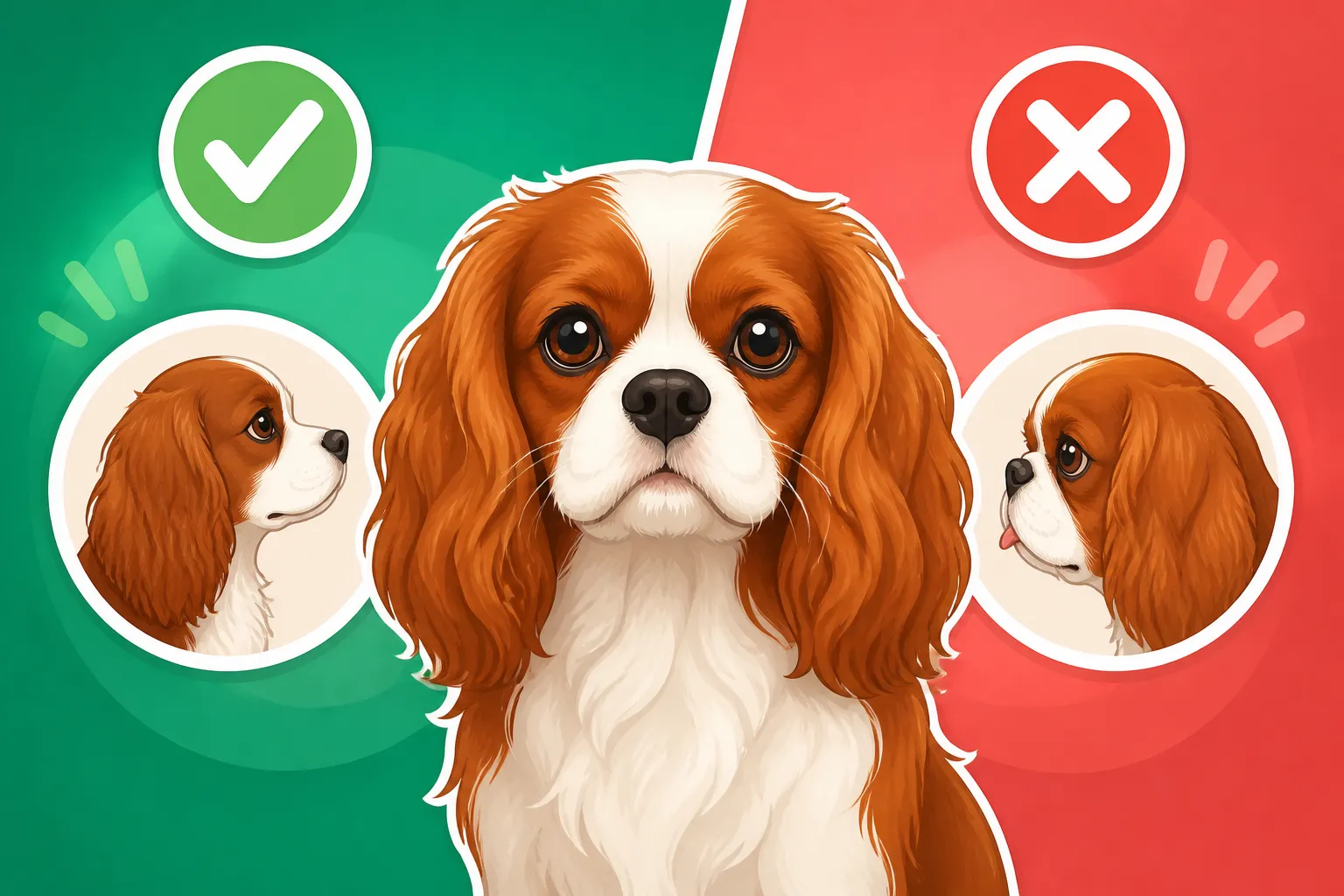
So, are Cavaliers truly brachycephalic? The prevailing veterinary and breed expert consensus is that while the Cavalier King Charles Spaniel has a relatively short muzzle compared to many other breeds, they are generally not classified as a severely brachycephalic breed in the same category as Pugs, French Bulldogs, or Bulldogs. Those breeds exhibit much more extreme shortening of the facial bones and associated respiratory issues (BOAS) as their primary health concern.
The key distinction lies in the severity of the facial shortening and the resulting impact on the soft tissues of the airway. A Cavalier's nostrils are typically more open, and their soft palate, while it can be elongated in some individuals, is generally less problematic than in breeds specifically identified with BOAS. They usually don't suffer from the extreme breathing difficulties, constant snorting, or loud gurgling sounds that are hallmarks of severe brachycephaly. If you're concerned about breathing issues, pay close attention to whether a Cavalier Snore and Why.
However, this doesn't mean their skull shape is without its own unique and significant challenges. While they may not fit the classic "brachycephalic airway syndrome" mold, their skull conformation can lead to other, often equally serious, health issues. It's a different kind of head-related problem, but a problem nonetheless.
| Feature / Breed Trait | Extreme Brachycephalic (e.g., Pug, French Bulldog) | Cavalier King Charles Spaniel |
|---|---|---|
| Muzzle Length | Very short, almost flat | Moderate, distinct but not long |
| Nostrils | Often stenotic (narrowed) | Usually open, but can vary |
| Skull Shape | Very broad, extremely flattened face | Moderately rounded/domed skull |
| Primary Respiratory Concern | Brachycephalic Obstructive Airway Syndrome (BOAS) | Less common, but possible mild issues |
| Typical Breathing Sounds | Snorting, snuffling, loud snoring, labored breathing | Less pronounced, may snore gently |
| Eye Prominence | Very prominent, prone to exposure issues | Prominent, prone to specific issues |
| Dental Crowding | Severe, common | Common |
| Unique Skull-Related Neurological Risk | Lower (BOAS is primary issue) | High (Syringomyelia, Chiari Malformation) |
Overlapping Health Concerns: Where Cavaliers and Brachycephalics Intersect
Even if Cavaliers aren't textbook brachycephalic, there are undeniable overlaps in certain health concerns due to their moderately shortened muzzle and particular skull shape. These aren't necessarily the same degree of issue, but they stem from similar anatomical constraints and require careful attention from owners.
Respiratory Considerations in Cavaliers
While Cavaliers are not typically affected by severe Brachycephalic Obstructive Airway Syndrome (BOAS) to the same extent as breeds like the French Bulldog, they can still experience some respiratory challenges. Their muzzles are shorter than their ancestors, and some individuals might have an elongated soft palate, which can obstruct airflow to varying degrees. You might notice your Cavalier snorting occasionally, especially when excited or after exercise, or perhaps snoring more loudly than you'd expect for their size.
It's important to distinguish between mild snorting and truly labored breathing. If your Cavalier consistently breathes with effort, especially if their gums turn bluish, or if they struggle significantly after even light activity, it's crucial to consult your vet. While severe BOAS surgery is less common for Cavaliers, understanding the subtle signs of respiratory distress is key. Ensuring your Cavalier stays at a healthy weight can also significantly reduce any potential strain on their respiratory system, as excess weight exacerbates any breathing difficulties.
Dental Health Challenges in Cavaliers
One area where Cavaliers undeniably share a common struggle with more extreme brachycephalic breeds is dental health. Despite their muzzle not being as severely flattened, the Cavalier's jaw is still relatively short compared to the number and size of teeth it needs to accommodate. This often leads to significant crowding, rotation, and malocclusion (improper bite) of their teeth.
When teeth are crowded and crooked, they create nooks and crannies where food particles, plaque, and tartar can accumulate rapidly. This makes it incredibly difficult for owners to effectively clean their dog's teeth at home, even with regular brushing. The result is a high predisposition to periodontal disease, including gingivitis, infections, and eventual tooth loss. Many Cavaliers require their first professional dental cleaning under anesthesia much earlier in life than other breeds, often by the age of two or three. Without proactive care, dental disease can lead to chronic pain, difficulty eating, and even systemic infections that impact other organs, including the heart. This is a critical area where prevention and regular veterinary care are non-negotiable.
Eye Health and Prominent Eyes
Another characteristic that Cavaliers share with many brachycephalic breeds is their beautiful, large, and prominent eyes. While this contributes to their sweet, soulful expression, it also means their eyes are more exposed and vulnerable to certain conditions.
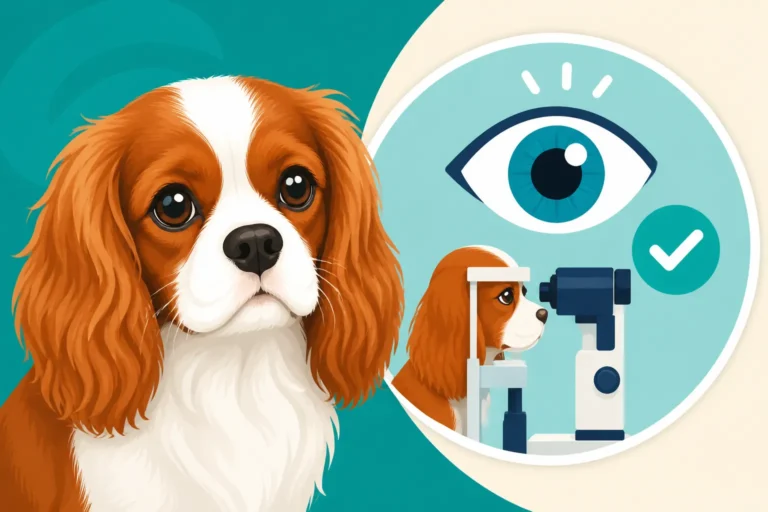
Cavaliers can be prone to conditions like dry eye (keratoconjunctivitis sicca or KCS), where the eyes don't produce enough tears, leading to chronic irritation, inflammation, and potential corneal damage. Their prominent eyes also make them more susceptible to accidental injuries, corneal ulcers from dust or debris, and even issues with the eyelids not fully covering the eyeball, which can exacerbate dryness. It's not uncommon for Cavaliers to have issues with distichiasis (extra eyelashes) or entropion (inward rolling eyelids) which can constantly irritate the cornea. Regular eye checks and diligent care are essential. For more details on these issues, you might want to read about Cavalier Eye Disease From Dry Eye to Cataracts.
Neurological Concerns
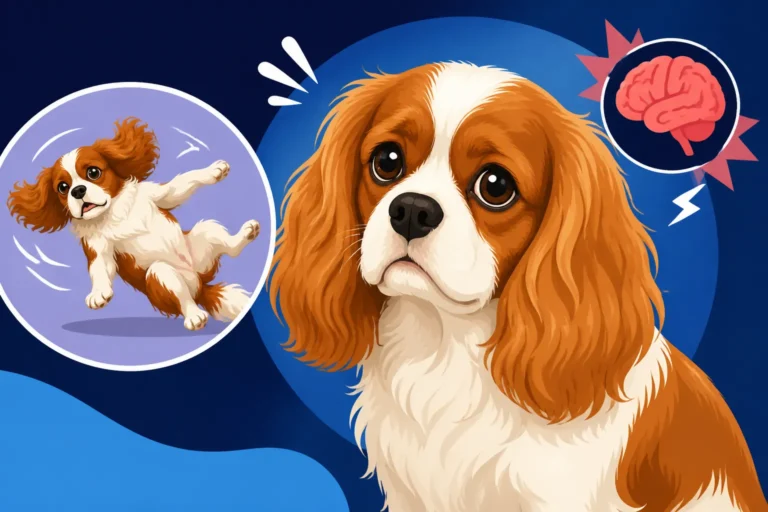
This is where the Cavalier's specific skull conformation truly comes into its own, presenting a health challenge that, while not typically called "brachycephalic syndrome," is directly related to their head shape and can be far more debilitating. Cavaliers are tragically predisposed to Chiari-like malformation (CM) and Syringomyelia (SM).
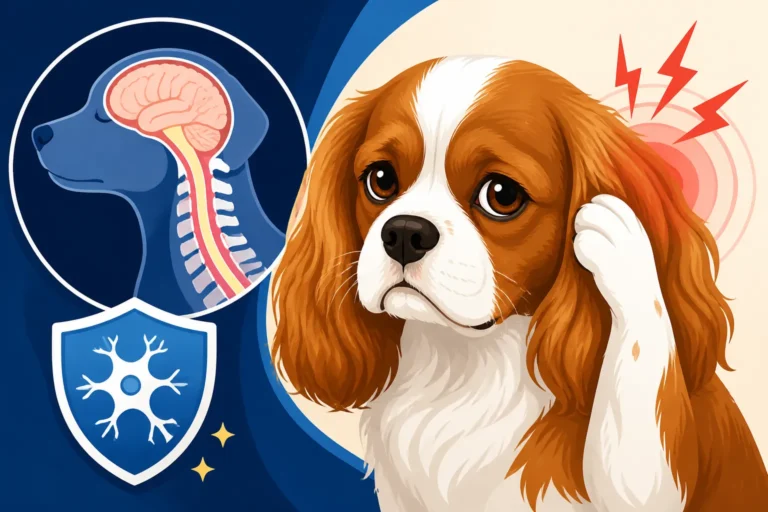
Chiari-like malformation occurs when the Cavalier's skull is too small or misshapen to properly accommodate the cerebellum (the part of the brain responsible for coordination) and brainstem. This causes the cerebellum to be pushed through the foramen magnum (the opening at the base of the skull) into the spinal canal. This abnormal compression can disrupt the flow of cerebrospinal fluid (CSF), leading to the formation of fluid-filled cavities within the spinal cord itself, known as syringomyelia.
The symptoms of SM can range from mild discomfort, such as phantom scratching (air scratching) where the dog scratches at its shoulder or neck without making contact, to severe, constant, excruciating pain, sensitivity to touch, yelping when picked up, and even neurological deficits affecting their gait and coordination. This condition is directly linked to the specific conformation of the Cavalier's skull, a consequence of selective breeding that has resulted in a smaller cranium than is ideal for their brain size. It's a severe, painful, and often lifelong condition that has prompted significant ethical discussions within the breed. To learn more, delve into Syringomyelia and Chiari Malformation in Cavaliers, and why a Cavalier Skull Is Too Small for Its Brain.
Officially Defining the Cavalier's Head
Given the unique position of the Cavalier's head shape—not extremely brachycephalic but with its own set of distinct skull-related problems—it's helpful to see how official bodies and veterinary science categorize them. This distinction can sometimes surprise new owners who might assume "flat face" always equals brachycephalic airway issues.
AKC and Kennel Club Classifications
When you look at the official breed standards set by organizations like the American Kennel Club (AKC) or the UK Kennel Club, the Cavalier King Charles Spaniel is not typically listed alongside breeds explicitly designated as brachycephalic. The term "brachycephalic" is usually reserved for breeds with a significantly shortened, pushed-in nose and face, such as the Pug, French Bulldog, or English Bulldog, where the primary concern is Brachycephalic Obstructive Airway Syndrome (BOAS).
The Cavalier standard calls for a muzzle of "moderate length" (approximately 1.5 inches from the stop to the tip of the nose) and a "slightly rounded" skull. This description intentionally differentiates them from the extremely flat-faced King Charles Spaniel (English Toy Spaniel). While their muzzle is shorter than a typical long-nosed dog, it's not considered severely brachycephalic by these standards. This distinction is important for show purposes and breed identity, emphasizing the desired "moderate" features that define the breed's appearance.
However, it's crucial to remember that breed standards focus on appearance, not necessarily comprehensive health outcomes. While they don't label Cavaliers as brachycephalic, it doesn't negate the existence of other skull-related health issues.
Veterinary Perspectives on Cavalier Head Shape
From a veterinary standpoint, the classification of a Cavalier's head shape is a bit more nuanced than a simple yes or no. Most veterinarians and specialists would agree that Cavaliers are not "classic" brachycephalic breeds prone to severe BOAS. When considering brachycephaly, the focus is heavily on airway obstruction, which is generally less prevalent and less severe in Cavaliers than in, say, a French Bulldog.
However, veterinary professionals are acutely aware of the other profound skull-related health issues that Cavaliers face, namely Chiari-like Malformation (CM) and Syringomyelia (SM). These conditions, caused by a mismatch between brain size and skull volume, are a much greater concern for the breed's overall welfare and are a direct consequence of their head conformation, even if it's not the same problem seen in severely brachycephalic dogs. A vet performing a routine check-up will always be mindful of a Cavalier's neurological health, alongside their heart and joint health. The focus shifts from respiratory compromise to neurological integrity when assessing the Cavalier's unique skull features.
Why the Distinction Matters for Owners
This distinction between being "not strictly brachycephalic" and having significant skull-related health issues is incredibly important for Cavalier owners. Misunderstanding this can lead to overlooked symptoms or a lack of proactive care.
If an owner assumes their Cavalier is brachycephalic, they might primarily worry about breathing problems, overlooking the subtle signs of neurological pain like phantom scratching, yelping when touched, or changes in sleep posture, which are hallmarks of Syringomyelia. Conversely, if an owner thinks "not brachycephalic means no head problems," they might miss early signs of dental crowding or fail to appreciate the genetic predisposition to SM/CM.
Knowing the specific challenges (CM/SM, dental crowding, eye prominence) rather than a generalized "brachycephalic" label allows owners to be more informed advocates for their dog's health. It guides discussions with veterinarians, influences decisions about purchasing from reputable breeders who screen for these issues, and prepares owners for the potential need for specialized care, such as MRI scans to diagnose Syringomyelia. Understanding these specific risks is paramount for a Cavalier's health and wellbeing, allowing for targeted preventative measures and early intervention.
Managing Cavalier Health: Practical Steps for Owners
Given the unique health profile of the Cavalier King Charles Spaniel, especially concerning their head structure and related conditions, proactive and informed management is key. It's about being prepared and working closely with veterinary professionals to ensure your beloved companion lives the healthiest, happiest life possible.
Working with Your Veterinarian for Proactive Care
Establishing a strong relationship with your veterinarian is perhaps the most important step in managing your Cavalier's health. Your vet should be well-versed in breed-specific issues, including the nuances of Cavalier skull conformation and its potential impact. Regular check-ups are not just for vaccinations; they are opportunities for your vet to perform thorough physical examinations, listen to your Cavalier's heart, assess their gait, and discuss any behavioral changes you might have observed.
Don't hesitate to ask specific questions about your Cavalier's predispositions. For example, inquire about the recommended age for baseline cardiac screenings, as mitral valve disease is rampant in the breed (you can learn more by reading about Mitral Valve Disease in the Cavalier King Charles Spaniel). Discuss dental care strategies beyond just brushing, given their crowded mouths. If you've noticed any phantom scratching, sensitivity around the neck, or changes in how they sleep, bring it up immediately – these could be early indicators of Syringomyelia. Early detection and management are often crucial for maintaining quality of life for a Cavalier. Your vet can guide you on annual cardiologist exams for a Cavalier, for instance, even if they seem healthy.
Recognizing Signs of Discomfort or Illness
As a Cavalier owner, becoming attuned to subtle changes in your dog's behavior is vital, especially since they are known for their stoic nature when it comes to pain. If your Cavalier is suffering from skull-related issues, the signs might not be obvious gasping for air, but rather more insidious.
For neurological issues like Syringomyelia, look out for "air scratching" or phantom scratching, particularly if it occurs more frequently when they are on a leash or excited. Watch for a Cavalier that Yelps When Picked Up, or if they suddenly become sensitive to touch around their neck, head, or shoulders. A Cavalier that Sleeps With Its Head Raised, or one that refuses to jump onto furniture they once loved, could also be indicating neck pain. Changes in their activity level, appetite, or even temperament (becoming more withdrawn or irritable) can all be silent cries for help.
For dental issues, bad breath, reluctance to chew hard food, pawing at the mouth, or visible tartar are clear indicators. With eye issues, redness, discharge, squinting, or cloudiness should prompt a vet visit. Being proactive in identifying these subtle signs can make a profound difference in your Cavalier's comfort and long-term prognosis.
Financial Planning for Potential Health Issues
Let's be realistic: owning a Cavalier King Charles Spaniel, while incredibly rewarding, often comes with significant veterinary expenses, especially as they age or if they develop breed-specific conditions. The cost of diagnosing and managing conditions like Syringomyelia, Chiari-like Malformation, or severe heart disease can be substantial, often running into thousands of dollars for diagnostics (like an MRI for SM, which you can read about in What a Cavalier MRI Scan Costs and Shows) and ongoing medication.
This is where robust financial planning comes in. Setting aside an emergency fund specifically for your Cavalier's health needs is a smart move. Even better, consider investing in pet insurance, and do it early. Insuring a Cavalier Before the Murmur Arrives or before any other symptoms appear is critical, as most policies consider conditions present before enrollment or during a waiting period as "pre-existing" and will not cover them. Companies like Healthy Paws are well-regarded for their comprehensive coverage, which can be a lifesaver when unexpected illnesses strike. While pet insurance can't cover pre-existing conditions, enrolling a young, healthy Cavalier can help safeguard against the costs of future diagnoses, allowing you to focus on getting your dog the best care without financial strain. Look into what a Cavalier Policy Costs Monthly and what percentage of the vet bill they cover to find the best fit for your budget and your dog's potential needs.
Disclaimer
The information provided in this article is for general informational purposes only and is not intended as a substitute for professional veterinary advice, diagnosis, or treatment. Always seek the advice of your veterinarian or other qualified animal health provider with any questions you may have regarding a medical condition or the health and welfare of your pet.