Pimobendan for a Cavalier With an Enlarged Heart
Receiving the news that your beloved Cavalier King Charles Spaniel has an enlarged heart can feel like a punch to the gut. The fear and uncertainty about their future, especially when a new, unfamiliar medication like Pimobendan is suggested, can be overwhelming. This guide is here to walk you through exactly what Pimobendan is, why it's so vital for Cavaliers with an enlarged heart, and what you can expect as you navigate this journey with your furry family member.
Understanding Your Cavalier's Enlarged Heart Diagnosis
It’s an unfortunate reality for many Cavalier owners that heart disease, specifically Mitral Valve Disease (MVD), is incredibly common in our sweet-natured companions. Hearing that your vet has detected an enlarged heart, often after a persistent cough or a new murmur, is a terrifying moment. You might feel a mix of shock, sadness, and a desperate urge to understand what’s happening inside your dog.
What an Enlarged Heart Means for a Cavalier
In Cavaliers, an enlarged heart is almost always a direct consequence of Mitral Valve Disease. This is a progressive condition where the mitral valve, located on the left side of the heart, slowly degenerates and becomes leaky. Instead of closing tightly with each heartbeat, it allows blood to flow backward into the left atrium when the ventricle contracts. To learn more about the specifics of this disease, you can read our comprehensive guide on Mitral Valve Disease in the Cavalier King Charles Spaniel.
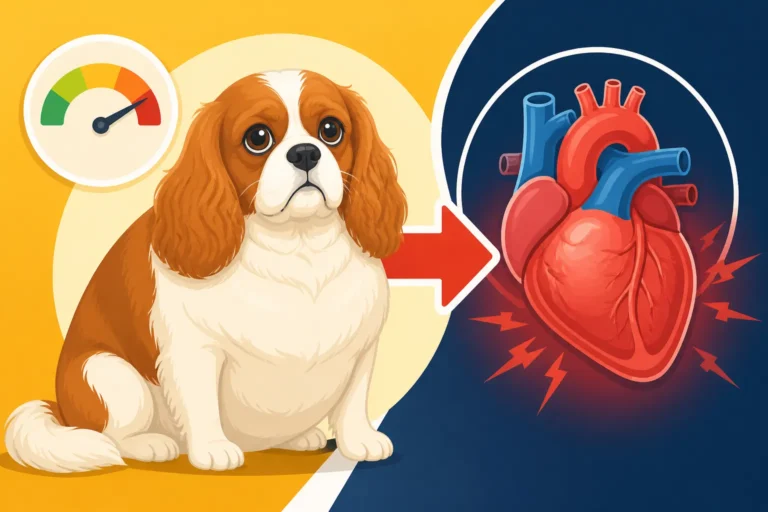
Initially, the heart might compensate for this backflow by working harder. Over time, the constant extra effort and increased blood volume cause the heart muscle, particularly the left atrium and ventricle, to stretch and thicken, leading to what we call an "enlarged heart." This enlargement isn't just a physical change; it signifies the heart struggling to maintain efficient blood flow. The inefficiency can lead to fluid buildup in the lungs (congestive heart failure), exercise intolerance, and a general decline in your Cavalier's quality of life. Understanding how this progression occurs can be helpful; we delve into it further in How Cavalier Heart Disease Progresses Stage by Stage.
When Pimobendan Enters the Picture
For many years, veterinarians waited until dogs showed outward signs of heart failure – like coughing, difficulty breathing, or exercise intolerance – before starting serious cardiac medications. However, research, particularly the landmark EPIC (Effect of Pimobendan in Dogs with Preclinical Myxomatous Mitral Valve Disease) study, has dramatically changed this approach for Cavaliers and other breeds prone to MVD.
Now, Pimobendan is typically recommended for Cavaliers diagnosed with Stage B2 MVD. What does Stage B2 mean? It means your Cavalier has a heart murmur and echocardiographic evidence of significant heart enlargement, but they haven't yet shown any clinical signs of heart failure (like that dreaded cough or severe lethargy). This can be a really challenging time for owners, as your dog might look and act completely normal. It’s hard to wrap your head around giving medication to a seemingly healthy dog, and you might naturally question if it's truly necessary or if you're rushing into things. However, starting medication at this preclinical stage is a game-changer for extending both the quantity and quality of life. It’s about being proactive, not reactive, which goes against our natural instinct to wait for visible problems. If you're wondering about starting medication before symptoms, check out Starting Heart Medication Before a Cavalier Coughs.
How Pimobendan Works Its Magic
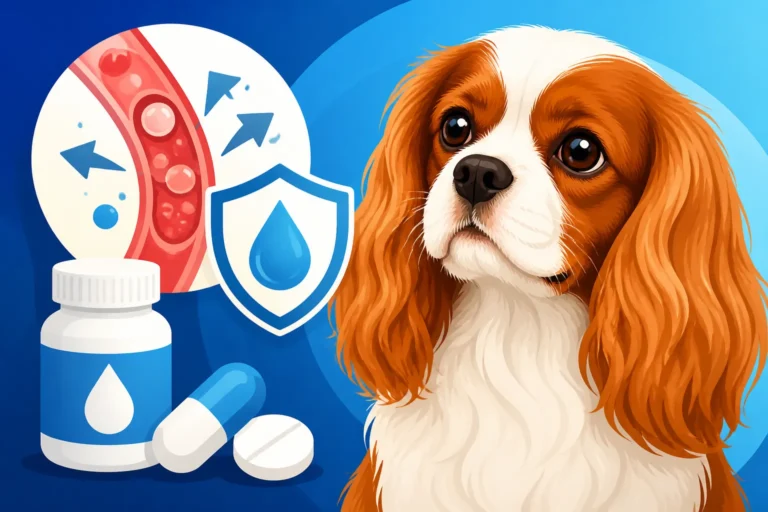
Pimobendan isn't just any heart medication; it’s a unique dual-action drug often referred to as an "inodilator." This means it works in two crucial ways to help a struggling heart: it strengthens the heart's contractions (inotropic effect) and it widens blood vessels (vasodilatory effect). It's quite a powerful little pill, and understanding its mechanisms can help ease some of the anxiety about giving it to your beloved Cavalier.
The Dual Action of Pimobendan
Firstly, Pimobendan acts as a positive inotrope. This means it increases the force of your Cavalier's heart muscle contractions without significantly increasing oxygen demand. Think of it this way: a heart weakened by MVD and enlargement is like a tired muscle trying to lift a heavy weight. Pimobendan helps that muscle find its strength, allowing it to pump blood more effectively with each beat. This improved pumping action helps push blood forward through the body, reducing the amount that flows backward through the leaky mitral valve. It's not a cure for the leaky valve itself, but it significantly improves the heart's ability to cope with the backflow.
Secondly, Pimobendan is a vasodilator. It works to relax and widen the blood vessels throughout your Cavalier's body. Why is this important? When blood vessels constrict, the heart has to pump against higher resistance, making its job even harder. By widening these vessels, Pimobendan reduces the workload on the heart, making it easier for blood to flow from the heart to the rest of the body. This reduction in resistance also helps decrease the pressure in the heart, further easing its strain and improving overall circulation. This dual action makes Pimobendan incredibly effective in managing heart conditions where the heart is enlarged and struggling with efficiency.
Benefits Beyond the Heart Muscle
The combined inotropic and vasodilatory effects of Pimobendan lead to several profound benefits for your Cavalier. The most significant benefit, proven by studies like EPIC, is the delayed onset of clinical signs of heart failure and a significant increase in lifespan. For many Cavaliers, this means living a longer, more comfortable life, potentially extending their good quality years by many months, or even over a year, compared to dogs not on the medication.
Beyond extending life, Pimobendan significantly improves quality of life. Dogs on Pimobendan often show increased energy levels, better exercise tolerance, and a reduction in symptoms if they were already starting to appear (though ideally, it's started before symptoms). You might notice your Cavalier being more playful, enjoying their walks more, and generally seeming more like their old self. This improved comfort and vitality is invaluable for both pet and owner. It can give you back those precious moments of joy and companionship that you feared were slipping away. While it can't reverse the damage, it can certainly press the pause button on the progression and make daily life much better.
What to Expect When Starting Pimobendan
Starting a new, long-term medication for your Cavalier can feel like a daunting task. You'll likely have questions about how to administer it, what dosage is correct, and what side effects to watch for. It's a new routine, and it's completely normal to feel a bit anxious about getting it right. But with a little guidance and patience, it will quickly become a seamless part of your daily life together.
Dosage, Administration, and Scheduling
Pimobendan is typically prescribed based on your Cavalier's body weight. It usually comes in chewable tablets or capsules, and your vet will provide precise dosing instructions. A common regimen is twice a day, every 12 hours. For optimal absorption, it's generally recommended to give Pimobendan about 30-60 minutes before a meal. This timing helps ensure the medication is absorbed effectively into the bloodstream before food can interfere.
This pre-meal timing can sometimes be tricky to integrate into a busy household schedule, especially if your Cavalier is a grazer or you have varying mealtimes. You might need to adjust your routine slightly. For example, if you typically feed breakfast at 7 AM and dinner at 6 PM, you might give the Pimobendan at 6:30 AM and 5:30 PM, then offer food after the waiting period. Consistency is key, so try to stick to the same times each day. If you accidentally miss a dose, do not double up on the next one; simply give the next scheduled dose as usual. Always follow your veterinarian’s specific instructions regarding dosage and administration, and don't hesitate to ask them for tips on making the routine work for you.
Potential Side Effects and Monitoring Your Cavalier
Pimobendan is generally well-tolerated by most dogs, but like any medication, it can have potential side effects. The most commonly reported side effects are gastrointestinal issues, such as mild vomiting, diarrhea, or a decrease in appetite. These are usually mild and transient, often resolving as your Cavalier adjusts to the medication. If these symptoms persist or seem severe, it's important to contact your vet immediately. Rarely, some dogs might experience lethargy or increased heart rate, though this is less common.
Close monitoring of your Cavalier is crucial, especially in the initial weeks. Beyond watching for side effects, pay attention to their overall demeanor. Are they more energetic? Is their breathing rate normal? A key indicator of heart health is their resting respiratory rate (RRD) – the number of breaths they take per minute while asleep or very relaxed. An increased RRD can be a sign that heart failure is progressing or that fluid is accumulating in the lungs. It’s a good habit to Counting a Cavalier's Resting Breaths regularly. If you notice a persistent cough, particularly Coughing at Night in a Cavalier, or if your Cavalier seems to be A Cavalier That Tires on Short Walks much more easily, these are signs that warrant an immediate call to your veterinarian. Early detection of changes allows for adjustments to their treatment plan.
| Symptom/Observation | Before Pimobendan (Typical) | After Starting Pimobendan (Expected) | Action Required |
|---|---|---|---|
| Energy Levels | Potentially declining, easily tired | Improved, more playful, increased stamina | Monitor for unusual lethargy, report if persistent |
| Coughing | Present in later stages, especially at night | Reduced or eliminated (if started pre-symptom) | Report new or worsening cough immediately |
| Breathing Rate | May be elevated if struggling | Should be normal (15-30 breaths/min at rest) | Count RRD regularly; report consistent >30 breaths/min |
| Appetite | Generally good, unless very ill | Typically good, mild decrease initially possible | Report prolonged loss of appetite or refusal to eat |
| Vomiting/Diarrhea | Not directly heart-related | Possible mild, temporary GI upset | Report if severe, persistent, or accompanied by other symptoms |
| Exercise Tolerance | May tire quickly on walks | Improved ability to walk and play | Report sudden decrease in tolerance |
| Overall Demeanor | Quiet, perhaps withdrawn | More engaged, happier, more comfortable | Report sudden, unexplained changes in behavior |
This table provides general expectations; individual results may vary. Always consult your veterinarian.
Long-Term Management and Life with Pimobendan
Starting Pimobendan is a significant step in managing your Cavalier's heart disease, but it's just one part of an ongoing commitment. Managing a chronic condition like MVD requires a partnership with your vet, consistent medication administration, and careful observation on your part. It's a journey, not a sprint, and your active involvement makes all the difference.
Combining Pimobendan with Other Medications
It's very common for Cavaliers with advanced MVD to be on a "cocktail" of medications, not just Pimobendan. As the disease progresses, other issues arise that need addressing. For instance, if your Cavalier develops fluid in their lungs (pulmonary edema), diuretics like furosemide will be added to help remove that excess fluid. You can learn more about the various drugs involved in treatment in Medication for a Cavalier With Heart Disease. ACE inhibitors, such as enalapril or benazepril, might also be prescribed to further relax blood vessels and reduce the heart's workload.
The combination of these medications works synergistically to manage the symptoms and slow the progression of MVD. Each drug targets a different aspect of the disease, and together they create a more comprehensive support system for your Cavalier's heart. This multi-drug approach might seem overwhelming at first, especially when you're trying to keep track of different pills, dosages, and timings. Creating a chart or using a pill organizer can be incredibly helpful. Don’t hesitate to ask your vet or vet tech for practical tips on managing multiple medications—they often have great strategies to share. It's a significant financial commitment as well, so many owners find that pet insurance, perhaps through a provider like Healthy Paws, can help manage these recurring costs.
The Importance of Regular Vet Check-ups
Even if your Cavalier seems to be thriving on Pimobendan, regular veterinary check-ups are absolutely essential. These aren't just routine visits; they are critical for monitoring the progression of their MVD, assessing the effectiveness of the medication, and making any necessary adjustments to their treatment plan. Your vet or a board-certified veterinary cardiologist will typically recommend:
- Echocardiograms: These ultrasound scans of the heart allow the cardiologist to visualize the heart's structure and function, measure its chambers, assess the severity of the mitral valve leak, and monitor for any further enlargement. What a Cavalier Echocardiogram Shows in detail why these are so important.
- Chest X-rays: These are often taken to check for fluid accumulation in the lungs, which is a key sign of congestive heart failure.
- Blood tests: Regular blood work, including kidney function tests, is important because some cardiac medications can affect the kidneys. A special blood test called NT-proBNP might also be used to assess heart strain.
- Physical examinations: Your vet will listen to your Cavalier's heart and lungs, check their weight, and generally assess their overall health.
These regular evaluations, often on an annual or bi-annual basis, are crucial for staying ahead of the disease. They allow your vet to spot subtle changes that you might not notice at home and adjust dosages or add new medications before your Cavalier develops severe symptoms. Being proactive with these visits can significantly impact How Long a Cavalier Lives After Diagnosis and ensures they maintain the best possible quality of life. The initial cost of diagnosis and ongoing monitoring can be high, and many pet parents find peace of mind with a pet insurance plan from a company like Healthy Paws, which can help cover these ongoing cardiology expenses. These yearly checkups are non-negotiable for managing MVD effectively, and they provide valuable insights into your Cavalier's specific journey. For more on these critical appointments, see our guide on Annual Cardiologist Exams for a Cavalier.
Disclaimer
The information provided in this article is for general informational purposes only and is not a substitute for professional veterinary advice. Always consult with a qualified veterinarian for any health concerns or before making any decisions related to your pet's health and treatment. Individual results and outcomes can vary.