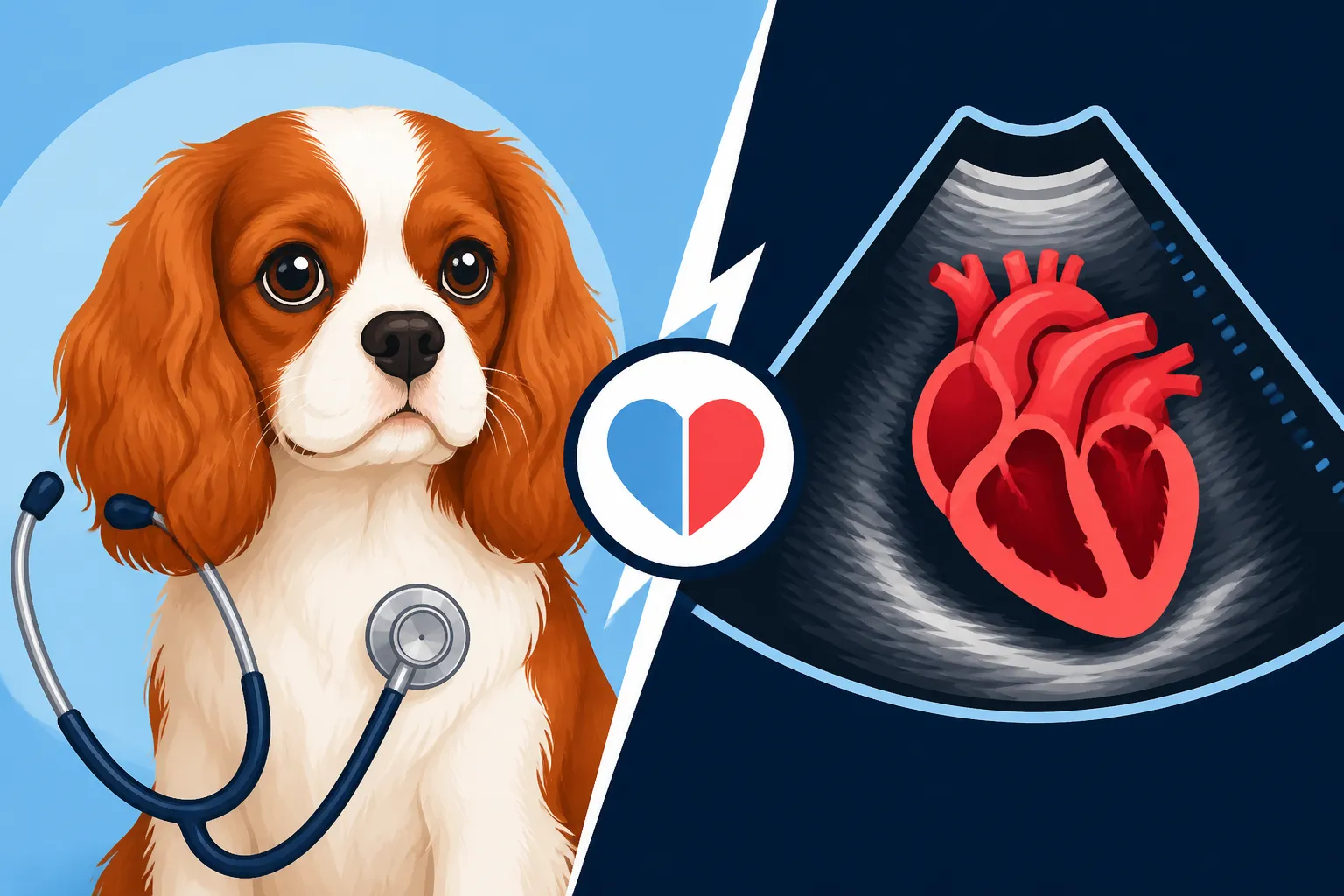
Stethoscope Screening Against a Cavalier Heart Scan
It’s a heart-wrenching moment for any Cavalier King Charles Spaniel owner: that first whisper of a heart murmur from your vet. You want to know exactly what’s happening with your beloved companion's heart, but the terminology can be confusing. This guide will meticulously break down the differences between a routine stethoscope screening and a comprehensive echocardiogram, helping you understand what each diagnostic tool reveals and when each is most appropriate for assessing your Cavalier's cardiac health.
Understanding the Urgent Need for Cavalier Heart Monitoring
If you're a Cavalier owner, you're likely acutely aware of the breed's predisposition to certain health issues, and at the top of that list is mitral valve disease (MVD). It's a cruel reality that this condition affects such a high percentage of our sweet, affectionate little dogs. Many owners feel a constant undercurrent of worry, wondering if every cough or slight dip in energy is a sign. The truth is, MVD is progressive, and early detection and monitoring are absolutely key to managing it effectively and ensuring your Cavalier has the best possible quality of life for as long as possible. Understanding the tools available for this monitoring is a crucial step in being a proactive owner.
This isn't just about prolonging life, but about maintaining comfort. Living with an undiagnosed or poorly managed heart condition can significantly impact a dog's well-being, leading to lethargy, breathing difficulties, and a general decline in their joyful spirit. It's a common and heartbreaking path for many Cavaliers. Early and accurate information empowers you to make informed decisions with your vet, potentially delaying the onset of severe symptoms and keeping your dog happy and active for longer. It truly makes a world of difference to know what you're up against and how to fight it.
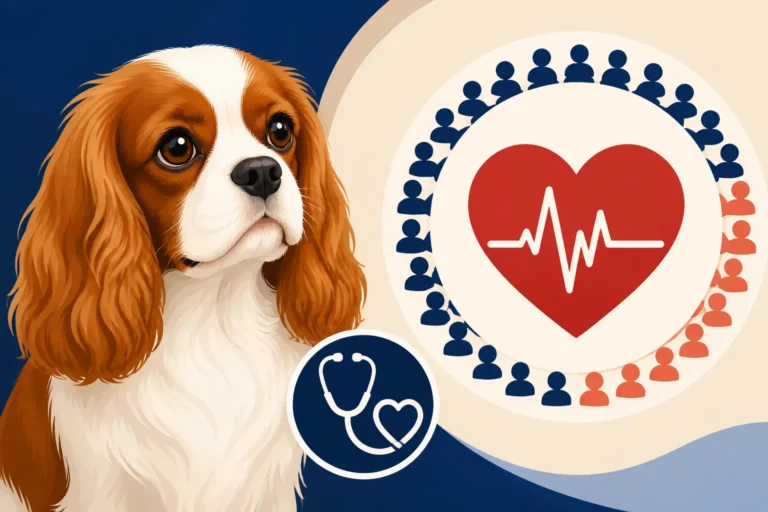
The statistics are sobering: it's estimated that Why Half of Cavaliers Have a Murmur by Five. This isn't a rare anomaly; it's practically an inevitability for many. This high prevalence means that regular heart checks aren't just a good idea; they're an essential part of responsible Cavalier ownership. For a detailed dive into this condition, consider reading about Mitral Valve Disease in the Cavalier King Charles Spaniel. Your proactive approach can literally add years of happy, comfortable life to your cherished pet.
Stethoscope Screening: The First Line of Defense
When you take your Cavalier for its annual check-up, one of the first things your general veterinarian will do is pull out their stethoscope and listen intently to your dog's chest. This simple, non-invasive procedure is called auscultation, or stethoscope screening, and it's often the very first indication that something might be amiss with your Cavalier's heart. It's a quick and easy way to catch potential issues, but it's important to understand its capabilities and, more importantly, its limitations.
What Your Vet Hears During Auscultation
During a stethoscope screening, your veterinarian is primarily listening for heart murmurs. A heart murmur is essentially an abnormal whooshing sound caused by turbulent blood flow within the heart. In the context of MVD, this turbulence often happens when the mitral valve, located between the left atrium and left ventricle, doesn't close properly. When the valve is leaky, blood flows backward (regurgitation) instead of strictly forward, creating that characteristic sound.
The vet will listen to different areas of the chest, trying to pinpoint where the murmur is loudest. They'll also assess its intensity, which is then assigned a grade. This grade, typically on a scale of 1 to 6, helps describe What a Heart Murmur Grade Means in a Cavalier. A Grade 1 murmur is very soft and barely audible, while a Grade 6 is so loud it can often be felt through the chest wall. While the presence of a murmur and its grade are important initial clues, it's critical to remember that a murmur is just a sound – it doesn't definitively diagnose the underlying disease or its severity. A very faint murmur could still indicate significant heart changes, and a loud one doesn't always mean imminent danger.
The Limitations of a Stethoscope Exam Alone
While a stethoscope screening is invaluable as a first step, it has significant limitations, especially for a breed like the Cavalier where MVD is so prevalent. The human ear, no matter how skilled, cannot see the actual structures of the heart. It cannot tell you the exact size of the heart chambers, the thickness of the valve leaflets, or the velocity and volume of blood regurgitating. This means your vet cannot tell you the stage of the heart disease based solely on auscultation. You could have a quiet murmur in a dog whose heart is already undergoing significant changes, or a relatively loud murmur in a dog whose heart is coping remarkably well.
Another limitation is the subjectivity involved. What one vet grades as a 2, another might hear as a 3. While experienced vets are quite good at this, it's not a precise, objective measurement. Furthermore, some Cavaliers can have significant MVD and heart enlargement without a clearly audible murmur, especially in the very early stages. This is why solely relying on a stethoscope for ongoing monitoring in a breed so prone to MVD is simply not enough to get the full picture. It's an excellent screening tool, but it's not a diagnostic one in terms of quantifying disease progression.
Echocardiogram: The Gold Standard for Cavalier Heart Health
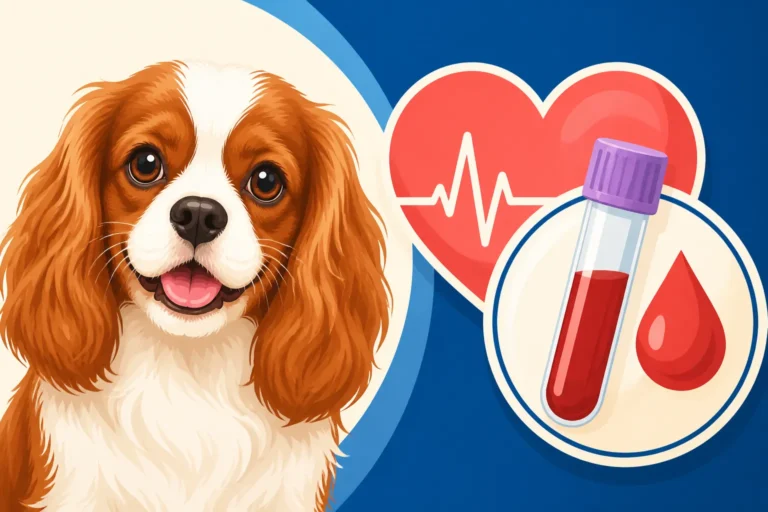
When it comes to understanding the intricacies of your Cavalier's heart, a stethoscope screening just can't compete with the detailed insights offered by an echocardiogram. This non-invasive ultrasound of the heart is considered the absolute gold standard for diagnosing and staging mitral valve disease in Cavaliers. It provides real-time images of the heart's structure and function, allowing a veterinary cardiologist to see exactly what's happening inside.
Many owners worry about the cost of specialized diagnostics, but understanding the value of an echo often helps put things into perspective. It’s an investment in truly knowing your dog’s health status. Companies like Healthy Paws offer pet insurance plans that can provide significant relief for unexpected vet bills, especially for conditions like MVD that require advanced diagnostics and ongoing care.
What an Echocardiogram Reveals
An echocardiogram is essentially a movie of your dog's heart in action. Performed by a specialist (a veterinary cardiologist), this scan allows them to visualize every chamber, valve, and major blood vessel with incredible detail. It measures the size of the heart chambers, assessing for any enlargement that would indicate the heart is struggling to pump blood effectively. It can precisely measure the thickness and movement of the mitral valve leaflets, identifying degeneration and prolapse – the hallmarks of MVD.
Crucially, an echo uses Doppler technology to visualize and quantify blood flow. This means the cardiologist can see the jet of blood regurgitating backward through the leaky mitral valve, measure its velocity, and estimate its volume. This provides concrete, objective data about the severity of the leak, something a stethoscope simply cannot do. What a Cavalier Echocardiogram Shows is far more than just a murmur; it's a complete anatomical and functional assessment, allowing for precise staging of the disease. This data is what helps determine when to start medication like Pimobendan for a Cavalier with an Enlarged Heart or Diuretics for a Cavalier in Heart Failure.
Why It's Superior for Cavalier MVD
The superiority of an echocardiogram for Cavaliers, particularly concerning MVD, lies in its ability to provide objective and comprehensive data. While your general vet can hear a murmur, only a cardiologist with an echo can measure the exact degree of heart enlargement (cardiomegaly) and the severity of the mitral regurgitation. These measurements are absolutely vital for accurately staging the disease, from asymptomatic Stage B1 (murmur present, no structural changes) to Stage C (clinical signs of heart failure).
This precise staging is critical because it dictates when medical intervention is necessary. For example, current veterinary guidelines recommend starting certain medications before clinical signs appear, based on specific echocardiographic measurements. Without an echo, you're essentially guessing at the internal state of your dog's heart, potentially delaying life-extending treatment. An echo provides the detailed blueprint needed for a truly tailored and effective treatment plan. Knowing this level of detail offers peace of mind and the ability to be proactive, rather than reactive, to this progressive disease.
When to Choose Which Method (and Why Both Matter)
Navigating your Cavalier's heart health can feel like a maze, especially with differing advice or confusing terminology. The truth is, both stethoscope screening and echocardiograms play vital, distinct roles in your Cavalier’s care, and understanding when to employ each is key to making informed decisions. It's not always an either/or situation; often, they work in tandem.
The General Vet's Role: Regular Screenings
Your primary care veterinarian is your first and most frequent point of contact for your Cavalier's health, and their stethoscope is an invaluable screening tool. Every annual check-up should include a thorough cardiac auscultation. This routine screening is essential for identifying the presence of a heart murmur. For many Cavaliers, this is how a potential MVD issue is first detected. A regular vet check can reveal The Age a Cavalier Murmur Usually Appears and track its progression over time in terms of audibility.
Think of it as a preliminary alarm system. If your vet detects a murmur, or if an existing murmur appears to have changed in intensity, that’s their cue to recommend further investigation. It’s also crucial for monitoring dogs already diagnosed with MVD, as your regular vet can keep an ear on things between specialist visits. This ongoing relationship with your family vet is critical, as they monitor the whole dog, not just the heart. Early detection through regular stethoscope screenings can prompt timely referrals to a cardiologist, allowing for earlier and more effective management.
The Specialist's Role: Definitive Diagnosis and Staging
Once a murmur is detected by your general vet, or if you acquire a Cavalier with an existing murmur, a referral to a veterinary cardiologist for an echocardiogram is strongly recommended. This is where the definitive diagnosis and precise staging of MVD happen. As we discussed, an echo provides objective measurements of heart size, valve integrity, and blood flow dynamics, allowing the cardiologist to determine if your Cavalier is in Stage B1, B2, C, or D. This staging is paramount, as it guides treatment decisions, particularly the critical timing for starting medication.
For example, a Cavalier in Stage B2 (significant heart enlargement with no clinical signs) will benefit greatly from starting medication like pimobendan, even if they aren't coughing or struggling yet. Only an echo can accurately identify this stage. For breeders, The Cavalier MVD Breeding Protocol emphasizes the importance of cardiologists and echocardiograms for clearing breeding dogs. If you're wondering about Annual Cardiologist Exams for a Cavalier, the answer often comes down to the stage of MVD, with more frequent echoes recommended for dogs in advanced stages. Having pet insurance, like a plan from Healthy Paws, can be incredibly beneficial for covering these specialist visits and advanced diagnostics, which can add up significantly over the lifespan of a Cavalier with MVD.
A Comparative Look at Heart Diagnostics
To simplify the comparison, let's look at a table summarizing the key differences:
| Feature | Stethoscope Screening (General Vet) | Echocardiogram (Cardiologist) |
|---|---|---|
| Purpose | Initial screening, murmur detection | Definitive diagnosis, disease staging, monitoring progression |
| Method | Auscultation (listening to heart sounds) | Ultrasound imaging of the heart |
| Information Provided | Presence/absence of murmur, murmur grade | Heart chamber size, valve structure & function, blood flow velocity, regurgitation volume, ejection fraction, precise disease stage |
| Objectivity | Subjective (relies on vet's hearing skill) | Objective (measurable, quantifiable data) |
| Cost | Low (usually part of routine exam) | High (specialist fees, equipment use) |
| Anesthesia/Sedation | Not required | Rarely needed, but possible for anxious dogs |
| Ability to Stage MVD | No | Yes, definitively |
| Treatment Guidance | Indirect (prompts further investigation) | Direct (guides medication, prognosis) |
This table makes it clear that while your general vet's stethoscope is crucial for the initial alert, the echocardiogram by a cardiologist is the indispensable tool for truly understanding and managing your Cavalier's MVD.
The Financial Aspect and Pet Insurance
Let's be real, the costs associated with advanced diagnostics and ongoing care for a Cavalier with MVD can be substantial. A single echocardiogram can range from $300 to $800 or more, depending on your location and the specific veterinary cardiology practice. When you consider that these might be needed annually, or even more frequently as the disease progresses, those numbers can quickly become daunting. Add to that the cost of medications – which can be lifelong – and you're looking at a significant financial commitment.
This is where pet insurance truly shines. Companies like Healthy Paws can reimburse a large percentage of these specialized vet bills, helping to ensure that financial concerns don't dictate the quality of care your Cavalier receives. It's often recommended to enroll your Cavalier in a pet insurance plan as early as possible, ideally as a puppy. This is because once a heart murmur is detected, it becomes a pre-existing condition, and most insurance policies will not cover conditions that were diagnosed before enrollment or during a waiting period. Thinking ahead with pet insurance for your Cavalier is one of the most practical ways to prepare for the potential realities of MVD.
In conclusion, for Cavalier King Charles Spaniels, the stethoscope screening and the echocardiogram are not competing methods but complementary ones. The stethoscope acts as a vital early warning system, prompting further investigation. The echocardiogram then provides the detailed, objective blueprint of your Cavalier's heart, allowing for precise diagnosis, accurate staging of MVD, and the formulation of the most effective treatment plan to give your beloved companion the longest, most comfortable life possible. Don't hesitate to discuss these options thoroughly with your general vet and consider a referral to a cardiologist for the most comprehensive care. You might also want to look into The DNA Tests Every Cavalier Should Have for other genetic predispositions. For dogs in their later years, further information on Caring for a Cavalier Past Nine can be incredibly helpful.
Disclaimer
This article is intended for informational purposes only and does not constitute veterinary advice. Always consult with a qualified veterinary professional for any health concerns or before making any decisions about your pet's medical care.