Whether Decompression Surgery Helps a Cavalier
The crushing reality of seeing your beloved Cavalier King Charles Spaniel in pain, especially from something as insidious as Syringomyelia (SM), can be absolutely heartbreaking. When medical management isn't enough, many of us find ourselves grappling with the profound question: does decompression surgery actually help, and is it the right path for our furry family member? This guide will delve deep into what decompression surgery entails for Cavaliers with SM, explore its potential benefits and limitations, and help you understand what to consider when making this incredibly difficult decision.
Understanding Syringomyelia in Cavaliers: A Deep Dive into the Problem
Before we even begin to talk about surgery, it’s crucial to truly grasp what Syringomyelia (SM) is and why it affects so many Cavaliers. It’s not just a fancy vet term; it’s a condition that causes real, often agonizing, discomfort and neurological issues for our dogs.
What is Syringomyelia and Chiari-like Malformation CM?
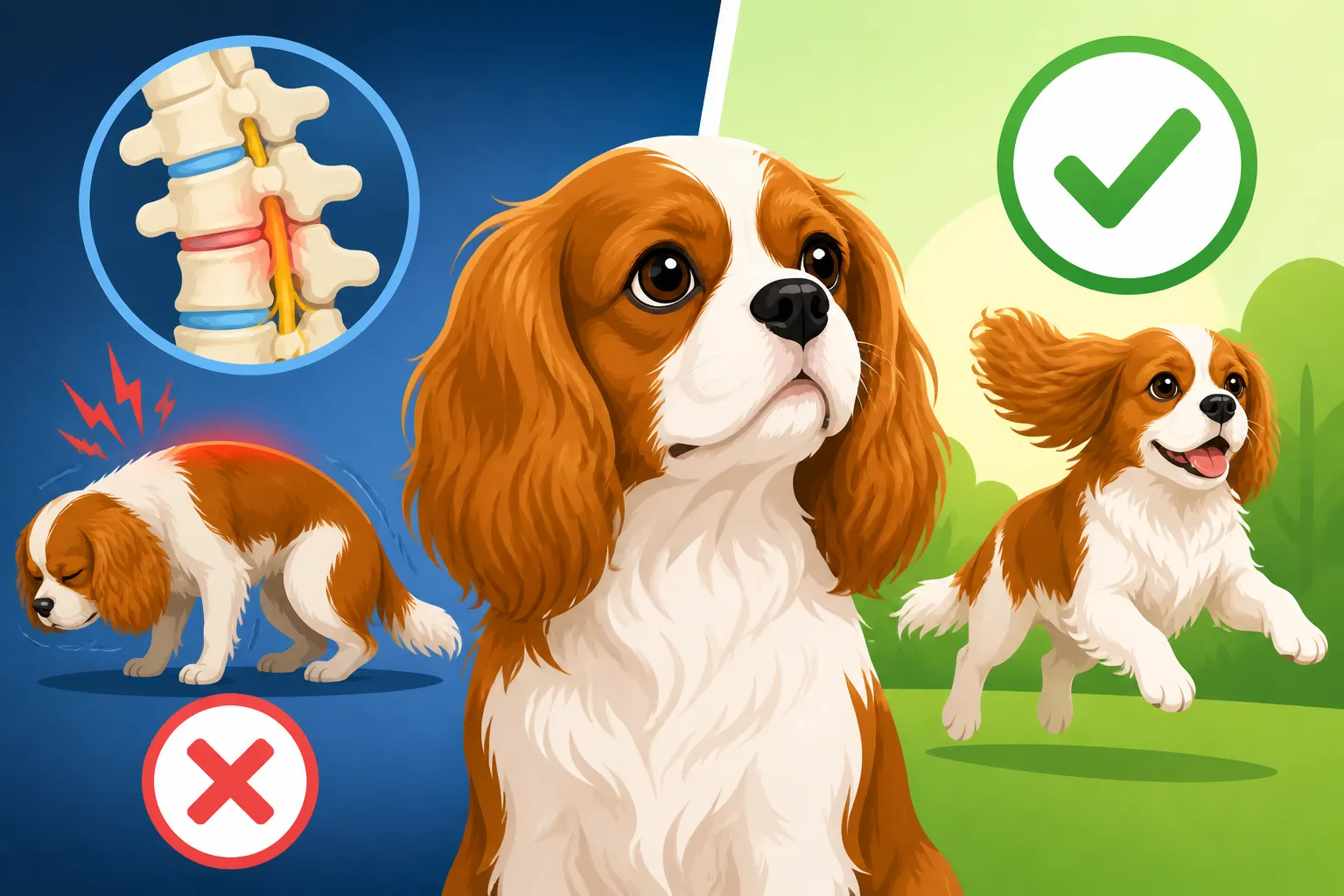
Syringomyelia is a neurological disorder characterized by fluid-filled cavities, called syrinxes, within the spinal cord. These syrinxes develop due to a restriction of cerebrospinal fluid (CSF) flow. In Cavaliers, the primary cause is almost always Chiari-like Malformation (CM), a structural defect where the skull is too small for the brain, specifically the cerebellum. Imagine trying to squeeze a large brain into a too-small container; parts of the brain, particularly the cerebellum, get pushed or herniated into the foramen magnum, the opening at the base of the skull where the spinal cord begins.
This crowding at the skull-spinal cord junction obstructs the normal flow of CSF, which is supposed to circulate freely around the brain and spinal cord. When CSF flow is disrupted, pressure changes occur, leading to the formation and expansion of these fluid-filled pockets (syrinxes) within the spinal cord itself. These syrinxes then press on and damage the delicate nerve tissue, causing the diverse range of symptoms we see in affected Cavaliers. If you want to understand more about the condition, I highly recommend reading about Syringomyelia and Chiari Malformation in Cavaliers. It’s a complex issue, but understanding the mechanics helps you comprehend the treatment options.
Recognizing the Pain and Neurological Signs
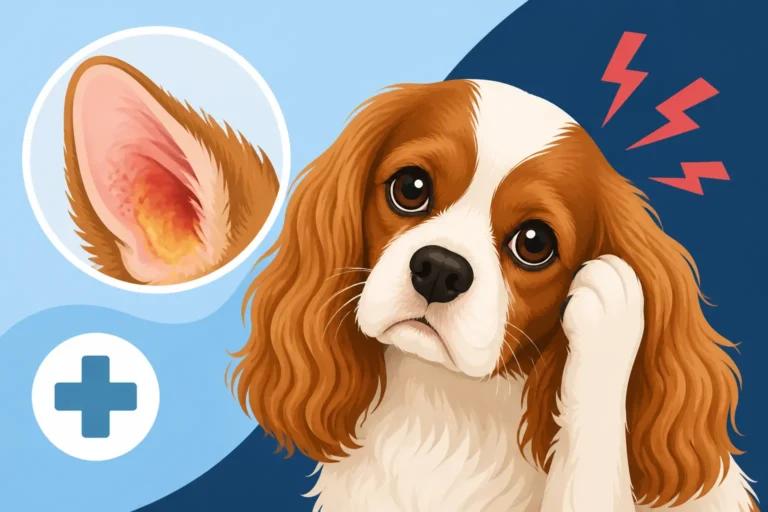
The symptoms of SM in Cavaliers can vary widely, from subtle discomfort to severe, debilitating pain and neurological deficits. Often, the earliest sign is what many owners call "air scratching" or "phantom scratching," where the dog scratches intensely at their shoulder, neck, or ear region without actually making contact with their skin. This isn't an itch; it's a neuropathic sensation, like pins and needles or burning, deep within the tissues. My own Cavalier, Charlie, started with this phantom scratching, and it was so confusing at first.
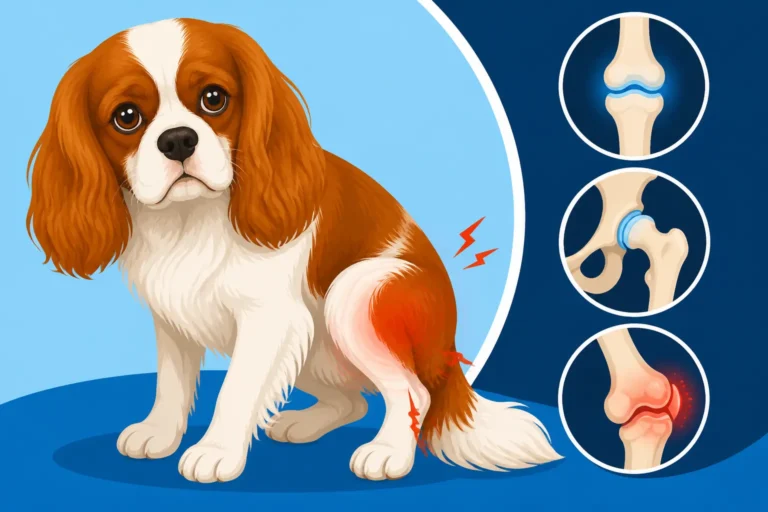
As the condition progresses, you might notice your Cavalier yelping or crying out, especially when being picked up, lifted, or even just having their neck or head touched. They might become reluctant to jump on furniture, climb stairs, or even walk on a leash with a collar. Some dogs develop a specific gait abnormality, weakness in their limbs, or even scoliosis (curvature of the spine) in severe cases due to muscle wasting. They might start sleeping with their head elevated to try and alleviate pressure. The severity of these signs often correlates with the size and location of the syrinx, a topic explored further in Syrinx Width and Cavalier Pain Levels. It’s a grim reality, but recognizing these signs early is crucial for seeking appropriate veterinary care.
The Surgical Option: Cranial-Cervical Decompression
When medical management, which we'll discuss later, isn't enough to control the pain or when neurological deficits are progressing rapidly, surgery often becomes a serious consideration. This is where you'll typically consult with a board-certified veterinary neurologist.
How the Surgery Aims to Help
The goal of cranial-cervical decompression surgery, often simply called "decompression surgery," is to alleviate the pressure caused by the Chiari-like Malformation and restore normal CSF flow. Essentially, the surgeon removes a small section of bone at the back of the skull (the occipital bone) and sometimes a portion of the first cervical vertebra. This creates more space for the cerebellum and reduces the crowding at the foramen magnum. In some cases, a dura mater substitute (a synthetic patch) might be used to further enlarge the space and prevent scar tissue from re-compressing the area.
By decompressing this critical junction, the hope is to normalize the CSF flow, which can lead to a reduction in the size of the syrinxes and, most importantly, a significant decrease in the neuropathic pain and other neurological symptoms your Cavalier is experiencing. It’s a delicate procedure, requiring immense skill and precision, given the proximity to vital brain structures and the spinal cord. It's a major intervention, but for many owners, it represents the best hope for improving their dog's quality of life.
Ideal Candidates and Timing for Surgery
Determining the "ideal" candidate for decompression surgery is a complex decision made in close consultation with a veterinary neurologist. Generally, candidates are Cavaliers who have:
- Confirmed SM/CM diagnosis via MRI: This is non-negotiable. You can't perform surgery without a clear picture of the syrinx and malformation. Understanding What a Cavalier MRI Scan Costs and Shows is the first step in this diagnostic journey.
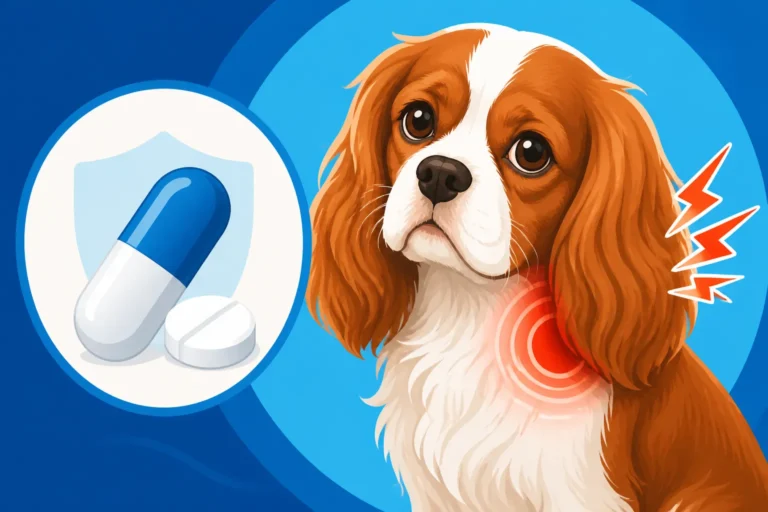
- Significant, unmanageable pain: If your Cavalier is suffering from severe pain that isn't controlled by a combination of medications like Gabapentin for a Cavalier With Neck Pain or other drugs that reduce fluid pressure, surgery might be the next logical step.
- Progressive neurological deficits: Weakness, ataxia (incoordination), or other worsening neurological signs that impact their mobility and quality of life.
- Relatively good general health: Your Cavalier should be otherwise healthy enough to withstand anesthesia and a major surgical procedure. This often means thorough pre-surgical bloodwork and possibly cardiac clearance, given the breed's predisposition to heart issues.
Timing is also critical. Early intervention, before irreversible neurological damage occurs, often yields better outcomes. Waiting too long can mean the syrinxes have caused too much damage, limiting the potential for full recovery even with successful decompression. This is why thorough, early diagnosis after noticing initial signs like air scratching or pain is so important.
Realistic Expectations and Potential Outcomes
While the thought of surgery offers a beacon of hope, it's crucial to approach it with realistic expectations. Decompression surgery is not a guaranteed cure, and there can be a wide range of outcomes.
Success Rates and Relapse Potential
The reported success rates for cranial-cervical decompression surgery in Cavaliers vary, but many studies suggest that 60-80% of dogs show improvement in their clinical signs post-surgery, at least initially. Improvement often means a reduction in pain, a decrease in phantom scratching, and better mobility. However, "improvement" doesn't always mean a complete resolution of all symptoms, and some dogs may only see partial relief.
It's also important to understand the potential for relapse. Unfortunately, scar tissue formation at the surgical site can occur, which can lead to re-compression of the brain and spinal cord, causing symptoms to return months or even years down the line. This relapse rate can be as high as 30-50% in some reports. Factors like the individual dog's healing response and the extent of the initial malformation can play a role. It's not uncommon for a Cavalier to require ongoing medical management even after surgery, or in some rare cases, a second surgical intervention. This is why a thorough discussion with your neurologist about long-term prognosis is essential.
Post-Operative Care and Long-Term Management
The journey doesn't end when your Cavalier leaves the operating room; in many ways, it's just beginning. Post-operative care is critical for a successful recovery and typically involves:
- Hospitalization: Your Cavalier will likely stay at the veterinary hospital for several days for pain management, monitoring, and initial recovery.
- Strict Rest: At home, a period of strict rest, often for 4-6 weeks, is paramount. This means leash walks only, no jumping, stairs, or rough play. A crate or small, confined area is usually recommended.
- Medication: Your dog will continue to receive pain medication, anti-inflammatories, and sometimes muscle relaxants for an extended period. The goal is to gradually taper these as recovery progresses.
- Physical Rehabilitation: Many neurologists recommend physical therapy to help rebuild strength, improve proprioception, and restore normal movement. This can be a huge benefit for long-term success.
- Regular Follow-ups: You'll have several follow-up appointments with your neurologist to monitor recovery, adjust medications, and assess progress. In some cases, repeat MRI scans are performed months later to check the CSF flow and syrinx size, though these are often expensive and not always necessary unless symptoms recur.
Even with successful surgery, many Cavaliers will require ongoing, lifelong medical management to some degree. This might include periodic courses of pain medication, supplements, or specific lifestyle adjustments, like using Harnesses Instead of Collars for a Cavalier to avoid neck pressure. The commitment to long-term care is significant, both in terms of time and finances. It's a marathon, not a sprint, when you're Living With a Cavalier That Has Syringomyelia.
Weighing the Decision: Surgery vs. Medical Management
The decision to pursue decompression surgery is monumental and deeply personal. It's not just about the medical outcome but also about the financial burden, your Cavalier's quality of life, and your family's capacity to provide intensive care.
Financial Considerations and Insurance Coverage
Let’s be brutally honest: specialized veterinary care, especially neurological surgery, is expensive. The cost of an MRI, neurological consultation, the surgery itself, hospitalization, and post-operative medications can easily run into the many thousands of dollars, often ranging from $5,000 to $10,000 or even more, depending on your location and the complexity of the case. This doesn't even account for potential physical therapy or long-term medication costs.
It’s a financial strain that many families aren’t prepared for, highlighting the importance of pet insurance. If you have a good policy, like those offered by Healthy Paws, and your Cavalier was insured before any signs of Syringomyelia appeared, then a significant portion of these costs might be covered. However, if SM is already diagnosed or even suspected before you get insurance, it will almost certainly be considered a pre-existing condition, meaning the insurer won't cover treatment. This is why I always tell new Cavalier owners to look into Insuring a Cavalier Before the Murmur Arrives, or in this case, before any neurological signs. Understanding Whether Insurance Pays for a Cavalier MRI is also key here, as the diagnostic phase alone can be pricey. It's a tough lesson many of us learn the hard way: acting early with insurance can save you from a crushing financial burden later.
Quality of Life and Ethical Considerations
Beyond the financial aspect, the most profound consideration is your Cavalier’s quality of life. Is the potential benefit of surgery, even with its risks and recovery challenges, truly going to give your dog a better life? Or would ongoing medical management, focusing on pain relief and comfort, be a more humane option?
Sometimes, despite our best efforts, a Cavalier’s SM is too severe, or their general health makes surgery too risky. In these cases, a compassionate approach focuses on palliative care, using medications like Gabapentin for a Cavalier With Neck Pain and other anti-inflammatory drugs to keep them as comfortable as possible. This path often involves working closely with your vet to adjust dosages and explore different combinations to manage pain effectively.
It’s an agonizing decision, and there’s no right or wrong answer that applies to every dog or every family. You need to consider:
- Your Cavalier's temperament: Can they handle the stress of surgery and strict confinement during recovery?
- Your ability to provide intensive post-operative care: Do you have the time and resources for physical therapy, medication administration, and constant supervision?
- The neurologist's prognosis: What are the realistic chances of significant improvement, and what kind of life does your dog have post-surgery?
This journey is deeply emotional. Lean on your veterinary team, friends, and family for support.
Comparing Decompression Surgery and Medical Management for Cavalier SM
To help visualize the considerations, here's a brief comparison:
| Feature | Decompression Surgery | Medical Management |
|---|---|---|
| Goal | Physically relieve pressure, restore CSF flow, reduce syrinx size, alleviate pain. | Manage pain, reduce inflammation, improve CSF flow (less directly), slow progression. |
| Intervention | Major invasive surgery (cranial-cervical decompression). | Daily oral medications (e.g., NSAIDs, Gabapentin, Omeprazole/Prazole). |
| Cost | High upfront costs ($5,000-$10,000+), potential for ongoing meds/rehab. | Ongoing monthly medication costs ($100-$500+), periodic vet checks. |
| Recovery | Long (weeks to months), strict rest, physical therapy often recommended. | No specific recovery period, but consistent medication schedule is key. |
| Effectiveness | Potential for significant and lasting improvement for many, but not all. Relapse possible. | Can effectively manage pain for many, but may not stop syrinx progression. Effectiveness can wane over time. |
| Risks | Anesthesia risks, infection, hemorrhage, nerve damage, scar tissue formation, surgical failure. | Side effects from long-term medication use (e.g., gastrointestinal issues, liver/kidney strain). |
| Ideal Candidate | Severe, unmanageable pain; progressive neurological deficits; good general health. | Mild to moderate pain; owners prefer non-invasive; pre-existing conditions make surgery risky. |
| Prognosis | Often leads to better quality of life if successful, but not a cure, long-term monitoring. | Can provide comfort for extended periods, but progression may occur. |
Ultimately, whether decompression surgery helps a Cavalier with Syringomyelia is a question with a complex answer. For many, it offers a real chance at significantly reducing pain and improving neurological function, leading to a much better quality of life. For others, due to severity, risks, or financial constraints, medical management remains the primary, and often effective, path to comfort. The most important thing is to work with an experienced veterinary neurologist and make the decision that is best for your unique Cavalier and your family.
Disclaimer
The information provided in this article is for general informational purposes only and does not constitute veterinary medical advice. Always consult with a qualified veterinary professional for any health concerns or before making any decisions related to your pet's care.