The DNA Test That Ends Cavalier Curly Coat
Bringing a Cavalier King Charles Spaniel puppy home is a dream for many, but the joy can quickly turn to heartbreak when a seemingly healthy pup develops painful skin and eye issues, often known as Curly Coat Syndrome. This devastating inherited condition can impact a Cavalier's quality of life from a very young age. This guide will walk you through understanding Curly Coat Syndrome, how a simple DNA test can identify affected dogs and carriers, and crucially, how this vital tool helps responsible breeders ensure future generations are free from this painful disease.
What Exactly is Curly Coat Syndrome?
Curly Coat Syndrome, formally known as Congenital Keratoconjunctivitis Sicca and Ichthyosiform Dermatosis (CKCSID), isn't just about a cute, curly coat. It's a severe genetic disorder that profoundly affects a Cavalier King Charles Spaniel's skin and eyes, leading to chronic discomfort and significant health challenges. While the "curly coat" part might sound charming, it's actually an indicator of deeper, more painful issues beneath the surface. Affected puppies often look "different" from their littermates, but the true extent of the problem often isn't immediately apparent.
Recognizing the Signs in Puppies
The initial signs of Curly Coat Syndrome can appear subtle but progress rapidly. Affected puppies will typically exhibit a rough, excessively curly, or even wiry coat texture from a very young age, often accompanied by scaling and redness of the skin. Owners might notice their puppy's skin is dry and flaky, or that they have greasy, inflamed patches, particularly on the belly, groin, and around the ears. These skin issues can lead to persistent itching, discomfort, and secondary bacterial or yeast infections, causing endless scratching and misery for the pup. It's a truly heartbreaking thing to witness, knowing your little companion is in constant irritation.
Beyond the coat and skin, affected puppies will also often develop extremely fragile nails, which can easily crack, split, or become ingrown. This can make walking painful and complicate routine nail trims, turning a simple grooming task into a distressing ordeal for both dog and owner. Think about how uncomfortable a hangnail is for us; imagine that amplified and affecting multiple nails, all the time. The overall condition can make these puppies feel utterly miserable, impacting their energy levels and ability to play normally.
Beyond the Coat: Dry Eye and Keratoconjunctivitis Sicca KCS
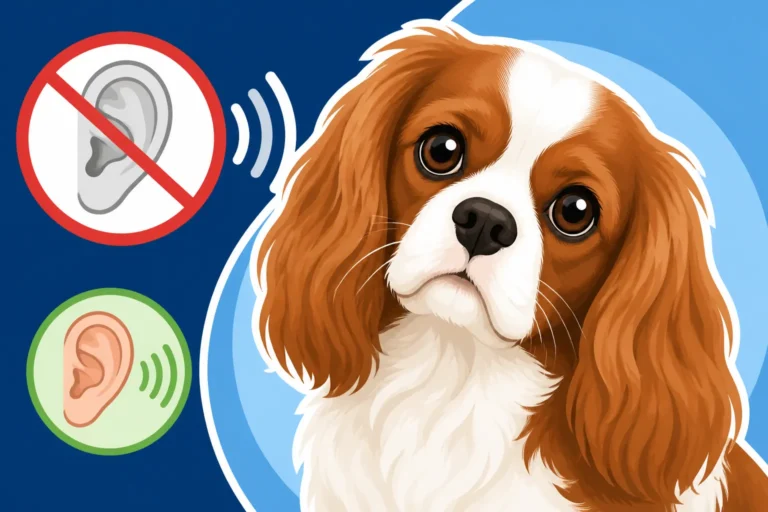
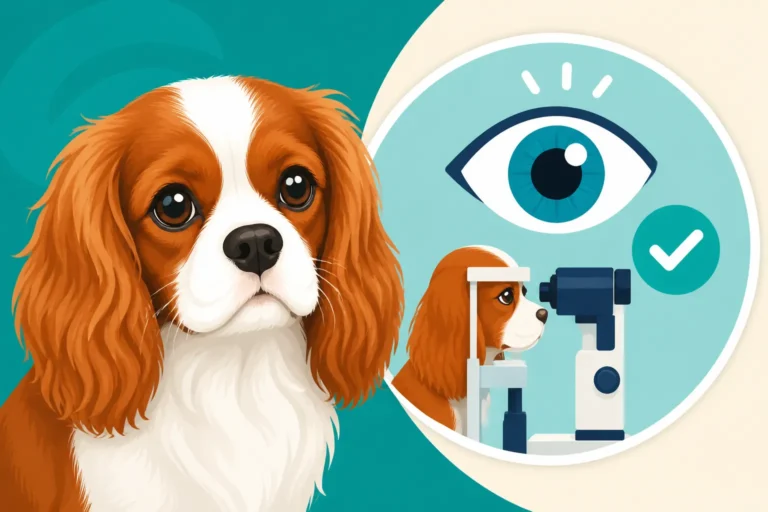
One of the most debilitating aspects of Curly Coat Syndrome is the associated severe dry eye, or Keratoconjunctivitis Sicca (KCS). Affected Cavaliers produce little to no tears, leaving their eyes chronically dry, irritated, and vulnerable to damage. This isn't just a minor inconvenience; it's intensely painful and can lead to serious complications. The lack of natural lubrication means the eyes are constantly exposed to dust and debris, leading to frequent inflammation, corneal ulcers, and even blindness if left untreated. For more in-depth information on eye issues, you can read our guide on Cavalier Eye Disease From Dry Eye to Cataracts.
Owners often describe their puppies with KCS having thick, yellowish discharge from their eyes, constant squinting, and rubbing at their face. The eyes might appear dull or cloudy, and the dog is visibly uncomfortable. Managing this condition requires lifelong dedication, including frequent application of lubricating eye drops and ointments, sometimes several times a day. Despite diligent care, the prognosis for vision can be guarded, and the constant battle against infection and pain is incredibly challenging for families. This relentless eye irritation is truly one of the most frustrating aspects for owners of affected dogs.
The Impact on Quality of Life
Living with Curly Coat Syndrome is a continuous struggle for affected Cavaliers and their families. The chronic skin inflammation, brittle nails, and severe dry eye significantly diminish a dog's quality of life. Puppies who should be full of boundless energy often spend their days itching, rubbing, and seeking relief from their discomfort. Simple activities like playing or going for walks can become painful chores. The constant medical management, from daily eye drops to medicated baths and pain relief, can be overwhelming and emotionally draining for owners.
Beyond the physical suffering, the condition also places a substantial financial burden on families. Veterinary visits become frequent, and the cost of specialized medications, prescription diets, and potential dermatological or ophthalmic consultations quickly adds up. While pet insurance can help, it's important to remember that conditions diagnosed before coverage begins are often considered pre-existing. This is where early awareness and responsible breeding become absolutely paramount. For those worried about costs, our article What Cavalier Heart Disease Costs to Treat might offer some perspective on long-term medical care expenses for inherited conditions.
Understanding the Genetic Basis: Why Cavaliers Get It
Curly Coat Syndrome isn't something a Cavalier "catches" like a cold; it's hardwired into their DNA. It's an inherited genetic disorder, meaning it's passed down from parents to their offspring. Understanding the specific way it's inherited is crucial for both prospective puppy buyers and responsible breeders alike. It helps explain why some puppies get it, while others from the same parents might be perfectly healthy.
The Inheritance Pattern: Autosomal Recessive
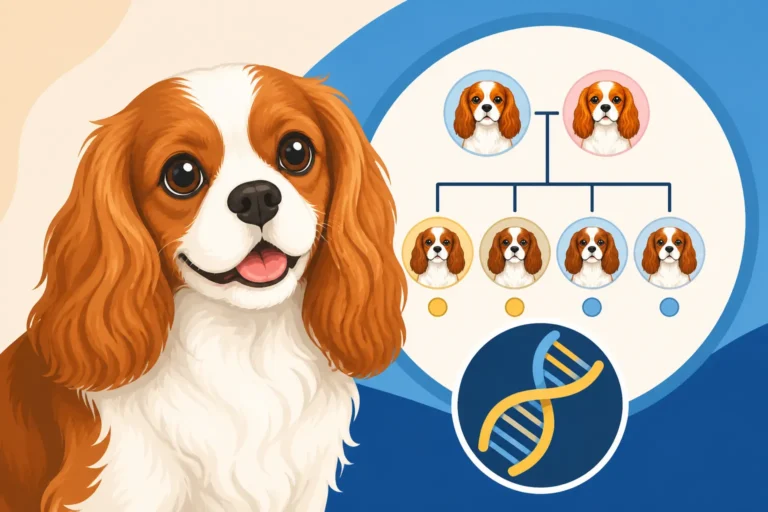
Curly Coat Syndrome follows an autosomal recessive inheritance pattern. What does this mean in plain English? It means that a puppy must inherit two copies of the faulty gene – one from its mother and one from its father – to actually develop the disease. If a puppy only inherits one copy of the faulty gene, it won't show symptoms of CKCS, but it will be a "carrier." Carriers are perfectly healthy themselves, but they can pass that single faulty gene copy on to their own offspring.
This is why the condition can sometimes seem to appear out of nowhere, even if neither parent visibly suffered from it. If two healthy carriers are bred together, there's a chance their puppies will inherit two copies of the gene and be affected. It's a game of genetic roulette that no one wants to play, especially when there's a simple test to avoid it. Knowing this pattern is fundamental to preventing the disease from ever occurring.
Carriers, Affected, and Clear Cavaliers
When it comes to Curly Coat Syndrome, Cavaliers generally fall into one of three genetic categories:
- Clear: These Cavaliers have two normal copies of the gene. They will not develop Curly Coat Syndrome, and they cannot pass the faulty gene on to their offspring. They are genetically free of the condition.
- Carrier: These Cavaliers have one normal copy of the gene and one copy of the faulty gene. They are healthy and will not show any signs of Curly Coat Syndrome. However, they can pass the faulty gene to 50% of their offspring, on average.
- Affected: These Cavaliers have two copies of the faulty gene (one from each parent). They will develop Curly Coat Syndrome and exhibit the painful skin and eye symptoms discussed earlier. They will also pass a faulty gene to 100% of their offspring.
This distinction is absolutely vital for breeders. A carrier dog looks and acts just like a clear dog, which is why visual inspection alone isn't enough to prevent the disease. Only genetic testing can reveal the true status of a dog. This intricate dance of genes is precisely why we rely on science to help us make the best choices for our beloved breed. You can learn more about general genetic testing in our post The DNA Tests Every Cavalier Should Have.
The Gene Responsible: FAM83G
Scientists have pinpointed the specific gene responsible for Curly Coat Syndrome: FAM83G. A mutation within this gene is what causes the entire cascade of symptoms – the characteristic curly coat, the dry, flaky skin, the fragile nails, and the severe dry eye. This breakthrough in genetic research has been a game-changer for the Cavalier King Charles Spaniel breed. Before this discovery, breeders were left guessing, and puppies were suffering without a clear way to prevent the condition.
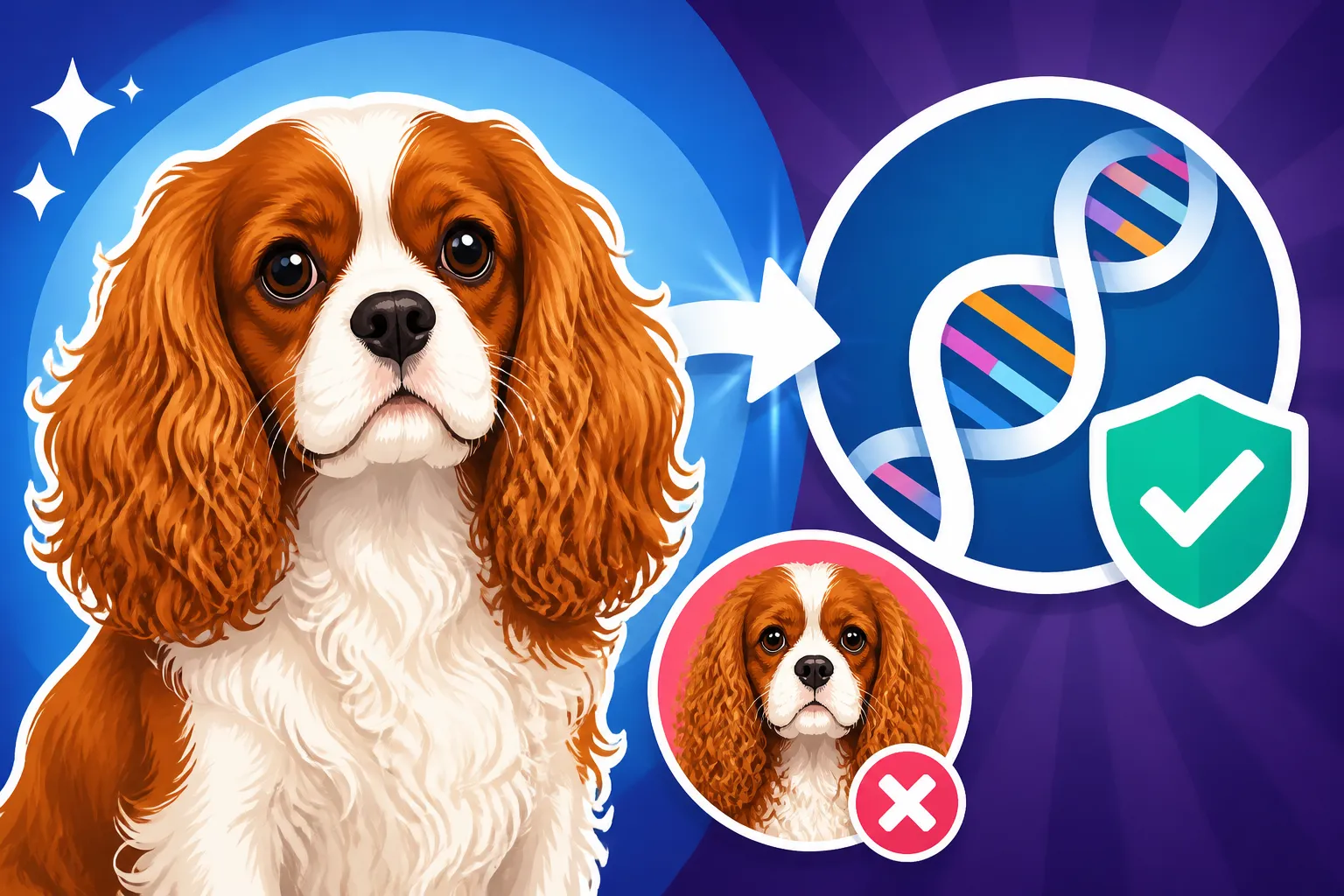
The identification of the FAM83G mutation means that we don't have to rely on guesswork or the tragic appearance of affected puppies to know which dogs carry the risk. Instead, a simple, accurate DNA test can now identify the presence or absence of this specific mutation in any Cavalier, at any age. This scientific precision is what allows us to "end" the curly coat struggle for good, ensuring that future generations of Cavaliers can live free from this painful burden.
The DNA Test: How It Works and Why It Matters
The DNA test for Curly Coat Syndrome is a true blessing for the Cavalier community. It's a simple, non-invasive tool that provides invaluable information, empowering breeders and giving peace of mind to puppy buyers. This isn't some complex medical procedure; it's a straightforward genetic screening that can prevent a lifetime of suffering.
The Testing Process: From Swab to Results
Getting your Cavalier tested for Curly Coat Syndrome is incredibly easy. The process typically involves a buccal swab, which means gently rubbing a sterile cotton swab inside your dog's cheek for a few seconds to collect saliva and cheek cells. This small sample contains all the DNA needed for analysis. Most veterinarians can perform this, or you can order a kit directly from a reputable genetic testing laboratory. You simply follow the instructions, swab your dog, and mail the sample back. Many breeders even send swabs from very young puppies before they go to their new homes.
Once the lab receives the sample, their expert technicians extract the DNA and analyze it for the specific FAM83G mutation. The turnaround time for results usually ranges from a few days to a couple of weeks, depending on the lab. Reputable labs like Embark Veterinary, Optimal Selection, or Animal Genetics are commonly used by Cavalier breeders. These companies provide clear, easy-to-understand reports that specify whether your Cavalier is "Clear," a "Carrier," or "Affected" by Curly Coat Syndrome. You can find out more about how these tests work by reading our article Reading a Cavalier DNA Panel Result.
Interpreting Your Cavalier's Test Results
Understanding your Cavalier's DNA test results is crucial for making informed decisions, especially if you're a breeder.
- Clear (N/N): This means your Cavalier does not carry the gene mutation for Curly Coat Syndrome. They are safe to breed with any other Cavalier, and none of their offspring will ever be affected by CKCS because of them.
- Carrier (N/CKCS): This means your Cavalier carries one copy of the gene mutation. They will never develop the disease themselves. However, if bred with another carrier or an affected dog, they could produce affected puppies.
- Affected (CKCS/CKCS): This means your Cavalier has two copies of the gene mutation and will develop or has developed Curly Coat Syndrome. Such dogs should not be bred, as all their offspring would inherit at least one copy of the faulty gene.
Breeders rely on these results to select appropriate breeding pairs, ensuring that no two carriers are ever bred together. This completely eliminates the risk of producing affected puppies. If you're considering a puppy, always ask to see the DNA test results for both parents. A transparent breeder will happily provide these.
When to Test: Ideal Age and Breeding Planning
The beauty of DNA testing is that it can be performed at any age, even on very young puppies. Since the genetic makeup doesn't change, a test done on a puppy is just as accurate as one done on an adult dog. For breeders, testing potential breeding stock before they are mature enough to be bred is ideal. This allows them to plan pairings strategically, ensuring they only breed "Clear" dogs to "Clear" dogs, or "Clear" dogs to "Carrier" dogs.
If you're buying a puppy, the parents should have already been tested. A reputable breeder will have this information readily available and will be able to tell you the genetic status of your puppy's parents, and even the puppy itself if they choose to test entire litters. This upfront testing is a cornerstone of ethical breeding practices and a strong indicator of a breeder's commitment to the health of their lines. Early testing saves heartache and considerable expense down the line, an investment in health that even pet insurance providers like Healthy Paws would appreciate, as it prevents costly, chronic conditions from developing.
Breeding Responsibly: Eliminating CKCS from Future Generations
The existence of a reliable DNA test for Curly Coat Syndrome places a significant responsibility on breeders. This isn't just about avoiding legal issues or disappointed puppy buyers; it's about ethical stewardship of the breed and a profound commitment to the health and well-being of every single Cavalier puppy brought into the world.
Making Informed Breeding Decisions
With the DNA test readily available, there is simply no excuse for knowingly producing puppies affected by Curly Coat Syndrome. Responsible breeders use the test results to guide their breeding program. The safest pairing is always two "Clear" Cavaliers, which guarantees all offspring will be "Clear." However, to maintain genetic diversity within the breed, it's sometimes necessary to breed a "Carrier" Cavalier. In such cases, the carrier must be bred only to a "Clear" Cavalier.
When a "Carrier" and a "Clear" Cavalier are bred together, statistically, 50% of the puppies will be "Clear," and 50% will be "Carriers." Crucially, none of these puppies will be "Affected." The resulting carrier puppies can then be identified through testing, and those chosen for future breeding must again only be paired with "Clear" mates. This careful planning, although it might seem complex, is how genetic diseases can be systematically reduced and eventually eliminated from a breed's gene pool without sacrificing crucial genetic diversity. Our guide, Whether Two Cavalier Carriers Should Be Bred, delves deeper into this topic.
The Ethical Breeder's Commitment
An ethical Cavalier breeder will go above and beyond to ensure the health of their puppies. This includes not only DNA testing for conditions like Curly Coat Syndrome but also other crucial health screenings for the breed, such as heart clearances, eye exams, patella checks, and MRI scans for Syringomyelia. They understand that transparency is key and will openly share the health testing results of their breeding dogs with prospective buyers. They won't just say their dogs are "healthy"; they'll have the documented proof.
A truly committed breeder views each puppy as a lifelong responsibility. They aim to improve the breed with every litter, producing dogs that are not only beautiful and have wonderful temperaments but are also genetically sound. They will advise you on the care your puppy needs, provide extensive health records, and offer a lifetime of support. This dedication is a hallmark of someone who genuinely cares for the future of the Cavalier King Charles Spaniel, understanding that preventing disease, rather than just treating it, is the highest form of care.
| Parent 1 Status | Parent 2 Status | Offspring Probabilities (Clear : Carrier : Affected) | Production of Affected Puppies |
|---|---|---|---|
| Clear | Clear | 100% Clear | No |
| Clear | Carrier | 50% Clear : 50% Carrier | No |
| Clear | Affected | 100% Carrier | No |
| Carrier | Carrier | 25% Clear : 50% Carrier : 25% Affected | Yes |
| Carrier | Affected | 50% Carrier : 50% Affected | Yes |
| Affected | Affected | 100% Affected | Yes |
The Future of the Breed: A Healthier Legacy
The widespread use of the DNA test for Curly Coat Syndrome offers a clear path towards eradicating this painful disease from the Cavalier King Charles Spaniel breed. Every generation of Cavaliers bred responsibly, with careful genetic screening, brings us closer to a future where no puppy has to suffer from CKCSID. This commitment by breeders to proactive health management is a beacon of hope for the entire breed. It signifies a move towards preventing inherited diseases rather than simply reacting to them.
As puppy buyers, we also have a crucial role to play. By seeking out breeders who prioritize health testing and transparency, we reinforce the demand for ethically bred Cavaliers. When you choose a puppy whose parents have been DNA tested and cleared for Curly Coat Syndrome, you're not just getting a healthy pet; you're supporting a system that aims to eliminate suffering and create a healthier legacy for all Cavaliers. This collaborative effort between science, breeders, and informed owners is how we ensure that the Cavalier King Charles Spaniel remains the joyful, healthy companion we all adore.
Disclaimer
Please remember that this article is intended for informational purposes only and should not be considered a substitute for professional veterinary advice. Always consult with a qualified veterinarian or veterinary specialist for any health concerns or before making any decisions about your pet's health or treatment.