A Cavalier Limping After Play
It’s truly disheartening, and often downright scary, to watch your typically spirited Cavalier King Charles Spaniel, who was just romping around happily, suddenly start favoring a leg after play. That moment of joy quickly turns to anxiety as you wonder what happened and how serious it might be. This guide is here to help you understand the common reasons why your beloved Cavalier might be limping after a burst of activity, what steps you can take, and when it’s absolutely essential to seek veterinary advice.
Understanding Why Your Cavalier Might Limp After Play
Our Cavaliers are such enthusiastic, affectionate little dogs, aren't they? They throw themselves into playtime with such gusto that sometimes their bodies can't quite keep up with their boundless spirit. It’s terrifying to see your happy-go-lucky Cavalier suddenly favoring a leg, refusing to put weight on it, or just moving gingerly. Often, the cause isn't immediately obvious, which only adds to the worry.
The Anatomy of a Cavalier's Delicate Joints
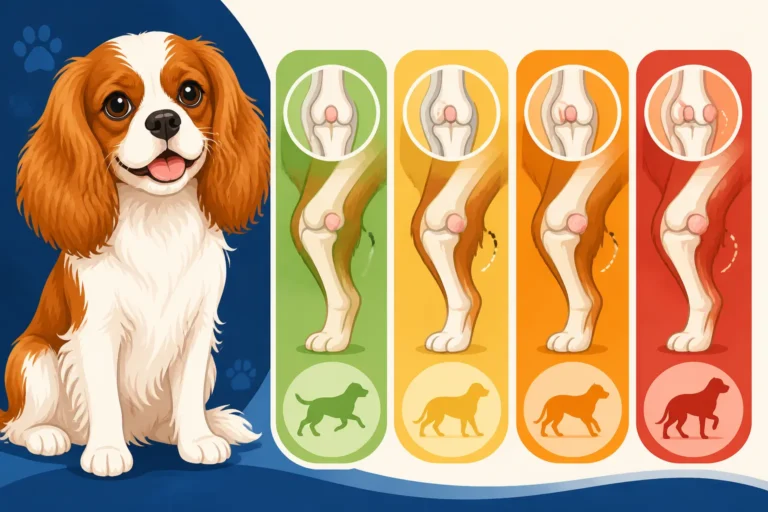
While Cavaliers are small dogs, their skeletal structure and joints are still complex and susceptible to injury, sometimes even more so due to genetic predispositions. Think about their patellas (kneecaps), which are designed to slide smoothly in a groove at the end of the thigh bone. If that groove isn't quite right, or the ligaments are too loose, even a minor twist or jump during play can cause the kneecap to slip out of place, leading to a sudden limp. Similarly, their hips, while less prone to severe dysplasia than larger breeds, can still experience issues that surface after strenuous activity.
Their small stature also means they often encounter the world from a lower perspective, making them more prone to stepping on things or twisting a paw. What might be a minor bump for a larger dog could cause significant discomfort or injury for a Cavalier. Their sheer joy in activity, from chasing a ball to performing zoomies around the house, means they sometimes don't self-regulate, pushing past the point of subtle aches until something gives.
Assessing the Severity and Onset of the Limp
When you notice your Cavalier limping, the first thing to do (after taking a deep breath yourself!) is to observe them carefully without panicking. Try to remember exactly when the limp started. Was it after a particularly enthusiastic game of fetch? Did they jump off the sofa a little awkwardly? Or did it appear more gradually after a longer walk than usual? The answers to these questions can provide crucial clues for your veterinarian.
Look at how they’re holding the leg. Are they putting any weight on it, even just for a second, or is it completely off the ground? A non-weight-bearing limp is usually a bigger red flag. Check for obvious signs of swelling, tenderness, or heat in the affected area. Gently palpate the leg from the paw upwards, feeling each joint and bone, watching closely for any reaction from your dog that indicates pain. A slight favoring of a leg after a vigorous play session might be a simple strain that improves with rest, but a severe, persistent limp needs immediate attention. Remember, your Cavalier can't tell you what hurts, so you become their detective.
Common Causes of Limping in Cavaliers After Activity
Many factors can contribute to a Cavalier limping, ranging from minor annoyances to more serious underlying conditions. Their inherent enthusiasm for life and play means they often don't consider the consequences of their actions, leading to sudden injuries.
Soft Tissue Injuries and Strains
Just like us, Cavaliers can pull a muscle, sprain a ligament, or bruise themselves. These are often the most common reasons for limping after play. Imagine your Cavalier chasing a squirrel, making a sharp turn, and suddenly letting out a little yelp. They might have overextended a leg, causing a muscle strain in their shoulder, thigh, or even their back. Ligament sprains, especially in the ankle or wrist, can also occur if they land awkwardly or twist their paw during a jump.
These types of injuries often manifest as a mild to moderate limp that might worsen with continued activity and improve with rest. You might notice them favoring the leg, but still willing to put some weight on it. Bruises, while less common, can also result from a minor collision with furniture or another pet during play, causing localized pain. The good news is that many soft tissue injuries resolve with a few days of strict rest, but it's important not to ignore them, as a seemingly minor strain could mask something more serious or become chronic if not properly managed.
Joint Issues Common in Cavaliers
Unfortunately, Cavaliers are predisposed to certain joint problems that can become apparent or exacerbated by activity. One of the most common is patellar luxation, often referred to as "slipped kneecap." In this condition, the kneecap (patella) moves out of its normal groove. It's an issue we discussed in detail in our article on Loose Kneecaps in a Thirteen-Pound Cavalier. You might see your Cavalier skip a few steps, hold up a back leg, then suddenly be fine again after they "pop" the kneecap back into place. Over time, or with vigorous play, this can lead to inflammation, pain, and arthritis.
Another concern, though less prevalent in Cavaliers than larger breeds, is hip dysplasia. This is a malformation of the hip joint where the ball and socket don't fit together perfectly. While often associated with larger dogs, Cavaliers can also suffer from it, leading to pain, stiffness, and eventually arthritis. Active play can certainly aggravate an already compromised hip, making a hidden issue obvious. For a deeper dive, check out our piece on Cavalier Hip Dysplasia and Early Arthritis. Even in what seems like minor joint issues, early intervention and management are key to maintaining their quality of life.
Paw Injuries and Other Minor Trauma
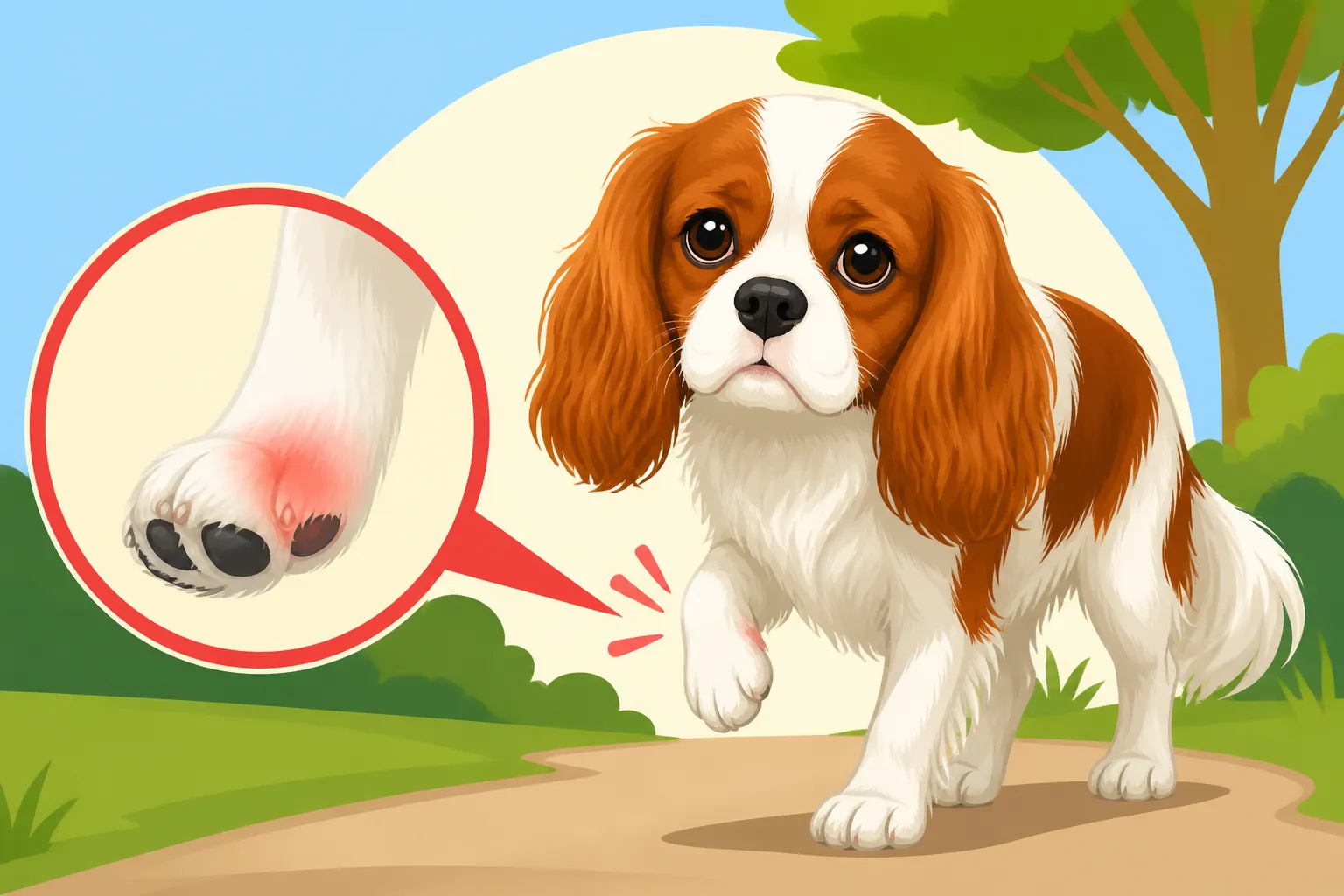
Sometimes, the cause of limping is right under their nose – or paw, rather! Their paws, with all that lovely feathering, can easily pick up foreign objects or sustain small injuries that are hard for us to spot. A tiny thorn, a sharp piece of gravel, a splinter, or even a burr can embed itself between their paw pads or toes, causing significant pain and a sudden limp. We've seen many a Cavalier owner worried sick, only to find a small, easily removable object causing all the trouble.
Don't forget their nails! Overly long nails can catch on carpet or uneven ground, leading to a painful tear or even ripping the nail entirely. This is incredibly sensitive and will certainly cause a limp. Insect stings, especially from bees or wasps, can also cause localized swelling and pain in a paw. Always remember to check their paws thoroughly, spreading the pads and checking between each toe, as these small injuries are easily missed but can be extremely painful for your sensitive pup.
When to Seek Veterinary Attention for a Limping Cavalier
It's natural to hope a limp will just "go away" on its own, especially if it seems mild. But with Cavaliers, whose genetics sometimes predispose them to certain conditions, it's always better to be safe than sorry. Knowing when to call the vet versus simply observing can save your Cavalier unnecessary pain and prevent a minor issue from becoming a major one.
Red Flags That Warrant Immediate Vet Care
While some limps can resolve with a day or two of rest, there are definite red flags that mean you need to get your Cavalier to the veterinarian immediately. If your Cavalier is completely unable to put any weight on the leg, holding it up constantly, that’s a clear sign of significant pain or injury. Look for obvious swelling, heat, or a deformity in the limb – these could indicate a fracture or severe sprain. If they yelp in intense pain when you gently try to touch the affected area, don't delay.
Beyond the limb itself, observe their general demeanor. Is your Cavalier lethargic, withdrawn, or unwilling to eat? Do they have a fever? These systemic signs, combined with limping, could point to a more serious infection or inflammatory process. In these cases, waiting could lead to complications, so it's always best to err on the side of caution and get professional help. Remember, your vet can provide precise pain relief and identify the root cause, which is crucial for effective treatment.
The Veterinary Examination and Diagnostic Process
When you take your limping Cavalier to the vet, they won't just glance at the leg and send you home. A thorough examination is the first step. Your vet will conduct a physical exam, which includes observing your Cavalier's gait, feeling for abnormalities along the bones and joints, and checking the range of motion in the affected limb. They'll also carefully palpate the paw, looking for any hidden foreign objects or injuries.
Depending on their initial findings, your vet might recommend further diagnostics. X-rays are common to rule out fractures, dislocations, or severe arthritis. They can also provide insight into conditions like patellar luxation or hip dysplasia. In some cases, blood tests might be recommended to check for inflammation or other systemic issues. It's important to understand that diagnosing the exact cause of a limp can sometimes be a multi-step process, and costs can add up quickly. This is where having a robust pet insurance plan, like those offered by Healthy Paws, can provide immense peace of mind, allowing you to focus on your Cavalier's health rather than the potential bills. For an idea of potential costs, our article on Knee Surgery Costs for a Cavalier can give you some perspective, even if surgery isn't initially required.
Managing and Preventing Play-Related Limping
Once you've identified the cause of your Cavalier's limp, or even if it's a minor strain, managing it properly and taking steps to prevent future incidents is key to their long-term well-being. This proactive approach ensures your beloved companion can enjoy their playful nature without constant worry about injury.
First Aid and Home Care for Mild Limps
If your Cavalier's limp appears mild and there are no immediate red flags, you can start with some basic home care, but always with the caveat that if it doesn't improve quickly or worsens, a vet visit is paramount. The absolute most important thing you can do is enforce strict rest. This means no jumping, no running, no stairs, and short, controlled leash walks only for potty breaks. Even for a short period, crate rest might be necessary to limit their movement, which can be tough for an active Cavalier but crucial for healing.
You can also try applying a cold pack (like a bag of frozen peas wrapped in a towel) to the affected area for 10-15 minutes, two to three times a day, especially in the first 24-48 hours. This can help reduce swelling and inflammation. Never give your Cavalier human pain medications like ibuprofen or acetaminophen, as these can be toxic. Stick to vet-approved pain relief if your vet prescribes it. Keep a close eye on their progress, and if there’s no improvement within 24-48 hours, or if it gets worse, it’s time to consult your veterinarian.
Long-Term Strategies for Joint Health
Preventing limping often comes down to protecting those delicate joints over the long haul. One of the most critical factors is maintaining a healthy weight. Extra pounds put immense strain on joints, exacerbating conditions like patellar luxation or hip dysplasia and increasing the risk of arthritis. Our article Why an Overweight Cavalier Fails Faster dives into the serious impact of excess weight on a Cavalier's overall health, including their joints. Regular, controlled exercise is beneficial, but avoid high-impact activities like prolonged jumping or intense fetch sessions on hard surfaces. Instead, opt for shorter, more frequent walks and gentle play on softer ground. Consider what we discussed in Walk Length for a Cavalier With a Murmur, adapting the principle of controlled activity for joint health.
Many owners also find success with joint supplements containing ingredients like glucosamine, chondroitin, and MSM, or omega-3 fatty acids, which can help support cartilage health and reduce inflammation. Always discuss these with your vet before starting them. Providing ramps for accessing furniture or beds can also reduce the stress on their joints from repeated jumping. Comfortable, orthopedic bedding can offer support, particularly for older Cavaliers or those with existing joint issues. Planning for these preventative measures can save a lot of heartache (and vet bills) down the line, and knowing that a plan like Healthy Paws is there for covered conditions can help make those long-term care decisions easier.
Discussing Concerns with Your Vet and Breeder
Open communication with both your veterinarian and your Cavalier's breeder is incredibly important, especially when dealing with recurring limping or joint issues. Your vet can offer personalized advice, adjust treatment plans, and recommend appropriate physical therapy or exercises. Don't hesitate to ask questions about your Cavalier’s specific needs and what preventative measures are most suitable for their age and current health status. They can also guide you on specific diagnoses, such as for Cavalier Knees, Hips and Joint Problems.
Your breeder can also be a valuable resource. Reputable breeders health-test their breeding dogs specifically for conditions like patellar luxation and hip dysplasia, so they might have insights into your Cavalier’s genetic predispositions. Asking about the health history of your dog’s parents and siblings can provide important context. They might also offer advice based on their extensive experience with the breed. A good breeder will want to know if their puppies are experiencing health issues, not only to help you but also to inform their future breeding decisions.
| Cause of Limping | Common Signs | When to See Vet | Prevention/Management |
|---|---|---|---|
| Soft Tissue Injury (Strain/Sprain) | Mild to moderate limp, worsens with activity, improves with rest | No improvement in 24-48 hours, worsening pain, severe swelling | Controlled exercise, warm-ups, avoid sudden twists, proper conditioning |
| Patellar Luxation | Intermittent skipping, holding leg up then fine, "popping" sound | Frequent episodes, signs of pain, progression to chronic lameness | Healthy weight, gentle exercise, vet assessment for severity, possible surgery |
| Hip Dysplasia/Arthritis | Stiffness, difficulty rising, reluctance to jump, pain after play | Persistent lameness, signs of chronic pain, joint swelling/deformity | Healthy weight, joint supplements, controlled exercise, supportive bedding |
| Paw Injury | Licking paw, reluctance to walk, bleeding, visible foreign object | Deep puncture, severe bleeding, spreading infection, severe pain | Regular paw checks, appropriate footwear in harsh conditions, nail trims |
| Fracture/Dislocation | Non-weight-bearing, severe pain, obvious deformity, swelling | IMMEDIATE VETERINARY EMERGENCY | Supervised play, secure environment, avoid dangerous jumps |
Disclaimer
The information provided in this article is for educational purposes only and is not a substitute for professional veterinary advice. If your Cavalier King Charles Spaniel is limping or showing any signs of discomfort or illness, please consult with your veterinarian immediately for an accurate diagnosis and appropriate treatment plan. Do not attempt to diagnose or treat your pet based solely on information found online.