Recurrent Ear Infections in a Cavalier
It’s incredibly frustrating and heartbreaking when your beloved Cavalier King Charles Spaniel seems to be constantly battling ear infections. Their beautiful, long, floppy ears are unfortunately a perfect breeding ground for trouble, and the cycle of discomfort, head shaking, and vet visits can feel never-ending for both you and your sweet companion. This guide aims to shed light on why Cavaliers are so prone to these recurring issues and, more importantly, equip you with practical strategies for effective management and prevention, helping your furry friend find lasting relief.
Why Cavaliers Are Uniquely Prone to Ear Infections
If you own a Cavalier, you’ve probably noticed their ears are a defining feature—long, silky, and delightfully floppy. While they add to their charm, these very ears are often the main culprit behind their susceptibility to recurrent infections. It's not just bad luck; it's a combination of anatomy, genetics, and sometimes, underlying health conditions.
The Unique Ear Structure of a Cavalier
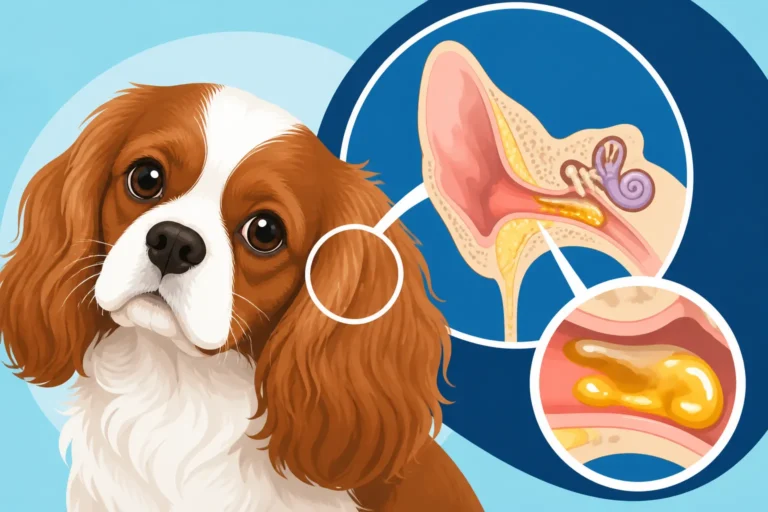
Unlike breeds with upright ears, a Cavalier's drop ears create a warm, moist, and poorly ventilated environment. Think of it as a tiny, furry greenhouse for bacteria and yeast. The ear canal itself is L-shaped, making it difficult for natural debris and foreign particles to exit. Instead, they can get trapped deep within, irritating the delicate lining and setting the stage for infection. The heavy leather of their ears also hangs close to their cheeks, further restricting airflow. This lack of circulation means that any moisture that gets in from baths, swims, or even just humidity, tends to stay there, inviting opportunistic pathogens like Malassezia yeast or various bacteria to thrive. You might notice a distinctive, sweet-yet-unpleasant odor, which is often a tell-tale sign of this microbial party. This is a common issue, and understanding Why a Cavalier's Drop Ears Trap Infection is crucial for prevention.
Allergies and Underlying Health Issues
Many Cavalier owners find themselves in a never-ending loop of ear problems, only to discover that the infections are merely a symptom of a larger, underlying issue: allergies. Just like humans, dogs can suffer from environmental allergies (pollen, dust mites, mold) or food allergies. When a Cavalier experiences an allergic reaction, one of the most common ways it manifests is through inflammation in the skin, and the ear canal is essentially an extension of the skin. This inflammation makes the ear canal itch, leading to excessive scratching and rubbing, which further damages the skin barrier and allows bacteria and yeast to take hold. It's a vicious cycle. If your Cavalier's ear infections seem to pop up seasonally or after certain dietary changes, it’s worth exploring Whether Cavalier Ear Infections Are Allergic. Beyond allergies, other less common but important factors like hypothyroidism or autoimmune conditions can also contribute to skin and ear issues, so a thorough veterinary workup is often necessary for truly recurrent cases.
Grooming Challenges and Moisture Trapping
The beautiful feathering on a Cavalier's ears, while lovely, adds another layer of complexity. This long hair can hang into food and water bowls, become matted, and further restrict airflow to the ear canal. If these long locks get wet and aren't thoroughly dried, they can hold moisture right against the ear opening, exacerbating the humid, low-ventilation environment inside. Regular, careful grooming isn't just about aesthetics; it's a critical part of ear health. Neglecting to keep the hair around and inside the ear canal trimmed, or failing to dry ears properly after bathing or swimming, can significantly increase the risk of infection. It’s a fine line to walk, as you don't want to over-groom in a way that causes irritation, but proper maintenance is key to keeping those ears healthy.
Recognizing the Signs of a Recurrent Ear Infection
Knowing what to look for can help you catch an ear infection early, preventing it from becoming a severe, painful issue. Cavaliers are generally stoic, but their behaviors will often betray their discomfort if you know the signs.
Common Physical Symptoms
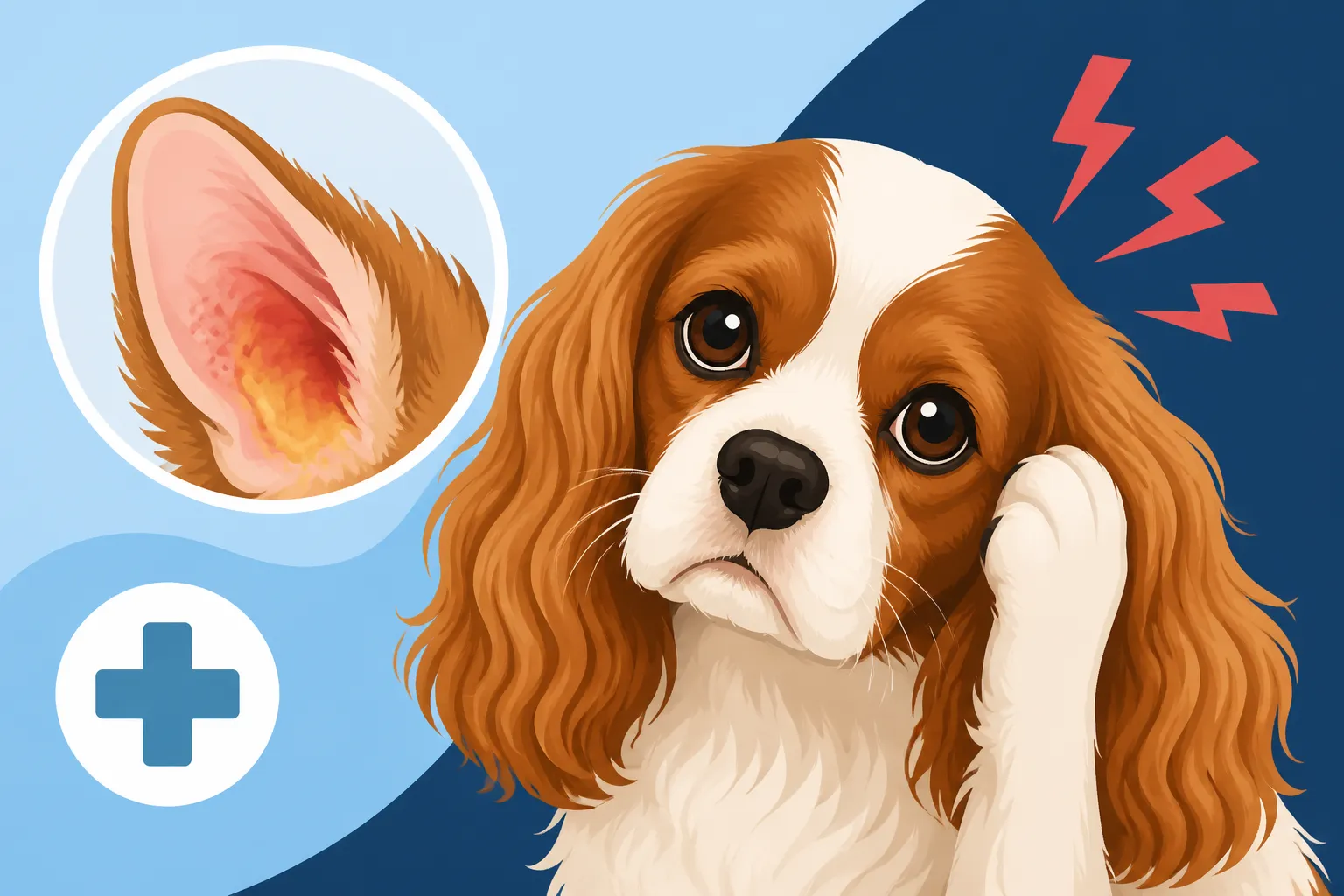
The most obvious signs of an ear infection are usually physical. You might notice your Cavalier shaking their head frequently, sometimes quite violently, as if trying to dislodge something. They might also scratch vigorously at one or both ears with their hind paws, occasionally even rubbing their ears along the furniture or floor. Upon closer inspection, you could see redness or swelling around the ear canal opening. There might be a discharge, which can vary in color from yellowish-brown to dark brown or even black, sometimes with a waxy or crusty texture. As mentioned before, a foul odor, often described as sweet, yeasty, or even rotten, is a strong indicator. This odor is particularly noticeable if you lift their ear flap. Sometimes, if the infection is deep or chronic, you might even see Yeast Under a Cavalier's Ear Flap. Be gentle when examining, as the ear will likely be sensitive or painful.
Behavioral Indicators of Discomfort
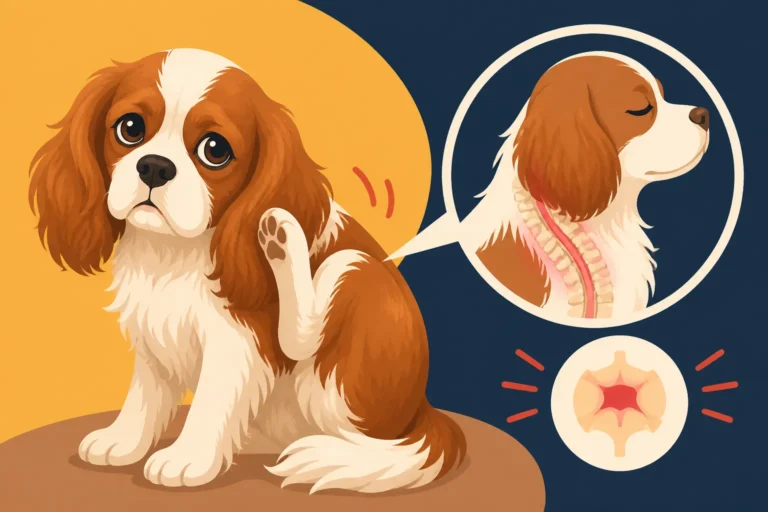
Beyond the physical, your Cavalier might exhibit behavioral changes that signal an ear infection. They might become more withdrawn or irritable, especially if you try to touch their head or ears. Some Cavaliers might yelp or flinch if you accidentally brush against an infected ear. You might observe a change in their sleeping position, perhaps preferring to sleep with their head in an unusual way to avoid pressure on a sore ear. Their appetite might decrease, or they might seem generally less enthusiastic about play or walks. In severe cases, they could develop a head tilt, which requires immediate veterinary attention as it can indicate a deeper problem affecting the middle or inner ear, or even a neurological issue like Syringomyelia Against Ear Pain in a Cavalier. Always observe your Cavalier's general demeanor and energy levels for any subtle shifts.
When to Suspect Recurrence
The frustrating part of recurrent infections is that they often follow a familiar pattern. If your Cavalier seems to get an ear infection every few months, or if the infection clears up with medication only to return shortly after treatment stops, you're dealing with a recurrent issue. This pattern suggests there's an underlying cause that hasn't been fully addressed, whether it's unmanaged allergies, incomplete treatment, or persistent environmental factors. Keeping a small journal of when infections occur, what symptoms you see, and what treatments were prescribed can be incredibly helpful for your vet in identifying patterns and developing a more effective long-term strategy. Don't dismiss a "mild" return of symptoms; for a Cavalier, even a slight head shake can be the start of another full-blown infection.
Effective Management and Prevention Strategies
Tackling recurrent ear infections in Cavaliers requires a multi-pronged approach that combines diligent home care with professional veterinary guidance. It's about breaking the cycle and addressing the root causes, not just the symptoms.
Proper Ear Cleaning Techniques
Regular and correct ear cleaning is fundamental for Cavaliers. Your vet can show you the best technique, as improper cleaning can push debris further into the canal. Generally, you'll use a veterinarian-approved ear cleaning solution designed for dogs. Never use cotton swabs deep inside the ear canal, as this can cause trauma or compact wax. Instead, apply the solution generously to fill the ear canal, then gently massage the base of the ear for 20-30 seconds to help break up debris. Let your Cavalier shake their head – this helps dislodge the solution and gunk. Finally, use cotton balls or gauze wrapped around your finger to gently wipe away any visible discharge from the outer ear flap. This process helps to remove excess wax, debris, and moisture. For many Cavaliers, cleaning once a week or every two weeks can be sufficient, but those prone to infections might need it more frequently, perhaps every few days, especially during allergy season or after swimming. Remember, consistency is key, and knowing Getting Drops Into a Cavalier's Ear Canal properly is vital for successful treatment and cleaning.
Veterinary Treatments and Medications
When an infection is present, only your veterinarian can accurately diagnose the type of infection (bacterial, yeast, or both) and prescribe the appropriate medication. This often involves ear drops containing antibiotics, antifungals, and/or steroids to reduce inflammation. It's absolutely crucial to complete the entire course of medication as prescribed, even if your Cavalier's ears seem better after a few days. Stopping early is a common reason for recurrence, as it allows resistant pathogens to thrive. In some cases, oral antibiotics or anti-inflammatory medications might be prescribed, especially if the infection is severe or deep-seated. Your vet might also recommend a follow-up visit to ensure the infection has completely cleared, often performing a recheck ear cytology. This is particularly important for recurrent cases to confirm full resolution and discuss ongoing preventative measures.
Lifestyle and Dietary Adjustments
Addressing underlying allergies often involves lifestyle and dietary changes. If environmental allergies are suspected, minimizing exposure to triggers, frequent vacuuming, air purifiers, and regular bathing with a hypoallergenic shampoo can help. For food allergies, a strict elimination diet is usually recommended. This involves feeding a novel protein or hydrolyzed protein diet for several weeks to months, then reintroducing ingredients one by one to identify the culprit. Common food allergens include beef, chicken, dairy, wheat, and soy. Finding the right diet can be a lengthy process but can dramatically reduce inflammation throughout the body, including the ears. Additionally, ensuring your Cavalier maintains a healthy weight is important, as obesity can exacerbate skin folds and reduce overall immune function. Consider using snoods during meal times to keep their ears out of their food and water, helping to keep them dry and clean.
The Role of Proactive Care and Insurance
Proactive care means staying ahead of potential issues. This includes consistent grooming, regular ear checks (daily if your Cavalier is highly prone), and immediate action at the first sign of trouble. For owners of Cavaliers, who are unfortunately predisposed to several health issues beyond just ear infections, investing in pet insurance can be a real lifesaver. Companies like Healthy Paws offer comprehensive plans that can cover everything from unexpected ear infection flare-ups to more serious conditions like mitral valve disease or syringomyelia. Having a policy with Healthy Paws in place before a chronic condition develops ensures that you can pursue the best possible diagnostics and treatments without financial strain. It truly provides peace of mind, knowing that if recurrent ear infections escalate to needing specialist care or advanced diagnostics, you're covered. This allows you to focus on your Cavalier's health rather than the vet bill. Understanding What a Cavalier Policy Costs Monthly can help you plan your budget.
Here’s a quick overview of common ear infection causes and effective prevention methods:
| Cause of Recurrent Ear Infections | Signs to Look For | Prevention/Management Strategy |
|---|---|---|
| Anatomical Structure | Head shaking, discharge, odor | Regular cleaning, proper drying after baths/swims, snoods |
| Allergies | Itching, redness, chronic infections | Elimination diet, allergy medication, environmental controls, regular ear cleaning |
| Moisture Trapping | Dampness in ear canal, smelly discharge | Thorough drying, snoods, careful grooming |
| Incomplete Treatment | Symptoms return shortly after medication stops | Always finish full course of prescribed medication, follow-up vet visit |
| Underlying Illness | General malaise, other skin issues | Comprehensive vet check-ups, diagnostic testing |
When to Seek Veterinary Expertise for Chronic Issues
While home care is essential, there are definite times when your Cavalier needs professional veterinary intervention, especially with recurrent ear infections. Don't hesitate to seek help; early and thorough treatment can prevent long-term damage and pain.
Persistent or Worsening Infections
If your Cavalier's ear infection isn't improving despite home care and initial veterinary treatment, or if the symptoms are getting worse (e.g., increased pain, more discharge, extreme head tilting, lethargy), it's time for another vet visit. A persistent infection might indicate a resistant strain of bacteria, an undiagnosed underlying allergy, or even a foreign body lodged deep in the ear canal. Your vet might need to perform further diagnostics to identify the exact cause. Sometimes, what seems like an ear infection could be something else entirely, or an infection might be masking another problem. It's crucial to rule out other painful conditions, such as those caused by Cavalier Dental Disease in a Crowded Jaw, as sometimes referred pain can be confusing.
Advanced Diagnostics and Referrals
For chronic, recurrent ear infections, your regular veterinarian might recommend advanced diagnostics or a referral to a veterinary dermatologist or internal medicine specialist. These specialists have more experience and specialized equipment to delve deeper into the problem. This could involve an otoscopic examination under sedation, where a fiber-optic scope is used to visualize the entire ear canal and eardrum, checking for polyps, tumors, or a ruptured eardrum. They might also perform biopsies of the ear canal lining or take more comprehensive cultures to identify specific bacterial strains and their antibiotic sensitivities. If allergies are suspected to be the driving force, a dermatologist can conduct allergy testing, such as intradermal skin testing or blood tests, to pinpoint environmental allergens. This thorough approach is often the only way to get to the bottom of truly stubborn cases. Pet insurance, especially from providers like Healthy Paws, can be invaluable here, covering a significant portion of these specialist consultation and diagnostic fees, which can quickly add up.
Surgical Interventions for Chronic Cases
In severe, chronic cases where medical management has repeatedly failed, and the ear canal has become irreversibly damaged (e.g., scarred, calcified, narrowed), surgical intervention might be the only option to provide lasting relief for your Cavalier. Procedures can range from a Total Ear Canal Ablation (TECA), where the diseased ear canal is completely removed, to less invasive bulla osteotomy if the middle ear is involved. While these surgeries are a last resort and carry their own risks, they can significantly improve a Cavalier's quality of life, eliminating constant pain and infection. Your vet or specialist will discuss the pros and cons thoroughly, ensuring you understand the implications. Long-term Chronic Ear Disease and Cavalier Hearing Loss can also be a concern if these issues are left untreated. It’s a serious decision, but one that can bring immense relief when all other avenues have been exhausted.
Disclaimer
This article is intended for informational purposes only and does not constitute veterinary advice. Always consult with a qualified veterinarian for any health concerns or before making any decisions about your pet's medical care.