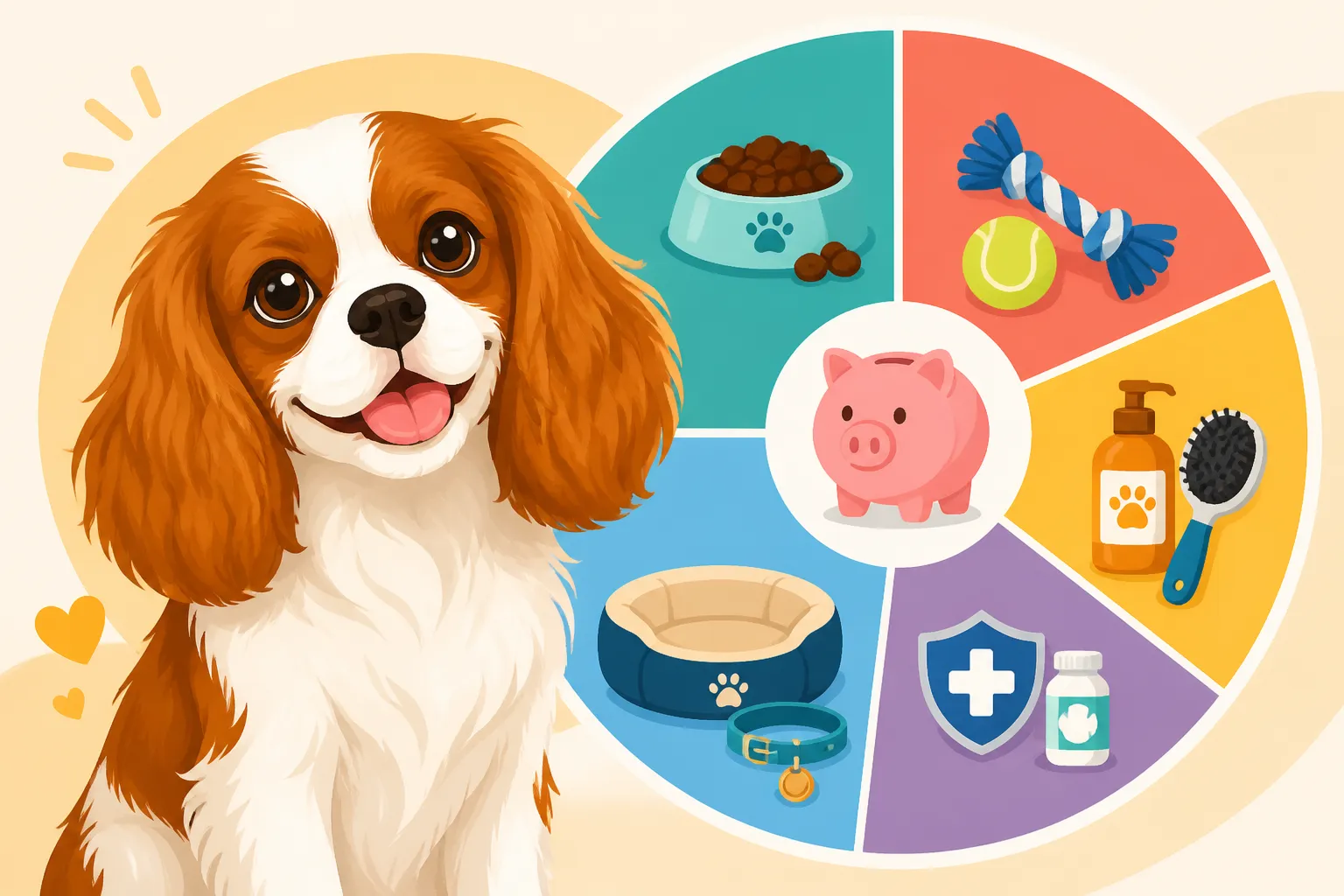
Splitting a Cavalier’s Monthly Spend by Category
Bringing a Cavalier King Charles Spaniel into your life is an absolute joy, but let's be real: the financial commitment can feel like a moving target. Many new owners, and even experienced ones, find themselves surprised by the cumulative monthly expenses beyond just food. This guide aims to pull back the curtain on those costs, breaking down a Cavalier's typical monthly spend into manageable categories so you can budget effectively and ensure your beloved companion gets everything they need without any last-minute financial surprises.
Understanding the Baseline Costs of Cavalier Ownership
When we talk about the monthly spend for a Cavalier, it’s easy to get tunnel vision and only think of food. But the reality is, many initial decisions or even ongoing care routines can significantly impact what you pay month to month. Establishing a clear understanding of the full financial picture from the outset can save a lot of stress down the line.
Initial Puppy or Adoption Expenses Influence Ongoing Costs
While this article focuses on monthly spending, it's crucial to acknowledge that the initial costs of acquiring your Cavalier can profoundly influence your ongoing financial commitment. For example, investing in a puppy from a reputable breeder who performs all recommended health screenings for the breed—such as OFA heart, patella, and eye clearances, as well as MRI scans for Syringomyelia—might mean a higher upfront price. However, this due diligence can potentially mitigate the risk of expensive veterinary bills later for common Cavalier ailments like Mitral Valve Disease or Syringomyelia. On the flip side, adopting from a rescue might have a lower adoption fee, but if the dog comes with an unknown history or existing conditions, you might face immediate or future medical expenses. These early choices set the stage for how much you might need to budget for monthly health maintenance or unexpected vet visits.
The "Average" Monthly Spend: A Starting Point
Pinning down an exact "average" monthly cost for a Cavalier is a bit like trying to herd cats—it varies wildly depending on your location, your dog's age and health, and your personal choices. However, for a healthy adult Cavalier, you can generally expect to spend anywhere from $100 to $300+ per month, not including unexpected emergencies. This range covers the basics like food, treats, preventative medications, and some routine grooming. This figure can easily climb much higher if your Cavalier requires a special diet, ongoing medications for a chronic condition, frequent professional grooming, or regular daycare. It's a starting point, a benchmark, and something to keep in mind as we delve deeper into each category. Remember, this doesn't account for those big, one-off expenses like an MRI scan for Syringomyelia or potential valve repair surgery for severe MVD, which are major financial considerations that Cavalier owners must mentally prepare for.
Essential Recurring Expenses: Food and Treats
Food and treats are, without a doubt, the most consistent and predictable monthly expenses. However, what you choose to feed your Cavalier can drastically swing this number. Quality nutrition is paramount for a Cavalier's overall health and can even play a role in managing certain conditions, making it a critical area where skimping might cost you more in the long run.
Choosing the Right Food for Your Cavalier
The market is flooded with dog food options, and navigating them for your Cavalier can be overwhelming. Dry kibble is often the most budget-friendly choice, with prices varying widely based on brand, ingredients, and where you buy it. For a typical 13-18 pound Cavalier, a bag of high-quality kibble might last 4-6 weeks, averaging $30-$60 per month. Wet food, while more expensive, can be a good option for picky eaters or those needing extra hydration, adding another $20-$40 to your monthly bill. Then there's the growing trend of fresh, human-grade food, like that offered by Ollie. While a fantastic nutritional choice, these services can significantly increase your monthly food budget, often running $60-$100 or more per month, depending on portion size and meal plan. It’s a personal decision, often weighing convenience and perceived health benefits against cost. Always consider your Cavalier's specific needs, age, and any health conditions, as some may require specialized diets. For instance, if your Cavalier develops heart issues, you might need to look into Prescription Diet Costs for a Cavalier Heart Patient, which will naturally impact your monthly food budget.
Treats and Supplements: More Than Just Rewards
Treats aren't just for spoiling your Cavalier (though they're great for that too!). They're indispensable for training, enrichment, and even dental health. However, just like with food, quality matters. Opting for healthy, low-calorie treats is especially important for Cavaliers, as they can gain weight easily, and Cavalier Weight Gain and What It Costs the Heart can be substantial. A monthly budget of $10-$25 for treats is a reasonable expectation. This can include small training treats, dental chews to help keep those crowded Cavalier teeth clean, or longer-lasting chews for mental stimulation.
Beyond treats, many Cavalier owners choose to incorporate supplements into their dog's diet. Fish oil for coat health, joint supplements for aging joints, or even probiotics for gut health can be beneficial. These typically add another $15-$40 per month, depending on the brand and type of supplement. It’s always best to discuss any supplements with your veterinarian to ensure they are appropriate and necessary for your Cavalier's individual needs. Companies like Chewy offer a wide array of options, from dental sticks to joint support supplements, making it easy to find what you need. Remember, even with the best intentions, it's vital to choose Low-Calorie Treats for a Cavalier That Gains Easily to prevent unwanted weight gain.
Veterinary Care: Routine and Preventative
This is where the costs can sometimes feel less predictable, but a consistent approach to preventative care is the best way to keep your Cavalier healthy and avoid more expensive emergency visits down the road. Cavaliers, unfortunately, are prone to certain breed-specific health issues, making regular vet care even more critical.
Annual Check-ups and Vaccinations
Every Cavalier, regardless of age, needs a yearly check-up. This annual visit is fundamental for monitoring their overall health, detecting any subtle changes, and ensuring they are up-to-date on necessary vaccinations. During this appointment, your vet will perform a thorough physical exam, listen to their heart (a critical step for Cavaliers!), and discuss any concerns you might have. The cost for a standard annual check-up and core vaccinations (rabies, distemper/parvo) typically ranges from $100 to $250, depending on your location and veterinary clinic. These costs might not hit your bank account every single month, but it's wise to set aside a portion monthly to cover them when they do come due. Don't underestimate the importance of The Yearly Checkup That Listens to a Cavalier's Heart, as early detection of a murmur can be crucial.
Flea, Tick, and Heartworm Prevention
These preventative medications are non-negotiable for most Cavaliers, especially if they spend time outdoors. Fleas, ticks, and heartworm pose serious health risks and can lead to expensive and difficult-to-treat conditions. Most preventative treatments are administered monthly or quarterly. The cost for these can range from $20 to $50 per month, depending on the brand, type of medication (oral vs. topical), and your dog's weight. Many vets offer packages or discounts for purchasing a year's supply at once, which can sometimes reduce the overall cost slightly. It's a small monthly investment that provides huge protection for your furry friend. Make sure you are up-to-date on Flea and Worm Cover for a Fifteen-Pound Cavalier to protect your Cavalier from these common parasites.
Dental Care: Often Overlooked
Cavaliers are notorious for having crowded mouths, which makes them particularly susceptible to dental disease. Food particles and bacteria can easily get trapped, leading to plaque, tartar buildup, gum disease, and ultimately, painful infections and tooth loss. While daily brushing at home is highly recommended and costs very little (save for the toothbrush and dog-specific toothpaste), most Cavaliers will require professional dental cleanings under anesthesia every few years, if not more frequently. These cleanings, which involve scaling, polishing, and sometimes extractions, are not cheap, often ranging from $400 to $1,000 or more. If you factor in a regular cleaning every two years, it translates to roughly $17-$42 per month to save. However, severe dental disease can lead to much higher costs, including emergency surgeries or even impact heart health. It's truly a hidden cost that Cavalier owners need to budget for. Understanding Cavalier Dental Disease in a Crowded Jaw highlights why this is such a critical area for their overall well-being.
Grooming Needs: Keeping That Silky Coat Gorgeous
The Cavalier's beautiful, silky coat and long, feathered ears are part of their charm, but they also require regular attention. Neglecting grooming can lead to painful mats, skin infections, and general discomfort for your dog, often resulting in more expensive professional intervention.
Professional Grooming vs. Home Care
While some Cavalier owners prefer to manage all grooming at home, many opt for professional grooming every 6-8 weeks. Professional grooming typically includes bathing, drying, brushing, nail trimming, ear cleaning, and sometimes a sanitary trim or light tidying of feathering (though extensive clipping of a Cavalier's coat is generally discouraged unless medically necessary). The cost for a professional groom for a Cavalier usually falls between $50 and $90 per session, translating to $25-$45 per month if averaged out. This might seem like a lot, but a good groomer can ensure your Cavalier's coat stays in top condition, identify any skin issues, and prevent mats. For those concerned about Cavalier Grooming Costs Every Six to Eight Weeks, learning some home grooming basics can certainly reduce the frequency of professional visits.
Essential Grooming Supplies for Home
Even if you use a professional groomer, you'll still need some basic supplies for regular upkeep at home. Daily or weekly brushing is essential to prevent mats, especially behind the ears, in the armpits, and on the long feathering. You'll need a good quality slicker brush, a metal comb, dog-specific shampoo and conditioner, nail clippers or a grinder, and ear cleaning solution. These items are typically one-time purchases, but they do wear out or need replenishing. Expect to spend $50-$100 initially to stock up, and then perhaps $5-$10 a month for recurring items like shampoo or ear cleaner. Investing in these tools and a consistent routine is paramount for maintaining a healthy coat and preventing problems. For instance, proper Cavalier Ear Care Under a Heavy Drop Ear is crucial to prevent common infections. Products can be found at local pet stores or online retailers like Chewy, offering a wide range of choices for every budget.
Training, Enrichment, and Miscellaneous
Beyond the basics of health and hygiene, Cavaliers benefit immensely from mental stimulation, ongoing training, and opportunities for socialization. These "extras" are vital for their happiness and good behavior, and they often come with their own set of costs.
Training Classes and Ongoing Education
Cavaliers are intelligent and eager to please, making them generally receptive to training. Puppy classes are highly recommended for socialization and teaching basic manners, typically costing $150-$250 for a 6-8 week course. As your Cavalier grows, you might consider intermediate obedience, agility, or even therapy dog training, which also come with fees. While these aren't strictly monthly, it's wise to budget for ongoing education. Even if you choose to train your Cavalier at home, you might invest in online courses, training treats, or specialized equipment like long lines. Factor in about $10-$20 a month into your budget to cover these sporadic training investments. Remember, a well-trained Cavalier is a happier Cavalier, and it strengthens your bond.
Toys and Enrichment Items
Cavaliers may be small, but they need mental and physical enrichment just like any other dog. A variety of toys—chew toys, puzzle toys, soft toys—helps keep them engaged, prevents boredom, and provides an outlet for natural behaviors. Toys inevitably wear out, get lost, or simply lose their appeal, so replenishing them is an ongoing cost. Budgeting $10-$20 a month for toys and other enrichment items like snuffle mats or lick mats is a good idea. Rotating toys can help keep things fresh, and investing in durable, high-quality toys from brands found on sites like Chewy can save money in the long run. If your Cavalier is particularly destructive, finding Toys That Last With a Cavalier becomes an even more important financial consideration.
Boarding, Daycare, and Pet Sitting
Life happens, and there will likely be times when you need to leave your Cavalier in someone else's care. Whether it's for a weekend getaway, a work trip, or simply to give them some social interaction while you're at work, these services come with a cost. Doggy daycare can range from $25-$50 per day, while overnight boarding can be $40-$80 per night. Pet sitters, who visit your home, might charge $20-$40 per visit. If you travel a few times a year or use daycare regularly, this can easily add $50-$150+ to your average monthly spend. Planning ahead for these needs and researching local options can help you budget more accurately.
The Elephant in the Room: Health Insurance and Emergency Funds
This section is perhaps the most critical for Cavalier owners, as this breed is predisposed to several significant health issues that can lead to extremely high veterinary bills. Mitral Valve Disease (MVD) and Syringomyelia (SM) are chief among them, and managing these conditions can become incredibly expensive.
Pet Insurance: A Monthly Lifeline for Cavaliers
Given the breed's predispositions to conditions like MVD, Syringomyelia, and Patellar Luxation, pet insurance is a financial safeguard many Cavalier owners consider essential. Insurance premiums vary widely based on your Cavalier's age, breed, your location, the deductible you choose, and the reimbursement percentage. For a young, healthy Cavalier, you might pay $30-$70 per month for comprehensive coverage. However, if your Cavalier already has a murmur, it will likely be considered a pre-existing condition and won't be covered for MVD-related expenses. This highlights why it's crucial to enroll your Cavalier early, ideally as a puppy, before any symptoms appear.
Companies like Healthy Paws are popular choices among pet owners. Reviewing different plans and understanding what they cover (and what they don't, especially regarding pre-existing conditions) is vital. While it's a monthly expense that some might view as unnecessary when their dog is healthy, the peace of mind and financial relief it provides when a major health crisis hits can be invaluable. Don't wait until it's too late; understanding Insuring a Cavalier Before the Murmur Arrives is critical for breed owners. Also, familiarize yourself with What a Cavalier Policy Costs Monthly to find a plan that fits your budget.
Building an Emergency Fund
Even with pet insurance, there will be costs that aren't fully covered, or you might have a deductible to meet before coverage kicks in. For this reason, maintaining a dedicated emergency fund is paramount. Aim to save at least $1,000-$3,000 specifically for your Cavalier's unexpected medical needs. This fund can cover everything from an emergency vet visit for an upset stomach to the deductible for a major surgery. Without an emergency fund, owners can find themselves in the heartbreaking position of having to make difficult decisions based on financial constraints rather than what's best for their dog.
Think of it as your Cavalier's "rainy day" fund. It offers a crucial safety net and ensures you can act quickly if an accident or sudden illness occurs. It’s an ongoing process; try to put aside a little each month. Even $25-$50 consistently can build up a significant fund over time, providing you with immense relief when you need it most. Having The Emergency Fund a Cavalier Owner Needs can truly make all the difference in a crisis.
Estimated Monthly Costs for a Healthy Adult Cavalier King Charles Spaniel
To give you a clearer picture, here's a table summarizing typical monthly expenses for a healthy adult Cavalier. Please remember these are estimates and can vary based on location, brand choices, and individual needs.
| Category | Estimated Monthly Cost Range | Notes |
|---|---|---|
| Food & Treats | $40 – $125 | Kibble, wet food, fresh food (like Ollie), training treats, dental chews. |
| Vet & Preventative | $40 – $90 | Averaged annual check-up, vaccinations, flea/tick/heartworm meds. |
| Grooming | $15 – $50 | Averaged professional grooms (every 6-8 weeks) and home care supplies. |
| Pet Insurance | $30 – $70 | Comprehensive accident & illness policy for a young, healthy Cavalier. |
| Training & Enrichment | $10 – $30 | Toys, puzzle feeders, occasional class fees or online resources. |
| Miscellaneous/Buffer | $25 – $75 | Covers boarding, pet sitting, unexpected small items, or contributes to emergency fund. |
| Total Estimated Monthly Spend | $160 – $440 | Excludes emergency vet bills beyond insurance deductible/emergency fund. |
This table excludes potential high-cost medical treatments for conditions like MVD or Syringomyelia, which can run into thousands of dollars for diagnostics, medication, or surgery. The "Miscellaneous/Buffer" category is a great place to start building your emergency fund or saving for those larger, infrequent costs like dental cleanings.
Disclaimer
This article is intended for informational purposes only and does not constitute veterinary advice. The cost estimates provided are general guidelines and can vary significantly based on your geographic location, specific product choices, and your Cavalier's individual health needs. Always consult with a qualified veterinarian or financial advisor regarding your pet's health and your personal financial situation.