Whether a Cavalier MRI Needs Anesthesia
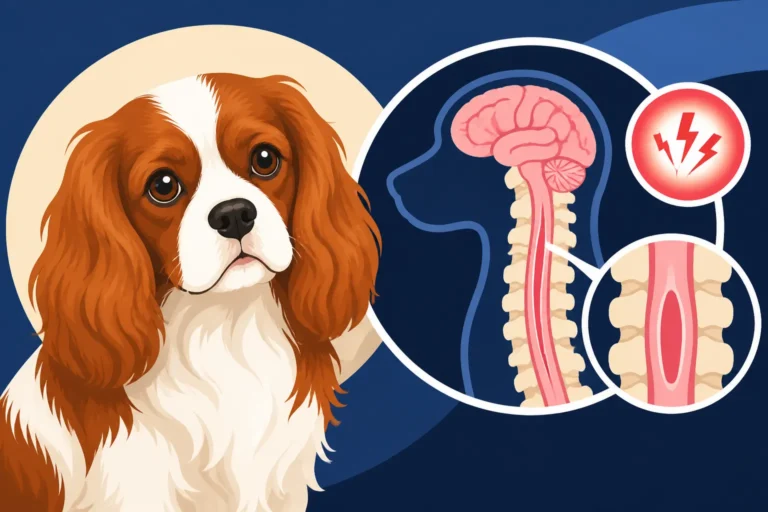
When your beloved Cavalier starts showing puzzling neurological symptoms like phantom scratching, head tilting, or yelping, the thought of an MRI scan quickly surfaces. But the idea of putting such a delicate dog under anesthesia for a lengthy procedure can be incredibly daunting, sparking fears about their safety and what it might entail for their already sensitive system. This guide aims to thoroughly explain why anesthesia is a non-negotiable part of a Cavalier's MRI, what to expect before, during, and after, and how veterinarians work tirelessly to ensure the safest possible outcome for your precious companion.
Why Anesthesia is Essential for a Cavalier MRI
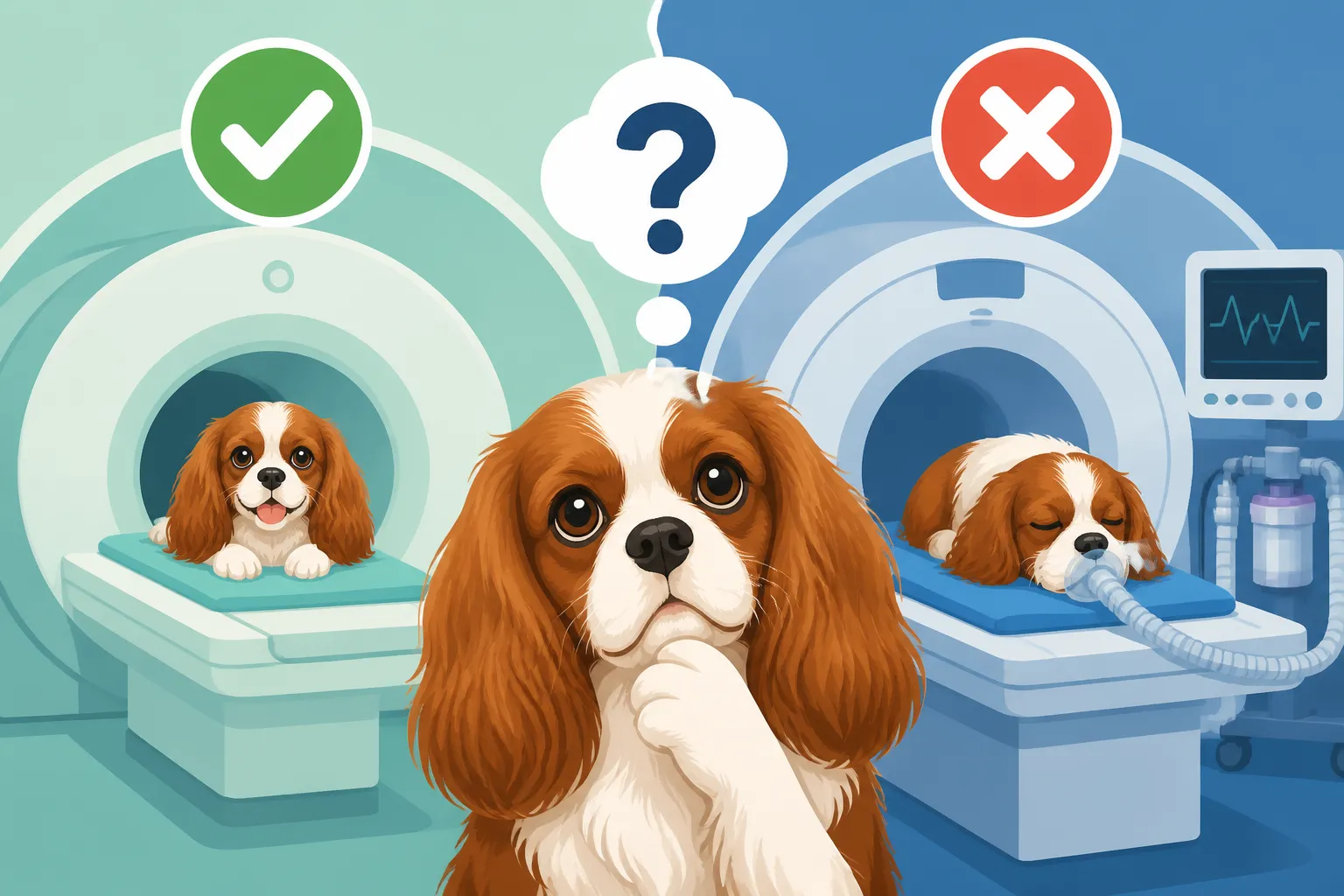
The idea of your Cavalier going under anesthesia for any reason is enough to make any devoted owner's stomach churn. It's a valid concern, and one that veterinary professionals take very seriously. However, when it comes to a magnetic resonance imaging (MRI) scan, general anesthesia isn't just a convenience; it's an absolute necessity for obtaining accurate and useful diagnostic images. Unlike an X-ray or even some CT scans, MRI imaging requires a level of stillness that no dog, not even the most perfectly behaved Cavalier, can maintain consciously.
The Precision Needed for MRI Scans
An MRI machine works by creating strong magnetic fields and radio waves to generate detailed images of soft tissues within the body. For these images to be clear and diagnostically valuable, the patient must remain absolutely motionless for extended periods. We're not talking about just lying still for a few minutes; an MRI scan for a Cavalier, especially when investigating complex neurological conditions like Syringomyelia and Chiari Malformation in Cavaliers, can take anywhere from 45 minutes to over an hour, often involving multiple sequences and adjustments.
Imagine trying to take a crystal-clear photograph of a moving object – it comes out blurry, right? The same principle applies here. Even the slightest twitch, a subtle shift of the head, or a deep breath can cause what's called "motion artifact" on the MRI images. This artifact can obscure crucial details, making it impossible for the veterinary neurologist to accurately interpret the scan and identify subtle lesions, fluid pockets, or structural abnormalities within the brain or spinal cord. Without perfect stillness, the entire expensive and emotionally taxing procedure becomes pointless, potentially requiring a repeat scan and further anesthesia.
Minimizing Stress and Maximizing Safety
Beyond the technical requirements, anesthesia also plays a critical role in your Cavalier's well-being during the procedure. Cavaliers are generally sweet-natured dogs, but being confined within a noisy, tube-like machine for an extended period would be incredibly frightening and stressful for any animal. The MRI machine itself is quite loud, producing knocking and whirring sounds as it operates, which can be disorienting and terrifying for a dog that cannot understand what is happening.
Forcing a dog to endure this conscious would not only be cruel but also dangerous. A struggling or panicked Cavalier could injure itself, or damage the incredibly sensitive and costly MRI equipment. Anesthesia ensures that your Cavalier is completely unaware of the procedure, eliminating fear, anxiety, and pain. It allows the veterinary team to position them precisely and maintain that position without struggle, ultimately making the experience as humane and safe as possible for your beloved pet. It's all about making sure that while the scan is running, your Cavalier is resting peacefully, oblivious to the strange surroundings.
Understanding the Anesthesia Protocol for Your Cavalier
When you hear that your Cavalier needs an MRI and therefore general anesthesia, it’s natural to feel overwhelmed. However, modern veterinary anesthesia is incredibly sophisticated, especially in specialized referral centers where MRIs are performed. The protocol is carefully tailored to each individual dog, taking into account their breed, age, overall health, and any pre-existing conditions. It's far from a one-size-fits-all approach.
Comprehensive Pre-Anesthetic Evaluation
Before your Cavalier even gets close to the anesthesia machine, a thorough pre-anesthetic evaluation is mandatory. This isn't just a quick check-up; it's a deep dive into your dog's health status. It typically includes a complete physical examination, often performed by both the primary veterinarian and the veterinary anesthesiologist. They’ll listen to your Cavalier's heart and lungs intently, checking for any murmurs, arrhythmias, or respiratory issues. Given that Why Half of Cavaliers Have a Murmur by Five, this cardiac assessment is particularly critical.
Blood work is another cornerstone of this evaluation. A full complete blood count (CBC) and a biochemistry panel are standard. These tests provide vital information about organ function, red and white blood cell counts, and electrolyte balance. For older Cavaliers or those with known health concerns, additional tests might be recommended, such as a urinalysis, thyroid hormone levels, or even a pre-anesthetic electrocardiogram (ECG) to get a more detailed picture of heart rhythm. All these results help the veterinary team select the safest combination of anesthetic drugs and dosages, identifying any potential underlying issues that could increase anesthetic risk. Knowing your dog's full health profile helps them anticipate and mitigate problems. For instance, if your Cavalier already has a known heart murmur, the anesthesiologist will want to know exactly what kind of murmur it is, its grade, and whether any specific medication like Pimobendan for a Cavalier With an Enlarged Heart is already being administered. This level of detail is crucial for their planning.
Anesthesia and Monitoring During the Procedure
Once the pre-anesthetic evaluation gives the green light, the anesthesia process begins. Your Cavalier will typically receive a mild sedative first, to help them relax and reduce anxiety before the induction of general anesthesia. This makes the transition smoother and less stressful. Once sedated, an intravenous (IV) catheter will be placed, allowing for direct administration of anesthetic drugs, fluids, and emergency medications if needed.
The general anesthetic is then administered, and an endotracheal tube is placed into their windpipe. This tube ensures a clear airway and allows the delivery of anesthetic gas and oxygen, as well as providing a secure route for breathing assistance if required. Throughout the entire MRI procedure, your Cavalier will be under the constant care of a dedicated veterinary anesthesiologist or a highly trained veterinary technician who specializes in anesthesia. This person's sole job is to monitor your dog's vital signs meticulously. This includes:
- Heart rate and rhythm: Often monitored with an ECG.
- Respiratory rate and effort: How fast and deeply they are breathing.
- Oxygen saturation: Measured with a pulse oximeter, ensuring adequate oxygen delivery.
- Blood pressure: Taken regularly to ensure stable circulation.
- Body temperature: Crucial to prevent hypothermia, which can be a risk during longer procedures under anesthesia.
- Carbon dioxide levels: Measured to ensure efficient breathing and gas exchange.
A dedicated professional will be continuously adjusting anesthetic depth, fluid rates, and other parameters to keep your Cavalier in a safe and stable state. This constant, vigilant monitoring is what truly minimizes risk during anesthesia.
Addressing Anesthesia Risks in Cavaliers
While the thought of anesthesia is scary, it's important to understand that significant advancements in veterinary medicine have made it much safer than it once was. However, no medical procedure is entirely without risk. For Cavalier King Charles Spaniels, there are particular considerations that veterinary teams are acutely aware of and actively work to mitigate.
Specific Concerns for the Breed
Cavaliers, unfortunately, are predisposed to certain health conditions that can add layers of complexity to anesthetic planning. The most prominent among these is Mitral Valve Disease in the Cavalier King Charles Spaniel (MVD). Many Cavaliers will develop a heart murmur at some point in their lives, and this murmur can progress to heart disease. If your Cavalier has a heart murmur, or diagnosed MVD, the anesthetic protocol will be specifically designed to support their cardiovascular system. This might involve using different anesthetic agents, administering supportive medications before or during anesthesia, and even more intensive monitoring, such as direct arterial blood pressure measurement in some advanced cases. The goal is to minimize any stress on the heart.
Another common concern, especially when an MRI is being considered, is Syringomyelia and Chiari Malformation in Cavaliers. While the MRI is diagnostic for this, the presence of these conditions can sometimes influence anesthetic choices, particularly regarding positioning and head support during the scan, to ensure no further discomfort or neurological compromise. Furthermore, Cavaliers can be prone to conditions like Cavalier Tracheal Collapse or respiratory issues, which anesthesiologists also take into account when selecting intubation techniques and ventilator settings.
Mitigation Strategies Employed by Veterinary Professionals
Veterinary teams take a proactive, multi-pronged approach to minimize anesthetic risks for Cavaliers:
- Individualized Protocols: As mentioned, there's no generic anesthetic plan. Each Cavalier's unique health profile, based on their pre-anesthetic evaluation, dictates the specific combination of drugs, fluid rates, and monitoring intensity.
- Reversible Drugs: Many modern anesthetic agents are short-acting and reversible. This means that once the procedure is complete, medications can be given to quickly reverse the anesthetic effects, allowing for a smoother and faster recovery.
- Advanced Monitoring Equipment: State-of-the-art monitoring tools provide real-time data on all vital parameters, allowing the anesthesia team to respond instantly to any changes in your Cavalier's condition.
- Dedicated Anesthesia Personnel: Having a veterinary anesthesiologist or a highly trained technician solely focused on monitoring anesthesia and recovery significantly reduces risk compared to a single vet juggling multiple roles.
- Pre-Surgery Testing and Communication: Open communication with your primary vet about your Cavalier's full health history, combined with comprehensive pre-surgery testing like Pre-Surgery Testing for an Older Cavalier, ensures no surprises on the day of the MRI.
| Risk Factor for Cavaliers | Anesthesia Mitigation Strategy |
|---|---|
| Mitral Valve Disease/Murmur | Tailored drug protocols (e.g., avoiding certain drugs that suppress heart function), intensive cardiac monitoring (ECG, blood pressure), pre-medication to support heart. |
| Chiari Malformation/Syringomyelia | Careful positioning to avoid neck compression, use of gentle induction agents, strict blood pressure control to maintain cerebral perfusion. |
| Brachycephalic Anatomy (mild) | Pre-oxygenation, rapid intubation, careful extubation once fully awake to prevent airway obstruction. |
| Hypothermia (due to length of procedure) | Warming blankets (forced air, circulating water), IV fluid warmers, careful monitoring of body temperature. |
| Pain Post-Procedure | Incorporating pain relief into the anesthetic plan (e.g., local nerve blocks, systemic analgesics), Pain Relief for a Cavalier With Syringomyelia after wake-up. |
Preparing Your Cavalier for an MRI Under Anesthesia
As an owner, you play a crucial role in preparing your Cavalier for an MRI under anesthesia. While the medical team handles the intricate details, your actions leading up to the appointment can make a significant difference in your dog's comfort and the procedure's success.
Fasting and Medication Guidelines
One of the most important instructions you'll receive is about fasting. Typically, your Cavalier will need to fast from food for 8-12 hours before the scheduled anesthesia. Water is usually permitted until a few hours before the appointment, but always follow your veterinary team's specific instructions. The reason for fasting is to prevent regurgitation and aspiration (inhaling stomach contents into the lungs) during or after anesthesia, which can lead to serious complications like aspiration pneumonia. It’s a common instruction that applies to almost all procedures requiring general anesthesia.
Regarding medications, your vet will give you precise instructions. It's vital to communicate all medications your Cavalier is currently taking, including supplements. Some medications might need to be withheld on the day of the procedure, while others, particularly critical heart medications, may need to be given with a tiny amount of food (like a small treat) early in the morning. Never alter your Cavalier's medication schedule without explicit guidance from your veterinary team. They will weigh the benefits and risks of each medication in relation to the anesthesia. Services like Chewy can be very helpful for having any necessary prescription foods or supplements delivered to your door, making preparation easier.
What to Expect on the Day of the MRI
On the day of the MRI, you'll typically drop your Cavalier off at the veterinary hospital or referral center in the morning. This drop-off can be an emotional moment, but rest assured they will be in skilled hands. The veterinary team will conduct their final pre-anesthetic checks, and once cleared, the procedure will begin.
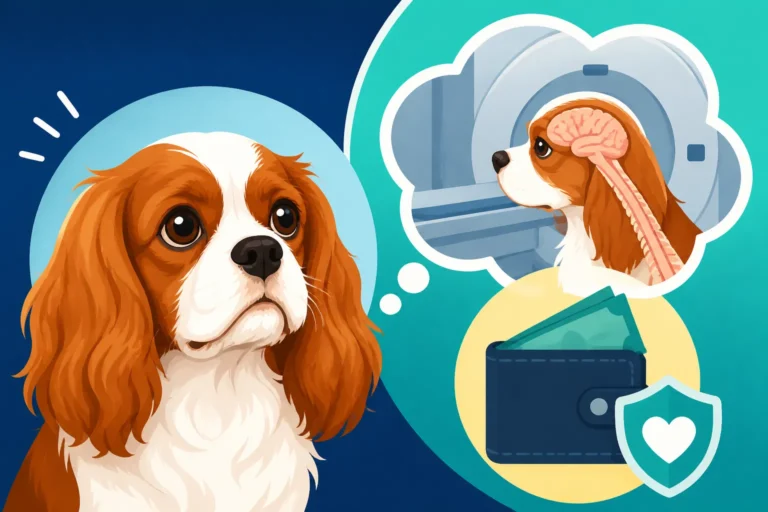
You'll likely be asked to sign consent forms, confirming you understand the procedure, the risks involved, and the associated costs. This is a good time to ask any last-minute questions you might have about What a Cavalier MRI Scan Costs and Shows or any other concerns. They might also discuss whether your Cavalier needs an MRI, and the significance of the findings. The hospital will usually provide an estimated time for the procedure and when you can expect an update or to pick up your pet. This waiting period can feel agonizingly long, but try to stay calm. Distracting yourself with activities or reaching out to a support network can help.
After the MRI is complete, your Cavalier will be carefully monitored during recovery from anesthesia. This post-procedure care is just as critical as the pre-anesthetic preparation and the procedure itself. They'll be kept warm and comfortable, and their vital signs will continue to be monitored until they are fully awake and stable. It's not uncommon for dogs to be a bit groggy or disoriented for several hours after anesthesia. They might stumble a bit, seem quieter than usual, or even have a slightly upset stomach.
When you pick up your Cavalier, they might still be a little wobbly. You'll receive detailed discharge instructions, which will include information on feeding, activity restrictions, and what signs to watch for that might indicate a complication. It's often recommended to provide a quiet, comfortable space at home for them to rest, away from noisy children or other pets. Ensuring your Cavalier has easy access to water but offering small, frequent meals of a bland diet initially can help prevent an upset stomach. For Cavaliers with sensitive stomachs or specific dietary needs, exploring fresh, human-grade food options like Ollie might be something to discuss with your vet to ensure optimal nutrition and palatability, particularly during recovery periods. Most dogs recover fully within 24-48 hours.
The results of the MRI will often require interpretation by a veterinary neurologist or radiologist, and these are usually discussed with you in a follow-up appointment or via phone call. It can be a anxious wait, but the detailed information from the MRI is invaluable for guiding your Cavalier's treatment plan, especially if conditions like syringomyelia are identified. Understanding How Many Cavaliers Actually Have Syringomyelia and its implications can help you prepare for the road ahead. Many owners find relief knowing that pet insurance, such as plans from Healthy Paws, can help alleviate the financial burden of unexpected diagnostic procedures like an MRI, especially if enrolled before symptoms appear. This financial safety net can make a huge difference in being able to afford crucial care for your Cavalier. Making sure your Cavalier has a comfortable, well-fitting harness, like those discussed in Harnesses Instead of Collars for a Cavalier, can also be beneficial both before and after such a procedure, especially if there's any concern about neck pain.
Disclaimer
This article is for general informational purposes only and does not constitute professional advice. Laws, prices and regulations vary by location and change over time. Consult a qualified professional for guidance on your specific situation.