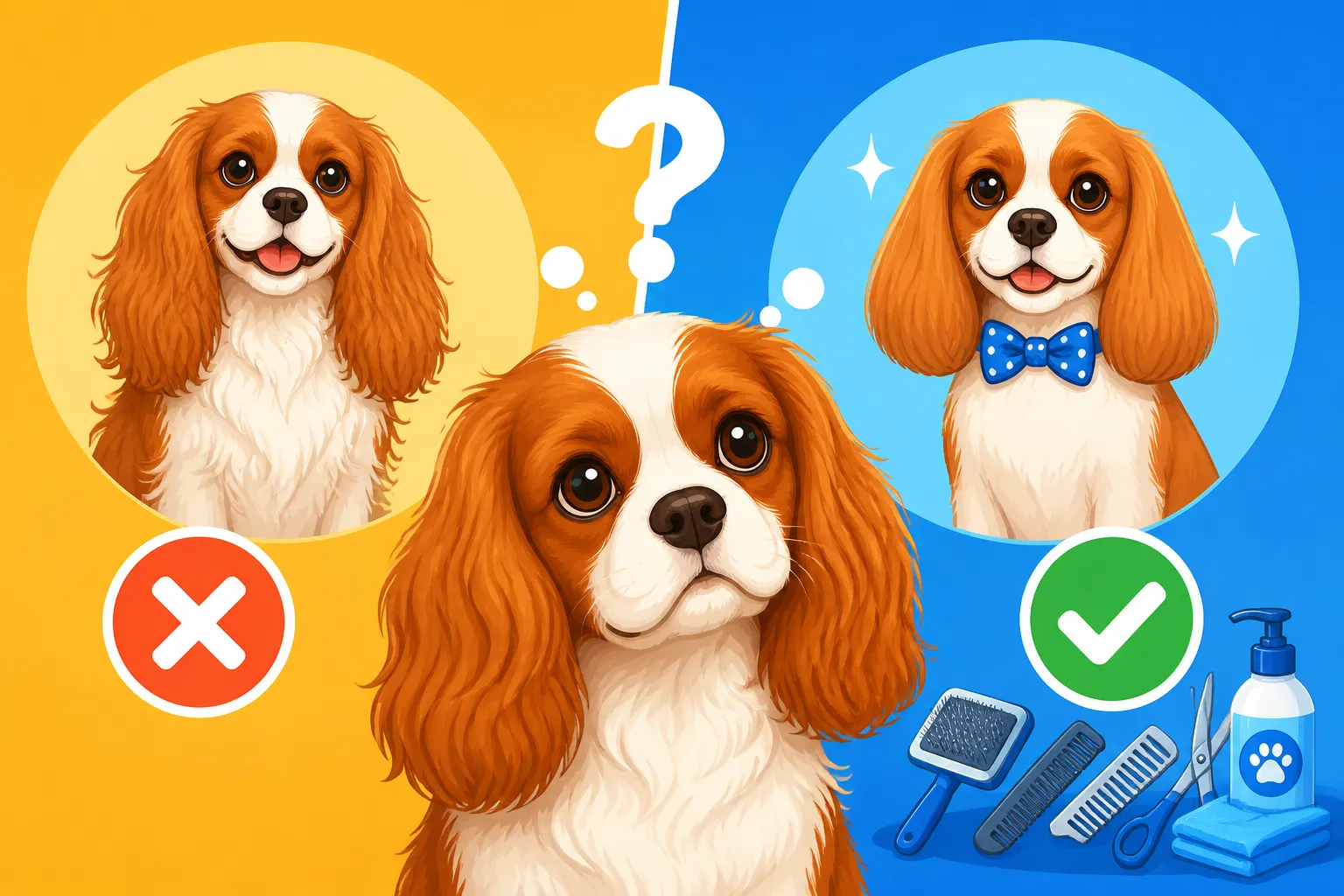
Whether a Cavalier Needs a Full Groom
It's a common question that swirls around new Cavalier owners, and even those who've loved these sweet dogs for years: "Does my Cavalier King Charles Spaniel need a full groom?" You see pictures of other breeds at the groomer, looking freshly clipped and shaped, and wonder if your fluffy companion needs the same. The truth is, the term "full groom" can be a bit misleading when it comes to Cavaliers, and understanding their unique coat is key to providing them with the right care without unnecessary stress or expense. This guide will walk you through what your Cavalier truly needs to stay comfortable, healthy, and looking their best, debunking myths and empowering you to make informed grooming choices.
Understanding the Cavalier Coat: What Does "Full Groom" Even Mean?
When people talk about a "full groom" for a dog, they often picture clippers and a significant haircut. For many breeds, especially those with continuously growing hair like Poodles or those with thick double coats like many Spitz breeds, this interpretation is spot on. However, the Cavalier King Charles Spaniel's coat is distinct, and understanding its nature is the first step in figuring out their grooming needs.
The Cavalier's Silky, Single Coat and Feathering
Cavaliers possess a beautiful, silky single coat, meaning they don't have the dense, insulating undercoat that many other breeds do. This is a crucial distinction because it impacts how they shed, how they tolerate temperature, and how they should be groomed. Their coat is designed to be soft to the touch, moderately long, and naturally wavy, with distinctive "feathering" on their ears, chest, legs, and tail. This feathering is what gives them their elegant, regal appearance. It's also the part of their coat that's most prone to matting and needs the most attention. Many owners admire these long, flowing locks, but they also bring specific care requirements.
Because it's a single coat, Cavaliers don't "blow coat" in the same dramatic way a Husky or a Golden Retriever might. They shed year-round, but it's usually a more moderate, manageable amount of fine hair. Regular brushing helps to capture this loose hair before it ends up on your furniture, keeping both your home and your Cavalier's coat healthier. Without this regular care, even a single coat can become a tangled mess, especially those delicate feathers.
The Myth of Shaving a Cavalier for Summer or Convenience
One of the most common misconceptions is that Cavaliers need to be shaved, either for summer comfort or simply because it seems easier to manage. This isn't usually the case, and in fact, shaving a Cavalier can often do more harm than good. Their single coat actually provides a degree of insulation against both heat and cold. When shaved down to the skin, they lose this natural protection, making them more susceptible to sunburn, heatstroke, and even feeling chillier in cooler weather. It's like removing the protective layer that helps regulate their body temperature.
Furthermore, a shaved Cavalier coat can sometimes grow back with a different texture, becoming coarser or more prone to matting, which is the opposite of what most owners want. The beautiful, silky feathering might not return to its original glory. While there are extreme circumstances where a vet might recommend a shave for medical reasons – severe matting that causes skin irritation, or to facilitate treatment for a skin condition – it should not be a routine grooming choice for a healthy Cavalier. Instead of reaching for the clippers, focus on the right kind of regular care to keep them comfortable.
What a "Full Groom" Actually Means for a Cavalier
So, if it doesn't mean shaving, what does a professional "full groom" typically entail for a Cavalier? It's less about drastic cuts and more about meticulous maintenance. A good groomer understands the breed standard and aims to enhance the natural beauty of the Cavalier's coat without altering its characteristic length or texture.
A Cavalier's "full groom" generally includes a thorough bath and conditioning treatment designed for their silky coat, followed by a professional blow-dry that helps to straighten and fluff the feathering. This makes brushing at home much easier. The groomer will then typically focus on tidying up rather than cutting significantly. This means: careful brushing and de-shedding to remove loose hair and minor tangles, trimming the hair around their paw pads, a sanitary trim around their rear end, and potentially neatening the tips of their ear and leg feathering to keep them from dragging or becoming too unwieldy. Nail trimming and ear cleaning are, of course, also standard parts of the service. It's about refinement and cleanliness, not transformation.
Essential Grooming for a Cavalier: Beyond the "Full Groom" Mentality
Rather than thinking about intermittent "full grooms," it's more beneficial to adopt a consistent routine of essential care for your Cavalier. Many of these tasks can be done at home, fostering a stronger bond with your dog and saving on professional grooming costs.
The Non-Negotiables: Brushing, Ears, and Nails
Three areas are absolutely critical for a Cavalier's well-being: their coat, their ears, and their nails. Neglecting any of these can lead to discomfort, pain, or serious health issues.
First up is brushing. Due to their long, silky feathering, Cavaliers are prone to matting, especially behind the ears, in the armpits, and around their hindquarters. Daily or at least three-times-a-week brushing is truly Brushing a Cavalier's Feathering Three Times a Week the key to preventing uncomfortable mats and keeping their coat soft and tangle-free. This isn't just about aesthetics; mats can pull on the skin, causing pain and even skin infections. A good slicker brush and a metal comb are your best friends here. You want to make sure you're getting down to the skin, not just skimming the top layer of the coat.
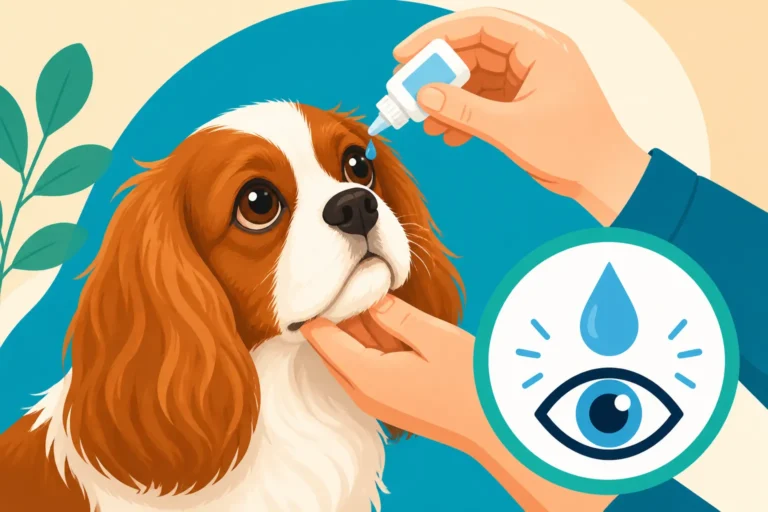
Next are those beautiful, floppy Cavalier ears. While they add to their charm, they also create a warm, moist environment perfect for yeast and bacteria to thrive, making ear infections a common ailment. Regular Cavalier Ear Care Under a Heavy Drop Ear checks and gentle cleaning are vital. Aim to check their ears daily for any redness, odor, or discharge. A vet-approved ear cleaning solution applied with a cotton ball (never a cotton swab deep in the canal!) can help keep them healthy. Keeping the hair around and inside the ear canal trimmed can also improve air circulation. If you notice persistent redness or a strong smell, it's time for a vet visit.
Finally, nail care often gets overlooked but is crucial. Long nails can cause discomfort when walking, lead to splayed toes, and even affect your Cavalier's posture and gait over time. Ideally, you should aim to trim your Cavalier's nails every 2-4 weeks, or whenever you hear them clicking on hard floors. If you're nervous about trimming, a groomer or vet tech can often do it quickly and safely. It's a small task that makes a huge difference to their long-term joint health and comfort. Cavalier Nail, Paw and Foot Feathering Care outlines the nuances of this often-dreaded task.
At-Home Care vs. Professional Touch-Ups
Many Cavalier owners find a hybrid approach works best: consistent at-home grooming supplemented with professional touch-ups. Doing the daily brushing, weekly ear checks, and regular nail trims yourself can significantly reduce the need for more extensive, and expensive, professional services. It also helps your dog become accustomed to handling, making vet visits and future grooming sessions less stressful.
When you do take your Cavalier to a professional groomer, their services can be invaluable for tasks you might not feel confident doing or simply don't have time for. This includes a thorough bath and blow-dry, which can be tricky to do at home without leaving them damp, and precise trimming of the sanitary areas or paw pads. A good groomer understands What a Cavalier Groomer Should and Should Not Cut to maintain the breed's natural look. You might schedule these professional visits every 6-8 weeks, depending on your Cavalier's coat growth and your at-home routine. For routine supplies, online retailers like Chewy offer a wide range of brushes, combs, ear cleaners, and nail trimmers that can support your at-home efforts.
Beyond the Basics: Sanitary Trims and Paw Pad Maintenance
While not as glamorous as their flowing locks, sanitary trims and paw pad maintenance are essential for hygiene and comfort. The hair around a Cavalier's rear end can easily become soiled, leading to discomfort, skin irritation, and unpleasant odors. A gentle trim of this area keeps it clean and tidy. You can do this with blunt-nosed scissors or a small, quiet trimmer.
Similarly, the hair between their paw pads can grow long, collecting dirt, debris, and even ice balls in winter. This can make walking uncomfortable and slippery. Trimming this hair flush with the paw pads helps keep their paws clean and provides better traction. Again, this is something you can learn to do carefully at home, or a professional groomer will include it in their routine tidying. These small acts of maintenance prevent bigger problems down the line, ensuring your Cavalier is comfortable from nose to tail and What a Cavalier Grooming Appointment Covers generally includes these vital areas.
When a Cavalier Might Need More Than Routine Care
Even with diligent at-home grooming, there are times when your Cavalier might need more specialized attention, whether due to matting, skin issues, or the challenges that come with aging. Recognizing these situations early can prevent minor issues from escalating.
Dealing with Mats: Prevention and Professional Intervention
Mats are a Cavalier owner's nemesis. They start as small tangles but can quickly become dense, painful clumps, especially in areas like behind the ears, in the armpits, and around the tail. Prevention is truly the best cure, which circles back to consistent brushing with the right tools. A slicker brush followed by a metal comb to check for tangles is the most effective approach. Pay particular attention to the areas where friction occurs, such as under a collar or harness, and in the feathering that touches the ground. Mats Behind a Cavalier's Ear Leather are a common trouble spot.
However, sometimes mats happen despite our best efforts. If you find a small mat, try to gently work it out with your fingers, a detangling spray, and a comb. Always hold the mat close to the skin to avoid pulling. For larger, tighter mats, especially those that are close to the skin or widespread, it's often best to consult a professional groomer or your veterinarian. Trying to cut out a deep mat yourself can be dangerous, as it's very easy to accidentally cut the skin beneath. A professional can often use specialized tools to carefully de-mat, or in severe cases, safely shave the matted area to relieve your dog's discomfort. Remember, a shaved area is temporary relief to prevent pain and skin issues, not a cosmetic choice.
Skin Conditions and Sensitive Coats
Cavaliers, like many breeds, can be prone to various skin conditions, from allergies to yeast infections, which can manifest as dry, flaky skin, redness, itching, or excessive shedding. These conditions often affect the coat's health and make grooming more challenging. If you notice your Cavalier constantly scratching, licking, or developing skin irritation, it's important to consult your vet. They might recommend specific medicated shampoos, dietary changes, or other treatments. Some Cavaliers might also benefit from specialized diets designed for sensitive skin, or supplements that promote skin and coat health, which brands like Ollie often formulate with high-quality ingredients.
For Cavaliers with sensitive skin, choosing the right grooming products is crucial. Opt for gentle, hypoallergenic shampoos and conditioners. Avoid harsh chemicals or heavily fragranced products that could exacerbate irritation. During grooming, be extra gentle with brushing and bathing to prevent further skin trauma. If your dog has recurrent issues like Recurrent Ear Infections in a Cavalier, your vet might suggest specific cleaning protocols or even dietary changes to manage underlying allergies.
Grooming Considerations for Senior Cavaliers
As Cavaliers age, their grooming needs can change. They might become less tolerant of long grooming sessions, develop arthritis or other mobility issues that make standing difficult, or have health conditions like heart murmurs that require careful handling. Grooming an Older Cavalier That Cannot Stand Long highlights these important considerations. For senior Cavaliers, prioritize comfort and safety. Shorter, more frequent grooming sessions might be better than one long one. Provide a non-slip surface to stand on, and offer breaks as needed.
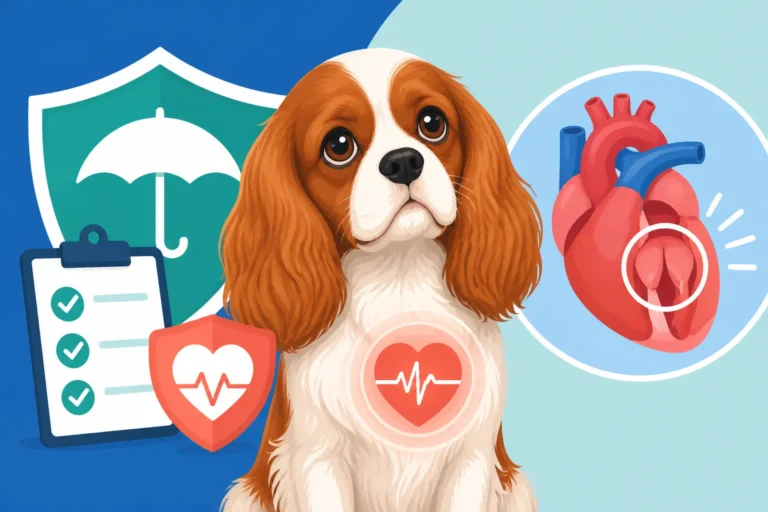
If your senior Cavalier has a heart murmur, always inform your groomer. They should be aware of any health conditions that might impact your dog's ability to tolerate stress or prolonged standing. For elderly dogs, regular professional grooming can be a huge help, as groomers have specialized tables and techniques to make the experience less physically demanding. Additionally, consider how pet insurance, such as Healthy Paws, can help cover unexpected vet bills that might arise from age-related health issues, some of which can impact grooming, such as skin conditions or severe matting due to an inability to self-groom effectively.
The Cost-Benefit of DIY vs. Professional Cavalier Grooming
Deciding whether to perform most grooming tasks yourself or rely on professional groomers often comes down to a balance of time, skill, and budget. Both approaches have their merits, and many Cavalier owners find a combination works best.
Time, Skill, and Supplies: The DIY Equation
Undertaking grooming at home requires a commitment of time and a willingness to learn the necessary skills. Brushing your Cavalier regularly, cleaning their ears, and trimming their nails are skills that can be learned with practice. There are countless online tutorials and even classes offered by pet stores or local trainers that can guide you. The initial investment in good quality tools – a slicker brush, a metal comb, nail clippers or a grinder, ear cleaner, and dog-specific shampoo and conditioner – can seem significant, but these items will last for a long time. Retailers like Chewy make it easy to find everything you need.
The main benefit of DIY grooming is the significant cost savings over time. What You Save Brushing a Cavalier Yourself can quickly add up, especially if you have multiple dogs or if your Cavalier requires frequent attention. It also allows for more frequent, shorter grooming sessions, which can be less stressful for your dog. Furthermore, it strengthens the bond between you and your Cavalier, as they learn to trust your handling. However, it does demand consistent effort and patience. If you're short on time or feel uncomfortable with certain tasks like nail trimming, delegating to a professional is a valid and often safer choice.
Understanding Professional Grooming Costs and Services
Professional grooming for a Cavalier typically involves a range of services, as discussed, focused on cleaning, de-shedding, and tidying rather than drastic cuts. The cost will vary based on your location, the specific groomer's rates, and the services you request. Generally, you can expect to pay a fee for a bath, brush-out, nail trim, ear cleaning, and light trimming of feathering and sanitary areas. Additional services, such as de-matting for neglected coats, might incur extra charges due to the time and skill involved.
When choosing a professional groomer, look for one who has experience with Cavaliers and understands the nuances of their coat. Ask about their approach to the feathering and ensure they won't shave your dog unnecessarily. A good groomer should prioritize your dog's comfort and health. While professional grooming does come with a cost, it provides convenience and expertise, especially for tasks that you might find challenging or time-consuming. It’s also important to factor in regular Cavalier Grooming Costs Every Six to Eight Weeks when budgeting for your dog. For those with busy schedules, or an older Cavalier who can't tolerate long home sessions, it's a valuable service.
Striking the Right Balance for Your Cavalier
Ultimately, whether your Cavalier "needs a full groom" depends on your definition of a full groom and your lifestyle. For most Cavaliers, a routine of consistent at-home care supplemented with professional maintenance every few months is ideal. This ensures their coat remains healthy and mat-free, their ears are clean, and their nails are trimmed, all without resorting to unnecessary shaving.
Consider what you can realistically commit to at home. If you enjoy the hands-on aspect of grooming and have the time, you can certainly handle most of your Cavalier's needs. If your schedule is packed, or if your Cavalier is particularly wiggly for nail trims, don't hesitate to seek professional help. The goal is always to keep your Cavalier comfortable, healthy, and happy, looking their best in their naturally elegant coat.
| Grooming Task | DIY Feasibility | Benefits of DIY | When Professional Help is Best |
|---|---|---|---|
| Brushing | High | Prevents mats, strengthens bond, costs less | When mats are severe, dog is uncooperative, for deep de-shedding |
| Ear Cleaning | High | Prevents infections, allows early detection | If redness/odor persists, suspected infection, difficult to manage |
| Nail Trimming | Medium | Prevents discomfort, cost-effective | If nails are overgrown, dog resists, risk of cutting quick |
| Bathing/Drying | Medium | Keeps clean, avoids professional fees | For thorough cleaning/drying, professional products/equipment |
| Sanitary Trim | Medium | Maintains hygiene, prevents soiling | For precise, safe trimming, especially for wiggly dogs |
| Paw Pad Trim | Medium | Improves traction, prevents debris accumulation | For precise, safe trimming, especially for wiggly dogs |
| De-Matting | Low (for severe) | Minimal for small tangles, avoids stress | For large, tight mats close to skin (safety first!) |
| Feathering Tidy-Up | Low | Minor trimming for appearance | For maintaining breed standard look, even length, expertise |
Disclaimer
This article is for general informational purposes only and does not constitute professional advice. Laws, prices and regulations vary by location and change over time. Consult a qualified professional for guidance on your specific situation.