Why Cavaliers Are Called Velcro Dogs
It’s a tale as old as time for Cavalier King Charles Spaniel owners: you get up from the sofa, and there they are, a little furry shadow trailing faithfully behind you to the kitchen, the bathroom, even just to grab a glass of water. If you've ever wondered why your beloved Cavalier seems attached at the hip, earning them the affectionate moniker "Velcro dogs," you're not alone. This deep dive will explore the fascinating reasons behind this charming, yet sometimes challenging, behavior and offer insights into managing it while cherishing the unique bond you share.
The Breed's Innate Companionship: A History of Closeness
Cavalier King Charles Spaniels weren't bred to hunt or herd in vast fields; they were bred for one primary purpose: companionship. Their very history is intertwined with human laps, beds, and royal chambers. This isn't just a cute quirk; it's deeply embedded in their DNA.
Born for the Lap: Historical Role
Imagine the grand courts of Europe, where the ancestors of today's Cavaliers were cherished members of the aristocracy. These little dogs were literally lap warmers, companions that would accompany their noble owners everywhere, from chilly castle halls to long carriage rides. They were often depicted in paintings, nestled in the laps of kings and queens, a testament to their role as intimate confidantes. This close physical proximity wasn't just tolerated; it was actively encouraged and sought after. They weren't expected to guard a castle or track game; their job was simply to be present, to offer comfort and affection. This historical role has shaped the Cavalier temperament profoundly. They learned, over generations, that their survival and happiness were directly tied to their closeness with their human family. The more present they were, the more they received in return – warmth, food, attention, and security.
The Spaniel Instincts Still Within: Desire to Be Close
While their working spaniel cousins were out flushing birds, Cavaliers developed a specialized "working" role of their own: companion. However, beneath the pampered facade, they still carry some of those foundational spaniel traits. Spaniels are generally known for being eager to please, attentive, and collaborative with their human partners. For a Cavalier, this translates into a powerful desire to be involved in whatever their human is doing. If you're gardening, they want to be sniffing nearby. If you're reading, they want to be curled up at your feet or on your lap. This isn't just about being spoiled; it's a deep-seated instinct to be part of the "pack" and to engage with their primary caregiver. They thrive on interaction and feel most secure when they are literally within arm's reach. This innate desire for presence and participation is a core reason why they seem to constantly seek out your proximity.
The Deep-Rooted Need for Proximity: Psychology of Attachment
Beyond their historical roots, there's a profound psychological aspect to why Cavaliers are such "Velcro dogs." They develop incredibly strong attachments to their families, seeing them as the center of their universe. This attachment is born from a blend of seeking comfort and constant reassurance.
The Comfort of Touch: Physical Closeness
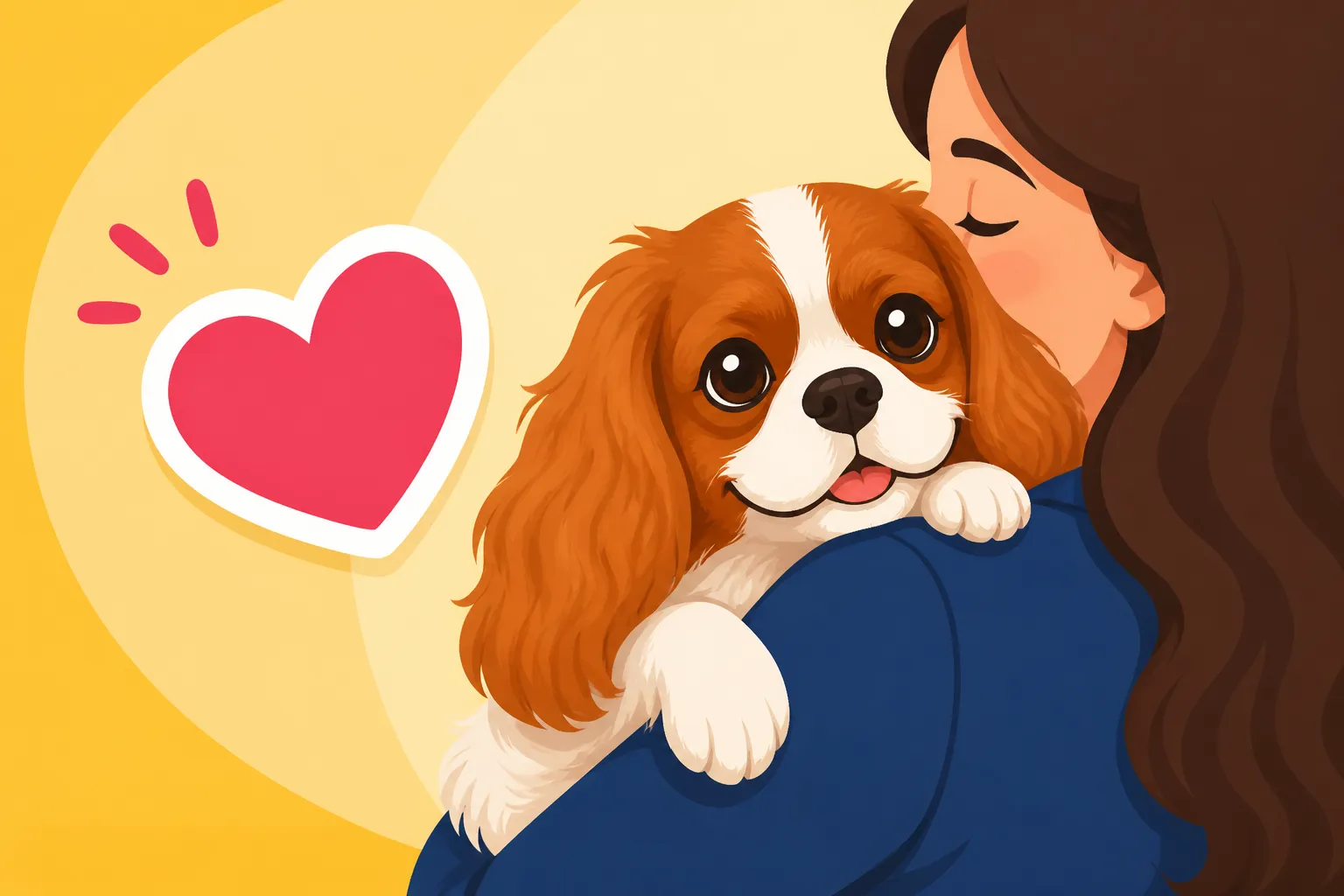
Cavaliers are highly tactile dogs. They adore physical touch, whether it's a gentle stroke, a belly rub, or just leaning against your leg. This isn't just about affection; it's a source of profound comfort and security for them. When a Cavalier is physically close to you, they feel safe and loved. This comfort mechanism likely stems from their puppyhood, where they nestled closely with their littermates and mother for warmth and reassurance. As they grow, their human family becomes the source of that same primal comfort. They often seem to melt into you when held, sighing contentedly, which is a clear indicator of how deeply they value this physical connection. For many Cavaliers, being able to feel your presence, even if you're not actively petting them, is enough to create a sense of well-being. This might manifest as them resting their head on your foot or simply pressing their side against yours while you work at a desk.
Seeking Reassurance: Emotional Dependence
Cavaliers are incredibly sensitive dogs, and they are masters at reading human emotions and body language. Because they are so attuned to their people, they often look to their owners for cues and reassurance. If you seem stressed or upset, your Cavalier might try to get even closer, as if to offer comfort or to seek confirmation that everything is okay. This emotional dependence means they want to be present to understand what's happening around them and to feel secure in their environment. A sudden loud noise, an unfamiliar visitor, or even just a change in your routine can make them seek out your protective presence. They rely on you as their anchor in the world, and being physically near you is their way of ensuring that anchor is always secure. This makes them wonderfully empathetic companions, but it also means they need to feel your consistent emotional support.
Manifestations of Velcro Behavior: How It Shows Up
The "Velcro" label isn't just an exaggeration; it's a precise description of how Cavaliers integrate themselves into their human families' lives. Their constant companionship takes many forms, from shadowing your every move to seeking endless cuddles.
Shadowing Your Every Move: Bathroom Trips, Kitchen Consultations
If you own a Cavalier, you've almost certainly experienced the phenomenon of having a furry little escort on your trips to the bathroom. You might open your eyes in the morning to find them staring at you, waiting patiently for you to stir. As soon as your feet hit the floor, their mission begins: follow. Whether you're heading to the kitchen for coffee, stepping outside to check the mail, or even just moving from one room to another, your Cavalier will often be right there, a step or two behind, sometimes even weaving between your legs. This isn't just curiosity; it's an intrinsic desire to remain within your orbit. They want to know what you're doing, where you're going, and to be available in case you might suddenly need them for a cuddle or a walk. It can be endearing, but also a tripping hazard, especially in a busy household! This constant shadowing is a prime example of their "Velcro" nature, demonstrating their unwavering focus on their primary human.
The Constant Cuddle Request: Lap Time, Leaning
Beyond simply following, Cavaliers are champions of physical affection. They don't just want to be near you; they want to be on you or leaning against you. The moment you sit down, you'll often find them attempting to hop onto your lap, no matter how small or crowded it might be. If a lap isn't available, they'll settle for pressing their entire body against your leg, or gently nudging your hand for pets. Some Cavaliers even master the "lean," where they put all their weight against you while you're standing, as if trying to merge into your being. This constant request for physical closeness is an essential part of their communication and connection. It’s their way of reaffirming the bond, soaking up your warmth, and expressing their deep contentment. For many owners, these persistent cuddle requests are one of the most beloved traits of the breed, a constant reminder of their dog's boundless love and devotion. They truly believe your lap is the best seat in the house.
A Cavalier That Cries in Another Room
While some Cavaliers are content to just be in the same room, others take their proximity needs a step further, vocalizing their distress if they find themselves separated, even by a simple doorway. Imagine you've settled into your home office for a quiet work session, and your Cavalier, who was just happily snoozing at your feet, suddenly realizes you've closed the door behind you. You might hear a soft whine, then a more insistent whimper, perhaps followed by a paw gently scratching at the door. This isn't always full-blown separation anxiety, but rather a manifestation of their strong desire to be included and to maintain that close physical connection. For them, a closed door can feel like a complete severing of the bond, even if you're just on the other side. They might pace, let out small cries, or even sigh dramatically until the barrier is removed. It can be heartbreaking to hear, especially when you know they're perfectly safe, but it's a testament to how deeply they feel their connection to you. Understanding that this vocalization often comes from a place of needing reassurance, rather than naughtiness, can help you respond with patience and gentle redirection.
When Clinginess Becomes a Concern: Separation Anxiety and Pain
While the "Velcro" trait is part of a Cavalier's charm, there's a fine line between a lovingly attached companion and a dog struggling with genuine distress when left alone. It's crucial for owners to recognize when normal clinginess might be escalating into something more serious, or when a sudden change in behavior could indicate an underlying health issue.
Distinguishing Normal Clinginess from Anxiety
Almost all Cavaliers will show some degree of clinginess; it's part of their genetic makeup. They prefer to be with you, and they might greet you enthusiastically even if you've only been gone for five minutes. However, true separation anxiety goes beyond a happy reunion. It's characterized by genuine panic and distress when left alone. Signs can include destructive chewing (especially around exits like doors or windows), incessant barking or howling, inappropriate urination or defecation indoors (even if they're otherwise house-trained), excessive drooling, or frantic attempts to escape their confinement. A normally clingy Cavalier might just wait by the door, maybe whimper a little, and then settle down. A Cavalier with separation anxiety is in a state of fear and panic, unable to calm themselves, and may even injure themselves trying to get out. It's not about being naughty; it's about a profound inability to cope with isolation. Signs a Cavalier Is Distressed When Alone can help you differentiate between mild protest and true anxiety. It’s important to watch for the severity and consistency of these behaviors.
Behavior Changes Signalling Pain or Discomfort
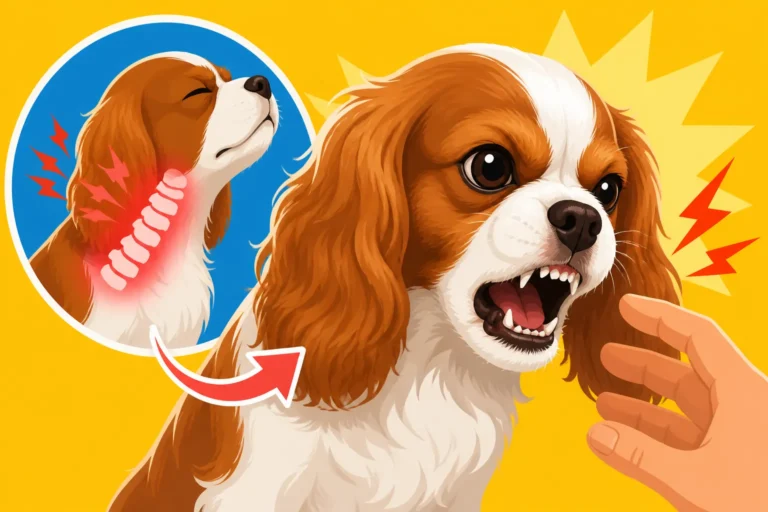
Sometimes, a sudden increase in clinginess or a change in your Cavalier's usual "Velcro" habits can be a red flag for an underlying medical issue. A dog in pain or discomfort might become unusually clingy because they are seeking reassurance and comfort from their primary caregiver. They might follow you even more closely, be reluctant to be left alone even for a moment, or appear more subdued and lethargic. For instance, if your normally active Cavalier suddenly refuses to jump on the sofa or shies away when you try to pick them up, then becomes excessively needy, it could be a sign of physical pain, perhaps in their neck or back. A Cavalier That Snaps Because Its Neck Hurts is a serious concern, as many Cavaliers are prone to conditions like Syringomyelia, which can cause chronic pain and neurological symptoms. Changes in temperament or a sudden intensification of clinginess should always warrant a vet visit to rule out any medical causes. Pain can drastically alter a dog's behavior, and addressing it promptly is key to their well-being.
Nurturing Independence and Healthy Attachment: Strategies for Balance
While we adore our Cavaliers' affectionate nature, it's also vital to foster a healthy sense of independence. This doesn't mean making them less loving; it means building their confidence and ability to cope calmly when they can't be by your side, preventing extreme anxiety while preserving that special bond.
Building Positive Alone Time: Gradual Steps
Teaching your Cavalier to be comfortable alone is a gradual process that focuses on positive experiences. Start small: leave the room for a minute or two, then return before they get distressed. Don't make a big fuss when you leave or return; keep it low-key. As they get comfortable, slowly increase the duration. Provide a high-value chew toy or a puzzle feeder filled with something truly delicious (like peanut butter or frozen yogurt) right before you step out, creating a positive association with your departure. The idea is for them to be happily engrossed in their treat, barely noticing you've gone, rather than staring at the door. Some owners find that having background noise, like a radio or a TV, can help muffle outside sounds and provide a sense of presence. The goal is to build their resilience incrementally, helping them understand that your absence is temporary and not a cause for panic. This gentle desensitization helps them feel secure even when you're not within sight.
Crate Training as a Safe Haven
For many Cavaliers, a properly introduced crate can become their personal den, a safe and comfortable space where they feel secure when left alone. It's not a punishment; it's their quiet retreat. Start by making the crate inviting with soft bedding, favorite toys, and delicious treats. Feed meals in the crate with the door open, slowly increasing the time the door is closed while you're still present. Never force them in or use it for punishment. When you begin leaving them in the crate for short periods, ensure they have something safe and engaging to occupy them, like a long-lasting chew. The crate provides a defined, secure space that can reduce anxiety by limiting their ability to pace frantically or engage in destructive behaviors around the house. It's a structured approach to giving them a sense of security and containment. Choosing a Crate a Cavalier Will Rest In is about finding the right fit and making it a positive experience from the start.
Enrichment When You're Away
When you do need to leave your Cavalier alone, providing appropriate mental and physical enrichment can make a world of difference. A tired dog is a good dog, so ensure they get a decent walk or play session before you leave. This helps burn off excess energy and promotes a calm state. Beyond physical exercise, mental stimulation is key. Interactive puzzle toys, such as those that dispense treats, can keep their minds engaged and distract them from your absence. These can be found readily on platforms like Amazon. LickiMats, spread with a favorite spread and frozen, can provide a long-lasting calming activity. Some owners also find calming supplements or pheromone diffusers helpful for anxious Cavaliers, especially in conjunction with training. Calming Supplements for an Anxious Cavalier can be a useful discussion to have with your vet. The goal is to make their solo time less about waiting for you to return and more about enjoying a positive, engaging experience.
Living Happily with Your Velcro Cavalier: Embracing the Bond
Ultimately, living with a "Velcro dog" means accepting and embracing a fundamental aspect of their breed's charm. While it's important to foster independence, it's equally important to appreciate the unparalleled devotion and affection they offer, finding a balance that works for both of you.
Embracing the Bond: Acceptance
One of the most wonderful things about owning a Cavalier is their unwavering affection and desire to be close. Instead of viewing their "Velcro" tendencies as a nuisance, try to embrace them as a unique and precious aspect of their personality. These dogs live to love and be loved, and their constant presence is a testament to the deep bond they feel with you. Acknowledging their need for closeness doesn't mean letting them rule your life, but it does mean appreciating that their world revolves around you. Many owners find immense comfort and joy in this constant companionship. It's perfectly okay to cherish the fact that your Cavalier wants to be with you every moment; it's a profound expression of their devotion. So, next time your furry shadow follows you to the laundry room, take a moment to offer a quick pet and appreciate that unique Cavalier connection.
Setting Healthy Boundaries: Gentle Redirection
While embracing their clingy nature, it's also important to set gentle boundaries to prevent codependency and ensure they can cope when you truly need space. This isn't about punishment, but about teaching them polite ways to be near you without being underfoot. For example, you can teach a "place" command, encouraging them to lie on a designated mat or bed in the same room while you're busy. Reward them heavily for settling there calmly. If they try to hop on your lap when you're working, gently redirect them to a dog bed beside your chair instead. Don't push them away harshly; simply guide them to an alternative, comfortable spot nearby. This teaches them that proximity is still welcome, but on your terms. Consistency is key here. Every time you enforce a boundary calmly and kindly, you're helping them understand expectations and build a little more self-assurance in your presence.
Tools and Resources for a Harmonious Home
There are plenty of practical tools and resources that can help both you and your Cavalier live harmoniously with their "Velcro" tendencies. For instance, consider investing in a few good-quality dog beds placed in different rooms where you spend a lot of time. This gives your Cavalier a designated, comfortable spot to be near you without constantly demanding to be on your lap. For meal times or when you're relaxing with a snack, a snood can be a lifesaver, keeping those long, beautiful ears out of their food bowl (and yours!). You can find a wide variety of these practical items on platforms like Amazon. If you're struggling with more pronounced separation distress, seeking guidance from a professional dog trainer or behaviorist can be incredibly helpful. Online platforms like BAXTER & Bella offer comprehensive, positive-reinforcement-based training programs that can address issues like alone time comfort, building confidence, and general obedience, all designed to strengthen your bond in a healthy way.
Here’s a quick overview of distinguishing normal clinginess from separation anxiety:
| Behavior Trait | Normal Cavalier Clinginess | Separation Anxiety |
|---|---|---|
| When it Occurs | Mostly when you're home, seeking proximity and attention. | Specifically when left alone (or anticipates being left alone). |
| Intensity of Distress | Mild whining, sighing, following. Settles when you return. | Panicked barking/howling, destructive chewing, frantic escape attempts. |
| Destructive Behavior | Minimal, might chew a toy if bored but not destructive to home. | Destroys doors, windows, furniture; self-harm possible. |
| House Soiling | Rare, only if truly cannot hold it or due to illness. | Frequent urination/defecation when alone, even if house-trained. |
| Physiological Signs | Relaxed body language when near you. | Excessive drooling, panting, trembling, pacing when alone. |
| Response to Return | Happy greetings, excited wiggles. | Over-the-top, frantic greetings; may ignore you briefly, then cling. |
This table can serve as a quick reference point as you observe your Cavalier's behavior. Remember, every dog is an individual, but these general guidelines can help you assess whether you're simply enjoying a devoted companion or if your Cavalier might need some extra support to manage their emotions when you're not around.
The "Velcro dog" reputation of the Cavalier King Charles Spaniel is truly well-earned. Their history, their deep emotional needs, and their natural inclination towards companionship all contribute to this endearing trait. By understanding the roots of their clinginess, recognizing when it might tip into anxiety, and implementing strategies to build healthy independence, you can ensure a harmonious and loving relationship with your devoted Cavalier.
Disclaimer
This article is for general informational purposes only and does not constitute professional advice. Laws, prices and regulations vary by location and change over time. Consult a qualified professional for guidance on your specific situation.