Whether a Cavalier Guards Anything
It’s a common misconception that because Cavaliers are so famously sweet-natured, they don't guard anything at all. Many owners are surprised or even a little concerned when their normally gentle Cavalier starts showing possessive tendencies over a favorite toy, a prime spot on the sofa, or even their human's lap. This guide will explore the nuances of guarding behavior in Cavalier King Charles Spaniels, helping you understand what it looks like, why it happens, and how to manage it with kindness and consistency.
Understanding the Cavalier Temperament Baseline
Cavalier King Charles Spaniels are renowned for their affectionate, docile, and eager-to-please dispositions. They are, after all, bred purely for companionship. However, even the most angelic Cavalier is still a dog, and dogs, by their very nature, can exhibit behaviors rooted in instinct. The key is understanding how those instincts manifest in a breed designed for snuggles, not security.
The 'Merry Cavalier' – A Historical Context
When you delve into the history of the Cavalier, you quickly realize they were never intended to be guard dogs. Their lineage traces back to the charming lap dogs cherished by European nobility, particularly by King Charles II. These dogs were literally bred to be companions, warming laps and providing comfort. They were part of the household, not protectors of it. Their purpose was to be amiable and easily handled, thriving on human interaction above all else. This historical role has deeply ingrained a friendly and adaptable temperament into the breed. You can read more about their origins in The Court Spaniels the Cavalier Descends From.
Unlike breeds developed for hunting, herding, or protection, the Cavalier's traits were selected for their ability to bond deeply with people and be content in a domestic setting. This means that while they might alert you to a stranger's presence with a bark, their instinct is rarely to stand their ground aggressively or prevent entry. Their "merry" disposition means they're often more likely to greet a newcomer with a wagging tail than a warning growl.
Why Cavaliers Are Not Your Typical Guard Dog
Simply put, a Cavalier King Charles Spaniel lacks the physical attributes and inherent behavioral drives that define a true guard dog. They are a small breed, typically weighing between 13 to 18 pounds, which immediately makes them less intimidating than larger breeds often chosen for protection work. Beyond their size, their primary social instinct is affiliation, not defense.
True guard dogs are usually characterized by strong territorial instincts, a suspicious nature towards strangers, and a formidable physical presence. Cavaliers, on the other hand, are often described as having no concept of personal space or a stranger being a threat. They adore people, often embracing new acquaintances with an open heart. This eagerness to socialize, combined with their gentle nature, means they rarely possess the intrinsic motivation to actively "guard" property or people in an aggressive, protective manner. They're more likely to bark at the mail carrier because they're excited someone is at the door, rather than because they feel the need to defend their home.
The Desire to Please and Form Strong Bonds
One of the most defining characteristics of a Cavalier is their intense desire to please their human companions. This trait is often referred to as being a "Velcro dog" because they stick so closely to their owners. This strong bonding instinct and their eagerness to gain approval greatly influence their behavior, often overriding any nascent guarding tendencies that might surface. A Cavalier thrives on positive attention and affection. If a behavior doesn't earn them a favorable response from their beloved human, they are less likely to repeat it.
This inherent drive to connect and maintain close proximity means that even when a Cavalier does exhibit a form of guarding, it's often more about maintaining their connection or securing a perceived valued resource within their comfort zone, rather than genuinely threatening anyone. Their loyalty and devotion are profound, which can sometimes be mistaken for guarding when it's actually an expression of their deep attachment. You can learn more about this clingy nature in Why Cavaliers Are Called Velcro Dogs.
Exploring Different Types of Guarding Behavior
While Cavaliers aren't traditional guard dogs, they can, like many breeds, display behaviors that fall under the umbrella of "guarding." It's crucial to differentiate these nuanced behaviors from the aggressive, territorial guarding seen in breeds specifically bred for protection. For Cavaliers, these actions are often rooted in resource protection or a deep bond with their person, rather than outright aggression towards intruders.
Resource Guarding (Food, Toys, Space)
Resource guarding, sometimes called "possessive aggression," is when a dog displays behaviors meant to prevent others from approaching or taking a valued item. This "item" could be anything from a special chew toy, a food bowl, a favorite bed, or even a particular spot on the sofa. In Cavaliers, this might look like:
- Freezing or stiffening: When you approach their food bowl or a coveted chew, they might suddenly stop what they're doing and become very still.
- Growling or snarling: A low growl or snarl might be given as a warning if you get too close to their treasure.
- A quick snap or bite: In more severe cases, or if warnings are ignored, a Cavalier might snap or even bite if they feel their resource is genuinely threatened.
- Running away with the item: Sometimes, a Cavalier might grab the item and run to a secluded spot to enjoy it without perceived interference.
It's important to understand that resource guarding isn't about being "mean" or "dominant." It's often an instinctive behavior stemming from a dog's fear of losing something valuable. In a Cavalier, whose core personality is usually gentle, even mild resource guarding can be distressing for owners. They might learn it early if they had to compete for food or toys in a litter, or it can develop later in life.
Positional or Lap Guarding
This form of guarding is quite common in Cavaliers and often manifests because of their strong bond with their owners. Positional guarding occurs when a Cavalier becomes possessive of a specific spot, most notably your lap or a comfortable place on the couch next to you. They might not want another pet, or even another family member, to approach that coveted spot.
Signs of positional guarding can include:
- Staring intently: They might fix their gaze on the approaching person or pet, sending a clear "back off" signal.
- Body blocking: Physically moving their body to obstruct access to your lap or a particular chair.
- Growling or low rumbles: A quiet growl when another family member tries to sit near you or touch your Cavalier while they are on your lap.
- Snapping or nipping: In rarer, more intense cases, they might snap at a hand reaching towards them or at another pet attempting to share the space.
This behavior is usually an extension of their deep attachment and desire to monopolize your attention and affection. They view your lap as their prime real estate, a place of comfort and security that they don't want to share. It's not about protecting you from harm, but about securing their preferred position and access to your petting. Learning about Lap Guarding When a Cavalier Sits With You can provide further insights.
Territorial Barking vs. Guarding
Many dogs bark when someone approaches the house, the doorbell rings, or a new person enters. This is often simply an alert behavior—they are notifying you that something new is happening. True territorial guarding involves an intention to repel the perceived intruder, usually through aggressive displays like lunging, snarling, or physically blocking.
For a Cavalier, barking at the doorbell or a person passing by the window is almost always alert barking or attention-seeking behavior, not territorial guarding. They might bark excitedly because:
- They're eager to greet: They anticipate a new person bringing pets or treats.
- They're bored: Barking provides an outlet for energy or gets your attention.
- They're startled: A sudden noise or appearance can elicit a bark, which quickly subsides.
- They want you to interact: They've learned that barking gets a reaction from you, whether it's looking out the window or telling them to be quiet.
While a Cavalier might bark quite vociferously at a delivery person, their next action is almost always to greet them enthusiastically, not to prevent them from entering. They lack the inherent suspicion and protective drive of true guard breeds. Understanding Why a Cavalier Announces Everyone Who Walks Past can help clarify this common behavior.
Common Scenarios Where 'Guarding' Might Appear
Understanding when and where a Cavalier might exhibit guarding-like behaviors is just as important as knowing what those behaviors are. These situations often highlight the environmental factors and learned associations that can trigger possessiveness, even in the most mild-mannered Cavalier.
New Puppy Resource Guarding
It might seem counterintuitive for a tiny, innocent Cavalier puppy to show signs of guarding, but it can happen. Puppies, even from well-bred litters, can instinctively guard resources. This often stems from:
- Litter dynamics: In a large litter, puppies might learn to gobble food quickly or hold onto toys to ensure they get their share. This competitive dynamic can carry over to their new home.
- High-value items: Certain items, like a particularly tasty chew or a favorite squeaky toy, can trigger a possessive response. A puppy might pick up a valuable item and immediately run off to a secluded corner, hunch over it, and perhaps even offer a soft growl if you try to approach.
- Lack of early positive association: If a puppy isn't taught early on that humans approaching their food or toys means good things (like more treats or an even better toy), they might default to guarding.
For example, a new Cavalier puppy might be happily chewing a bully stick on their bed. If you reach down to pet them, they might freeze, give a quick stare, or even a soft growl. This isn't necessarily a sign of aggression; it's a puppy instinctively saying, "This is mine, and I don't want you to take it." Early intervention with positive reinforcement is key to addressing this.
Older Cavalier and Positional Guarding
As Cavaliers age, some can become more prone to positional guarding, especially of their favorite human or a cherished spot. This can be due to a variety of factors:
- Deepening bond: Years of companionship can solidify their attachment, making them more possessive of their main source of comfort and security—you.
- Pain or discomfort: An older Cavalier might develop arthritis, back pain, or conditions like syringomyelia. If they are in pain, they might be less tolerant of other pets or people bumping into them or trying to share their space. A dog in discomfort might snap or growl not out of aggression, but because they anticipate pain from being moved or touched. If your normally tolerant Cavalier suddenly shows guarding behaviors, especially when handled or moved, it's crucial to consider a veterinary check-up. More on this can be found in A Cavalier That Snaps Because Its Neck Hurts.
- Changes in household dynamics: The arrival of a new pet, baby, or even a new routine can make an older Cavalier feel less secure and more inclined to guard their perceived safe havens.
An older Cavalier, perhaps one who has always been a "lap dog," might start growling at the family cat if it attempts to jump onto the sofa where they are resting. Or they might give a disapproving look if your partner tries to sit between you and them. This isn't usually aggressive; it's a clear communication of their preference for sole access to their beloved human.
Guarding Against Other Pets or Children
In multi-pet households or homes with children, Cavaliers can sometimes display guarding behaviors directed towards these other family members, particularly over toys, food, or human attention.
- Toy guarding: If your Cavalier has a favorite squeaky toy or a long-lasting chew, they might become possessive if another dog or a child attempts to take it. They might dart away with the toy, crouch over it, or even give a low growl to communicate "mine."
- Food guarding from other pets: While less common if dogs are fed separately, a Cavalier might guard their food bowl if another pet approaches too closely during mealtime. This is often an innate instinct to protect a vital resource.
- Attention guarding from children: A Cavalier might sometimes try to insert themselves between a child and an adult, or nudge a child away, seeking sole access to pets and attention. This is more about seeking connection than active aggression.
- Guarding from puppies: An adult Cavalier might display guarding behaviors towards a new puppy, especially if the puppy is overly enthusiastic and tries to take their toys or invade their personal space.
It's vital to teach both the Cavalier and children appropriate boundaries. For instance, children should be taught never to approach a dog while it's eating or resting with a valued item. Similarly, positive reinforcement can teach the Cavalier to share or trade willingly.
Addressing and Managing Guarding Tendencies
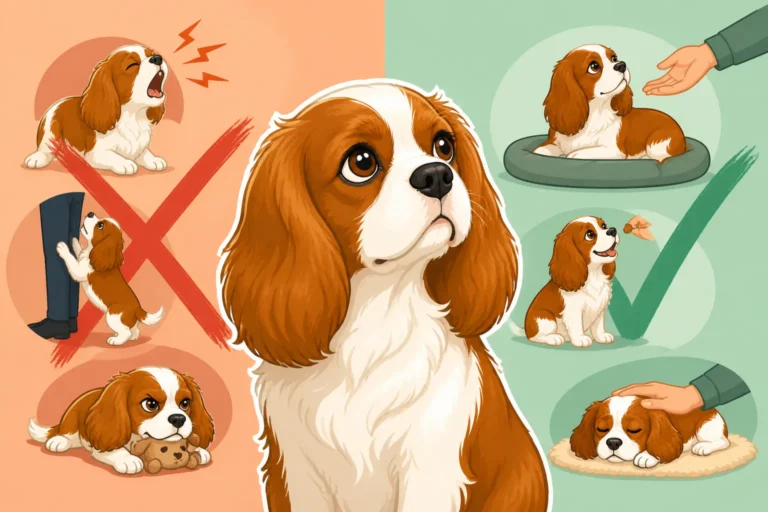
When you notice guarding behaviors in your Cavalier, the impulse might be to punish them, but this is rarely effective and can often make the situation worse. The goal isn't to suppress the behavior through fear, but to change the underlying emotional response to the presence of others near their resources. Positive reinforcement and careful management are your best tools.
Positive Reinforcement for Resource Guarding
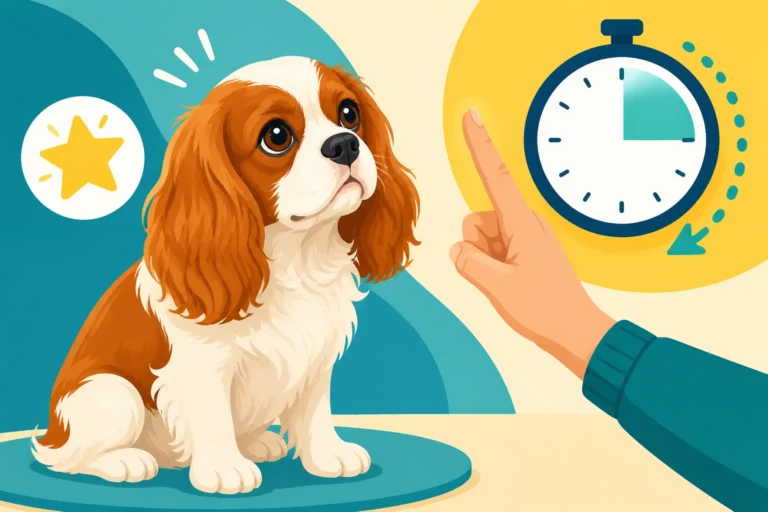
The most effective way to address resource guarding is to teach your Cavalier that people approaching their valued items means good things happen. This changes their emotional association from "threat" to "opportunity."
Here’s a general approach:
- Identify High-Value Rewards: Figure out what your Cavalier loves even more than the item they are guarding. Is it a special treat? A different toy?
- The "Trade" Game:
- Start with a low-value item they are guarding, and you have a much higher-value treat.
- Approach them, toss the treat near them (not taking their item yet), and praise them when they eat it.
- Repeat this several times in short sessions over days.
- Once they happily associate your approach with treats, present the high-value treat, say "trade," and as they take the treat, gently pick up the guarded item. Immediately give the guarded item back. This teaches them that giving up an item leads to an even better reward and they get their item back.
- Gradually increase the value of the items they are guarding as you progress.
- Approaching Food Bowls: While your Cavalier is eating, occasionally walk by and drop an even tastier treat into their bowl. This teaches them that your approach isn't to take their food, but to add to it. This can be done with treats bought from Amazon, ensuring they are high-quality and safe for dogs.
- Avoid Confrontation: Never try to physically pry an item from a guarding Cavalier's mouth, especially if they are growling or snapping. This can escalate the situation and teach them to escalate their guarding in response.
Consistency is key. Every interaction around their resources should reinforce the idea that humans are generous, not threats. For more guidance on this training style, look into resources that champion Reward-Based Training With a Cavalier.
Managing Positional Guarding Gently
Positional guarding often stems from your Cavalier's deep desire for your attention and presence. Management and gentle redirection are more effective than punishment.
- Establish "Place" or "Mat" Training: Teach your Cavalier a "place" command, where they go to a specific bed or mat and stay there calmly. This gives them an alternative, comfortable spot to rest when you want to invite another person or pet onto your lap or sofa. Use positive reinforcement to make their "place" a rewarding experience.
- Controlled Invitations: Instead of letting your Cavalier automatically jump onto your lap, ask them to sit first, then invite them up. This sets the precedent that you control access to the lap.
- "Break Up" the Cuddle Session: If your Cavalier starts to stiffen or growl when someone approaches while they're on your lap, calmly stand up. This gently breaks the dynamic without scolding the dog. Once they're off your lap, you can call the other person or pet over, then perhaps invite your Cavalier back up after a moment, if the situation feels calm.
- Rotate Affection: Ensure all family members and pets receive affection from you. Don't allow your Cavalier to monopolize your attention, especially if it leads to guarding.
- Identify Triggers: Pay attention to when the guarding occurs. Is it only with certain people or pets? Only with specific types of touch? Understanding the triggers helps you anticipate and manage the situation better.
This approach reinforces that your affection is not a resource to be guarded, but something freely given and shared.
Professional Help for More Serious Cases
While many mild guarding behaviors can be managed with consistent positive reinforcement at home, some cases require professional intervention. If your Cavalier's guarding involves:
- Frequent snapping or biting: Any bite that breaks skin or leaves a mark, or frequent snappiness, warrants immediate professional attention.
- Escalating aggression: If the growling or stiffening is becoming more intense or occurring more often.
- Guarding towards multiple resources or people: If the behavior isn't just about one toy, but extends to many items, spaces, or people.
- Fear-based guarding: If you suspect the guarding is rooted in fear or anxiety, which can be more complex to address.
A certified professional dog trainer or a veterinary behaviorist can help you assess the root cause of the behavior, develop a tailored modification plan, and provide hands-on guidance. They can observe your Cavalier in action and help you understand the nuances of their communication. Online platforms like BAXTER & Bella offer comprehensive dog training programs that emphasize positive reinforcement and could be a good starting point for foundational skills before seeking in-person help for specific issues. Remember, seeking help early can prevent the behavior from becoming more deeply ingrained and harder to change.
Preventing Guarding Behavior from Developing
The best defense against guarding behavior is a good offense! By implementing proactive strategies from puppyhood, you can help instill confidence, trust, and a willingness to share in your Cavalier. Prevention focuses on building positive associations and clear communication.
Early Socialization and Handling
Socialization is more than just letting your puppy meet other dogs; it's about exposing them to a wide variety of positive experiences with people, places, sounds, and textures. For preventing guarding, specific types of socialization are key:
- Handling exercises: Regularly and gently handle your Cavalier's paws, ears, tail, and mouth from a young age. Pair this with treats and praise. This teaches them that being touched in various ways is a pleasant experience, not something to guard against.
- Positive interactions with strangers: Ensure your puppy has many positive, low-stress interactions with different types of people—men, women, children, people wearing hats or glasses. Each positive interaction builds their trust and reduces the likelihood of them feeling the need to guard against unfamiliar individuals.
- Exposure to different environments: Taking your puppy to various safe places (e.g., parks, pet-friendly stores, friends' homes) helps them become adaptable and less likely to feel threatened by new surroundings.
A well-socialized Cavalier is a confident Cavalier, and confidence often reduces the need for guarding. You can learn more about this in Socializing a Cavalier Puppy Gently.
The Importance of "Trade" Games
As mentioned earlier, the "trade" game is crucial not just for managing existing resource guarding, but for preventing it in the first place. Start this game from the moment you bring your Cavalier puppy home.
- Introduce a safe chew or toy: Give your puppy a chew toy they enjoy.
- Offer a higher-value treat: After a minute or two, approach them and offer a delicious treat (like a small piece of cheese or cooked chicken) right next to their nose.
- Say "trade" as they take the treat: As they lift their head to take the treat, gently pick up the chew toy.
- Immediately give the chew back: As soon as they've eaten the treat, hand the chew toy back to them.
- Repeat, repeat, repeat: Practice this many times a day, with various items and different treats.
The goal is to teach your Cavalier: "When a human takes my stuff, something even better happens, and I usually get my stuff back anyway!" This builds incredible trust and makes them less likely to guard, as they learn that your presence means gain, not loss. This also applies to food; occasionally dropping a super yummy treat into their food bowl while they're eating helps them associate your presence with more goodness.
Consistent Training and Boundaries
Even the sweetest dogs benefit from clear rules and consistent boundaries. This doesn't mean being harsh; it means being clear and predictable using positive reinforcement.
- Teaching "leave it" and "drop it" commands: These are invaluable for managing resources. "Leave it" teaches your Cavalier to ignore an item, while "drop it" teaches them to release an item they already have. Practice these commands frequently with various items.
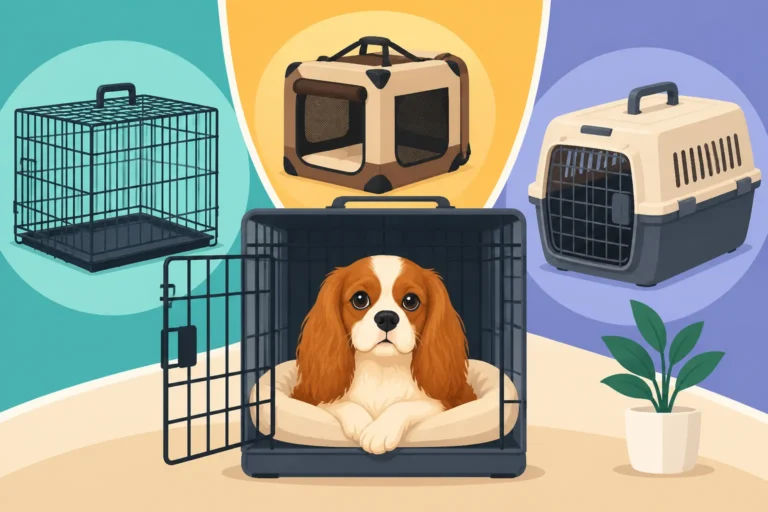
- Designated resting spots: Ensure your Cavalier has their own bed or crate where they can retreat and feel secure. Teach them to go to their "place" on command. This helps manage positional guarding as they have a clear, safe alternative to your lap.
- Management of resources: Don't leave high-value items lying around unsupervised, especially if you have multiple pets or small children. Put away special chews or toys when you can't actively supervise interactions.
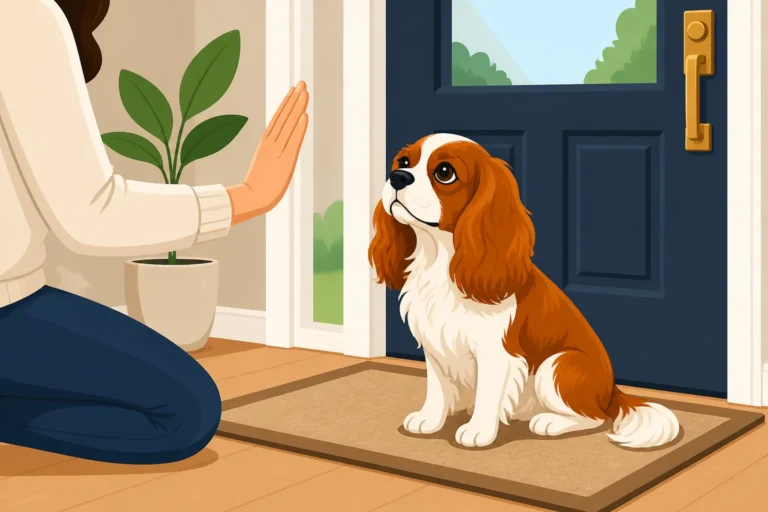
- Teaching self-control: Incorporate exercises that build impulse control, like waiting for their food bowl, waiting at the door, or waiting for a toy to be released. These small acts of self-control contribute to a dog who is generally less impulsive and less likely to resort to guarding.
By establishing these boundaries and routines early, you help your Cavalier understand the household rules, reducing any perceived need for them to take matters into their own paws. This overall approach aligns well with general Cavalier temperament and can make them an easy first dog for new owners.
Distinguishing Guarding from Other Behaviors
Sometimes, what appears to be guarding behavior in a Cavalier might actually be something else entirely. It's crucial to correctly identify the root cause, as the approach to management and training will differ significantly depending on whether the behavior is true possessiveness, fear, pain, or simply attention-seeking.
Fear-Based Reactions
A Cavalier, despite their generally friendly nature, can be prone to anxiety or fear in certain situations. When a fearful dog feels threatened or overwhelmed, they might display behaviors that look like guarding, but are actually defensive.
- Hiding and growling: A fearful Cavalier might retreat under furniture or into a corner with an item and growl if approached, not because they are possessive, but because they are scared and want to be left alone.
- Snapping out of panic: If cornered or startled while feeling vulnerable (e.g., while sleeping), a fearful Cavalier might snap. This isn't about guarding a resource but about a sudden, instinctual reaction to a perceived threat.
- Guarding a safe space: A very anxious Cavalier might become possessive of their crate or bed, treating it as their only safe haven, and react negatively if someone tries to invade that space.
Recognizing the subtle signs of fear – flattened ears, tucked tail, lip licking, yawning, avoidance – is important. If the behavior seems to stem from insecurity rather than resource protection, the training approach shifts to building confidence and creating a safe environment, often with the help of a professional behaviorist.
Pain-Induced Behavior Changes
This is a critically important distinction for Cavalier King Charles Spaniels, given their breed-specific health predispositions. A Cavalier suffering from pain or discomfort can exhibit changes in behavior that mimic guarding. They might become reluctant to be touched, handled, or moved, and could even growl or snap if someone attempts to do so.
Common pain-related issues in Cavaliers that can manifest as "guarding" include:
- Syringomyelia (SM): This neurological condition, where fluid-filled cavities develop in the spinal cord near the brain, can cause intense neck and shoulder pain. A Cavalier with SM might yelp when picked up, or become extremely sensitive around their head and neck, sometimes guarding their head position or a favorite sleeping spot where their head is elevated. A Cavalier That Yelps When Picked Up is a common symptom. They might snap if someone reaches for their collar or tries to pet their head.
- Arthritis or joint pain: Older Cavaliers can develop arthritis in their hips, knees, or spine. If a dog is sore, they might guard their resting place, not wanting to be nudged or disturbed, as movement can cause pain. They might also react if someone tries to make them move from a comfortable position.
- Dental pain: Severe dental disease can cause significant mouth pain. A Cavalier might guard their food bowl less out of possessiveness and more because eating is painful, and they don't want anything to exacerbate that discomfort.
- Ear infections: Chronic ear infections, which Cavaliers are prone to due to their drop ears, can be incredibly painful. A dog with an ear infection might guard their head or become defensive if someone attempts to touch their ears.
If your Cavalier suddenly develops guarding behaviors or seems to guard specific body parts, particularly if there's no previous history of resource guarding, a thorough veterinary examination is paramount. Ruling out underlying medical conditions is always the first step.
Attention-Seeking Behavior
Sometimes, a Cavalier's "guarding" is actually a very clever (or perhaps not so clever) way to get your attention. Cavaliers thrive on human interaction, and if they're not getting enough, they might resort to behaviors that elicit a response from you, even a negative one.
- Barking at the door and looking at you: While this can be alert barking, if your Cavalier barks at the door, then immediately looks to you for a reaction (e.g., you say "quiet," you go to the door), they've learned that barking gets your attention.
- Nudging or pawing at other pets/people: If your Cavalier nudges another pet off your lap, and you then immediately pet or pick up your Cavalier, they've learned this behavior gets them what they want.
- "Stealing" an item and waiting for pursuit: A Cavalier might grab a non-forbidden item (like a sock) and run off with it, not to guard it, but because they know you'll chase them, making it a fun game of attention and interaction.
The key to addressing attention-seeking is to ignore the unwanted behavior (if safe to do so) and profusely reward calm, desired behaviors. For instance, if they bark for attention, turn your back. When they are quiet, then reward them. This teaches them that calm behavior gets results, not frantic or "guarding" acts.
By carefully observing your Cavalier's body language and considering all potential underlying causes, you can better understand why they might be exhibiting certain behaviors and choose the most appropriate and humane approach to address them.
| Behavior Observed | Common Interpretation (in Cavaliers) | Possible Root Cause(s) | Recommended Approach |
|---|---|---|---|
| Growling over a chew toy | Resource Guarding | Fear of losing valued item; learned behavior; lack of trust | "Trade" games, positive reinforcement, management, professional help |
| Barking at the doorbell | Alerting/Attention-Seeking | Excitement, boredom, learned response to get owner's attention | "Quiet" command, redirection, exercise, ignoring unwanted barking |
| Stiffening when someone approaches lap | Positional Guarding | Deep bond with owner; desire for exclusive attention; fear of sharing | "Place" command, manage access to lap, consistent boundaries |
| Snapping when touched on neck | Pain/Discomfort | Underlying medical condition (e.g., SM, arthritis, dental pain) | Vet check-up immediately, pain management, gentle handling |
| Hiding with a valued item | Fear/Anxiety | Insecurity, past negative experiences, need for a safe space | Build confidence, create safe zones, gentle exposure, professional help |
| Nudging other pets away from owner | Attention-Seeking | Desire for owner's sole attention, learned that it gets a reaction | Reward calm behavior, ignore nudging (if safe), share affection |
| Yelping when picked up | Pain/Discomfort | Physical injury, internal pain, neurological condition (e.g., SM) | Immediate vet visit to diagnose and treat cause |
Disclaimer
This article is for general informational purposes only and does not constitute professional advice. Laws, prices and regulations vary by location and change over time. Consult a qualified professional for guidance on your specific situation.