A Cavalier That Howls the Moment You Leave
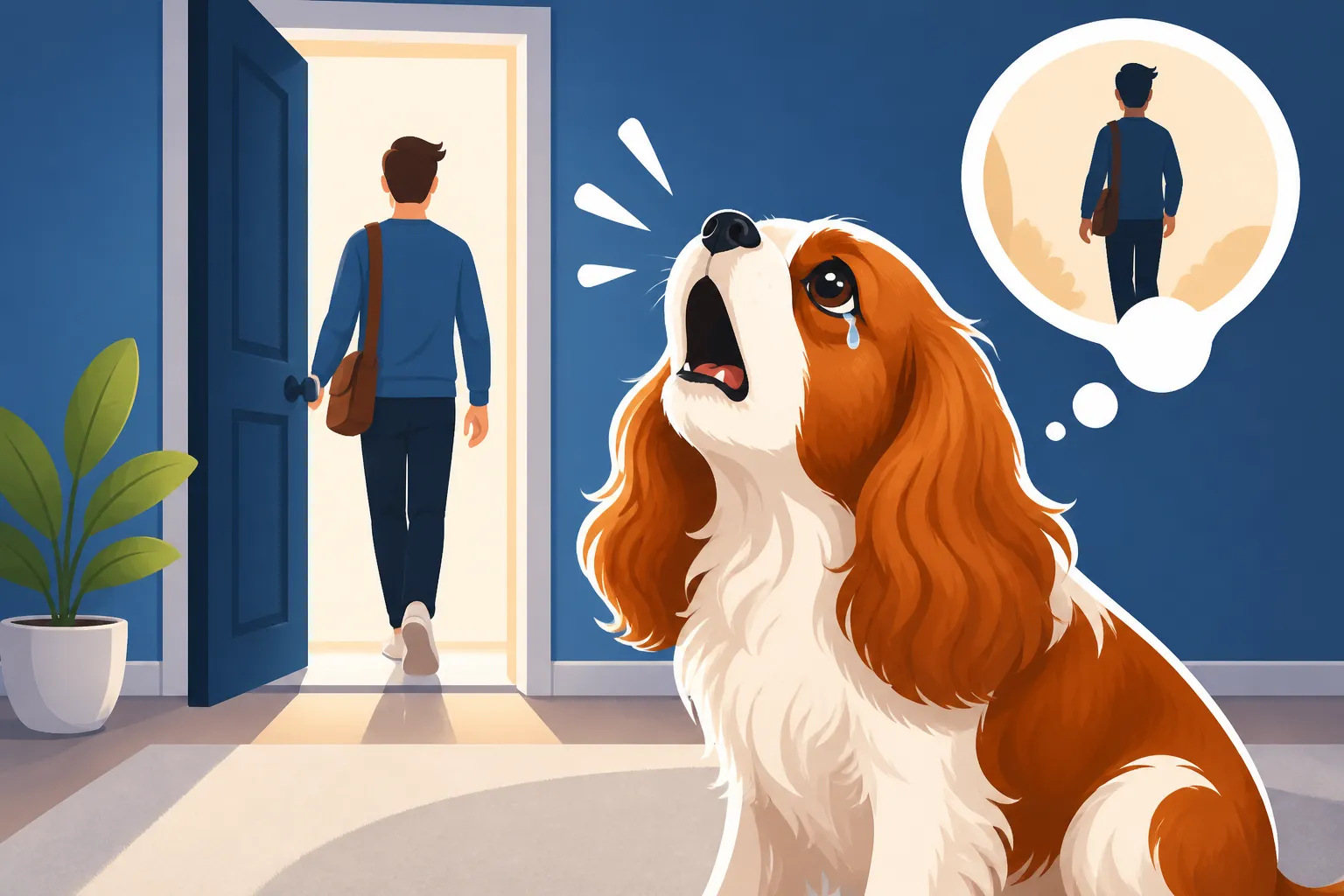
That heartbreaking sound – the insistent, mournful howl that erupts the moment your keys jingle or the door clicks shut – is a familiar, painful experience for many Cavalier King Charles Spaniel owners. It's truly tough to leave your beloved companion knowing they're instantly distressed, and you're left feeling helpless, guilty, and desperate for a solution. This comprehensive guide will walk you through understanding why your Cavalier struggles with being alone and provide actionable strategies to help them feel more secure and content when you're not right there.
Unpacking the Reasons Behind Your Cavalier's Melodies of Distress
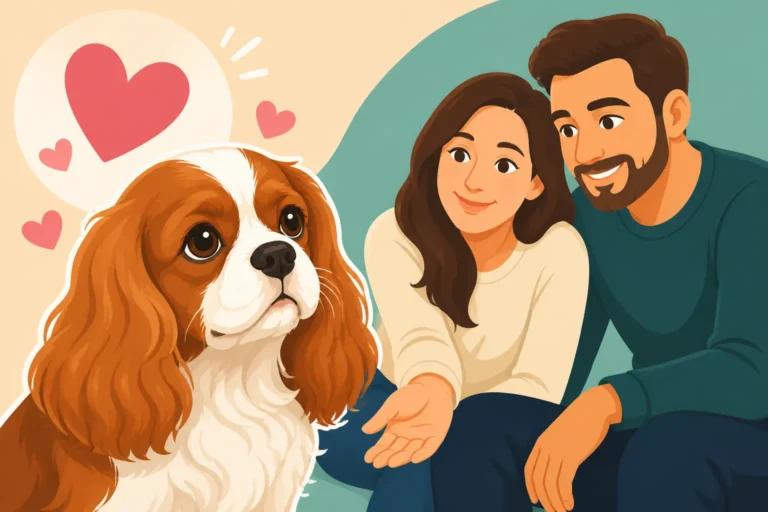
It's easy to assume your Cavalier is just being "naughty" or "spoiled" when they howl the moment you leave, but the reality is far more complex and often rooted in deep emotional distress. Cavaliers, by their very nature, are intensely social creatures, bred for centuries to be constant companions. This inherent desire for closeness shapes their entire world, and being left alone can trigger a profound sense of abandonment or panic.
The Deep-Seated Need for Connection (Velcro Dog Nature)
Cavalier King Charles Spaniels earned the nickname "Velcro dogs" for a reason. They thrive on human companionship, often following their owners from room to room, preferring to be in physical contact whenever possible. This isn't just a cute quirk; it's a fundamental aspect of their temperament and breeding. When you, their primary source of comfort, security, and interaction, suddenly disappear, it can feel like a profound loss, even if only for a short time. Their howling is often a primal call, an attempt to bring you back, or an expression of their profound unease. It’s not an act of defiance, but a genuine plea from a dog that feels truly alone and vulnerable. Understanding this fundamental aspect of their personality is the first step toward empathy and effective intervention. We talk more about this in Why Cavaliers Are Called Velcro Dogs.
Mistaking Boredom for True Anxiety
Sometimes, what we perceive as separation anxiety might actually be intense boredom, but often, the lines blur, and true anxiety plays a significant role. A bored Cavalier might whine or pace, eventually settling, whereas an anxious Cavalier will escalate their distress, sometimes quickly. True separation anxiety is characterized by a strong emotional response to being left alone, often involving panic. While a good chew toy from Amazon can certainly help a bored dog, it won't resolve the deep-seated fear of being alone. It's crucial to differentiate between these two states because the approach to managing them is different. If your Cavalier's howling is accompanied by other frantic behaviors, like trying to escape, excessive drooling, or destructive chewing, it's highly likely to be anxiety, not just boredom.
The Impact of Early Experiences and Routines
A Cavalier's early life experiences, or even a sudden change in routine, can significantly influence their ability to cope with being alone. Puppies who weren't gradually accustomed to short periods of solitude, or adult dogs who experienced a sudden shift in their living situation (like a rescue dog or one whose owner's schedule drastically changed), might struggle more. A history of being constantly accompanied, especially during their critical socialization periods, can make it harder for them to develop independence. Conversely, a Cavalier who has experienced trauma or repeated periods of loneliness might develop a deep-seated fear. The howling can be a conditioned response to the cues that predict your departure, like picking up your keys or putting on your shoes. It's important to reflect on your dog's history and your daily routines to identify potential triggers or developmental gaps that might be contributing to their distress.
Beyond the Howl: Recognizing the Full Picture of Distress
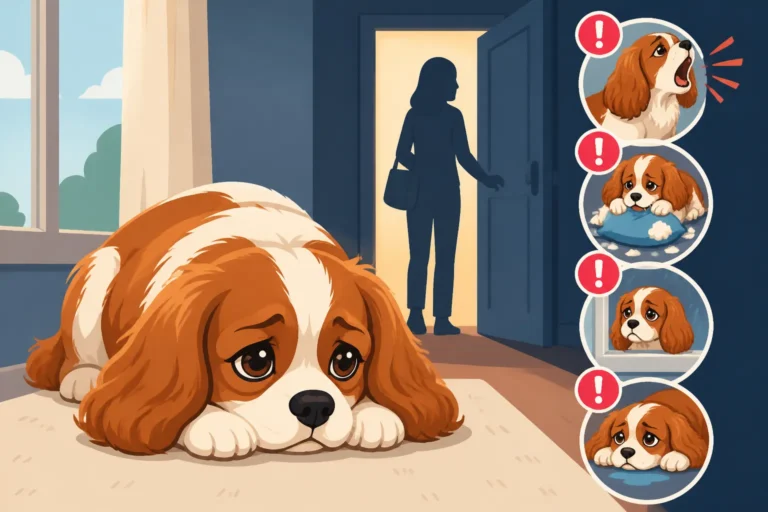
While howling is the most obvious sign, it’s rarely the only one. Cavaliers experiencing true separation distress often exhibit a cluster of behaviors that indicate their profound discomfort when left alone. Recognizing these other signs is crucial for understanding the depth of their anxiety and for formulating an effective management plan. If you suspect your Cavalier is struggling, observing them closely (perhaps even by filming them, as discussed in Filming a Cavalier While You Are Out) can provide invaluable insights.
The Other Vocalizations: Whining, Crying, and Barking
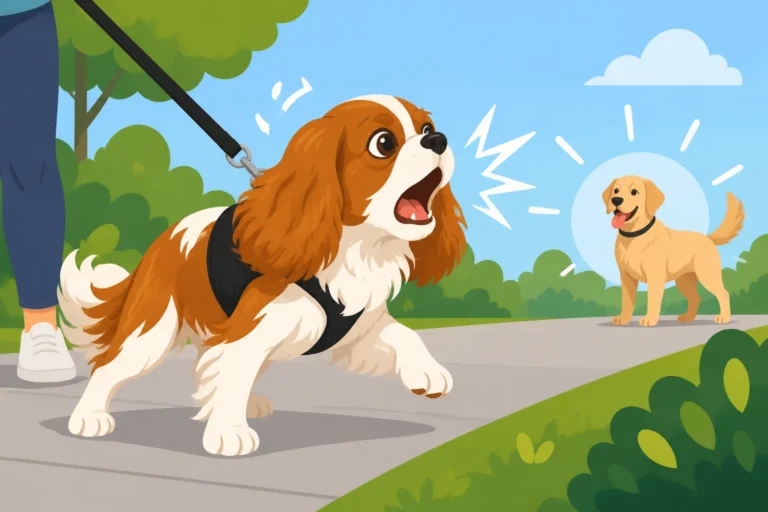
Howling might be prominent, but it's often accompanied by a symphony of other distress vocalizations. You might hear incessant whining, a high-pitched cry that sounds almost human in its sadness, or relentless barking. These aren't just random noises; they are all forms of communication, desperate attempts to get attention or express their fear. Imagine a child crying for their parent – that's often the emotional equivalent for your Cavalier. Some Cavaliers might start with a soft whine, which quickly escalates to frantic barking or a full-blown howl. The type and intensity of vocalization can vary depending on the individual dog and the level of their anxiety, but they all signal distress.
Destructive Chewing and Inappropriate Toileting
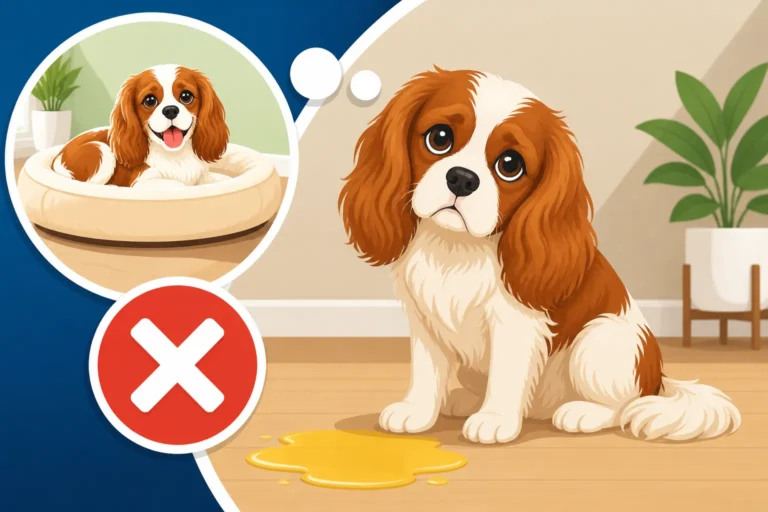
When a Cavalier is overwhelmed by anxiety, their behavior can become disorganized and destructive. Chewing, especially on doorframes, furniture, or your personal items (like shoes or remote controls), is a common stress reliever. It’s not done out of spite; it's a coping mechanism for immense internal pressure, or an attempt to "escape" by creating an opening. Similarly, house-trained Cavaliers might have accidents indoors when left alone, even if they were just outside. This isn't defiance or a lapse in training; it's an involuntary physical manifestation of extreme stress. Their bladder and bowel control can be compromised by the surge of adrenaline and cortisol that accompanies their panic. These behaviors, alongside howling, are clear indicators that your Cavalier is not merely bored, but genuinely struggling to cope with your absence. More on this can be found in A Cavalier That Chews Doorframes When Alone.
Physiological Signs of Stress When Alone
Beyond the audible and visible destructive behaviors, there are subtle (and sometimes not-so-subtle) physiological signs that indicate your Cavalier is under immense stress. Excessive drooling or salivation is a common, though often overlooked, sign of anxiety in dogs. You might return home to find puddles of drool, even if your dog isn't generally a drooler. Pacing, restlessness, and an inability to settle are also key indicators. A dog caught on camera endlessly walking circuits, panting, or frantically looking out windows is not relaxing. Some Cavaliers might even self-harm, such as excessively licking or chewing their paws, creating hot spots or sores, as a means to alleviate their mental discomfort. These physical manifestations underscore the depth of their emotional distress and highlight that the howling is just one piece of a much larger, often painful, puzzle. Signs a Cavalier Is Distressed When Alone offers more insight into these indicators.
Practical Strategies to Help Your Cavalier Cope with Alone Time
Addressing your Cavalier's howling requires a patient, consistent, and multi-faceted approach. There's no quick fix, but by systematically working through these strategies, you can gradually build your dog's confidence and reduce their distress when left alone. The goal isn't necessarily to make them love being alone, but to help them tolerate it comfortably.
The Art of the Gentle Departure Routine
Many Cavaliers start to fret the moment they pick up on your departure cues: you grab your keys, put on your shoes, or reach for your bag. These actions become highly predictive of your impending absence, triggering anticipatory anxiety. The key is to desensitize your Cavalier to these cues and make your departures as low-key as possible. Instead of creating a dramatic farewell, try to dilute the power of these triggers. Pick up your keys, then put them back down and sit on the sofa. Put on your coat, then go make a cup of coffee. Do this repeatedly throughout the day without actually leaving.
When you do leave, make your departure mundane. Don't engage in lengthy, emotional goodbyes, as this can actually heighten their anxiety. A simple, calm "be right back" is sufficient. Leave them with something positive, like a puzzle toy stuffed with a treat or a long-lasting chew. The goal is to create a new association: your departure isn't a scary event, but a calm transition that might even bring a tasty reward. You can find excellent puzzle toys on Amazon that can keep your Cavalier engaged. Learn more about effective routines in Departure Routines That Calm a Cavalier.
Building Tolerance Through Gradual Absence
This is the cornerstone of addressing separation anxiety. It involves gradually increasing the time your Cavalier spends alone, starting with periods so short they don't even have a chance to get distressed. You're teaching them that your departures are always temporary and that you always come back.
Here's how to approach it:
- Start ridiculously small: Begin by leaving for only a few seconds – just enough time to step out the door and immediately step back in. Don't make a fuss when you return; just act normally. Repeat this many times.
- Use a camera: An inexpensive pet camera or even an old smartphone set up to record can be invaluable. This allows you to monitor your Cavalier's behavior in real-time or review recordings to ensure you're not extending the time beyond their comfort level. If they start to show signs of anxiety (pacing, whining, or the first hint of a howl), you've gone too far. Come back before they get truly distressed.
- Slowly increase duration: Once your Cavalier is completely calm for a few seconds, gradually increase the time by mere seconds. Go from 5 seconds to 10, then 15, then 30, then a minute. This process is often painfully slow and requires immense patience. If you rush it, you risk setting them back.
- Practice frequently: Short, frequent practice sessions are more effective than long, infrequent ones. Aim for several mini-departures throughout the day, rather than one long one.
- Vary your cues: Sometimes, practice leaving through different doors or at different times of day to generalize the training.
This process is about proving to your Cavalier, slowly but surely, that being alone isn't scary. It's about building their confidence in your return. For more detailed steps, check out Building From Thirty Seconds With a Cavalier.
Creating a Safe and Enriching Solo Space
The environment you leave your Cavalier in plays a significant role in their comfort level. A safe, comfortable, and stimulating space can make a huge difference.
Consider these elements:
- Designated safe zone: This could be a crate (if they are crate-trained and view it as a den, not a punishment, see Choosing a Crate a Cavalier Will Rest In), a specific room, or an exercise pen. The space should be free of hazards and ideally one they associate with calm and rest.
- Comfort items: Include their favorite bed, a blanket with your scent on it (an old worn t-shirt can be perfect), and familiar toys.
- Enrichment: This is critical. Provide engaging activities that will occupy their mind and body.
- Puzzle feeders: These make them work for their food and can keep them busy for extended periods. There are many options available on Amazon.
- Long-lasting chews: Bully sticks, dental chews, or Kongs stuffed with peanut butter or wet food (and frozen for extra challenge) can be excellent distractions. Ensure they are safe for unsupervised chewing.
- Calming scents/sounds: A dog-specific calming diffuser can release pheromones that help some dogs feel more relaxed. Leaving the radio on softly, or playing dog-specific calming music, can also help muffle outside noises and create a more soothing atmosphere, as discussed in Whether Leaving the Radio On Helps a Cavalier.
- Natural light and temperature: Ensure the room is not too hot or too cold and that there's some natural light.
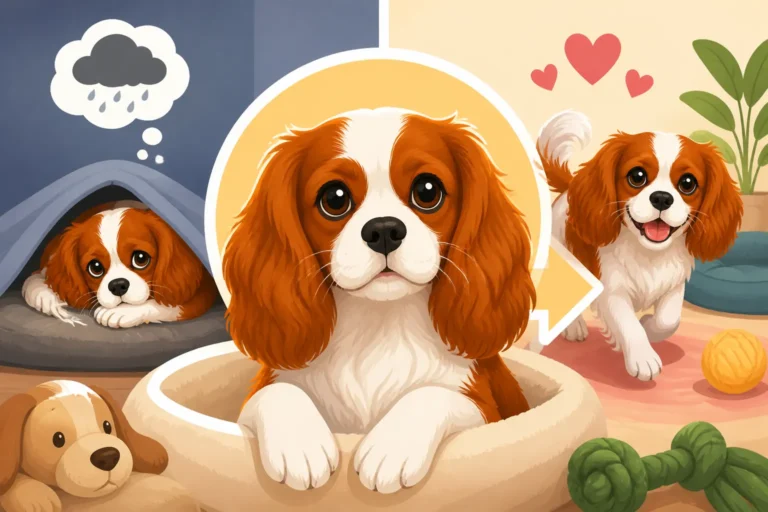
The goal is to transform the "alone time" space into a positive, predictable experience where they can focus on something other than your absence.
When Professional Help and Tools Become Essential
For severe cases of howling and separation anxiety, relying solely on at-home strategies might not be enough. Sometimes, the anxiety is so deeply ingrained that professional guidance or additional support tools are necessary to help your Cavalier truly overcome their distress. Don't feel like a failure if you need to seek outside help; it's a sign of a responsible and caring owner.
Exploring Training Programs and Resources
If you're finding it difficult to make progress on your own, a professional dog trainer or a certified behaviorist specializing in separation anxiety can be a game-changer. These professionals have specific expertise in diagnosing and treating anxiety-related behaviors. They can assess your Cavalier's individual situation, identify subtle triggers you might be missing, and develop a tailored training plan.
Many offer remote consultations, which can be incredibly helpful for separation anxiety cases, as the trainer can guide you while you work with your dog in their home environment. Programs like BAXTER & Bella, for example, offer online resources and coaching that can guide you through the intricacies of puppy training and behavior modification, including strategies for building alone-time confidence. They can provide structured exercises and troubleshoot issues as they arise, often through virtual sessions or video analysis. This kind of structured support provides an invaluable framework for consistent progress.
The Role of Calming Aids and Veterinary Support
In more severe cases, calming aids, or even prescription medication, might be necessary to help your Cavalier manage their anxiety enough for training to be effective. Think of it like this: if a person is having a panic attack, they're not in a state to learn new coping mechanisms. Similarly, a dog in full-blown panic needs something to take the edge off their intense fear.
Here are some options:
- Calming supplements: Over-the-counter supplements containing ingredients like L-theanine, L-tryptophan, or herbal blends can help some dogs feel more relaxed. While not a cure, they can reduce the overall anxiety level, making your Cavalier more receptive to training. Calming Supplements for an Anxious Cavalier provides more details.
- Pheromone diffusers/collars: As mentioned before, products that release synthetic dog-appeasing pheromones can create a sense of security for some individuals.
- Anxiety vests: Compression vests are designed to apply gentle, constant pressure, similar to swaddling a baby, which can have a calming effect on some anxious dogs.
- Prescription medication: For severe separation anxiety, your veterinarian might recommend prescription anti-anxiety medication. These medications are not a "sedative" in the traditional sense; rather, they work to rebalance brain chemistry, making your dog less prone to panic and more capable of learning new, positive associations with being alone. They are typically used in conjunction with behavior modification training and are gradually tapered off as your dog improves. Discussing Medication for Cavalier Separation Anxiety with your vet is a good idea if other methods aren't yielding results.
Remember, these aids are typically used as part of a comprehensive plan, not as standalone solutions. They help create a more receptive state for learning.
Long-Term Management and Realistic Expectations
Managing a Cavalier with separation anxiety is often a long-term commitment. It requires patience, consistency, and a deep understanding of your dog's needs. It's important to set realistic expectations: your Cavalier might always prefer your company, and that's okay. The goal is to get them to a point where they can tolerate being alone without experiencing significant distress or panic.
This might mean adapting your lifestyle somewhat:
- Consider dog daycare: For owners with busy schedules, a reputable dog daycare can be an excellent option for providing companionship and exercise when you can't be home. However, it's crucial to ensure the daycare environment is suitable for an anxious Cavalier and doesn't add more stress. Check out Whether Daycare Suits an Anxious Cavalier.
- Dog walkers or pet sitters: Hiring someone to break up long periods of solitude can be beneficial.
- Prevent regression: Even after significant progress, be mindful of potential triggers for regression, such as major life changes, new routines, or even just a period of being left alone for too long. Maintain regular, short "alone time" practices even when you're mostly home to keep their skills sharp.
- Acceptance and love: Ultimately, your Cavalier's desire for closeness is part of what makes them such wonderful companions. Embracing this aspect of their personality while working to alleviate their anxiety creates the strongest bond.
It's a journey, not a destination, but with dedication, you can help your Cavalier feel safe and secure, whether you're home or away.
| Strategy | Primary Goal | Key Components | Best For |
|---|---|---|---|
| Gentle Departure | Reduce anticipatory anxiety | Desensitize to cues, calm exits, positive associations (treats) | Mild anxiety, preventing escalation |
| Gradual Absence | Build confidence in your return | Start with seconds, slow increases, use camera, frequent practice | All levels, core of behavioral modification |
| Enrichment & Safe Space | Occupy mind, provide comfort | Puzzle toys, long chews, scent items, calming diffusers, comfortable den | All levels, ongoing support |
| Professional Training | Tailored guidance and expert intervention | Behaviorist consultation, personalized plans, virtual coaching (e.g., BAXTER & Bella) | Moderate to severe anxiety, lack of personal progress |
| Calming Aids/Meds | Reduce baseline anxiety, enable learning | Supplements, pheromones, anxiety vests, vet-prescribed medication | Moderate to severe anxiety, adjunct to training |
Disclaimer
This article is for general informational purposes only and does not constitute professional advice. Laws, prices and regulations vary by location and change over time. Consult a qualified professional for guidance on your specific situation.