Whether a Cavalier Grows Out of Being Clingy
It’s a question that tugs at the heartstrings of so many Cavalier King Charles Spaniel owners: will my sweet, cuddly shadow ever grow a little more independent? While their loving, devoted nature is precisely why we adore them, the intense clinginess can sometimes feel overwhelming, leaving you wondering if it's just a puppy phase or something more. This guide dives into the unique Cavalier temperament to help you understand their need for closeness and provides practical strategies to gently foster a sense of independence, ensuring a happy, well-adjusted companion who still loves a good snuggle.
Understanding the "Velcro Dog" Phenomenon in Cavaliers
If you’ve ever found yourself tripping over your Cavalier as you move from room to room, or noted them watching your every bathroom break with unwavering focus, you know exactly why they’ve earned the affectionate moniker "Velcro dogs." This isn't just a cute quirk; it's deeply ingrained in their history and temperament.
The Historical Roots of Cavalier Affection
To truly understand why your Cavalier is such a stage-five clinger, we need to take a quick trip back in time. These aren't dogs bred for hunting big game or guarding vast estates. Cavaliers were bred, quite literally, to be companions. Their ancestors were the beloved lapdogs of royalty and nobility, particularly favored by King Charles II, who rarely went anywhere without several of them at his heels. Their entire purpose was to provide comfort, warmth, and unwavering devotion. They were the original emotional support animals, expected to be constantly by their human's side, whether in grand palaces or on long carriage rides. This close bond wasn't just tolerated; it was actively encouraged and selected for.
This historical role means that generations upon generations of Cavaliers have had this intense desire for human companionship reinforced. It's not a flaw; it's a feature, carefully curated over centuries. They see their primary job as being with you, interacting with you, and sharing your space. It's what makes them such wonderful, empathetic pets, but it also explains why they might struggle when that constant connection is broken.
Why Modern Cavaliers Inherit This Trait
That historical blueprint didn't just vanish. Modern Cavaliers carry those same deeply embedded instincts. They thrive on connection and suffer when they feel isolated. Their affectionate, gentle nature means they are almost always seeking proximity and physical contact. You might notice your Cavalier frequently Why Cavaliers Are Called Velcro Dogs, nudging your hand for pets, or simply resting their head on your foot as you work. This isn't manipulative behavior; it's their intrinsic desire to be part of your world, to know you're there, and to offer their comfort.
Furthermore, Cavaliers are generally very sensitive dogs. They pick up on human emotions and routines, and disruption to these can be unsettling. A sudden change in your schedule, a new environment, or even just feeling a bit under the weather themselves can amplify their need for reassurance and closeness. This sensitivity, coupled with their breeding, means they often require more mindful management of their alone time compared to more independent breeds.
Is Clinginess Always a Problem?
It’s crucial to differentiate between a naturally affectionate "Velcro dog" and a Cavalier suffering from true separation anxiety. A Cavalier who happily naps at your feet while you work, follows you from the kitchen to the living room, and greets you with enthusiasm after a short absence is typically exhibiting normal breed-specific clinginess. This is the charming devotion that so many Cavalier owners cherish. They enjoy your presence, but they aren't falling apart without it.
However, when clinginess crosses into distress, it becomes a problem that needs addressing. A Cavalier who cannot settle when you are out of sight, exhibits destructive behaviors, vocalizes excessively, or has accidents indoors when left alone is moving beyond charming devotion into genuine anxiety. Understanding this distinction is the first step toward knowing whether your Cavalier simply loves you a lot or genuinely needs help developing coping mechanisms. We want to nurture their loving nature, not diminish it, but also ensure they are confident and comfortable even when you're not within arm's reach.
When Clinginess Becomes Separation Anxiety
The line between a devoted companion and a dog struggling with separation distress can sometimes feel blurry. It's important for Cavalier owners, who often have dogs that are naturally prone to seeking constant companionship, to recognize when their dog's need for proximity tips over into genuine anxiety.
Differentiating Normal Clinginess from Distress
Normal clinginess in a Cavalier means they prefer to be in the same room as you, might follow you around the house, and will likely settle near you. When you leave, they might give a sigh or watch you go, but then they generally settle down within a few minutes. They might snooze on your sofa or look out the window. When you return, they are happy to see you, but their reaction isn't one of frantic relief that suggests they were in extreme distress the entire time. They might even enjoy a good game of fetch with a favorite toy or a puzzle feeder while you're away. What a Cavalier Does When Left Too Long explores these behaviors in more detail.
Separation anxiety, on the other hand, is marked by significant distress. This isn't just missing you; it's a panic response. The dog isn't just following you; they're shadowing you, unable to relax even when you're present if they perceive an impending departure. When you prepare to leave, they might start panting, pacing, whining, or even try to block you. Once you're gone, their anxiety escalates, manifesting in specific problematic behaviors. This isn't a minor inconvenience; it's a genuine welfare issue for your Cavalier.
Here’s a quick comparison to help you tell the difference:
| Behavior | Normal Clinginess | Separation Anxiety |
|---|---|---|
| When you're home | Follows you, sleeps near you, enjoys proximity | Shadows you constantly, won't settle, anxious about cues |
| Before you leave | Aware you're leaving, might watch you | Pacing, panting, whining, trembling, trying to block |
| Immediately after you leave | Settles within minutes, might nap | Frantic barking/howling, destructive chewing, pacing |
| During absence | Sleeps, plays with toys, waits calmly | Excessive vocalization, destructive behavior, urination/defecation, attempts to escape |
| When you return | Happy greeting, calm after a few minutes | Over-the-top, prolonged greeting, extreme relief |
| Appetite when alone | Eats food/treats left out | Refuses food, even high-value treats |
Common Symptoms of Cavalier Separation Anxiety
Cavaliers, due to their sensitive nature, can develop separation anxiety if not properly socialized and gradually introduced to alone time. The symptoms can be varied and often become apparent within the first 30 minutes of you leaving the house.
- Excessive Vocalization: This is often the first thing neighbors notice. Persistent barking, howling, or whining that begins shortly after you leave and doesn't stop. It's not just a few barks; it's prolonged, distressed noise.
- Destructive Chewing: An anxious Cavalier might chew on doorframes, windowsills, furniture, or personal items, often targeting exit points or things that smell like you. This isn't regular puppy chewing; it's often frantic and aimed at escape or stress relief.
- Inappropriate Urination or Defecation: Even a perfectly house-trained Cavalier might have accidents inside when left alone. This isn't about lack of training or spite; it's an involuntary physical manifestation of extreme stress.
- Pacing and Panting: Many anxious Cavaliers will pace relentlessly, often in a fixed pattern, unable to settle. They might also pant excessively, even when it's not hot, a clear sign of anxiety.
- Escape Attempts: This can be dangerous. A dog with severe separation anxiety might scratch at doors, break out of crates, or try to jump through windows, sometimes injuring themselves in the process. This is their desperate attempt to reunite with their human.
- Refusing Food or Treats: If you leave out a beloved Kong stuffed with peanut butter or a high-value chew, and your Cavalier doesn't touch it until you return, it's a strong indicator of anxiety. A dog in true distress often won't eat. For more insights, refer to A Cavalier That Refuses Food Until You Return.
The Impact on Your Cavalier and Your Household
Living with a Cavalier who suffers from separation anxiety is heartbreaking for both dog and owner. For your Cavalier, it means experiencing intense fear and panic every time you leave. This chronic stress can take a severe toll on their overall well-being, potentially impacting their physical health, immune system, and general happiness. They are not enjoying their life, and it's not fair to them.
For you and your household, the impact can be significant. The constant worry about your dog's distress, the damage to your home, the complaints from neighbors, and the feeling of being "tied down" can lead to frustration, guilt, and even resentment. You might feel unable to leave your home for even short periods, impacting your social life, work, and errands. It can create a highly stressful environment for everyone involved. Addressing it proactively is not just about convenience; it's about improving the quality of life for both you and your beloved Cavalier.
Strategies to Foster Independence Without Losing Cuddles!
While a Cavalier's natural inclination is to be close, it's absolutely possible to teach them to be more comfortable and confident on their own without turning them into aloof, independent creatures. The goal isn't to make them less loving, but rather to empower them to cope calmly when you’re not right there.
Building a Cavalier's Confidence When Alone
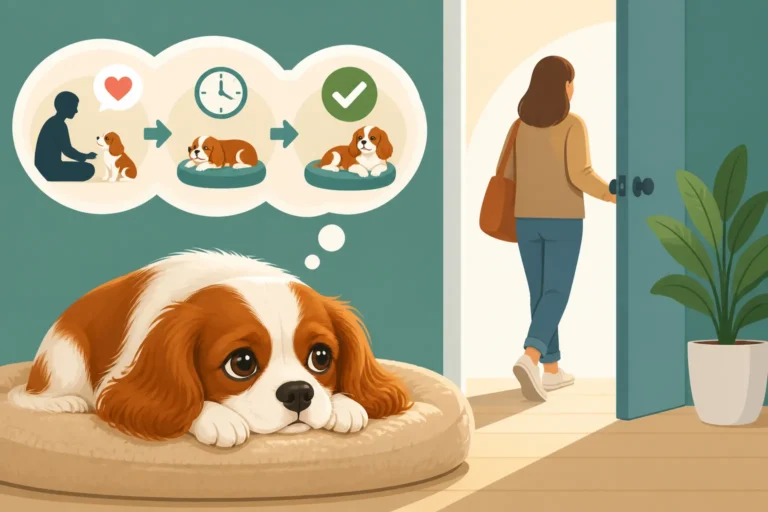
The key to fostering independence is building positive associations with alone time, starting small and gradually increasing the duration. Think of it like teaching a child to ride a bike – you start with training wheels and close supervision, then slowly pull back.
- Practice Short Absences: This might sound counter-intuitive if your Cavalier shadows you, but practice brief departures even when you're home. Go into another room, close the door, and come back out after a minute or two. Don't make a big fuss when you leave or return. The idea is to normalize your absence and return. Slowly increase the time you're away: five minutes, then ten, then fifteen. The crucial part is to return before they get distressed. If they start whining, you've gone too long.
- Establish a "Place" Command: Teach your Cavalier to go to a designated spot (a dog bed, mat, or crate) and stay there. This helps them learn to settle and be calm in one area, even if you move around. Reward them heavily for staying. This builds their ability to relax independently.
- Enrichment Before You Leave: A tired Cavalier is a calmer Cavalier. Before any planned alone time, engage your dog in some stimulating activity – a brisk walk, a training session, or a good play in the yard. Physical and mental exercise can significantly reduce anxiety.
- Brain Games and Puzzle Toys: These are invaluable. Stuff a Kong with wet food and freeze it, or use a treat-dispensing toy. Give this to your Cavalier just as you leave. The focus on the food can distract them from your departure and create a positive association with your absence. Companies like Amazon offer a huge variety of these toys, from simple Kongs to more complex interactive feeders, which can be a lifesaver.
Creating a Safe and Comforting Space
Where your Cavalier spends their alone time matters immensely. It needs to be a sanctuary, not a punishment zone.
- Crate Training Done Right: For many Cavaliers, a crate can be a wonderful den, a safe haven where they feel secure. But it must be introduced positively. Never use the crate for punishment. Fill it with soft bedding, a favorite blanket, and a special toy only given in the crate. Feed meals in the crate. Slowly increase the time spent in the crate, always ensuring it's a positive experience. Check out Choosing a Crate a Cavalier Will Rest In for more ideas on selection. If your Cavalier struggles with a traditional crate, a dog pen or a small, secure room can offer a similar sense of containment without the enclosed feeling. Pens Instead of Crates for a Cavalier might offer solutions here.
- Scent and Sound: Leave a worn (unwashed) t-shirt or blanket that smells like you in their designated space. Your scent can be incredibly comforting. Calming music or a white noise machine can also help mask outside noises that might trigger anxiety. Some owners swear by specific calming dog music channels or apps designed to soothe canine ears.
- Consistency is Key: Routines provide comfort and predictability. Try to establish a consistent pre-departure routine that signals you'll be leaving but that you'll also return. This might involve putting on specific music, giving a puzzle toy, and then calmly leaving. This consistency helps them anticipate what will happen and reduces surprises.
Training for Gradual Alone Time
This is where the real work begins, and patience is your most important tool. It’s all about desensitization and counter-conditioning.
- Departure Cues: Dogs learn to associate certain actions with your departure (picking up keys, putting on shoes, grabbing your bag). These become "departure cues" and can trigger anxiety. Practice these actions randomly throughout the day without leaving. Pick up your keys, then sit down. Put on your coat, then go make a cup of tea. This helps desensitize your Cavalier to these cues so they no longer automatically signal panic.
- Micro-Absences: Start with literally seconds. Step out the door and immediately come back in. If your dog remains calm, reward them generously. Gradually increase the time. One minute, then two, then five. The goal is to return before they become distressed. This teaches them that you always come back.
- The "Relax" Protocol: Teach your Cavalier to relax on a mat or bed for increasing periods. Reward them for calm, settled behavior. This is part of Reward-Based Training With a Cavalier and helps them generalize calmness to different situations, including when you're not actively engaging with them.
- Monitoring Your Cavalier: Consider getting a pet camera (many options on Amazon!) so you can monitor your Cavalier when you're out. This allows you to see how they're coping and gauge when you can increase alone time. Filming a Cavalier While You Are Out can give you more tips on how to use this tool effectively. Seeing their actual behavior helps you know if your training is working or if you need to adjust your approach.
Tools and Resources to Help
Sometimes, you need a little extra support to help your Cavalier through this.
- Professional Training: An online puppy school or training program like BAXTER & Bella can provide structured guidance and support for building a confident, well-adjusted dog. They often offer specific modules on preventing and addressing separation-related behaviors, taught by certified trainers.
- Dog Walkers or Daycare: If your work schedule requires long absences, consider a trusted dog walker for a midday break. Getting a Cavalier Used to a Dog Walker involves careful introduction. For some Cavaliers, particularly those who enjoy canine company, a reputable dog daycare can be a godsend, offering supervision, play, and socialization. Whether Daycare Suits an Anxious Cavalier is a good read for determining if this is right for your dog.
- Calming Aids: Discuss with your vet whether calming supplements or pheromone diffusers might be appropriate. These are not magic bullets but can sometimes take the edge off anxiety, making training more effective. Never start any medication or supplement without veterinary guidance.
When to Seek Professional Help
While many cases of Cavalier clinginess can be managed with consistent training and environmental adjustments, there are times when professional intervention is not just helpful, but necessary. Recognizing these signs and knowing who to turn to can make all the difference for your dog's well-being and your peace of mind.
Recognizing Persistent or Worsening Symptoms
If you've diligently applied the strategies above for several weeks or months, and your Cavalier's distress when left alone remains severe, or if it seems to be worsening, it's a clear signal that you need more specialized help. This includes:
- Continuous, intense vocalization: Your neighbors are constantly complaining, and your camera shows non-stop barking or howling.
- Significant destruction: Your home is being damaged, and your dog is at risk of injury from chewing or trying to escape.
- Regular house-soiling: Your house-trained Cavalier is consistently having accidents when you're away.
- Self-harm: Your dog is excessively licking, chewing, or scratching themselves, causing hot spots or wounds, indicating extreme stress.
- Extreme shutdown or hyperactivity: Some anxious dogs become completely withdrawn and unresponsive, while others are in a constant state of frantic pacing and panting.
These persistent, severe symptoms indicate that your Cavalier is experiencing profound fear and anxiety, which can significantly impact their quality of life. At this point, trying to manage it alone often leads to frustration and can inadvertently make the problem worse.
The Role of Your Veterinarian
Your first point of contact should always be your veterinarian. There are a few critical reasons for this:
- Rule Out Medical Issues: Sometimes, seemingly behavioral issues have an underlying medical cause. For example, increased urination could be a bladder infection, and general discomfort could make a dog more anxious when left alone. Your vet can perform a thorough examination and recommend any necessary diagnostic tests to ensure your Cavalier is physically healthy.
- Discuss Calming Medications: For moderate to severe separation anxiety, medication can be a crucial part of the treatment plan. It doesn't "cure" the anxiety, but it can help lower your dog's overall anxiety levels enough for behavioral modification techniques to be effective. Your vet can discuss appropriate anti-anxiety medications that are safe for Cavaliers and explain their potential benefits and side effects. For some, Medication for Cavalier Separation Anxiety might be a necessary step.
- Referral to Specialists: Your veterinarian can refer you to a board-certified veterinary behaviorist or a certified professional dog trainer specializing in separation anxiety. These professionals have advanced training and experience in diagnosing and treating complex behavioral problems.
Consulting a Certified Professional Dog Trainer or Behaviorist
Once medical causes are ruled out or managed, working with a specialist in dog behavior is the next critical step.
- Veterinary Behaviorists: These are veterinarians with advanced training and certification in animal behavior. They can prescribe medication, diagnose behavioral conditions, and create comprehensive treatment plans that integrate both medical and behavioral interventions. They are best suited for severe, complex cases, especially those that involve aggression or other serious issues alongside anxiety.
- Certified Professional Dog Trainers (CPDT-KA) or Certified Separation Anxiety Trainers (CSATs): These trainers have specific expertise in behavioral modification. A CSAT, in particular, has undergone rigorous training focused solely on separation anxiety. They will work with you remotely (often via video calls and camera monitoring) to develop a detailed, step-by-step desensitization program tailored to your Cavalier's specific needs. This often involves very gradual increases in alone time, focusing on keeping your dog below their "anxiety threshold." They can provide invaluable guidance, support, and accountability, helping you navigate the often-challenging process of overcoming separation anxiety. They are masters of the incremental approach, starting from literally seconds of alone time and building up, often relying on careful observation using tools like an Amazon pet camera.
Remember, addressing separation anxiety is a marathon, not a sprint. It requires commitment, consistency, and a lot of patience. But with the right support, you can help your beloved Cavalier learn to be a confident, happy dog, even when you're not right by their side. Their clinginess is a sign of their deep love; our job is to teach them that love endures, even when we have to step away.
Disclaimer
This article is for general informational purposes only and does not constitute professional advice. Laws, prices and regulations vary by location and change over time. Consult a qualified professional for guidance on your specific situation.