Whether a Cavalier Would Ever Warn You
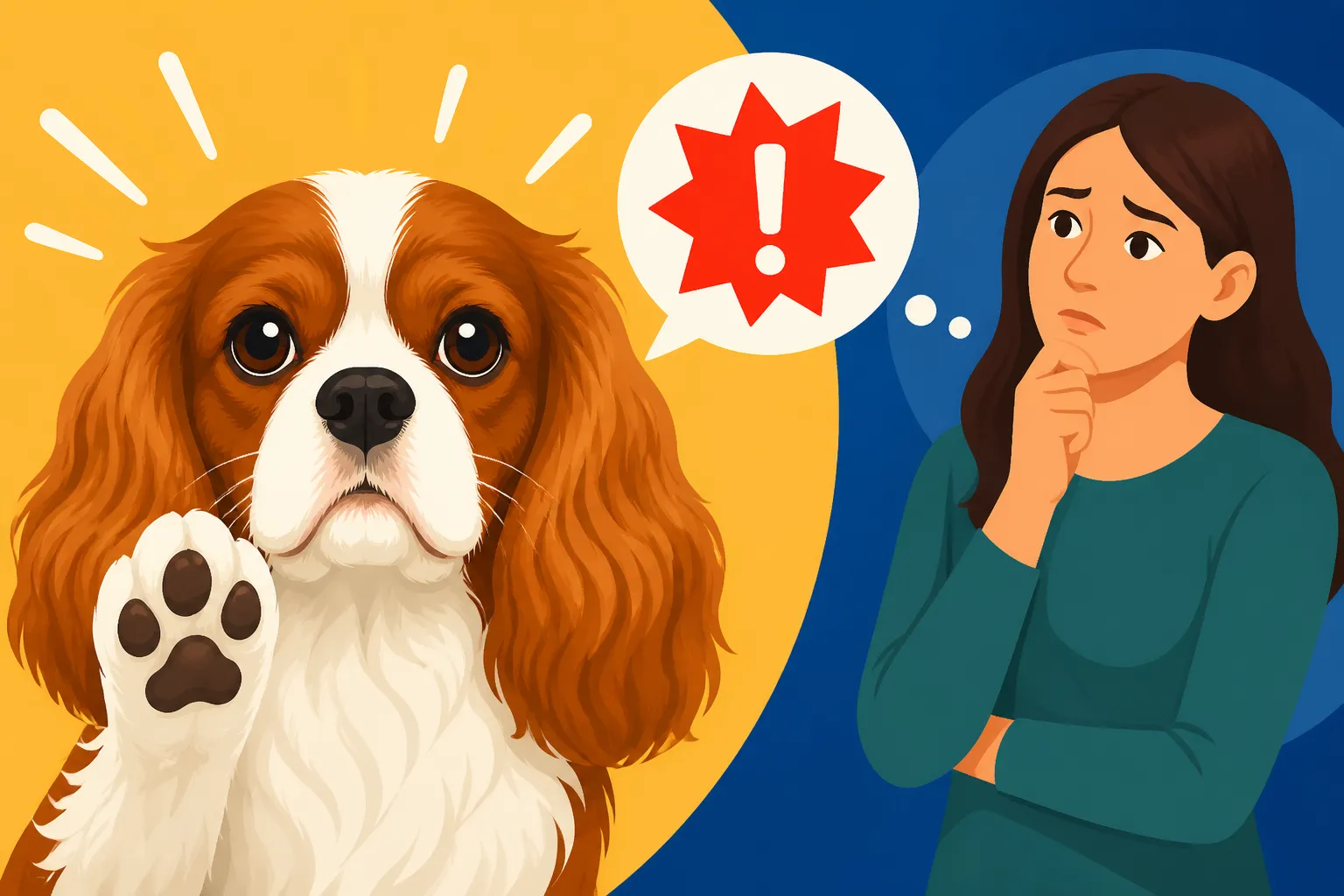
It's a common question among Cavalier King Charles Spaniel owners, especially first-timers: will my sweet, cuddly Cavalier actually warn me if there's danger, or are they just too friendly for their own good? Many people wonder if their beloved "Velcro dog" has any protective instincts, or if they'd just invite a stranger in for a cuddle. This guide will explore the unique temperament of Cavaliers, what their vocalizations truly signify, and how to interpret their often subtle signals in various situations.
The Heart of a Cavalier: All Friend, Little Foe
Let's be honest, if you're looking for a dog to patrol your property and scare off intruders, a Cavalier King Charles Spaniel probably isn't the first breed that comes to mind. And for good reason! These delightful little dogs were bred over centuries to be the ultimate companion, lap warmers, and loyal shadows to royalty and commoners alike. Their entire genetic makeup leans heavily towards affection, gentleness, and a desire for connection, not confrontation.
Bred for Companionship, Not Confrontation
Historically, Cavaliers and their ancestors were bred to sit on laps, bring joy, and be beautiful, loving companions. They weren't developed for guarding livestock, hunting large game, or protecting estates. Their purpose was purely to be delightful members of the household, offering comfort and unwavering devotion. This background means they inherently lack many of the traits associated with traditional "guard dogs." You won't find the territorial aggression, suspicion of strangers, or innate protectiveness that breeds like German Shepherds or Rottweilers possess. Instead, you get a dog that generally sees everyone as a potential friend, a new hand to pat them, or a lap to curl up on. This isn't a flaw; it's simply who they are, and it's why so many of us fall head over heels for their gentle nature.
Consider the classic image of a Cavalier snoozing peacefully on a velvet cushion. That’s their happy place! They thrive on connection and harmony, not on being on high alert. This inherent predisposition towards amiability means their "warning" behaviors, if they occur, will stem from different motivations than a true guard dog. They might alert you to something new or unusual, but rarely with aggressive intent.
The "Velcro Dog" Instinct and Social Greetings
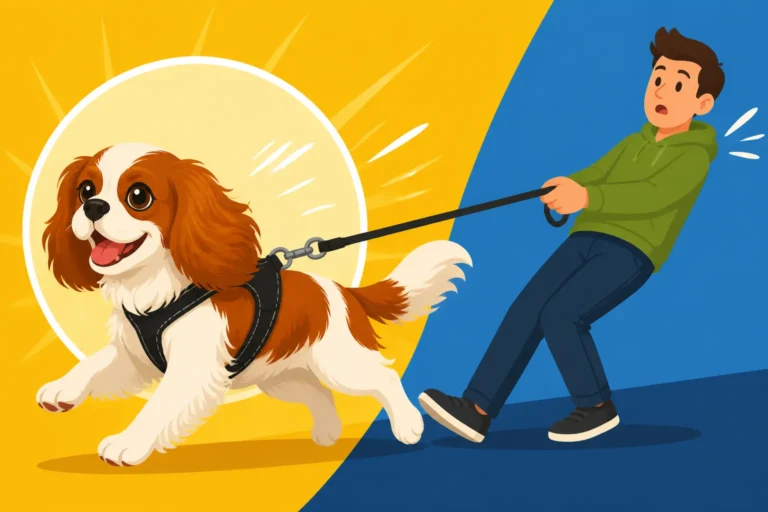
Cavaliers are famously known as "Velcro dogs" for a reason – they adore being close to their people. This deep attachment is a cornerstone of their personality. When a new person enters their space, their instinct is typically to investigate with curiosity and often, an overwhelming eagerness for attention and affection. You might find your Cavalier wiggling with excitement, tail wagging furiously, ready to dole out kisses, even to someone they've never met. It's truly endearing, if not exactly intimidating. This friendly greeting extends to most situations, whether it's the mail carrier, a visiting friend, or even a stranger on the street.
Their strong desire for companionship means they aren't wired to be aloof or suspicious. They crave interaction and often interpret new arrivals as opportunities for more pets and praise. This isn't to say they don't have boundaries or preferences, but their initial reaction is almost universally one of welcome. If you want to understand more about this unique bond, check out Why Cavaliers Are Called Velcro Dogs. Their affectionate nature is a huge part of their charm, even if it means they're unlikely to stand between you and a perceived threat.
Deconstructing the "Warning": What Cavalier Barks Really Mean
So, if a Cavalier isn't a guard dog, does that mean they never bark or alert you to anything? Absolutely not! Cavaliers do vocalize, and they can certainly let you know when something is amiss in their world. The key is understanding what their barks mean and distinguishing them from the kind of "warning" a protective breed might offer. Their barks are more often an announcement or an expression of excitement, rather than a threat assessment.
The Difference Between Alerting and Threat Assessment
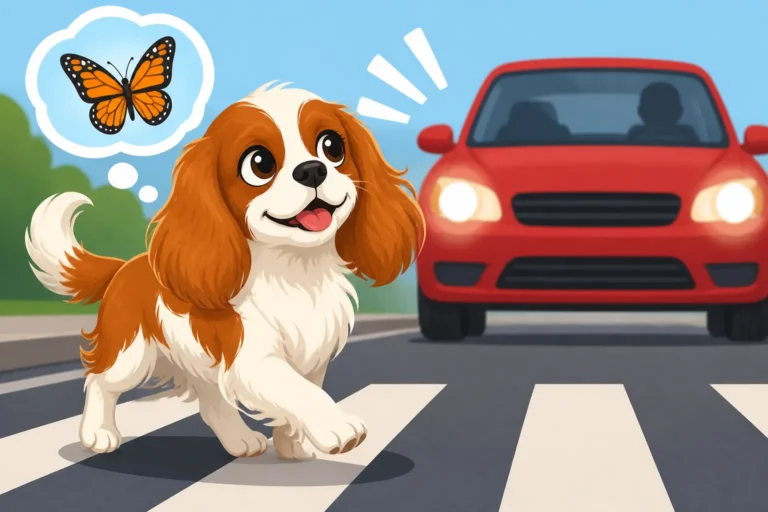
When your Cavalier barks, it's usually an alert, not a threat assessment. An alert means they've noticed something out of the ordinary, and they want to draw your attention to it. This could be anything from a squirrel in the yard, to the mailman, to a leaf blowing past the window. They're essentially saying, "Hey, human, look at this! Do you see it too?" It's a communication, a notification, rather than an aggressive challenge to an intruder. They don't typically size up a situation and decide if someone is a danger; they just report that something is there.
For example, if someone knocks on your door, a Cavalier will likely bark excitedly. This isn't because they perceive the knocker as a threat, but because they are announcing the arrival and likely anticipating a new person to greet. They might run to the door, wagging their tail, barking all the while, ready to make a new friend. This is very different from a dog that stands its ground, barks deeply, and shows signs of aggression or fear, signaling a true threat. You can read more about this specific behavior in A Cavalier That Barks at the Doorbell.
Here's a quick comparison to help illustrate the difference:
| Behavior Trait | True Guard Dog | Cavalier King Charles Spaniel (Alerting Dog) |
|---|---|---|
| Primary Instinct | Protect territory/family, deter threats | Companionship, affection, gentle interaction |
| Response to Stranger | Suspicion, wary posture, deep barks, possible aggression | Curiosity, excitement, friendly barks, tail wags, seeking attention |
| Vocalization Type | Deep, resonant barks; growls; snarls | Higher-pitched barks; excited yips; whining |
| Body Language | Stiff, forward posture; hackles raised; staring | Relaxed, wagging tail; soft eyes; playful bounces |
| Goal of Barking | To drive away or intimidate | To announce presence, seek attention, share excitement |
| Trainability for Guarding | High, naturally inclined | Low, goes against natural temperament |
Common Triggers for a Cavalier's Vocalizations
Cavaliers have a range of reasons for barking, and none of them typically involve protecting you from a true threat in the way a traditional guard dog would. Understanding these common triggers can help you interpret what your Cavalier is trying to tell you.
- Excitement and Greetings: This is perhaps the most common reason. When you arrive home, when guests appear, or even when you simply acknowledge them, they might erupt in joyful barks and wiggles. They're just thrilled to see you or someone new!
- Announcing Arrivals: Whether it's the mail carrier, a delivery person, or a squirrel scampering across the lawn, Cavaliers are often quick to announce anything new or moving outside their window or door. They are simply acting as tiny, adorable neighborhood watch members. Why a Cavalier Announces Everyone Who Walks Past delves deeper into this tendency.
- Seeking Attention: Cavaliers thrive on human interaction. If they feel ignored, a bark or a series of yips can be a very effective way to get your eye, a pet, or a play session. They've learned that vocalization often leads to positive results from their beloved humans.
- Play and Frustration: During enthusiastic play, Cavaliers might bark or "talk" with happy yips. If they're frustrated, perhaps by a toy stuck under the sofa or a treat they can't quite reach, they might also bark to express their exasperation.
- Separation Anxiety: While not a warning bark, a Cavalier who is distressed when left alone might bark excessively as a manifestation of their anxiety. They aren't warning you of danger; they're expressing their fear and loneliness. If you notice this, it's a sign they need help with building confidence when you're away, and resources like those offered by BAXTER & Bella can be incredibly helpful for foundational training and addressing behavioral challenges. This kind of barking is a call for comfort, not a heads-up about a lurking threat. You might want to explore Living With a Cavalier That Panics When Alone if this is a concern for your dog.
- Response to Other Dogs: Cavaliers are generally very social, but they might bark at other dogs on a walk, either out of excitement, nervousness, or a desire to play. This is more about social interaction than a true warning.
It's important to remember that most Cavalier barks are rooted in communication and their social nature. They want you to be aware of what they've noticed, or they want something from you. They are rarely trying to convey a sense of imminent danger or ward off a threat.
Beyond the Bark: Other Cavalier Signals to Heed
While their barks are rarely a protective warning, Cavaliers are masters of communication through body language. Learning to read these more subtle cues can tell you far more about their state of mind than their excited barks. These signals might indicate discomfort, fear, or even pain, which, in a way, serves as a "warning" to you about their own well-being.
Subtle Cues of Discomfort or Fear
A Cavalier who is genuinely uncomfortable or fearful won't typically issue a bold, confrontational warning. Instead, their signals will be much more subdued, often indicating a desire to escape, hide, or avoid the situation entirely. These are critical signals for owners to recognize, as they speak to your dog's emotional state.
Look for these signs of discomfort or fear:
- Lip Licking and Yawning: In a stressful situation, lip-licking (when no food is present) and exaggerated yawning are common appeasement signals, showing they're feeling uneasy.
- Turning Head/Body Away: If your Cavalier tries to avoid eye contact or physically turns their body away from a person or object, they're signaling they want space.
- Low Body Posture or Crouching: A Cavalier that becomes very small, tucks its tail, or crouches low to the ground is likely feeling threatened or extremely nervous.
- Flattened Ears: While Cavaliers' ears naturally hang, ears that are pressed tightly back against their head, especially in conjunction with other fear signals, indicate apprehension.
- "Whale Eye": This is when you can see the whites of your dog's eyes at the corners, often indicating stress or fear, as they are trying to keep an eye on a perceived threat without directly looking at it.
- Trembling or Shaking: If there's no obvious reason for cold, trembling can be a strong sign of fear or anxiety.
- Seeking to Hide: A Cavalier who tries to get behind you, under furniture, or otherwise remove themselves from a situation is clearly signaling distress.
These subtle cues are their way of communicating, "I'm not okay with this." They are not warning you of danger to you, but rather warning you of their own internal discomfort. Recognizing and respecting these signals is vital for building trust and ensuring your Cavalier feels safe with you. If you're concerned about a nervous Cavalier, gentle socialization and confidence-building exercises are key, perhaps guided by online training resources or even specific calming aids found on platforms like Amazon.
When a Change in Demeanor Signals Trouble
Sometimes, a Cavalier's behavior shifts significantly, and this change itself can be a "warning" that something is physically or emotionally wrong. A sudden alteration in their typical sweet, outgoing personality is always worth investigating. They might not bark a specific warning, but their changed demeanor will be a clear signal that they need your attention.
Consider these scenarios:
- Increased Irritability or Snapping: A Cavalier who is normally gentle might snap or growl when touched in a certain spot, or when approached unexpectedly. This is a huge red flag that they are experiencing pain. They aren't trying to be aggressive in a protective way, but rather communicating that they hurt and need space. This is a common warning sign related to conditions like Syringomyelia. If you notice your Cavalier yelping when picked up or showing unusual sensitivity around their neck or head, it's crucial to seek veterinary attention. A Cavalier That Yelps When Picked Up and Whether Sudden Aggression in a Cavalier Is Pain offer important insights into this.
- Withdrawal and Lethargy: A usually playful and affectionate Cavalier who suddenly becomes withdrawn, less interested in walks or play, and spends more time sleeping could be ill or in pain. They are "warning" you that their body isn't right.
- Loss of Appetite or Thirst: Changes in eating or drinking habits are always a reason for concern.
- Changes in Potty Habits: Any sudden accidents inside or difficulty going outside could signal medical issues.
- Excessive Licking or Chewing: If a Cavalier repeatedly licks a specific body part, it could indicate pain, itchiness, or discomfort in that area.
These behavioral changes are your Cavalier's most urgent "warnings." They are telling you, in the most direct way they know, that something is wrong. Always prioritize a veterinary check-up if your Cavalier exhibits an uncharacteristic change in their normal happy-go-lucky disposition.
Nurturing a Confident, Not Concerned, Cavalier
Since Cavaliers aren't wired for protection, your goal as an owner should be to foster a confident, well-adjusted dog who feels secure in their environment, rather than trying to train them to be a guard dog. You want them to alert you without becoming overly reactive or stressed.
Managing Reactivity Without Suppressing Instinct
Cavaliers, like many small dogs, can sometimes be prone to reactive barking if not properly socialized or if they develop anxieties. This isn't a protective instinct; it's often a manifestation of fear, frustration, or overexcitement. For instance, if your Cavalier barks hysterically at every dog they see on a walk, they're not trying to protect you; they might be overstimulated, frustrated they can't greet, or feeling nervous.
You want to acknowledge their alerts but teach them a "quiet" cue. When they bark at the doorbell, for instance, let them bark once or twice to acknowledge their alert, then use a treat to lure them to a designated "place" (like their mat) and reward them for being quiet. This helps them understand that you've heard them and are taking over. Consistency is key here. For structured guidance on these types of behaviors, a reputable online training program can be invaluable. Many owners find programs like those offered by BAXTER & Bella helpful for managing common puppy and adolescent behaviors, including excessive barking, by focusing on positive reinforcement.
It's also important to manage their environment. If your Cavalier barks at everything outside the window, consider using frosted window film or rearranging furniture to reduce visual stimulation. Providing enriching activities, such as puzzle toys or sniff games, can also redirect their energy and focus. Finding engaging toys, perhaps from a wide selection on Amazon, can keep their minds busy and reduce boredom-induced barking.
Training for Calmness in the Face of Novelty
Teaching your Cavalier to remain calm in the face of new experiences or sounds is far more beneficial than trying to encourage a "warning" bark they're not equipped to give. Early and positive socialization is paramount. Expose your Cavalier puppy gently to a variety of sights, sounds, people, and other well-socialized dogs. This helps them build confidence and view the world as a generally safe and friendly place.
Continue reinforcing positive associations with novelty throughout their lives. When a new person comes over, ensure it's a positive experience with treats and gentle greetings. If a strange noise startles them, reassure them calmly rather than making a fuss, which can inadvertently validate their fear. Teaching a strong "settle" or "relax" cue can also be incredibly useful. This involves rewarding your Cavalier for lying down calmly, especially in stimulating environments. Over time, they learn that calmness is a highly rewarded state, even when exciting or new things are happening around them.
Remember, a confident Cavalier is a happy Cavalier. They may not be your first line of defense against an intruder, but they will be your most devoted companion, and they will certainly let you know if a bird lands on the fence or if the Amazon delivery driver has arrived with their new favorite toy! Their gentle nature is a feature, not a bug, and it's what makes them such cherished members of so many families.
Disclaimer
This article is for general informational purposes only and does not constitute professional advice. Laws, prices and regulations vary by location and change over time. Consult a qualified professional for guidance on your specific situation.