Preparing a Cavalier for the Ten Citizen Tests
Bringing your sweet Cavalier King Charles Spaniel through training can sometimes feel like a gentle dance, especially when you encounter all those adorable distractions they love so much. If you're looking to showcase your Cavalier's lovely manners and solidify their training, pursuing the Canine Good Citizen (CGC) title is a fantastic goal. This guide will walk you through preparing your beloved companion for the ten tests, addressing the unique quirks of our Cavaliers along the way.
Understanding the Canine Good Citizen Program
The Canine Good Citizen program, often simply called CGC, is a certification program designed by the American Kennel Club (AKC) to reward dogs who have good manners at home and in the community. It's not just for show dogs; it's for every dog, including our charming Cavaliers. Achieving a CGC means your Cavalier is a reliable, well-behaved member of society, capable of handling various situations calmly. Many people think of it as a basic obedience test, but it's more about practical, real-world manners than complex tricks. It really celebrates what makes our Cavaliers such wonderful companions – their biddable nature and desire to please, once we tap into it.
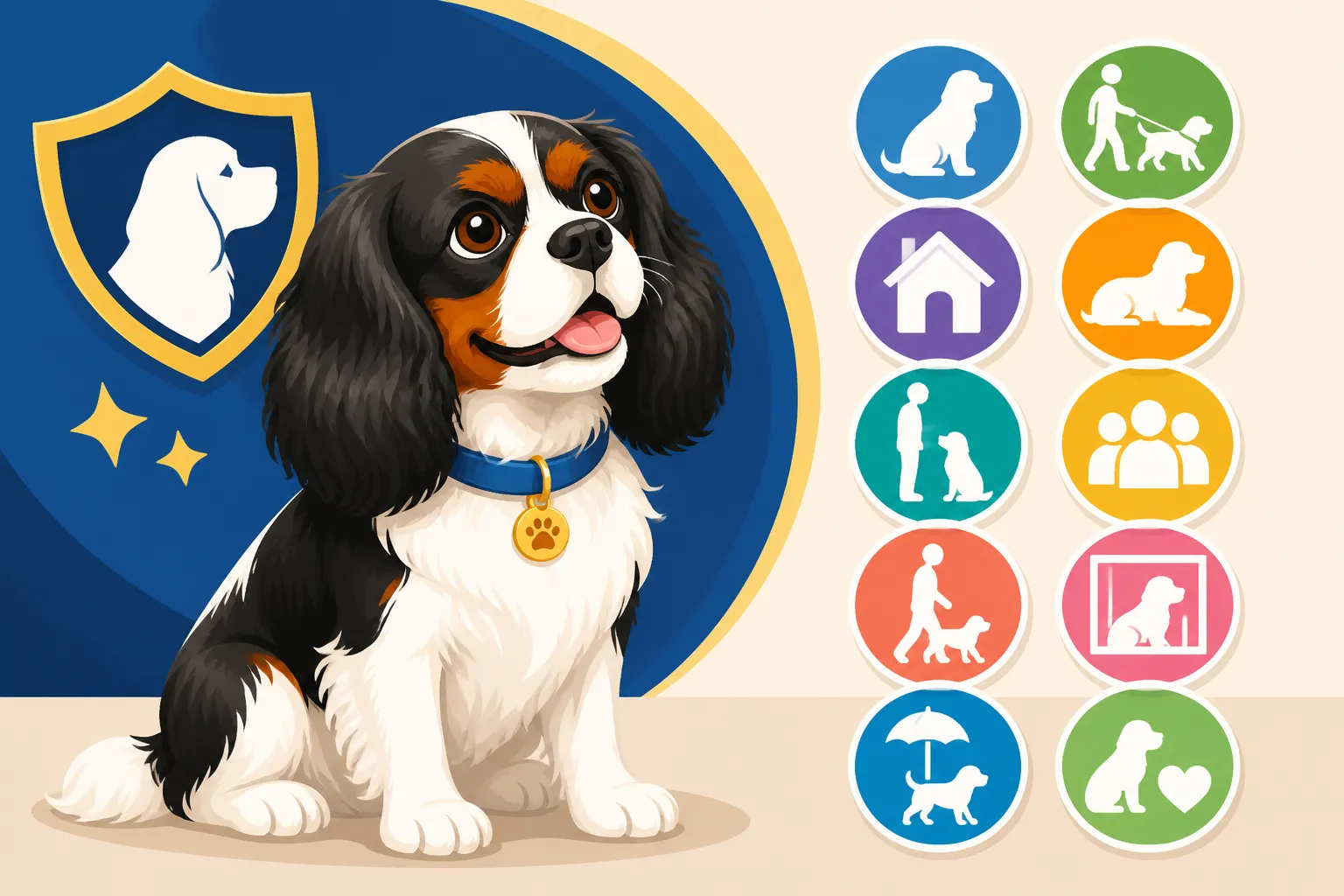
The ten tests themselves cover a range of everyday scenarios. You'll find tests on accepting a friendly stranger, sitting politely for petting, appearing for inspection, walking on a loose leash, walking through a crowd, "sit" and "down" on command (and staying in place), coming when called, reacting appropriately to other dogs, reacting to distractions, and supervised separation. Sounds like a lot, right? But for a Cavalier, many of these skills are already simmering beneath the surface; it's just about refining them. Imagine how proud you'll be when your Cavalier passes with flying colors!
Why the CGC Matters for Your Cavalier
Beyond the bragging rights, earning a CGC title offers tangible benefits for both you and your Cavalier. Firstly, it strengthens the bond you share. The consistent, positive training required for CGC helps build trust and clear communication between you, making your Cavalier feel more secure and understood. Think of it as deepening your shared language.
Secondly, a well-mannered Cavalier is a joy to take out and about. Whether it's a visit to a friend's house, a stroll through a busy park, or even a patio lunch, a CGC-certified Cavalier is more likely to be welcomed and behave appropriately. This means more adventures for both of you! It can also be a stepping stone for therapy dog work, which Cavaliers excel at due to their gentle dispositions. Learning to greet strangers calmly and handle distractions are crucial skills for a dog visiting hospitals or nursing homes. Getting a Cavalier Certified as a Therapy Dog is a fantastic next step once they've mastered their CGC.
Thirdly, the CGC program provides a solid foundation for further training. If you're interested in competitive obedience, rally, or even just teaching more advanced tricks, the skills learned during CGC preparation are invaluable. It teaches you how to teach your dog effectively, using positive reinforcement and clear cues, which is particularly important for sensitive breeds like Cavaliers. It also demonstrates your commitment as a responsible dog owner, which some landlords or insurance companies even recognize with benefits.
Laying the Groundwork: Early Training and Socialization
Preparing your Cavalier for the CGC tests doesn't start the week before the evaluation. It begins the moment you bring your puppy home, with consistent, positive reinforcement and careful socialization. Cavaliers, with their eagerness to please and soft temperaments, respond beautifully to gentle methods, and harsh corrections can actually set them back significantly.
Mastering Basic Obedience Commands
Before you can tackle the specific CGC tests, your Cavalier needs a solid grasp of fundamental obedience commands. These are the building blocks upon which all other training rests.
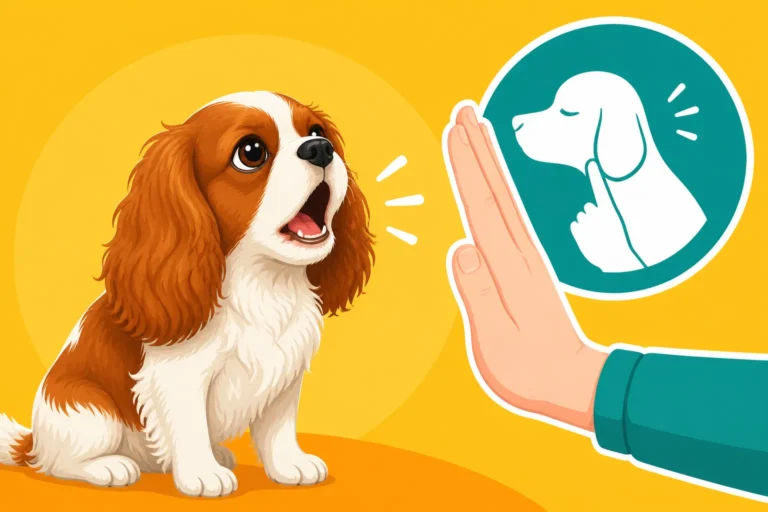
- Sit: This is usually one of the easiest for Cavaliers. Use a treat to lure their nose up and back over their head, causing their rear to drop. Mark the behavior with a "yes!" or a click, and reward immediately. Practice this everywhere – before meals, before going outside, when greeting someone.
- Down: This can sometimes be a bit more challenging for some Cavaliers, as it requires a bit more commitment to the floor. Lure your Cavalier from a sit by moving a treat down between their paws and then out along the floor. Again, mark and reward the moment their elbows hit the ground.
- Stay: Once your Cavalier can reliably sit and lie down, you can introduce the "stay" command. Start with very short durations (1-2 seconds) and small distances. Gradually increase both, always returning to your dog to release them and reward them, rather than calling them to you initially. This builds their understanding that "stay" means waiting until you return. You might find excellent guidance on programs like BAXTER & Bella for structured lessons on these basics.
- Come (Recall): This is arguably one of the most critical commands for any dog, especially a Cavalier who might be tempted by a scent or a friendly face. Make "come" the most exciting word in their vocabulary. Practice in a secure area, making it a game with high-value treats and enthusiastic praise. Never use "come" for something your Cavalier won't like, like going to the vet or getting a bath, as this can poison the cue. Remember, Cavalier Recall and Its Limits is a real concern, so practice, practice, practice!
The Importance of Socialization
Cavaliers are generally friendly, but proper socialization is still key to ensuring they are comfortable and confident in a variety of situations – a must for the CGC tests.
From a young age, expose your Cavalier puppy to a wide range of sights, sounds, smells, people, and other well-behaved dogs. This doesn't mean overwhelming them, but rather creating positive, brief experiences. Think about different surfaces they'll walk on (grass, pavement, gravel), noises they'll hear (cars, vacuums, children playing), and types of people they'll meet (men, women, children, people with hats or glasses). A good puppy class is invaluable for safe, supervised socialization. Socializing a Cavalier Puppy Gently ensures they grow up confident, rather than fearful or overstimulated.
For the CGC, your Cavalier will need to handle a friendly stranger approaching, walk through a crowd, and calmly react to another dog. If your Cavalier is used to meeting new people and dogs in a controlled, positive way, these tests will be much less stressful. Consider taking short trips to pet-friendly stores or quiet parks, always ensuring the experiences are pleasant. Use treats and praise to create positive associations with new encounters.
Deciphering the Ten CGC Tests and How to Train for Them
Now let's break down each of the ten CGC tests and discuss how to prepare your Cavalier specifically. Remember, the goal is not perfection, but polite, controlled behavior.
Test 1: Accepting a Friendly Stranger
Your Cavalier needs to allow a friendly stranger to approach, speak to you, and then acknowledge your dog without shyness or resentment. No jumping, no barking, no hiding.
Cavalier Specifics: Cavaliers are usually quite friendly, sometimes too friendly! The challenge here might be preventing enthusiastic jumping.
Training Tip: Practice having friends or family members (who your dog doesn't see often) approach you, greet you, and then politely acknowledge your Cavalier. Teach your Cavalier to "sit" for greetings. If they jump, the person immediately turns away. Only when all four paws are on the floor do they get attention. Reward calm behavior heavily.
Test 2: Sitting Politely for Petting
The friendly stranger will then pet your Cavalier on the head, body, or chest while you stand beside them. Your dog must remain in a sitting position and enjoy the attention.
Cavalier Specifics: Again, excitement might lead to wiggling or breaking the sit.
Training Tip: Reinforce the "sit" command during petting. Have various people pet your Cavalier for short periods, always rewarding a sustained sit. If your Cavalier tries to get up, gently reposition them and restart. Make sure they associate being petted with staying still.
Test 3: Appearance and Grooming
The evaluator will conduct a quick "inspection" of your Cavalier, including touching their ears, looking at their teeth, and running a hand over their body. This simulates a vet check or grooming session.
Cavalier Specifics: Some Cavaliers can be sensitive about their ears or feet. Early positive experiences with handling are crucial.
Training Tip: Start this early, even with a puppy. Make it a fun routine. Gently touch your Cavalier's paws, ears, and mouth every day, pairing it with treats and praise. Use a soft brush for short grooming sessions. You might use grooming tools from Amazon or a pet supply store to make it a positive experience. This is part of general Handling Exercises for a Cavalier Puppy.
Test 4: Out for a Walk (Walking on a Loose Lead)
Your Cavalier must walk on a loose leash at your side for about 20 feet, turn, and walk back. No pulling, straining, or lagging behind.
Cavalier Specifics: Cavaliers can be easily distracted by scents or new people.
Training Tip: This requires consistent practice. Use a comfortable harness that doesn't put pressure on their delicate neck. Start in a quiet area, rewarding your Cavalier every time the leash is loose. If they pull, stop walking until the leash slackens, then continue. Short, frequent training sessions are more effective than long, frustrating ones. For more guidance, see Leash Manners for a Cavalier That Pulls.
Test 5: Walking Through a Crowd
You and your Cavalier will walk through a small "crowd" of at least three people. Your dog should move politely through the people, without jumping, barking, or straining on the leash.
Cavalier Specifics: Their friendly nature might lead them to try and greet everyone!
Training Tip: Practice in busy but safe environments like a quiet shopping center or a park during off-peak hours. Have friends simulate a crowd, walking gently past you and your dog. Reward your Cavalier for staying focused on you and walking calmly. Use a cheerful voice and tasty treats to keep their attention.
Test 6: Sit and Down on Command and Staying in Place
Your Cavalier must perform a "sit" and "down" on command, then stay in either position for at least 30 seconds while you walk 20 feet away and return.
Cavalier Specifics: Consistency is key here. Cavaliers want to be with you, so resisting the urge to follow can be tough.
Training Tip: Build up duration and distance gradually. Start with short "stays" right next to you, then slowly increase the time before you release them. Once they're solid on duration, add distance, starting with just a step away. Always return to them, then praise and release. This reinforces the "stay" until you give the release cue. Teaching a Cavalier to Lie on a Mat Nearby can be a great way to practice an implied 'stay'.
Test 7: Coming When Called
While your Cavalier is on a 20-foot leash, you'll walk 10 feet away and call them. Your dog must come promptly and sit in front of you or by your side.
Cavalier Specifics: Their natural curiosity and love for people can make distractions high.
Training Tip: This is where high-value rewards shine. Practice in various environments, gradually increasing distractions. Make "come" a fun, exciting game. If they don't come, don't chase them; instead, try to re-engage them or calmly go retrieve them. Avoid punishing them when they do eventually come, even if it took a while, or you'll teach them not to come.
Test 8: Reaction to Another Dog
You and your Cavalier will walk past another dog and handler (about 10 feet apart) without showing aggression, excessive interest, or shyness.
Cavalier Specifics: Many Cavaliers are dog-social, so the challenge might be to not greet the other dog!
Training Tip: Practice parallel walking with a friend and their calm dog. Reward your Cavalier for looking at you instead of the other dog. If they show too much interest, create more distance. The goal isn't to ignore other dogs entirely, but to pass politely without interaction.
Test 9: Reaction to Distractions
The evaluator will introduce common distractions, like a dropping clipboard or a jogging person. Your Cavalier should show only mild interest or startle briefly, quickly recovering and remaining in control.
Cavalier Specifics: Cavaliers can be sensitive to sudden noises or movements.
Training Tip: Slowly introduce your Cavalier to various everyday sounds and movements in a positive way. Start with low-level distractions and gradually increase intensity. For example, gently drop a book, then a pot, while rewarding your Cavalier for remaining calm. Exposure to various Sounds a Cavalier Puppy Should Meet Early helps build their resilience. Make it a game, not a scare.
Test 10: Supervised Separation
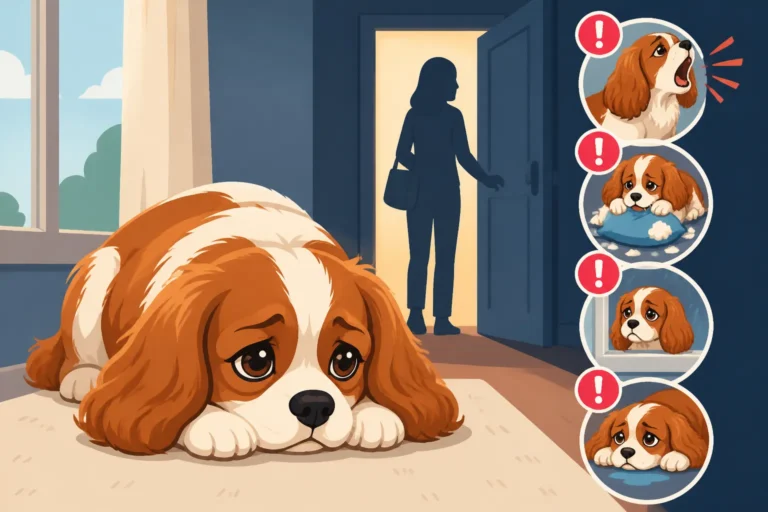
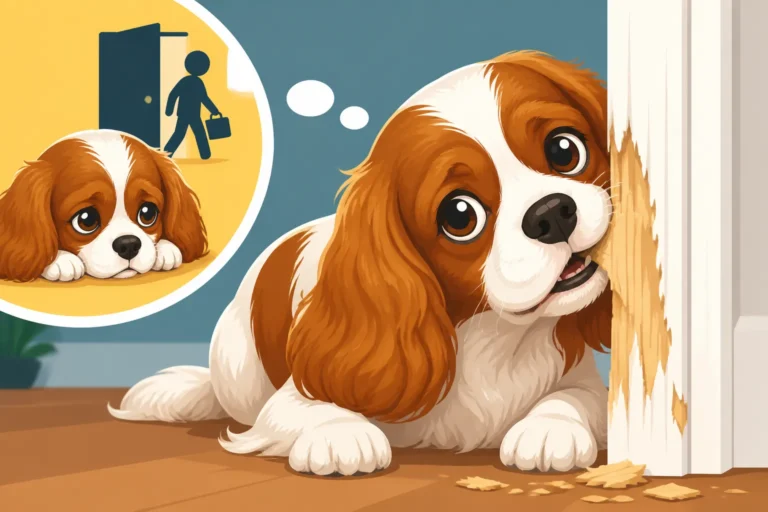
You'll hand your Cavalier's leash to a trusted person (the evaluator or assistant) and disappear from sight for three minutes. Your Cavalier must not show excessive barking, whining, or panicking.
Cavalier Specifics: This is often the hardest for Cavaliers, given their "Velcro" nature and tendency towards separation anxiety.
Training Tip: This test requires significant preparation for many Cavaliers. Start with very short separations at home, building up duration. Leave your Cavalier with a trusted friend for a minute or two, gradually extending the time. Ensure your Cavalier is comfortable being left with other people. For a deep dive into this, check out Living With a Cavalier That Panics When Alone and Building a Cavalier's Tolerance for Being Left. Treats and toys can help create a positive association with your departure.
| CGC Test | Cavalier Challenge | Training Focus |
|---|---|---|
| 1. Friendly Stranger | Over-excitement/jumping | Sit for greetings, calm approach |
| 2. Polite Petting | Wiggling, breaking sit | Reinforce sit during petting |
| 3. Appearance/Grooming | Ear/paw sensitivity | Daily positive handling, praise |
| 4. Loose Leash Walking | Distractions, pulling | Heel drills, stop-and-go method |
| 5. Walking Through Crowd | Greeting everyone | Focus on handler, polite passing |
| 6. Sit/Down & Stay | Desire to follow owner | Gradual increase in duration/distance |
| 7. Come When Called | Distractions, scent | High-value rewards, enthusiastic call |
| 8. Reaction to Other Dog | Over-friendliness | Parallel walks, focus on handler |
| 9. Reaction to Distractions | Startling easily | Gradual exposure to varied sounds/sights |
| 10. Supervised Separation | Separation anxiety | Build tolerance, practice with others |
Cavalier-Specific Considerations for Success
While Cavaliers are generally eager learners, there are a few breed traits that might require a slightly different approach or extra patience when preparing for the CGC.
Leveraging Their Desire to Please (and Their Love of Food)
Cavaliers are people-pleasers at heart. They thrive on positive reinforcement, praise, and, let's be honest, treats! Use this to your advantage. Keep training sessions short, fun, and upbeat, ending on a success. This isn't a breed that responds well to heavy-handed methods or prolonged drills. Think of it as a game where they win by getting a tasty reward.
When choosing treats, think high-value. What does your Cavalier absolutely go crazy for? Cooked chicken, tiny pieces of cheese, or specialized training treats from brands you trust are often big motivators. You'll be asking a lot of them in terms of focus, especially in distracting environments, so make it worth their while.
Addressing Their "Velcro Dog" Tendencies
That famous "Velcro dog" trait, where your Cavalier sticks to you like glue, is adorable but can make the supervised separation test particularly tricky. It also plays into the "stay" commands and even walking through a crowd without constantly checking in with you.
Start working on comfortable independence from a young age. This doesn't mean ignoring them, but encouraging them to settle quietly on their own in the same room. Gradually extend these periods and introduce brief periods where you leave the room. Use puzzle toys or long-lasting chews from a site like Amazon to keep them occupied and create a positive association with your absence. When preparing for the supervised separation, practice with a trusted friend or family member handling the leash while you step out of sight for increasing durations. Never make a big fuss when leaving or returning.
Managing Distractions with a Scent-Driven Spaniel
Remember, at their core, Cavaliers are spaniels. This means they can be easily distracted by interesting smells on the ground or the sight of a bird flitting by. Their natural instincts can override their training in a heartbeat if you're not prepared.
For tests like loose leash walking, walking through a crowd, and recall, you'll need to work on maintaining their focus on you despite these temptations. Start practicing in low-distraction environments and gradually introduce more stimulating ones. Teach a "watch me" command by holding a treat near your eye and rewarding your Cavalier for making eye contact. This becomes invaluable when you need to redirect their attention from a particularly tempting sniff. Practicing short bursts of training, say five minutes at a time, can help keep their attention sharp, as discussed in Five-Minute Training Sessions With a Cavalier.
What to Expect on Test Day
The CGC test day itself can feel a bit nerve-wracking, but remember, the evaluators are looking for cooperation and good manners, not perfection. They understand dogs are not robots.
When you arrive, your Cavalier should be calm and ready to work. It’s helpful to arrive a little early to allow your Cavalier to sniff around the testing area and get comfortable before the evaluation begins. A quick potty break is also a must!
The evaluator will guide you through each of the ten tests. They will explain what is expected for each component. Listen carefully and follow their instructions precisely. You'll typically use your Cavalier's regular collar or harness and a six-foot leash. Treats are usually allowed as long as they aren't used to bribe or lure the dog through a test, but rather as rewards for successful completion of a behavior. Always check with the evaluator beforehand if you have any questions about allowed equipment or rewards.
Take a deep breath, relax, and trust in the training you've put in. Your Cavalier will pick up on your calmness. Even if your Cavalier makes a mistake, just correct gently and move on. The goal is a well-mannered, happy dog, and you've already got that in spades with your wonderful Cavalier.
Disclaimer
This article is for general informational purposes only and does not constitute professional advice. Laws, prices and regulations vary by location and change over time. Consult a qualified professional for guidance on your specific situation.