Whether a Cavalier Handles a Busy Ward
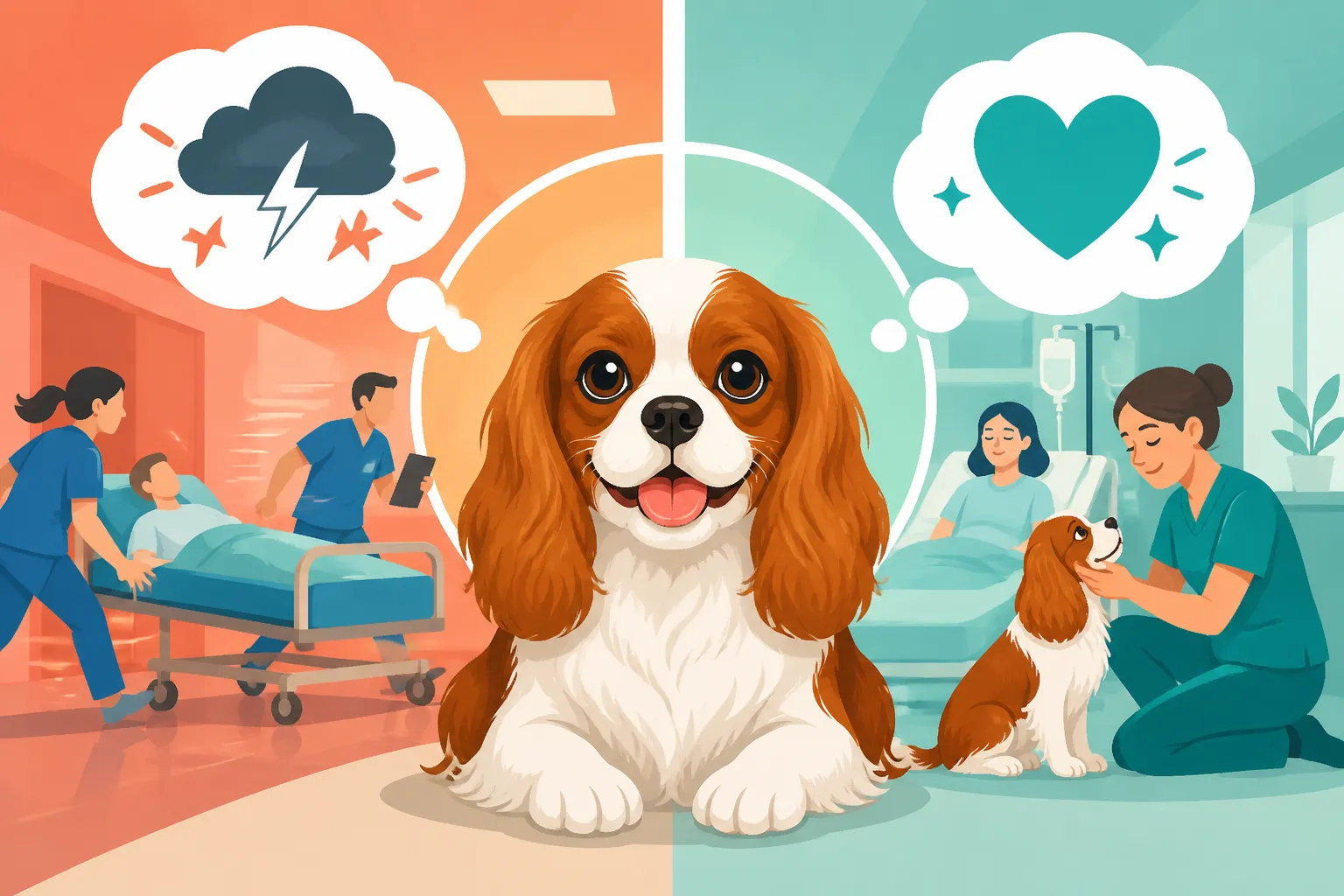
Many of us picture our sweet Cavaliers as natural therapy dogs, bringing warmth and comfort to everyone they meet, especially in challenging environments like hospital wards. The idea of their soft fur and gentle eyes brightening someone's day is incredibly appealing. However, the reality of a busy ward environment—with its unpredictable noises, strange smells, constant activity, and a multitude of unfamiliar people—can be a profoundly overwhelming experience for a dog, even one as loving as a Cavalier King Charles Spaniel. This guide delves into the specific considerations for whether your Cavalier can truly thrive in such a demanding setting, exploring their inherent nature, the unique challenges of a ward, and what it really takes to prepare them for such a significant role, or perhaps, to find a more suitable outlet for their incredible capacity for comfort.
The Cavalier King Charles Spaniel: A Blend of Affection and Sensitivity
Cavaliers are renowned for their affectionate, gentle, and eager-to-please nature. They truly live up to their "comforter spaniel" heritage, thriving on human companionship and interaction. This innate desire to be close to people makes them seem like perfect candidates for therapy work. They often have a soft gaze, a wagging tail, and a natural ability to connect with individuals, making them incredibly intuitive companions. They generally don't have an ounce of aggression and prefer to make friends with everyone, whether two-legged or four.
However, beneath that sweet, outgoing facade lies a breed that is also quite sensitive. Cavaliers are often described as "Velcro dogs" for a reason; they bond deeply with their families and can be prone to Signs a Cavalier Is Distressed When Alone or separation anxiety if not properly conditioned. Their small size and gentle disposition mean they can easily be startled by sudden movements or loud noises. They absorb the emotions around them, which, while beneficial in some settings, can be draining in an environment filled with stress, illness, and grief. Understanding this dual nature – their profound capacity for love and their underlying sensitivity – is the first step in determining if a busy ward is the right place for your particular Cavalier.
Natural Temperament Strengths for Therapy Work
A Cavalier's natural strengths are undeniable when it comes to connecting with people. Their gentle demeanor means they rarely overwhelm anyone, making them ideal for delicate interactions. They are often calm and enjoy being petted, which is a core component of animal-assisted therapy. Their history as lap dogs has imbued them with a profound sense of comfort-giving; they instinctively nudge into a comforting position and offer a soft presence. This inherent sweetness is what draws so many to consider them for therapy work.
Furthermore, their moderate exercise needs mean they're not bouncing off the walls, even in quiet moments. They are generally content to lie by your side, observing the world, yet ready to engage with a gentle tail wag when approached. Their silky coats are wonderfully tactile, providing a soothing sensation for patients who might be experiencing physical discomfort or emotional distress. This combination of calm affection and intuitive understanding makes a well-adjusted Cavalier a truly special presence, but it also highlights how crucial it is that they are well-adjusted and not overwhelmed by the environment itself.
Areas of Sensitivity and Potential Overwhelm
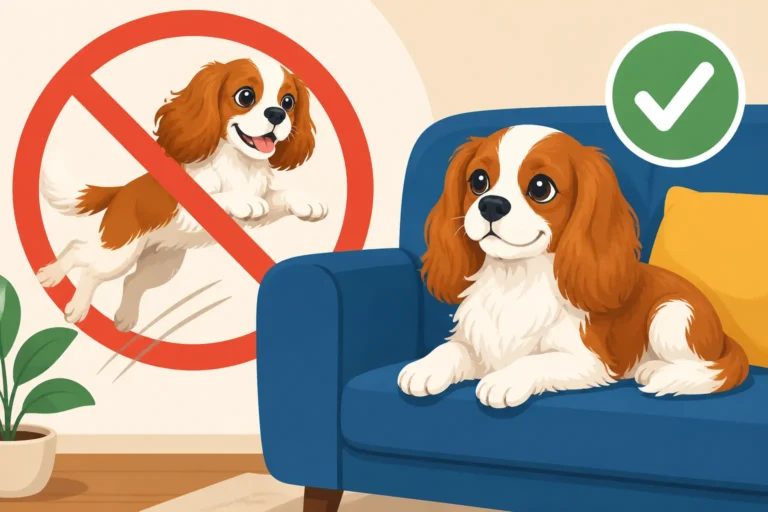
Despite their strengths, a Cavalier's sensitive side can easily be triggered in a high-stress environment. Loud, unexpected sounds – like a dropped tray, a crashing cart, or an alarm – can be genuinely frightening for them. They are not typically a breed known for its robust, unflappable nature. An environment with constant foot traffic, numerous unfamiliar people approaching from different angles, and potentially invasive smells (disinfectants, medicines, body odors) can cause even the most social Cavalier to become withdrawn or anxious. This isn't a failing on their part, but rather a manifestation of their natural predisposition.
Think about a Timid Cavalier That Hides From Visitors at home; imagine that same dog in a bustling hospital corridor. The sheer volume of new stimuli, coupled with the emotional weight of human suffering, can be too much for a dog whose primary goal is usually to find a warm lap and a quiet cuddle. It's crucial to acknowledge that pushing a sensitive Cavalier into a setting beyond their comfort zone isn't beneficial for them, nor is it truly helpful for the people they are meant to assist, as a stressed dog cannot provide genuine comfort.
The Unique Demands of a Busy Ward Environment
Stepping into a hospital or care ward means entering a world governed by different rules and sensory experiences than your Cavalier is used to at home or even in a typical public park. These environments are designed for human care, not canine comfort, and they present a unique set of challenges that can quickly overwhelm a dog, regardless of its good intentions. It's not just about being "good" or "friendly"; it's about being able to process and cope with a continuous stream of potentially stressful input.
Unpredictable Noises and Constant Activity
Imagine the symphony of a busy ward: overhead announcements, ringing phones, the whir and beep of medical equipment, the clatter of food carts, conversations from many voices, and the constant tread of footsteps. For a dog with keen hearing, this cacophony can be disorienting and alarming. Unlike sounds in your home, these noises often have no predictable pattern and can spike suddenly. A Cavalier might be resting peacefully one moment, only to be jolted by a sudden siren outside or the loud cough of a patient.
Beyond noise, there's the incessant movement. Nurses rushing by, doctors huddling, visitors coming and going, cleaning staff, and equipment being wheeled around. This constant flux means there's rarely a quiet, still moment for a dog to truly relax and decompress. A Cavalier needs to be able to navigate this bustling environment safely, without being underfoot or getting caught in the path of a gurney, and without becoming overstimulated or anxious by the sheer volume of movement.
Diverse Interactions and Sensory Overload
In a busy ward, your Cavalier will encounter a vast array of people, each with their own unique movements, voices, and even scents. There will be people in wheelchairs, using walkers, or moving slowly; some might be hooked up to IV drips or have visible injuries. Children might be overly excited, while elderly patients could be frail or confused. The dog needs to remain calm and adaptable to all these different forms of human interaction. A gentle dog who can cope with a toddler pulling an ear, a patient with a shaky hand, or someone who simply wants to gaze at them silently, is essential.
Then there are the smells. Hospitals and care homes have a distinct olfactory signature of disinfectants, medicines, food, and human illness. For a dog with a powerful sense of smell, this can be an overwhelming sensory experience. Unlike the familiar scents of home, these are often strong, clinical, and constantly changing, adding another layer of complexity to the environment your Cavalier must navigate. It's a full-body sensory assault that can be exhausting for a dog not specifically bred and trained for it.
Hygiene, Safety, and Emotional Impact on the Dog
Beyond temperament, there are significant practical considerations. A therapy dog must be impeccably clean, free of parasites, and have up-to-date vaccinations to ensure the safety and health of vulnerable patients. This means regular grooming, including attention to their long, beautiful Cavalier Ear Care Under a Heavy Drop Ear and keeping their feet tidy. Accidents, while rare in a well-trained dog, could have serious consequences in a medical setting, so rock-solid house training is non-negotiable.
Crucially, we must consider the emotional toll on the Cavalier. While they love giving comfort, constantly being exposed to human suffering, distress, and strong emotions can be incredibly draining for an empathetic dog. They can pick up on sadness, fear, and pain, and without adequate breaks and decompression time, this can lead to stress or burnout. A good therapy dog program always prioritizes the welfare of the animal, ensuring they are not overscheduled or placed in situations that compromise their mental well-being. It's not fair to ask a dog to carry the emotional burden of an entire ward without proper support and rest.
Preparing Your Cavalier for Therapy Work: Training and Assessment
If you're still considering therapy work for your Cavalier, the journey begins long before you ever step foot in a ward. It requires a significant commitment to advanced training, rigorous socialization, and an honest assessment of your dog's true aptitude for the role. Not every Cavalier, despite their loving nature, is cut out for the unique pressures of therapy work, and that's perfectly okay. Their greatest calling might simply be to be your cherished companion at home.
Foundational Training and Socialization
The bedrock of any successful therapy dog is an excellent foundation in obedience and extensive socialization. Your Cavalier needs to be reliable in basic commands like "sit," "stay," "down," "come," and "leave it," even amidst distractions. More importantly, they need to be comfortable and calm around strangers of all ages, sizes, and gaits. This means exposing them positively to people using wheelchairs, crutches, and even children who might be a bit clumsy or loud. Investing in a comprehensive online puppy program, perhaps something like BAXTER & Bella offers, can lay an incredibly strong foundation for polite manners and confidence-building from an early age.
Beyond formal classes, intentional socialization means regularly taking your Cavalier to diverse, dog-friendly environments, from busy pet stores (after they're fully vaccinated) to quiet cafes, always ensuring these experiences are positive and not overwhelming. They need to learn to remain calm when new people approach, touch them unexpectedly, or speak in loud voices. This isn't about being perfectly trained; it's about building a robust, resilient temperament that can handle novelty and pressure without becoming anxious or reactive. You might consider specific training like Cavalier Puppy Toilet Training Indoors for apartment living, ensuring they can cope with less frequent outdoor access.
Temperament Assessment and Certification
Before any formal therapy visits, an objective temperament assessment is critical. Therapy dog organizations have specific criteria, not just for obedience, but for a dog's inherent disposition. They look for dogs who are calm, confident, friendly, and non-reactive to strange sights, sounds, and touch. They assess how a dog responds to loud noises, sudden movements, people using mobility aids, and how comfortable they are with being handled by strangers. This is where you honestly evaluate if your Cavalier truly possesses the unflappable nature required, or if their sensitivity might make such work too stressful for them.
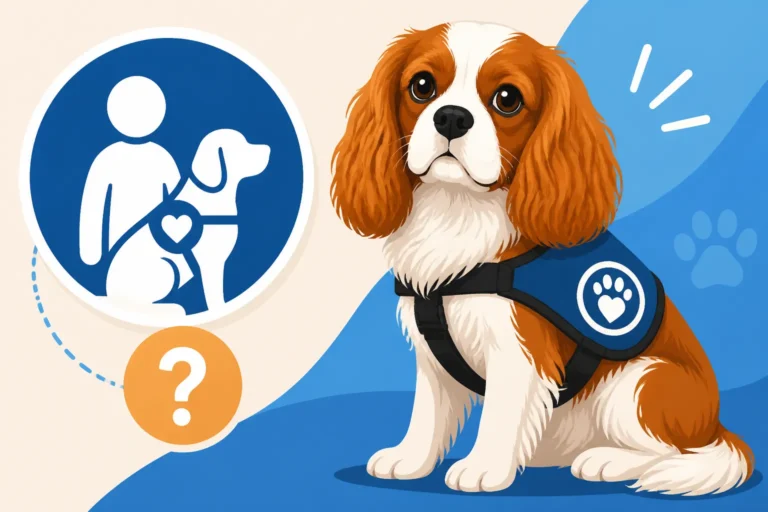
Many organizations offer specific courses to prepare dogs and handlers for the Getting a Cavalier Certified as a Therapy Dog process. These programs simulate therapy environments and help fine-tune your dog's skills. Remember, the goal is not just to pass a test, but to ensure your Cavalier is genuinely comfortable and enjoys the work. If your dog shows signs of stress during these exercises – lip-licking, yawning excessively, avoiding eye contact, or panting – it's a clear signal that this particular role might not be for them, and it's essential to respect those boundaries.
Tools and Strategies for Success
If your Cavalier demonstrates the right temperament and passes assessment, there are practical tools that can aid their comfort and effectiveness. A comfortable, well-fitting harness (you can find many excellent options on Amazon) is essential, as it provides a secure way to guide them without putting pressure on their neck, especially important for breeds like Cavaliers who can be prone to neck issues, so Harnesses Instead of Collars for a Cavalier is a good read. Some handlers also use snoods to keep their Cavalier's ears clean and out of the way, preventing them from dragging in unintended places. Bringing a familiar blanket or mat can also provide a small, portable "safe space" where they can settle and feel more secure amidst the unfamiliarity.
Maintaining a strict schedule of short visits, followed by ample rest and decompression time, is paramount. Even the most confident therapy dog can get tired or emotionally drained. It's your job as the handler to constantly monitor your Cavalier's body language for any signs of stress and to advocate for them, pulling them out of a situation if they appear overwhelmed. Remember, their well-being comes first, always.
Alternatives for Sharing Cavalier Comfort
The good news is that even if a busy hospital ward isn't the right fit for your Cavalier – and for many, it simply isn't – there are countless other ways they can share their incredible capacity for comfort and connection. Not every act of kindness needs to happen in a high-stress environment, and often, more intimate settings allow a Cavalier's true gentle nature to shine even brighter.
Quieter Therapy Settings
Many therapy dog organizations facilitate visits to quieter, less overwhelming environments that are perfectly suited to a sensitive Cavalier. Consider nursing homes or assisted living facilities where interactions might be more predictable, the noise levels lower, and the pace slower. In these settings, one-on-one visits in a resident's room or small group interactions in a common area can be incredibly impactful. The residents often have more time to truly connect with the dog, and the Cavalier can relax into their role as a comforter.
Libraries often host "Read to a Dog" programs, where children practice reading aloud to a calm, non-judgmental canine listener. This provides a wonderfully low-stress environment for a Cavalier to interact with children in a structured, gentle way, without the constant stimulation of a medical ward. These types of settings allow your Cavalier to offer their unique brand of companionship without pushing them past their emotional limits.
Bringing Comfort to Friends and Family
Sometimes, the most profound therapy our Cavaliers offer happens within our own circles. Visiting an elderly relative who lives alone, spending time with a friend recovering from surgery at home, or simply being a loving, stable presence for someone going through a tough time can be a powerful form of therapy. These familiar environments, with familiar faces, reduce stress for your Cavalier while still allowing them to fulfill their innate desire to comfort.
It's easy to get caught up in the idea of formal therapy work, but the simple act of being a loving companion to a neighbor who's feeling blue, or offering a moment of quiet connection to a grieving friend, is a priceless gift. Your Cavalier's presence, their soft fur, and their gentle eyes can be a source of immense solace, proving that you don't need a therapy vest to make a difference in someone's life.
Maximizing Your Cavalier's Happiness as a Companion
Ultimately, the most important role your Cavalier will ever have is being your beloved family pet. Ensuring their happiness, health, and well-being should always be the top priority. If pursuing therapy work causes your Cavalier stress or anxiety, it's a sign that it's not the right path for them, and there's absolutely no shame in that. Their inherent joy, affection, and loyalty are already a constant source of "therapy" for you and your household.
Focus on providing them with a stimulating, loving home environment where they feel safe and secure. Continue with positive reinforcement training, engage them in appropriate play, and ensure they get adequate exercise, whether it's a couple of short walks or just playtime in the yard. Their purpose, above all, is to share their life with you, and that connection is often the most profound comfort of all. Never underestimate the immense value of a happy, well-adjusted Cavalier curled up on your lap, simply being themselves. They are little bundles of joy, and their primary job is to be loved and to love back, no official title required.
| Aspect | Strengths of a Well-Suited Cavalier | Challenges of a Busy Ward Environment | Quieter Therapy Alternatives |
|---|---|---|---|
| Temperament | Affectionate, gentle, eager to please, intuitive, low aggression | High stimulation, unpredictable interactions, emotional absorption | Predictable, calmer interactions, reduced sensory input |
| Noise & Activity | Generally calm, adaptable to home routine | Loud alarms, constant foot traffic, medical equipment sounds, sudden movements | Lower ambient noise, slower pace, fewer sudden changes |
| Interactions | Loves people, usually good with children | Diverse people (ill, disabled, stressed), varied gaits, unexpected touching | More controlled, gentle, one-on-one or small group interactions |
| Sensory Input | Responds well to familiar scents | Strong medical/disinfectant smells, unfamiliar body odors, varied temperatures | Familiar scents, less intense environmental smells |
| Physical Demands | Moderate exercise needs, enjoys being held or resting | Navigating crowded spaces, avoiding equipment, being alert for long periods | Shorter visits, more opportunities to rest, less complex navigation |
| Hygiene/Safety | Relatively easy to groom, good house manners | Strict hygiene protocols, risk of contamination, need for constant vigilance | Controlled environments, lower risk profiles |
| Emotional Impact | Comforting presence, empathetic | High emotional demands, constant exposure to distress, potential for burnout | Less intense emotional demands, more positive emotional feedback |
Disclaimer
This article is for general informational purposes only and does not constitute professional advice. Laws, prices and regulations vary by location and change over time. Consult a qualified professional for guidance on your specific situation.