A Once-Cheerful Cavalier That Turns Withdrawn
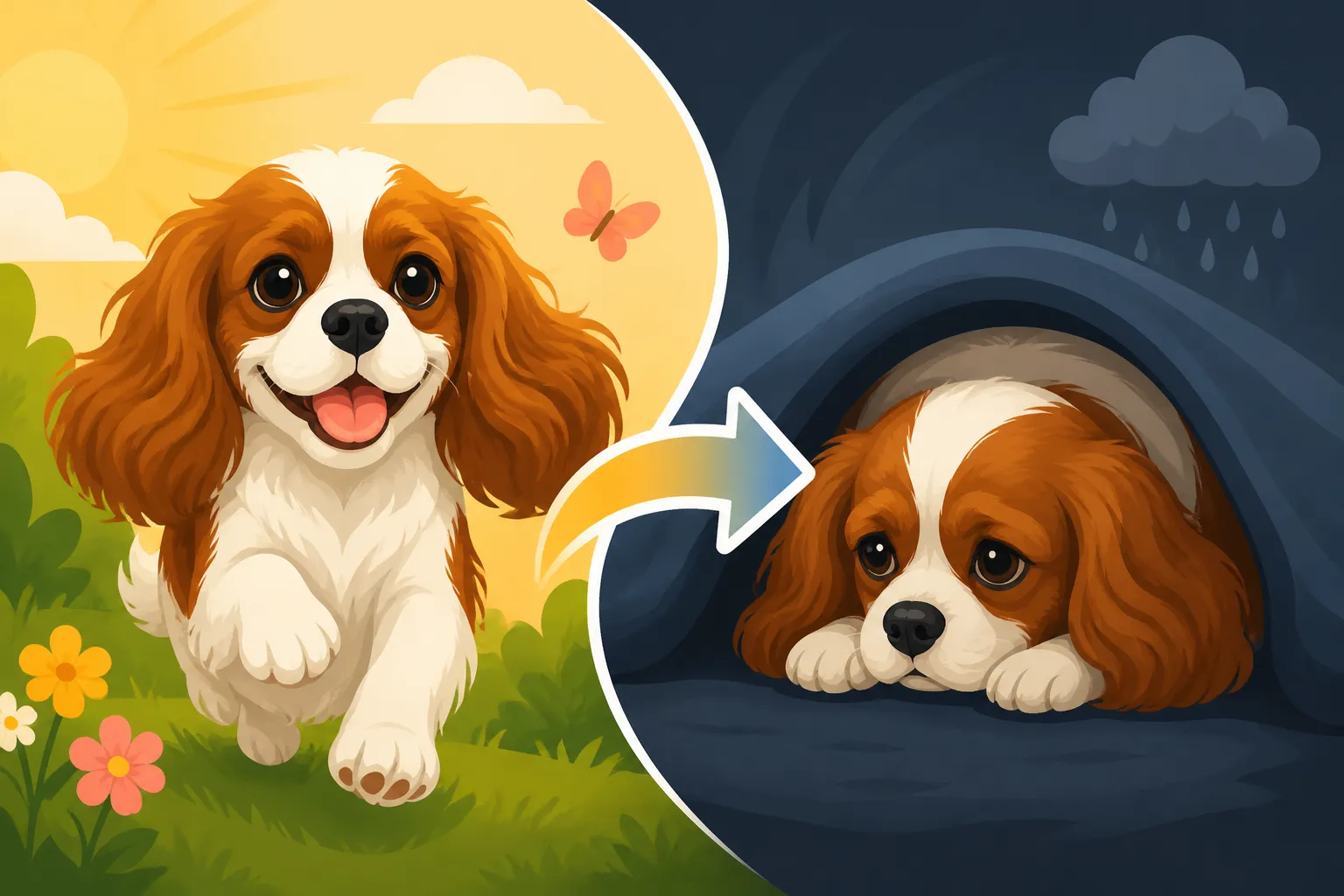
It's truly heartbreaking when your once-bubbly Cavalier, known for their unwavering affection and sunny disposition, suddenly turns withdrawn, quiet, or even seems sad. This change isn't just a fleeting mood; it's a significant shift that signals something deeper is amiss and requires your immediate attention. This comprehensive guide will walk you through understanding why your cheerful Cavalier might become withdrawn, how to spot the subtle signs, and the crucial steps you need to take to help them.
Understanding the Shift: Why a Cavalier Might Become Withdrawn
When your Cavalier, a breed renowned for its loving and outgoing nature, suddenly retreats, it's a huge red flag. They're often called "Velcro dogs" for a reason, always wanting to be by your side, so a change in this behavior is never something to dismiss. It's their way of telling you, in the clearest terms they can, that they're not feeling right.
The Primary Suspect: Pain and Discomfort
Just like us, dogs can experience pain that makes them want to curl up and be left alone. The difference is, our Cavaliers are masters at hiding it. It's an instinctual survival mechanism from their wild ancestors – showing weakness makes them vulnerable. So, if your Cavalier is withdrawn, pain should always be high on your list of suspects.
Think about a time you had a bad headache or a backache; all you wanted to do was lie down quietly and not be bothered. Your Cavalier is no different. They might stop jumping on the sofa, refuse stairs, or even yelp when picked up. Common pain points for Cavaliers can include joint issues like Cavalier Knees, Hips and Joint Problems or Early Arthritis in a Cavalier's Elbows, particularly as they age. They might have a subtle limp or stiffness you only notice after a long walk. Sometimes, the pain isn't obvious musculoskeletal pain but a deep ache from an internal organ issue. They might just seem generally "off," moving more slowly, or reluctant to engage in activities they once loved. A Cavalier suffering from neck or back pain, often associated with conditions like Syringomyelia and Chiari Malformation in Cavaliers, might adopt unusual sleeping positions, such as sleeping with their head raised, or become sensitive to touch around their neck or shoulders. This discomfort can make them withdraw from physical affection, even from the people they love most.
Medical Conditions Beyond Obvious Pain
Beyond direct pain, numerous underlying health issues can manifest as withdrawal or a change in temperament. Cavaliers, unfortunately, are predisposed to several genetic conditions that can slowly chip away at their joyful spirit.
For example, a worsening heart condition, such as Mitral Valve Disease in the Cavalier King Charles Spaniel, might leave them feeling weak, tired, and generally unwell, leading them to be less active and more withdrawn. If their heart disease progresses to congestive heart failure, they might struggle to breathe, particularly at night, leading to coughing at night in a Cavalier, and become too exhausted to engage. Their appetite might decrease, and they might simply lie down more. Issues with their thyroid gland can cause lethargy and a dullness in their personality. Dental disease, which is incredibly common in Cavaliers due to their crowded jaws, can be a constant source of discomfort, making eating painful and contributing to a general feeling of misery. Imagine trying to be cheerful with a severe toothache! Other conditions, like kidney disease or liver issues, can cause toxins to build up in their system, leading to nausea, fatigue, and a general malaise that results in them simply not wanting to participate in family life. Even seemingly minor issues, like recurrent ear infections in a Cavalier, can cause enough discomfort to make them irritable and withdrawn. It’s a cascading effect where physical unwellness directly impacts their emotional state.
Environmental Stressors and Anxiety
While physical health is often the primary cause, don't overlook the impact of their environment and emotional well-being. Cavaliers are incredibly sensitive dogs, and changes in their world can profoundly affect them.
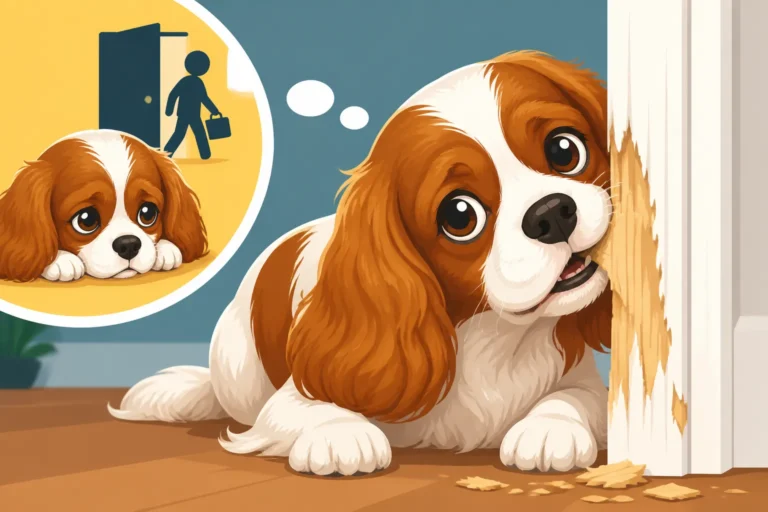
Has there been a recent move, a new pet, or a new person in the house? Even a shift in your work schedule that means they're left alone more can trigger anxiety. Cavaliers are notorious for developing Living With a Cavalier That Panics When Alone, often referred to as separation anxiety, and if their alone time suddenly increases without proper preparation, their withdrawal could be a sign of acute stress or even depression. Loud noises, construction nearby, or even ongoing arguments in the household can create a stressful atmosphere that a sensitive Cavalier absorbs. They might seek out quiet, secluded spots to escape the perceived chaos. Sometimes, it's not a dramatic event but a slow build-up of smaller stressors. A change in their favorite walking route, a new dog barking next door, or even their owner experiencing stress can cause a Cavalier to retreat into themselves. They pick up on our emotions more than we often realize. Ensuring they have a consistent, safe space, like a cozy crate or a quiet room, can sometimes offer them the security they need during stressful times.
Recognizing the Subtle Signs of Withdrawal in Cavaliers
Cavaliers are experts at charming their way into our hearts, and they're equally adept at masking their distress. Learning to read their subtle cues is paramount when they're not their usual cheerful selves. It’s not always dramatic yelping or obvious limping; often, it’s a series of small, cumulative changes.
Changes in Interaction and Affection
One of the most telling signs of withdrawal in a Cavalier is a shift in their willingness to interact. These are dogs bred for companionship, so a desire to isolate themselves is deeply concerning.
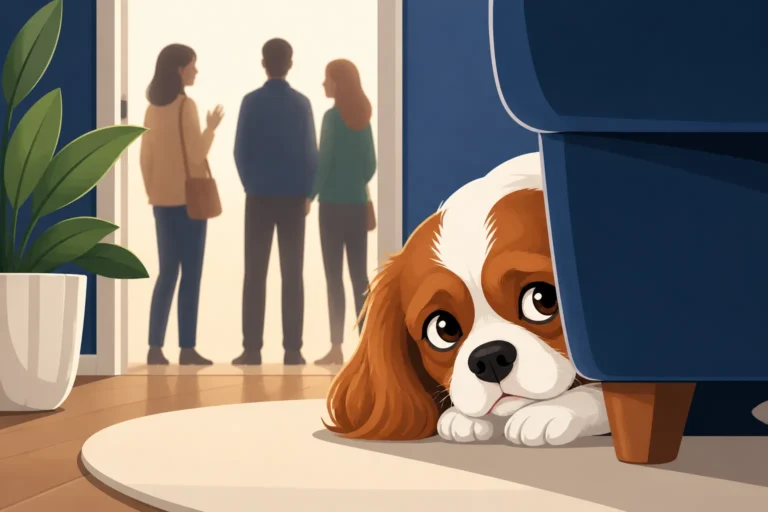
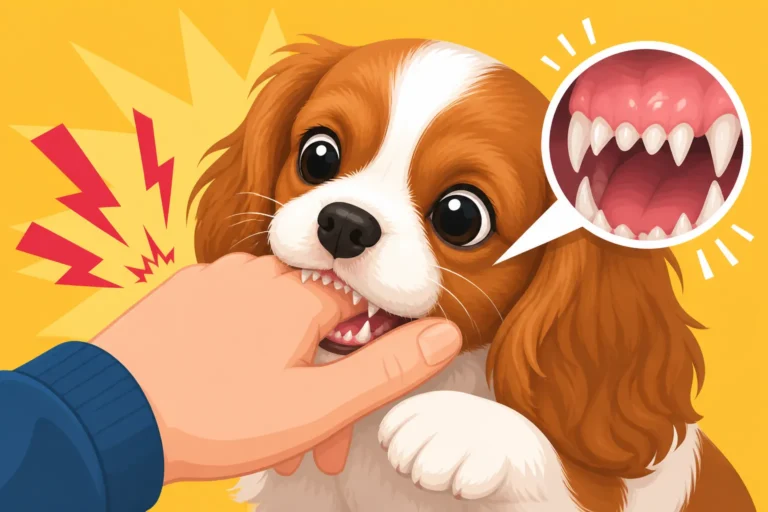
You might notice they no longer greet you with the same enthusiasm at the door, opting instead for a quiet wag or sometimes not even acknowledging your arrival. They might avoid eye contact, a stark contrast to their usual loving gaze. When you reach to pet them, they might flinch, pull away, or even show a low growl or a quick snap – a behavior completely out of character for a normally gentle Cavalier. This isn't aggression; it's often a pain response or a desperate plea to be left alone because they hurt. Instead of curling up on your lap or following you from room to room like a shadow, they might choose to lie in a different room, under a table, or in their bed, seemingly preferring their own company. This isn't just being "independent"; it's a deliberate act of putting distance between themselves and the family unit. Even their tail wags might be less vigorous, or they might hold their tail tucked more frequently, a classic sign of discomfort or anxiety.
Altered Eating, Sleeping, and Play Habits
Beyond direct interaction, withdrawal often manifests in changes to their daily routines – eating, sleeping, and play. These are fundamental aspects of a dog's life, and alterations here are never to be ignored.
Has your Cavalier's appetite dwindled? Are they leaving food in their bowl, or taking a long time to eat meals they once devoured? This could signal nausea, dental pain, or a general feeling of unwellness. Conversely, some anxious Cavaliers might eat more, but it's often a frantic, stress-related eating rather than a healthy appetite. You might observe a significant increase in their sleep, far beyond the usual Cavalier nap schedule. They might sleep more deeply, be harder to rouse, or simply spend more hours lying down, even when the household is active. Their once-favorite toys might lie untouched, and attempts to initiate play might be met with disinterest. A Cavalier that usually loves a game of fetch or a gentle tug might simply turn their head away or walk off. Even short walks, once a highlight of their day, might become a chore, with them lagging behind or showing reluctance to go outside. This decreased stamina can be particularly worrying if they are not typically a lazy dog.
Subtle Body Language Cues
Cavaliers communicate so much through their body language, and understanding these nuances is critical when they're withdrawn. Look for changes in their posture, facial expression, and even involuntary actions.
A Cavalier in pain or distress might adopt a hunched posture, with a lowered head and tucked tail, appearing smaller than usual. Their eyes might look dull, distant, or they might squint slightly. Excessive lip licking, yawning (when not tired), or turning their head away are all calming signals that can indicate stress or discomfort. They might hold their ears lower or flatter against their head than normal. Stiffness or reluctance to move certain parts of their body, like turning their head quickly or jumping, can also be indicators. Watch their gait; do they move fluidly, or are they stiff, hesitant, or favoring a limb? Even changes in breathing patterns, like shallow breathing or increased resting breaths, can signal underlying issues. Sometimes, a subtle tremor or shivering can be present, even if the room temperature is comfortable. These tiny details, when viewed together, paint a picture of a dog that is trying to cope with something challenging.
| Behavior Change | Potential Reason | What to Look For |
|---|---|---|
| Hiding/Avoiding interaction | Pain, anxiety, general malaise | Retreating to quiet spots, not greeting, avoiding touch |
| Decreased appetite | Nausea, dental pain, systemic illness | Leaving food, slow eating, drooling, pawing at mouth |
| Increased sleep/lethargy | Pain, illness, depression, fatigue | Hard to rouse, less active, sleeping in unusual spots |
| Reluctance to play/exercise | Pain, weakness, discomfort, low energy | Ignoring toys, lagging on walks, avoiding jumping |
| Changed posture/movement | Joint pain, back/neck pain, weakness | Hunched back, stiff gait, difficulty rising, head low |
| Unusual vocalizations | Pain, fear, anxiety, cognitive decline | Whining, growling, snapping (uncharacteristic) |
| Restlessness/difficulty settling | Pain, discomfort, anxiety | Pacing, shifting positions, panting |
Your Action Plan: What to Do When Your Cavalier Becomes Withdrawn
When your once-cheerful Cavalier turns withdrawn, it’s a plea for help. Swift, thoughtful action is key to understanding and addressing the root cause. This isn't a situation where you can "wait and see."
Immediate Veterinary Consultation and Diagnostic Steps
The absolute first step is a comprehensive veterinary visit. A change in a Cavalier's personality, especially withdrawal, is almost always linked to a physical or medical issue that only a vet can properly diagnose.
Schedule an appointment as soon as possible, and be prepared to provide a detailed history. Write down everything you've observed: when did the changes start? What specific behaviors have you noticed? Have there been any other changes in eating, drinking, urination, or defecation? Has anything changed in their environment or routine? The more information you can give your vet, the better. Your vet will start with a thorough physical examination, checking their joints, teeth, abdomen, and listening to their heart and lungs. Given that Cavaliers are prone to heart issues, a careful listen for a murmur is crucial. If a murmur is present, understanding What a Heart Murmur Grade Means in a Cavalier can help guide further steps. They might recommend diagnostic tests such as blood work to check for organ function, infection, or inflammation. X-rays could be ordered to look at joints, spine, or internal organs. In some cases, especially if neurological pain is suspected, a referral to a specialist for an MRI scan might be necessary to look for conditions like Syringomyelia. Don't be afraid to ask questions and discuss all possible avenues. Sometimes, a full workup is needed to pinpoint the exact issue, and that's okay. The goal is to rule out medical causes first, as they are often the most urgent.
Reviewing Their Environment and Routine
While you await veterinary results or after a diagnosis, it's also crucial to assess your Cavalier's living situation. Even if there's a medical issue, environmental factors can exacerbate it.
Consider if there have been any recent major changes at home. Did you move? Did someone new move in, or did a family member move out? Even small changes can affect a sensitive Cavalier. Evaluate the noise levels in your home; a constant noisy environment can be very stressful. Ensure your Cavalier has a quiet, comfortable, and accessible "safe space" where they can retreat if they feel overwhelmed or are in pain. This could be a soft dog bed in a low-traffic area, a cozy crate with a blanket over it, or even just a designated corner of a room. Make sure their resources – food, water, and bed – are easily reachable and that they don't have to navigate stairs or slippery floors if they're struggling with mobility. Think about their routine: are they getting enough rest? Are their walks appropriate for their current physical condition, especially if they're already A Cavalier That Tires on Short Walks due to a health issue? If you use a brand like BAXTER & Bella for training or enrichment, consider if any recent changes to their routine might be contributing to stress. Sometimes, simplifying their environment and providing predictability can offer immense comfort.
Supporting Your Cavalier Through the Process
Once you've identified the potential causes, or even while you're still investigating, your emotional support is invaluable. Your Cavalier needs gentle understanding and reassurance more than ever.
Avoid forcing interaction or affection if they're showing signs of wanting to be left alone. Instead, offer gentle, quiet presence. Speak to them in a soft, reassuring voice. If they come to you, offer calm petting in areas you know they tolerate, avoiding any places that might be painful. Maintain as much of their regular routine as possible, as predictability is comforting. For instance, stick to meal times, even if they're not eating much, and regular, short potty breaks. If they are on medication, ensure it is given consistently. You might find useful products on Amazon, like a pill dispenser or specific soft treats to hide medication, to make this easier. Provide mentally stimulating toys or puzzles that don't require physical exertion, especially if they are experiencing pain. This can help keep their minds engaged without adding to physical discomfort. Remember, patience is key. Recovery, both physical and emotional, can take time. Your consistent, gentle care will be a huge part of their healing journey. Living With a Cavalier That Has Syringomyelia or other chronic conditions requires a long-term commitment to comfort and management.
When your once-cheerful Cavalier turns withdrawn, it’s a clear signal that something isn't right. This significant shift in behavior is often rooted in pain, underlying medical conditions, or environmental stressors, and it's your loving responsibility to investigate and address it. By acting swiftly with a veterinary consultation, carefully assessing their environment, and offering unwavering, gentle support, you can help your beloved companion find their way back to their happy, affectionate self. Early intervention and patience are your greatest tools in restoring their joy and comfort.
Disclaimer
This article is for general informational purposes only and does not constitute professional advice. Laws, prices and regulations vary by location and change over time. Consult a qualified professional for guidance on your specific situation.