Whether a Cavalier Needs Puppy Food Past Ten Months
It's a common dilemma for Cavalier King Charles Spaniel owners: your sweet, fluffy puppy is growing up fast, but when exactly do you switch them from that specially formulated puppy food to an adult diet? It feels like one minute they're a tiny bundle, and the next they're nearly full-grown, leaving many of us scratching our heads about their changing nutritional needs and the right timing to make that crucial switch. This guide will walk you through the nuances of Cavalier growth, the purpose of puppy food, and how to confidently transition your beloved companion to an adult diet at the ideal moment.
Understanding Cavalier Growth Stages
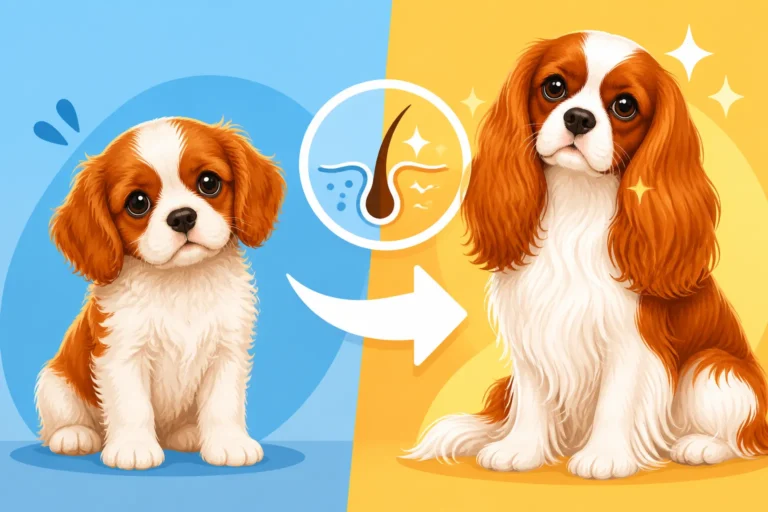
Cavalier King Charles Spaniels are a small breed, and while they might seem to stay in puppy mode forever with their playful antics, their physical growth stages are quite distinct. Knowing these stages helps immensely in understanding their dietary requirements.
The Rapid Growth of Puppyhood
For the first few months of their lives, Cavalier puppies are essentially tiny growth machines. From the moment they arrive home around 8-10 weeks, they are in a period of intense development. Their bones are lengthening, muscles are forming, and their internal organs are rapidly maturing. This phase demands a high intake of calories, protein, and specific nutrients to fuel all that crucial building work. Think of it like building a house – the foundations and framing require a lot of material and energy to put in place quickly. During this time, every meal is supporting fundamental developmental processes, from their immune system to their developing nervous system. A diet specifically designed for puppies provides the concentrated energy and nutrient density required to support such rapid and demanding growth without them having to eat an impossibly large volume of food.
Slowing Down: Adolescence and Nearing Maturity
Around six to eight months of age, you'll likely notice a shift. While your Cavalier might still have spurts, the breakneck speed of their early growth starts to taper off. They're entering adolescence, a phase where their body is refining itself rather than just rapidly expanding. Their height might be close to its adult stature, and they're filling out, developing more muscle tone, and gaining the last few pounds of their adult weight. This is a critical period because while they still need good nutrition, the excessive caloric intake of true puppyhood can quickly become detrimental. If the rapid growth diet continues, those extra calories don't go into building bones; they go into fat reserves, setting the stage for potential weight problems down the line. It's about recognizing that their metabolism is starting to settle, and their energy requirements are becoming more about maintenance and less about explosive growth.
When is a Cavalier Truly "Adult"?
Defining "adulthood" for a Cavalier isn't just about their chronological age; it's also about their physical maturity. For most small breeds like the Cavalier King Charles Spaniel, full physical maturity is typically reached between 9 to 12 months. This means their growth plates have usually closed, they've achieved their adult height and weight (or are very close to it), and their metabolic rate has stabilized. A Cavalier around this age will have lost most of their awkward puppy gangliness and will present with a more mature body shape. However, individual variations can occur. Some Cavaliers might be slightly slower to mature, especially if they are on the larger side of the breed standard. Observing their body condition, feeling their ribs (you should be able to feel them easily without seeing them, even under their beautiful feathering), and noticing if they are still growing taller are key indicators. Reaching this stage means their body's primary nutritional need shifts from intensive growth to maintenance, repair, and overall health support.
Why Puppy Food is Formulated Differently
It's not just a marketing gimmick; puppy food is genuinely different from adult dog food, and these differences are vital for a growing Cavalier.
Higher Calories and Fat for Energy
Imagine trying to keep a toddler still – it's a constant motion machine! Cavalier puppies are much the same. They burn an incredible amount of energy through play, learning, and simply growing. Puppy food is designed with a higher caloric density, meaning more calories packed into each serving, often through increased fat content. This ensures that their small stomachs can take in enough energy without having to eat an overwhelming quantity of food. This energy supports their boundless curiosity, their zoomies around the house, and the constant cellular activity involved in development. Without this concentrated energy, a growing puppy might struggle to maintain weight, feeling lethargic or even failing to thrive.
Essential Nutrients for Bone and Muscle Development
Beyond just calories, puppy food boasts a carefully calibrated balance of macro and micronutrients crucial for forming strong bones and healthy muscles. Specifically, the ratios of calcium and phosphorus are often higher and more precise than in adult food. These minerals are the building blocks for skeletal structure, and getting the balance right is paramount to prevent orthopedic issues later in life. Too much or too little can lead to developmental bone problems, which are especially concerning for a breed that can be prone to joint issues like Loose Kneecaps in a Thirteen-Pound Cavalier. High-quality puppy foods also provide higher protein levels to support muscle growth and repair, along with a full spectrum of vitamins and minerals to bolster their rapidly developing immune systems and organ function.
DHA for Brain and Vision
One of the standout ingredients often found in premium puppy foods is DHA (docosahexaenoic acid), an omega-3 fatty acid. DHA plays a critical role in the development of a puppy's brain and vision. In nature, puppies would get this from their mother's milk, but as they transition to solid food, supplementing this becomes vital. Studies have shown that puppies fed diets enriched with DHA often exhibit improved cognitive function, making them more trainable and better at problem-solving. This isn't just about intelligence; it's about supporting the healthy development of their nervous system, which impacts everything from coordination to emotional regulation. Look for ingredients like fish oil or algal oil on the label to ensure your puppy is getting this important nutrient during their formative months.
The Risks of Feeding Puppy Food Too Long (or Switching Too Soon)
While puppy food is essential for growth, extending its use past the appropriate age or switching too early can introduce a host of problems for your Cavalier. It's a fine line to walk, and understanding the potential pitfalls helps you make an informed decision.
Weight Gain and Obesity Concerns
This is arguably the biggest risk of continuing puppy food for too long, especially for a breed like the Cavalier King Charles Spaniel, who are notorious for loving their food and gaining weight easily. As we discussed, puppy food is calorie-dense. Once your Cavalier's rapid growth phase concludes, those extra calories are no longer channeled into building bone and muscle. Instead, they're stored as fat. An overweight Cavalier faces a significantly increased risk of various health problems, most notably exacerbating their predisposition to Mitral Valve Disease in the Cavalier King Charles Spaniel. Carrying extra weight puts additional strain on their heart and joints, potentially shortening their lifespan and reducing their quality of life. Even a pound or two extra on a small breed like a Cavalier can make a huge difference, making it much harder for their tiny bodies to move around and breathe comfortably.
Imbalanced Nutrients for Maturing Bodies
Beyond just calories, the specific balance of nutrients in puppy food, while perfect for a growing pup, isn't ideal for a mature dog. For instance, the higher levels of calcium and phosphorus, designed to support rapid bone growth, can actually become detrimental for adult dogs. Excessive calcium intake in adult dogs can contribute to orthopedic issues and even interfere with the absorption of other essential minerals. Similarly, the higher protein levels might not be necessary for maintenance and could put undue strain on a mature dog's kidneys over time, especially as they age. It's about providing what the body needs at its current stage, not what it needed yesterday. Continuing to feed an adult-sized Cavalier puppy food is like feeding an adult human baby formula – it provides calories, but not the right balance for their mature physiology.
Digestive Upset from Abrupt Changes
Regardless of when you decide to transition your Cavalier's food, doing it too quickly can lead to digestive upset. Dogs, like humans, have a delicate balance of bacteria in their gut that helps them digest their food. An abrupt change in diet can disrupt this balance, leading to symptoms like diarrhea, vomiting, and a general lack of appetite. This is why a gradual transition is always recommended. Your Cavalier's digestive system needs time to adapt to the new ingredients, different protein sources, and changes in fiber content. Rushing the process might save you a day or two, but it could result in several days of a miserable dog and extra clean-up for you. Patience is definitely a virtue when it comes to dietary changes for our furry friends.
How to Determine the Right Time for Your Cavalier
So, when is the right time? There's no single magic number, but a combination of factors will guide you to the best decision for your individual Cavalier.
Consulting Your Veterinarian
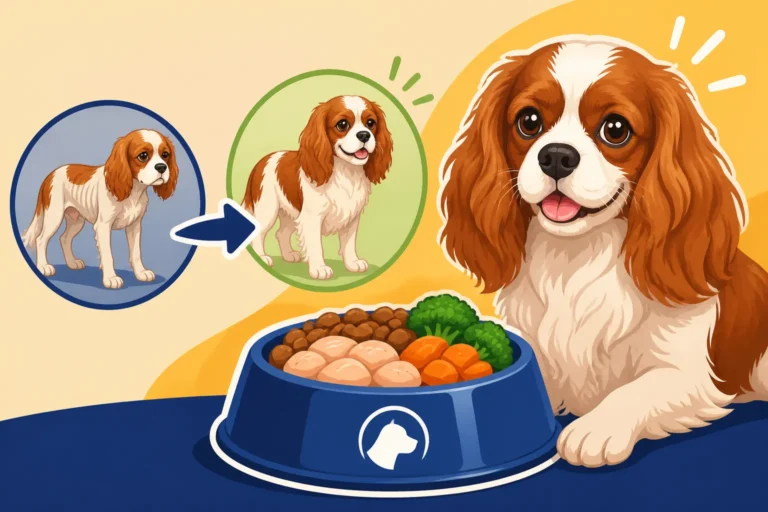
Without a doubt, the most reliable and personalized advice will come from your veterinarian. During your Cavalier's routine check-ups, especially around the 6-10 month mark, your vet will assess their growth, body condition score, and overall health. They can tell you if your Cavalier is on track, if they're leaning towards being overweight, or if there are any specific health concerns that might influence the timing of their food transition. They can also offer guidance on suitable adult food brands or types that might be beneficial for your dog's specific needs. Don't hesitate to ask them directly: "Is my Cavalier ready to switch to adult food, or should we wait a little longer?" This professional insight is invaluable and should be the cornerstone of your decision-making process.
Observing Your Cavalier's Physical Development
While your vet offers clinical advice, you're the one seeing your Cavalier every day. Pay close attention to their physical development. Are they still growing taller, or has their height seemed to plateau? Are they filling out with muscle, or are they starting to look a little soft around the middle? A good indicator of appropriate weight is being able to easily feel their ribs when you run your hands along their side, but without the ribs being visibly prominent. Their waist should also be noticeable when viewed from above. If your Cavalier seems to have reached their full adult size and is maintaining a healthy weight, it's a strong sign they might be ready for adult food. If you're unsure, you can also compare their current weight to the breed standard for adult Cavaliers (typically 13-18 pounds) and consider if they've settled into that range.
Reading Food Labels and Breed-Specific Guidelines
Dog food manufacturers often provide guidelines on their packaging regarding the appropriate age for switching from puppy to adult formulas. For small breeds like Cavaliers, this recommendation usually falls between 9 to 12 months. It's always a good idea to check the specific brand you're currently feeding. Some premium brands even offer "all life stages" formulas, which are designed to meet the nutritional needs of both puppies and adult dogs, simplifying the transition. However, even with these, it's wise to monitor your Cavalier's weight closely. For example, if you're browsing options on Chewy or Amazon, you'll see many brands clearly state "for puppies up to 12 months" or "small breed adult." These labels are a good starting point, but always cross-reference with your vet's advice and your dog's individual development.
Here's a quick comparison of general nutritional differences:
| Feature | Puppy Food | Adult Food |
|---|---|---|
| Caloric Density | Higher (to support rapid growth) | Moderate (for maintenance and energy) |
| Fat Content | Higher (source of concentrated energy) | Moderate (for healthy skin, coat, and energy) |
| Protein | Higher (for muscle development) | Moderate (for muscle maintenance and repair) |
| Calcium/Phosphorus | Higher and specifically balanced for growth | Moderate (for bone maintenance, not rapid growth) |
| DHA | Often supplemented (for brain/vision) | Less common or lower levels |
| Bag/Can Size | Often comes in smaller bag sizes | Available in various sizes |
Making the Transition to Adult Food Smoothly
Once you've decided it's time to switch your Cavalier to adult food, the next step is to make the transition as smooth as possible to avoid any digestive upset.
Gradual Introduction Over Several Days
This is perhaps the most important rule of food transition. An abrupt change can shock your Cavalier's digestive system, leading to diarrhea or vomiting. The key is to introduce the new food slowly, mixing it with their current puppy food over a period of about 7-10 days.
Here’s a common schedule you can follow:
- Days 1-2: 75% old food, 25% new food
- Days 3-4: 50% old food, 50% new food
- Days 5-6: 25% old food, 75% new food
- Days 7-10: 100% new food
Throughout this process, observe your Cavalier closely. Watch for any changes in their stool consistency, appetite, or energy levels. If you notice any signs of digestive upset, slow down the transition. For example, if diarrhea occurs on day 3, go back to the Day 1-2 ratio for a few more days before trying to increase the new food again. Some Cavaliers have more sensitive stomachs than others, so be prepared to adjust the timeline as needed.
Choosing the Right Adult Formula
Selecting the right adult food goes beyond just the "adult" label. For a Cavalier, opting for a formula specifically designed for small breeds is often beneficial. These foods typically have smaller kibble sizes, which are easier for a Cavalier's small mouth and crowded jaw to chew. They also tend to be formulated with the metabolic needs of small breeds in mind, often with appropriate calorie levels to help prevent weight gain. When you're shopping, whether in a local pet store or through online retailers like Chewy, look for high-quality ingredients with a named meat source (e.g., "chicken meal" rather than "meat by-products") as the first ingredient. Consider your Cavalier's individual needs: do they have a sensitive stomach? Are they prone to allergies? There are many specialized formulas available, including limited ingredient diets or those fortified with probiotics, that can address these specific concerns. Brands like Ollie, known for fresh, human-grade ingredients, might also offer appropriate small breed or custom meal plans that you could explore.
Monitoring Weight and Energy Levels
The transition doesn't end when your Cavalier is eating 100% adult food. Ongoing monitoring is crucial. Keep a close eye on their weight; weigh them regularly, perhaps once a week initially, and then monthly. This is especially important for Cavaliers, given their propensity for weight gain and its impact on heart health. Also, observe their energy levels. Are they still bright, playful, and full of their usual Cavalier zest? Or do they seem lethargic or excessively hungry between meals? A sudden drop in energy or a constant begging for food might indicate that the new diet isn't providing enough calories, or perhaps they're not absorbing the nutrients effectively. Conversely, a sudden surge in weight could mean the food is too calorie-dense, or you might be feeding too much. Adjusting portion sizes based on their activity level and body condition will be an ongoing task throughout their life. Remember, every dog is an individual, and their ideal portion size can vary even within the same breed.
Special Considerations for Cavalier King Charles Spaniels
Cavalier King Charles Spaniels, for all their charm, come with a specific set of health considerations that heavily influence their dietary and care needs. Understanding these nuances is crucial for their long-term well-being.
Predisposition to Weight Gain and Heart Health
It’s a sad reality that a significant number of Cavaliers will develop Mitral Valve Disease in the Cavalier King Charles Spaniel at some point in their lives, often as early as middle age. One of the most impactful things you can do to manage this risk and support their heart health is to maintain an ideal body weight. As discussed earlier, Cavaliers love their food, and those soulful eyes can be very persuasive at mealtime. Puppy food, being calorie-dense, can quickly lead to excess weight in a maturing Cavalier. Even a slight increase in weight puts additional strain on their heart and circulatory system, potentially accelerating the progression of MVD or worsening its symptoms.
When transitioning to adult food, choose a formula appropriate for their activity level, and be diligent with portion control. Regularly assess their body condition score, ensuring you can feel their ribs and they have a discernible waist. If your Cavalier is diagnosed with heart disease later in life, your vet might recommend specific Prescription Cardiac Diets for a Cavalier that are typically lower in sodium and contain other supportive nutrients, making early weight management even more critical to keep those options open.
Joint Health and Growth Plates
Cavaliers can also be prone to orthopedic issues such as patellar luxation (loose kneecaps) and hip dysplasia, especially if they are particularly active or prone to jumping. While diet alone can't prevent genetic conditions, proper nutrition during their growth stages is paramount for developing strong, healthy joints. The careful balance of calcium and phosphorus in puppy food is designed to support the correct development of bones and growth plates. Overfeeding puppy food or switching to an adult food with an inappropriate calcium balance too early (or too late) can potentially contribute to bone and joint developmental problems.
Once they transition to adult food, a diet that includes ingredients supporting joint health, like glucosamine and chondroitin, can be beneficial, particularly as they age. While these supplements are more often found in senior formulas, some adult small breed foods include them. Ensuring your Cavalier stays at a healthy weight also significantly reduces the stress on their joints, which is crucial for preventing or managing conditions like Early Arthritis in a Cavalier's Elbows.
Dental Health in a Crowded Jaw
Cavalier King Charles Spaniels often have crowded teeth due to their relatively small mouths, a characteristic common in many toy breeds. This crowding can lead to an increased risk of dental disease, as food particles and plaque are more easily trapped between teeth. While puppy teeth will eventually be replaced by adult teeth, establishing good dental habits early is important.
When selecting an adult kibble, consider the size and shape. Smaller, appropriately sized kibble encourages chewing, which can help mechanically clean the teeth and reduce plaque buildup. Some adult dental formulas are designed with a unique texture to scrape away plaque as the dog chews. However, kibble alone is rarely enough. Regular brushing is key, even with a crowded jaw. Incorporate tooth brushing into your routine as soon as your puppy is comfortable with it, and ask your vet about professional dental cleanings as your Cavalier ages. Remember, Dental Cleanings a Cavalier Will Need are a normal part of their care, and good nutrition alongside good hygiene can help delay the need for extensive procedures.
Disclaimer
This article is for general informational purposes only and does not constitute professional advice. Laws, prices and regulations vary by location and change over time. Consult a qualified professional for guidance on your specific situation.