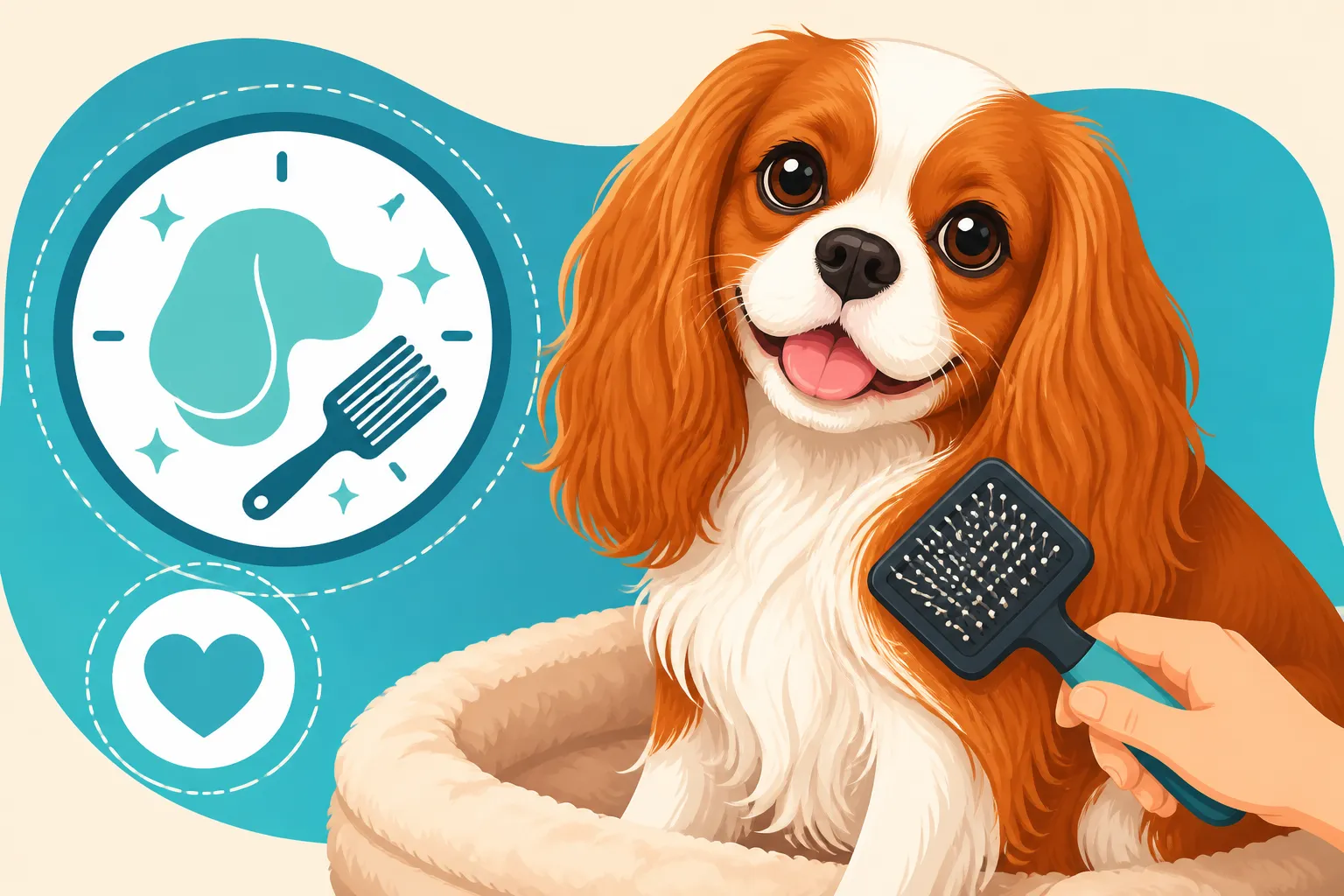
How Often a Cavalier Needs Brushing
If you're a Cavalier King Charles Spaniel owner, or dreaming of becoming one, you've probably already fallen for that glorious, flowing coat. It's truly one of their most defining features – soft, silky, and oh-so-pettable. But let's be real, that beauty doesn't just happen. Many new Cavalier parents wonder just how much effort that lovely coat demands to keep it looking pristine and, more importantly, free from painful mats. This guide is here to walk you through the ins and outs of Cavalier brushing, from recommended frequency to the tools and techniques that will make grooming a bonding experience rather than a chore.
Why Your Cavalier's Coat Demands Consistent Brushing
It's not just about looking pretty on your daily stroll; regular brushing is absolutely essential for your Cavalier's health and comfort. Their single coat, while stunning, is particularly prone to matting, and those mats can quickly turn from a nuisance into a serious problem if left unattended.
The Unique Nature of the Cavalier Coat
Unlike some double-coated breeds that have a dense undercoat designed for insulation and shedding in clumps, Cavaliers typically boast a single layer of silky hair. This means their coat is generally quite fine and often grows long, especially on their ears, chest, legs, and tail – what we lovingly refer to as "feathering." This feathering, while beautiful, is a magnet for tangles. Think about fine human hair; it knots up easily, and a Cavalier's coat is no different.
Because they lack a dense undercoat, Cavaliers don't "blow" their coat in seasonal cycles in the same dramatic way many other breeds do. They shed year-round, but it's often more about individual hairs falling out rather than large tufts. However, these shed hairs don't always fall to the floor. Instead, they can get caught in the surrounding longer hair, contributing significantly to mat formation. This is why Why a Cavalier Has No Undercoat is such an important topic for owners to understand. If these loose hairs aren't brushed out regularly, they weave into the existing coat, creating dense, felt-like clumps that pull at the skin.
The Dangers of Neglected Matting
A small tangle might seem harmless, but if it's not brushed out, it can grow exponentially. Mats are notorious for forming in high-friction areas: behind the ears, in the armpits, under the collar, and on the long feathering of the legs and tail. When left to their own devices, these mats become tighter and tighter, pulling on the skin with every movement your Cavalier makes. Imagine having a tight knot of hair constantly tugging at your scalp – it's uncomfortable, right? For your Cavalier, it can be downright painful.
Beyond the pain, severe matting can lead to a host of other issues. The tightly woven hair traps moisture and dirt against the skin, creating a perfect breeding ground for bacteria and yeast. This can result in skin infections, hot spots, and general irritation. In extreme cases, mats can restrict blood flow, hide parasites, or even make it difficult for your Cavalier to move freely. They can even conceal wounds or other skin conditions, making it harder for you to spot problems during your routine checks. Ignoring small tangles now can lead to much bigger, more expensive, and more painful problems down the line, potentially requiring professional dematting or even shaving, which can change the coat texture.
How Often to Brush Your Cavalier
The short answer is: as often as possible! But the realistic answer takes into account your Cavalier's lifestyle, coat length, and your daily routine.
The Ideal: Daily Brushing
For most Cavaliers, especially those with full, long feathering, a quick daily brush is truly the gold standard. A five-minute session each day can prevent 90% of mats from ever forming. Think of it as preventative maintenance. It's much easier to gently comb through a few loose hairs and minor tangles than to spend an hour painstakingly trying to detangle a deep-seated mat. Daily brushing doesn't just keep mats at bay; it also distributes natural oils through the coat, making it healthier and shinier, and it helps remove dirt, debris, and any allergens that might have settled in their fur during walks.
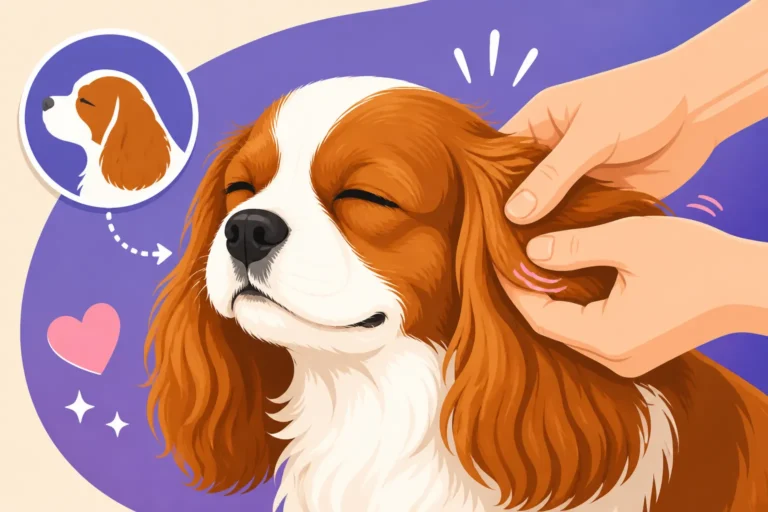
If your Cavalier loves to roll in the grass, explore bushes, or is generally active outdoors, daily brushing becomes even more critical. Twigs, burrs, and mud can quickly get embedded in that silky coat, turning into tangles almost instantly. A daily routine also makes it easier for you to perform Daily Ear Checks on a Cavalier and keep an eye out for any skin issues or unwelcome passengers like fleas or ticks.
Minimum Frequency for Maintaining a Healthy Coat
While daily is ideal, we all have busy lives! If daily brushing simply isn't feasible, aiming for at least three times a week is a good compromise for many Cavaliers. This frequency helps to stay on top of shed hair accumulation and nascent tangles before they can become full-blown mats. Focus particularly on those notorious matting zones: behind the ears, under the chin, in the armpits, and around their hindquarters.
It’s a balancing act. If you notice even slight tangles forming after a few days, that's your cue that you might need to increase the frequency. Every Cavalier is different; some have slightly coarser coats that mat less easily, while others have extremely fine, cottony fur that seems to tangle just by looking at it. Adjust your schedule to what your individual dog's coat demands. For a deeper dive into the specific areas to target, check out Brushing a Cavalier's Feathering Three Times a Week.
Adjusting Brushing for Life Stages and Activities
The frequency of brushing isn't a static rule; it should adapt as your Cavalier grows and their lifestyle changes.
- Puppies: Cavalier puppies often have a softer, fluffier coat that's less prone to serious matting initially. However, this is the crucial time to introduce them to grooming tools and make brushing a positive experience. Short, gentle daily sessions will help them get used to it, making it much easier when their adult coat comes in around a year old. They may not need it daily for mat prevention, but they need it daily for training! This foundational work is key for Teaching a Cavalier to Accept Grooming.
- Adolescents/Adults: As their adult coat develops, especially their beautiful feathering, matting becomes a much more significant concern. This is when the three-times-a-week or daily routine truly comes into its own.
- Seniors: Older Cavaliers might have thinner skin or develop joint issues that make standing for long grooming sessions uncomfortable. You might need to break brushing into shorter, more frequent sessions, perhaps with them lying down comfortably. Grooming an Older Cavalier That Cannot Stand Long offers valuable tips for adapting your routine.
- Active Dogs: If your Cavalier loves long walks through wooded areas, swims, or plays rough with other dogs, their coat will pick up more debris and tangle more quickly. You might find you need to brush them immediately after these activities, or at least perform a quick check for burrs and sticks.
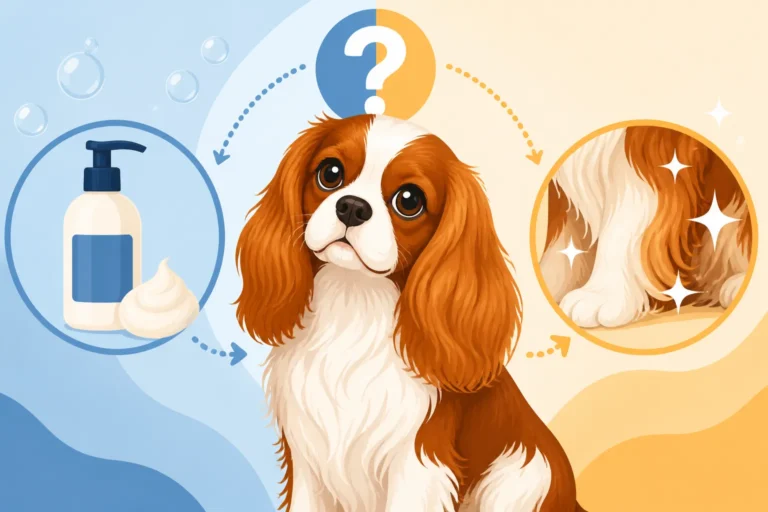
- Post-Bath: It's absolutely crucial to brush your Cavalier before and after a bath. Washing a matted coat will only make the mats tighter and harder to remove. After bathing and thoroughly drying, brush again to ensure all tangles are out and the coat dries smooth.
The Right Tools and Techniques for Cavalier Brushing
Having the right equipment makes all the difference. Investing in good quality brushes and combs will protect your Cavalier's coat and skin and make the process more efficient.
Essential Brushing Tools
You don't need a huge arsenal, but a few key items are indispensable for Cavalier grooming.
| Tool Type | Description | Best Use for Cavaliers |
|---|---|---|
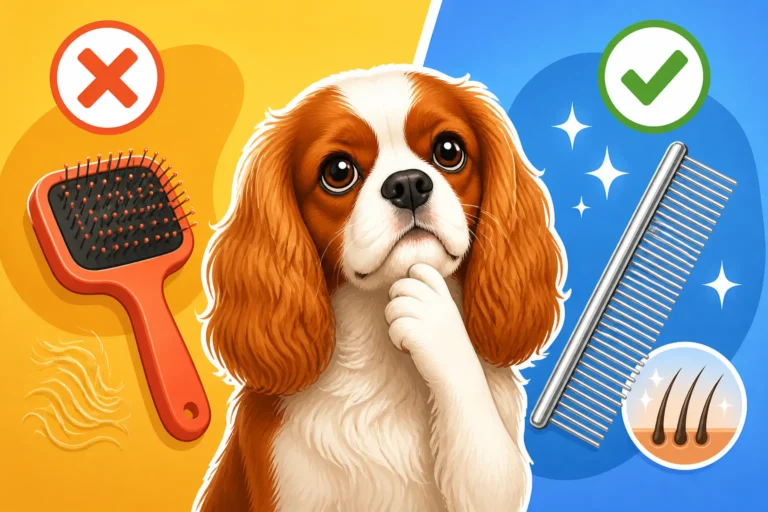
| Slicker Brush | Fine, closely spaced wire bristles with protected tips, usually rectangular. | Removing loose hair, detangling light mats, fluffing up the coat. Use gently to avoid "brush burn." |
| Pin Brush | Longer, widely spaced pins with rounded tips, similar to a human hairbrush. | General brushing, distributing oils, massaging the skin, less aggressive detangling. Good for longer feathering. |
| Metal Comb | Fine and wide-toothed sections, made of sturdy metal. | Crucial for checking for mats, working out tangles, especially behind ears and in feathering. |
| Detangling Spray | A conditioning spray to lubricate hair, making mats easier to comb out. | Use before brushing to prevent static and aid in mat removal. |
| Scissors (Blunt-Tip) | Small, sharp scissors with rounded tips for safety. | Carefully cutting out small, stubborn mats if absolutely necessary, or for sanitary trims. |
For these tools, you can often find great options from brands like Chris Christensen or Safari, readily available at pet supply stores or online retailers like Chewy and Amazon. Having a dedicated collection of grooming tools is paramount; you wouldn't use a paint roller to brush your hair, right? So, don't use a cheap, ineffective brush on your precious Cavalier. For more details on selecting the best tools, read The Brush and Comb a Cavalier Coat Needs.
Step-by-Step Brushing Technique
Brushing your Cavalier should be systematic to ensure you don't miss any spots and to avoid causing discomfort.
- Prepare the Coat: Start with a Cavalier who is calm and relaxed. A quiet room is ideal. If their coat is a bit dry or prone to static, mist it lightly with a detangling spray. This helps prevent breakage and static, making the comb glide through more smoothly.
- Section by Section: Don't try to brush the whole dog at once. Work in small sections, starting from the bottom of a leg and working your way up, or from the chest to the back. Use one hand to hold the hair above the section you're working on, exposing the skin. This allows you to brush from the roots outwards.
- Slicker or Pin Brush First: Use your slicker brush or pin brush (depending on coat length and density of feathering) with light, even strokes. Always brush with the direction of hair growth. Be extra gentle around sensitive areas like the belly, groin, and ears. The goal here is to remove loose hair and begin to work through any minor tangles. For heavy feathering, like on the ears or tail, a pin brush is often gentler.
- Comb to Check: After brushing a section, follow up with your metal comb. Start with the wide-toothed end for initial checks, then move to the fine-toothed end. The comb is your mat detector! If the comb glides smoothly from root to tip, that section is mat-free. If it catches, you've found a tangle that needs further attention. This is especially vital in areas notorious for matting, like the armpits. Finding and addressing Mats in a Cavalier's Armpits and Groin early will save you a lot of grief.
- Address Tangles and Mats: If you encounter a tangle, don't yank! Apply more detangling spray to the matted area. Use the wide-toothed end of your metal comb and gently tease the mat apart, starting from the outer edge and working your way inward, little by little. You can also hold the hair at the base of the mat firmly with your fingers to prevent pulling on the skin. Patience is key here. For more stubborn mats, refer to Working a Mat Out of Cavalier Feathering for detailed strategies.
- Repeat: Continue this process, section by section, until you've gone over your entire Cavalier. Pay special attention to the areas most prone to matting: behind the ears, under the chin, the armpits, the long feathering on the chest, legs, and tail, and around their potty areas.
Troubleshooting Common Brushing Challenges
Even with the best intentions and tools, you might encounter some bumps in the road. It's totally normal, and there are ways to work through them.
Dealing with Stubborn Mats
Sometimes, despite your best efforts, a mat can become too tight or too large to comb out safely without causing pain. This is where professional help comes in. A reputable groomer can often work wonders with specialized tools and techniques, sometimes even saving parts of the coat you thought were lost. They understand the nuances of a Cavalier's coat and can address severe matting effectively.
If you absolutely must remove a mat at home and it's small and accessible, use blunt-tipped scissors. Always place a comb between the mat and your Cavalier's skin before cutting. This creates a barrier and helps prevent accidentally snipping their skin, which is incredibly thin and delicate. Snip carefully, parallel to the skin, in small increments. Never try to cut through a mat directly without this safeguard. When a coat gets severely matted, sometimes the only humane solution is to shave it down. While this might be disheartening, remember that Whether a Cavalier Coat Grows Back After Clipping – it does, and your dog's comfort is paramount.
When Your Cavalier Hates Being Brushed
It's heartbreaking when your sweet Cavalier turns into a wriggly, grumbling mess at the sight of a brush. But fear not, this is a common hurdle, especially if they haven't been consistently groomed from a young age or if a past experience was uncomfortable.
- Positive Association: Never force brushing. Instead, make it a positive experience. Start with very short sessions (literally 30 seconds to a minute) where you offer high-value treats and praise. Brush a single, easy spot, then stop and reward.
- Gradual Increase: Slowly increase the duration and the areas you brush over time. If they tolerate one minute on their back, try one minute and fifteen seconds the next day.
- Comfort is Key: Ensure they are comfortable. A non-slip mat or towel on the grooming table (or your lap) can help. Talk to them in a soothing voice.
- The Right Tools: Sometimes, a brush might be too harsh. Experiment with a softer pin brush or even just your fingers for very sensitive areas initially.
- Professional Guidance: If you're really struggling, a professional groomer or even a dog trainer specializing in cooperative care can offer personalized techniques to help your Cavalier overcome their aversion. Building a positive relationship with grooming is so important for their lifelong well-being.
Maintaining Grooming Between Professional Appointments
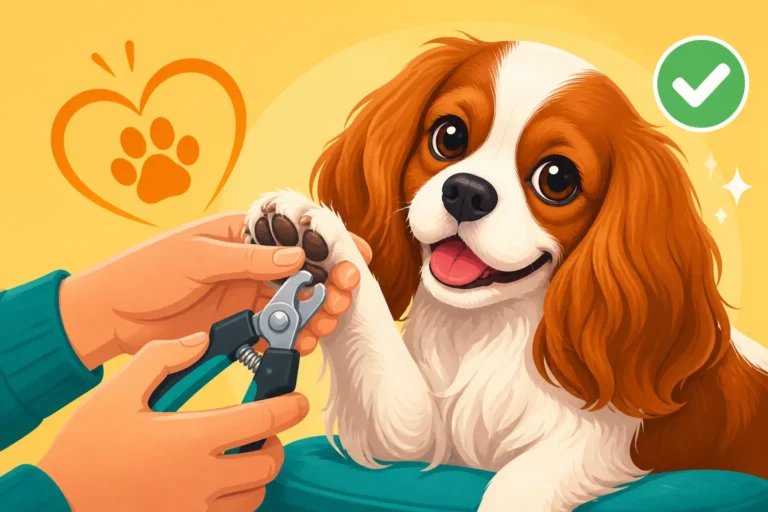
Regular brushing at home is not a substitute for professional grooming, but it greatly extends the time between visits and makes those visits much more pleasant for your Cavalier and your groomer. Most Cavaliers benefit from professional grooming every 6-8 weeks to get a sanitary trim, tidy up their feet, and address any areas you might have missed or struggled with. This also helps manage Cavalier Grooming Costs Every Six to Eight Weeks by preventing emergency mat removal fees.
Between these appointments, your consistent home brushing routine prevents severe matting, keeps their coat cleaner, and allows you to catch any potential skin issues early. Think of it as teamwork: you keep the daily maintenance going, and the groomer handles the more intricate tidying and shaping. Your Cavalier will thank you for the comfortable, mat-free coat, and you'll both enjoy the process much more when it's a routine act of love and care, not a battle.
Disclaimer
This article is for general informational purposes only and does not constitute professional advice. Laws, prices and regulations vary by location and change over time. Consult a qualified professional for guidance on your specific situation.