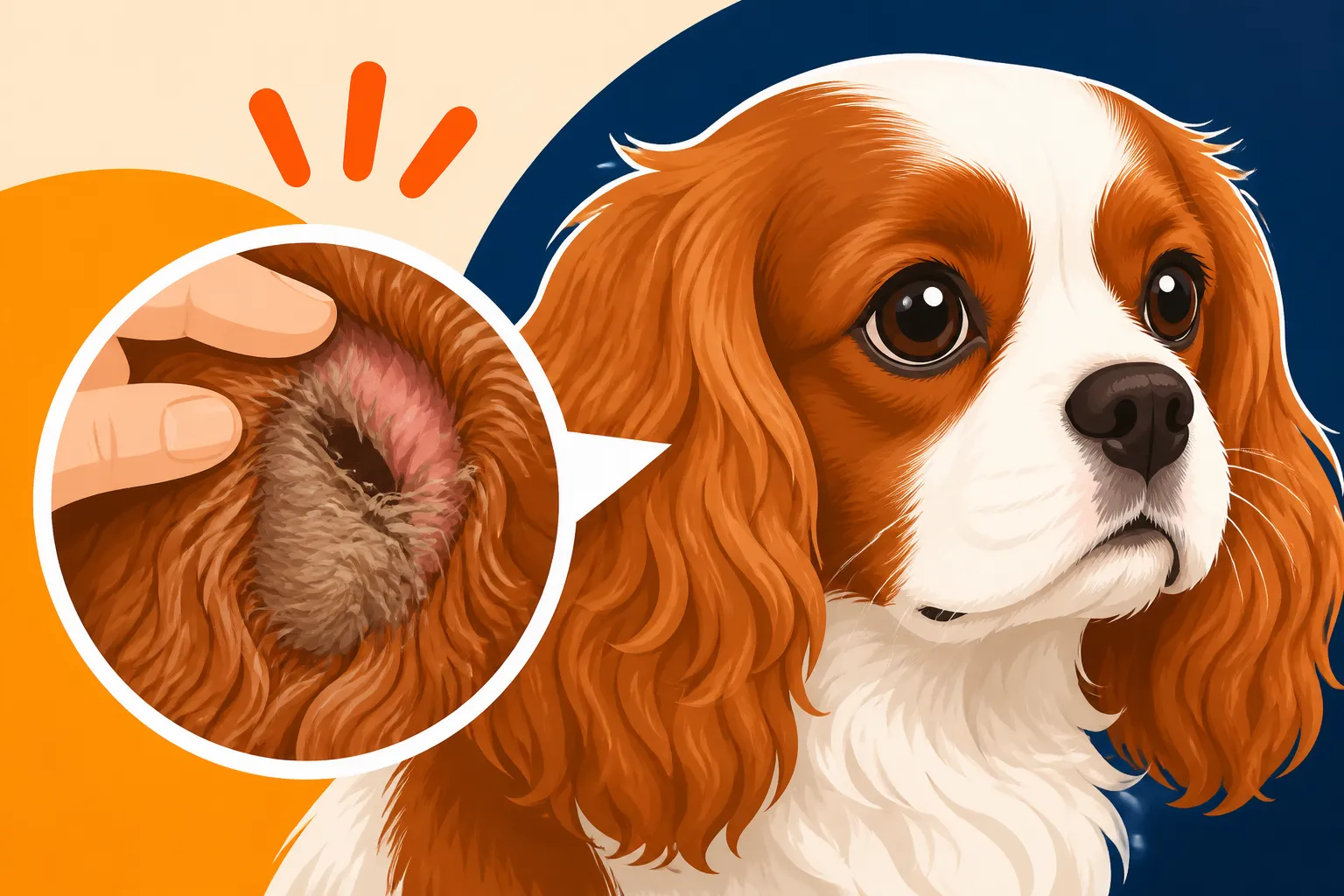
Mats Behind a Cavalier’s Ear Leather
It's a frustratingly common scenario for Cavalier King Charles Spaniel owners: you think you're keeping up with grooming, perhaps even brushing daily, and then you discover a dense, stubborn mat hidden right behind your sweet Cavalier's ear leather. This guide will walk you through exactly why these mats form in this tricky spot, how to safely and gently remove them, and most importantly, how to prevent them from becoming a recurring nightmare for both you and your beloved furry friend.
Why Cavalier Ears Are a Mat Magnet
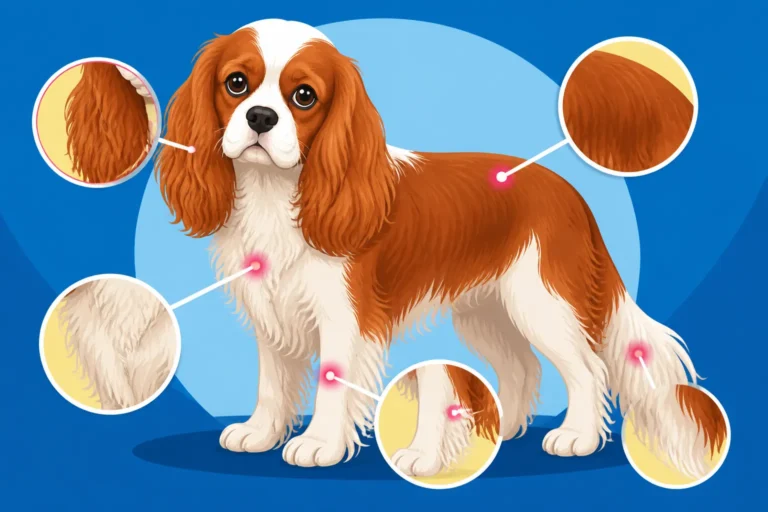
Cavaliers have those glorious, long, silky drop ears that are undeniably part of their charm. But what makes them so beautiful also makes them incredibly prone to matting, especially in the area right behind the ear leather where the ear meets the head. This isn't just a random occurrence; there are several specific reasons this spot becomes such a problem area.
The Perfect Storm of Friction and Fine Hair
The skin right behind your Cavalier's ear is a high-friction zone. Think about it: the heavy ear leather itself constantly moves and rubs against the finer hair in that area. Every shake of the head, every time they scratch, every time they lie down, that friction is at play. Add to this the very nature of a Cavalier's coat – it's typically silky and fine, which sounds lovely, but fine hair is actually more prone to tangling and matting than coarse hair. It snags on itself much more easily.
Imagine a fine silk scarf versus a rough wool blanket. The silk is beautiful, but it can knot into a tangle with very little effort. Your Cavalier's coat, particularly those delicate strands behind the ears, behaves similarly. This area often has a slightly different texture of hair, sometimes a bit softer or fluffier than the main body coat, which only exacerbates the matting issue. It's truly a perfect storm where movement, friction, and hair type conspire against you, creating those felt-like lumps that feel impossible to budge.
Moisture, Dirt, and Debris Accumulation
Cavalier ears are like little sponges, picking up everything. When your dog eats or drinks, their ear fringes often dip into their food and water bowls, collecting moisture and food particles. While snoods are fantastic for preventing this, not every dog wears one religiously, and even with them, some moisture can still wick up the ear leather. This moisture, combined with natural ear wax or dirt from rolling around outside, settles right behind the ear.
That damp, grimy environment is a prime breeding ground for mats. The moisture causes the hair strands to clump together, and any debris acts like glue, binding those strands even tighter. If your Cavalier loves to play outdoors, sniff through bushes, or even just roll in the grass, tiny burrs, seeds, or bits of leaf can easily become embedded in the fine hair behind their ears. Once these foreign objects get caught, they act as anchor points for mats to form and grow quickly, turning a small tangle into a significant problem in a surprisingly short amount of time. This is why Cavalier Ear Care Under a Heavy Drop Ear is so important beyond just infection prevention.
The Art of Detangling: Tools and Techniques for Ear Mats
Finding a mat behind your Cavalier's ear can feel disheartening, but don't despair! With the right tools and a gentle, patient approach, most mats can be carefully removed without resorting to shaving. The key is to never pull or yank, as this is painful for your dog and can make them resistant to future grooming.
Essential Tools for Mat Removal
Before you even think about tackling a mat, gather your arsenal. Having the right tools makes all the difference and significantly reduces stress for both you and your Cavalier.
- Slicker Brush: A good quality slicker brush with fine, bent wire pins is excellent for general coat maintenance and for gently working on surface tangles. However, for dense mats, it's typically used after initial detangling to fluff out the coat.
- Metal Comb: This is your primary weapon against mats. Look for a sturdy metal comb with both wide and fine teeth. The wide-toothed section is for initially breaking up the mat, and the fine-toothed section is for finishing and ensuring all tangles are gone. A comb specifically designed for detangling often has rotating teeth, which can help prevent snagging.
- Dematter Tool: Sometimes called a mat raker or mat splitter, these tools have sharp, inwardly curved blades that can cut through dense mats. Use these with extreme caution as they are sharp and can easily cut skin if not handled properly. Always ensure the blades are facing away from the skin.
- Detangling Spray or Conditioner: A good detangling spray is invaluable. It lubricates the hair, making it slipperier and easier to separate. You can find excellent options on Chewy or Amazon from various reputable brands. A leave-in conditioner diluted with water can also work wonders.
- Scissors with Blunt Tips: For the most stubborn, skin-tight mats, these might be necessary. Absolutely only use blunt-tipped scissors and always point them away from the skin. Never try to snip a mat close to the skin with sharp, pointed scissors, as Cavaliers have very thin, delicate skin that can be easily cut.
- Treats! Plenty of high-value treats are crucial for keeping your Cavalier calm and cooperative throughout the process.
| Tool | Primary Use | Caution |
|---|---|---|
| Slicker Brush | General brushing, fluffing coat, light tangles | Avoid harsh scraping on skin |
| Metal Comb | Detangling, checking for hidden mats | Be gentle, don't pull hard |
| Dematter Tool | Cutting through dense, matted hair | EXTREME CAUTION: Blades are sharp, can cut skin |
| Detangling Spray | Lubricating hair, making detangling easier | Choose dog-safe formulas, avoid eyes |
| Blunt-Tipped Scissors | Carefully cutting tight mats (last resort) | EXTREME CAUTION: Always point away from skin, use as last resort |
Step-by-Step Detangling Method
Once you have your tools, find a comfortable, well-lit spot where your Cavalier feels secure. Many owners find working on a table helpful, as it saves your back and can make your dog more accustomed to being handled for grooming.
- Assess the Mat: Gently feel the mat to understand its size, density, and how close it is to the skin. If it's very large and tight, you might need professional help. If it feels like a small, loose tangle, you can probably manage it.
- Apply Detangling Spray: Liberally spray the mat with your detangling spray or diluted conditioner. Work it into the mat with your fingers, ensuring the hair is thoroughly saturated. Let it sit for a minute or two to penetrate the hair strands. This is a vital step and makes the process far less painful.
- "Line Brushing" Technique: This is the safest way to tackle mats.
- Part the hair above the mat with your fingers, exposing the skin line.
- Hold the hair above the mat firmly with one hand (this is called "anchoring" the hair – it prevents pulling on the skin).
- With your metal comb (start with the wide teeth), gently pick at the very edge of the mat, working a few strands at a time, moving away from the skin. Imagine you're trying to separate just a few hairs from the main clump.
- Work slowly, inch by tiny inch. As you free a few strands, move your anchoring hand slightly up to hold the detangled section, and continue working on the next small section of the mat.
- Never try to comb straight through the mat from top to bottom. This will only pull and hurt. You are essentially dismantling the mat from the outside in, or rather, from the bottom up.
- Consider the Dematter Tool (If Necessary): If the mat is incredibly dense and not responding to the comb, you can carefully use a dematter tool. Hold the mat firmly at the base, keeping the skin taut and safely away from the blades. With the dematter tool, make short, shallow strokes into the mat, parallel to the skin, never pointing towards it. This will slice the mat into smaller, more manageable sections. Once it's "sliced," go back to the metal comb to work out the smaller pieces.
- Blunt-Tipped Scissors (Last Resort): If a mat is so tight it's pulling the skin, or if your dog is in distress, cutting it out might be the only option. Always lift the mat away from the skin so you can see a gap between the mat and the skin. Insert the blunt tips of the scissors into this gap, parallel to the skin, and carefully snip upwards, following the mat's shape. You are trying to cut the mat into two or three strips, not cut it off completely, which again makes it easier to comb out later. If you are not confident, please see a professional.
- Brush and Finish: Once the mat is broken up and mostly combed out, use your slicker brush to gently brush through the area to ensure no small tangles remain. Finish with the fine-toothed side of your metal comb.
- Praise and Reward: Throughout this entire process, offer continuous praise and frequent treats. Even if it takes a while, maintaining a positive association with grooming is paramount. Your Cavalier will associate the experience with good things, making future grooming sessions much easier. Training a Cavalier With Praise Rather Than Pressure is key for all handling.
Preventative Measures: Keeping Those Ears Mat-Free
Once you've successfully tackled the mats, the real goal is to prevent them from coming back. Regular, consistent preventative care is far easier and less stressful than dealing with a fully formed mat.
Daily Brushing and Combing Routine
This is probably the most crucial preventative step. You can't just brush the body and forget the ears. Cavaliers need regular grooming, and the area behind the ears is non-negotiable. Aim for a quick check and comb through this specific spot daily. It only takes a minute or two, but it makes a huge difference.
Instead of just running a brush over the top, use your fingers to part the hair and get your metal comb right down to the skin. Work in small sections, always checking for any beginning tangles or knots. If you catch a small tangle early, it's usually just a quick spritz of detangling spray and a gentle comb-through to resolve it. This daily habit prevents those small tangles from escalating into painful, solid mats. Think of it as your daily quality control for those beautiful ears. Our guide on The Five Minutes a Day a Cavalier Coat Takes has more on efficient daily routines.
Strategic Grooming Products and Practices
Beyond daily combing, the products you use and your grooming habits play a significant role.
- Detangling Sprays and Conditioners: Incorporate a good quality leave-in detangling spray or conditioner into your routine, even if there aren't visible mats. A light spritz on the ear feathering and especially behind the ears a few times a week can help condition the hair, making it smoother and less likely to tangle. Look for reputable brands available on Amazon or Chewy.
- Snoods: These fabric tubes are lifesavers for keeping Cavalier ears clean and dry, especially during meal times and when they are drinking. By preventing the ears from dipping into food and water, snoods reduce the moisture and debris that contribute to matting.
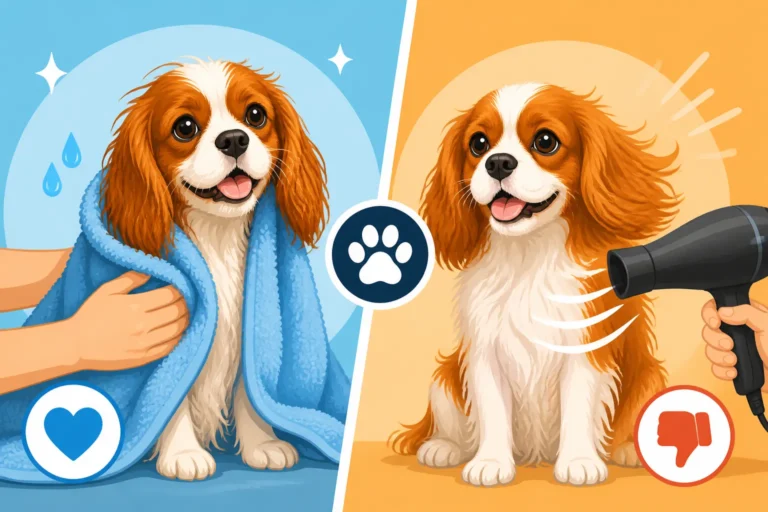
- Regular Baths with Proper Drying: While you don't need to bathe your Cavalier daily, regular bathing (perhaps every 2-4 weeks, depending on their activity) helps keep their coat clean and free of oils and dirt that can lead to tangles. Crucially, after a bath, ensure the ears, particularly the hair behind them, are thoroughly dried. Drying Cavalier Feathering Properly is an art form. Damp hair, especially the fine hair behind the ears, will mat extremely quickly as it dries. Use a low-heat blow dryer and brush the hair as you dry it, ensuring every strand is dry and separated.
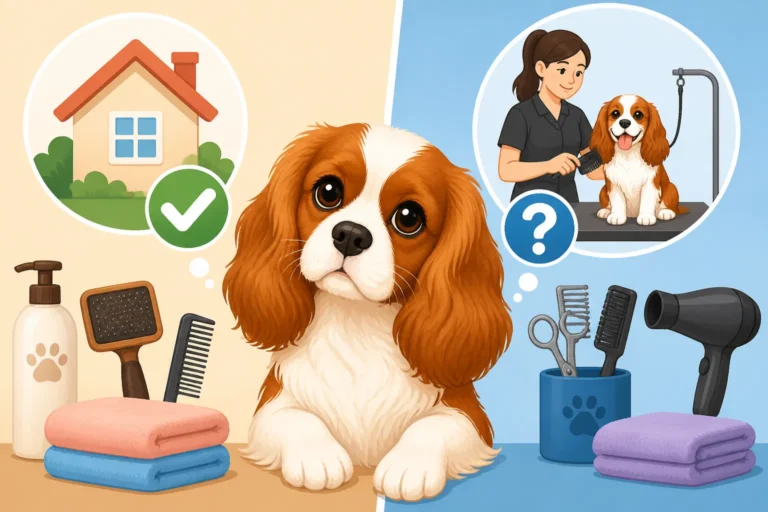
- Professional Grooming: Even with diligent home care, regular professional grooming appointments (every 6-8 weeks) can be incredibly beneficial. A skilled groomer understands Cavalier coats and problem areas and can perform thorough line brushing and ensure no mats are lurking unseen. They also have professional-grade tools and techniques to prevent minor tangles from becoming major issues. Our article Cavalier Grooming Costs Every Six to Eight Weeks goes into this further.
Environmental Awareness and Routine Checks
Your Cavalier's daily life can also contribute to matting, so being mindful of their activities is part of prevention.
- Outdoor Adventures: After walks or playtime outdoors, especially if your Cavalier has been exploring tall grass or bushes, always do a quick check behind their ears. Remove any burrs, seeds, or debris immediately. It's much easier to pick out a few leaves than to cut out a felted mat.
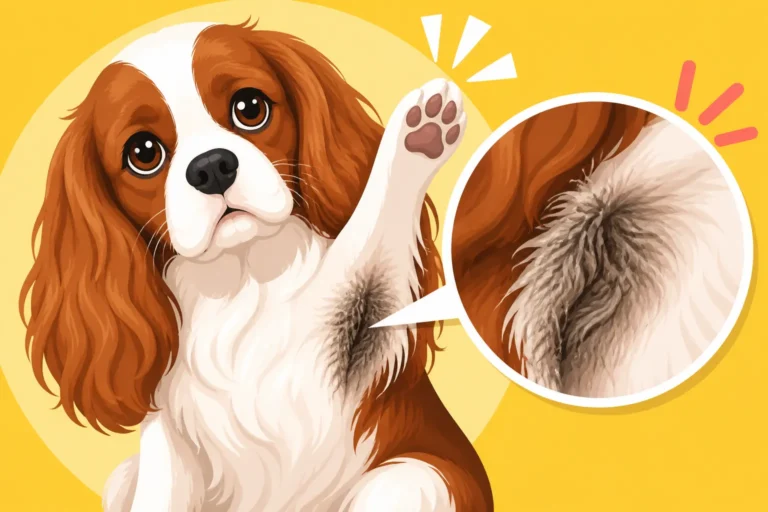
- Collars and Harnesses: Ensure collars and harnesses fit properly and aren't constantly rubbing behind the ears or on the chest and armpits, which are other common matting spots like Mats in a Cavalier's Armpits and Groin. Loose collars can rub, while tight ones can press hair together.
- Sleeping Habits: Some Cavaliers sleep in positions that put pressure on certain areas, leading to matting. While you can't control how they sleep entirely, simply knowing this can prompt you to check those areas more often.
- Health Checks: Sometimes, excessive scratching or rubbing behind the ears can indicate an ear infection or skin irritation, which can rapidly lead to matting. If you notice your Cavalier constantly bothering their ears, it's worth a vet check. Recurrent Ear Infections in a Cavalier can be a major contributor.
When to Call a Professional Groomer
While it’s empowering to tackle minor mats yourself, there are definite times when the best course of action is to call in a professional. Ignoring severe mats or trying to force them out can cause pain, skin irritation, and even injure your Cavalier.
Signs a Mat Is Beyond DIY Care
It's tempting to think you can handle anything, but a severe mat can be surprisingly stubborn and painful to remove. Here are some clear indicators that it's time to call a professional groomer or even your veterinarian:
- Skin-Tight Mats: If a mat is so dense and tight that it's pulling the skin, or if you can't see any daylight between the mat and the skin, trying to remove it yourself is risky. The skin beneath such mats is often inflamed, raw, or even infected. Cutting these mats out incorrectly can lead to severe lacerations, which then require veterinary attention.
- Large or Multiple Mats: A small, pea-sized tangle is one thing. If you discover a mat the size of a golf ball or larger, or multiple large mats behind the ears, it’s a big job. Attempting to detangle a large area can be incredibly time-consuming, frustrating, and painful for your Cavalier, potentially ruining their trust in grooming.
- Dog is in Pain or Highly Stressed: If your Cavalier yelps, growls, snaps, or becomes genuinely distressed when you try to touch the mat, stop immediately. Their discomfort is a clear sign that you might be causing pain or that the mat is more sensitive than it appears. Pushing through this will only make future grooming sessions a battle.
- Dull Scissors or Inadequate Tools: If you don't have proper grooming tools, or if your scissors are dull, you're more likely to snag, pull, or accidentally cut your dog. This is not the time to "make do" with kitchen shears.
- Skin Irritation or Infection: Sometimes, mats hide a nasty surprise underneath. If the skin under the mat is red, swollen, weeping, smells foul, or has any discharge, it needs immediate veterinary attention. Trying to detangle over an infection will only worsen it. Cavalier Ear Infections and Why They Recur often lead to skin issues.
The Benefits of Professional Intervention
A professional groomer isn't just someone who makes your dog look pretty; they are skilled specialists who can handle difficult situations with expertise and compassion.
- Expertise and Tools: Professional groomers have years of experience with all coat types, including the fine, silky fur of Cavaliers. They have specialized tools, sharp clippers, and the technique to safely and quickly remove even the most stubborn mats. They know how to hold a dog to minimize movement and stress, and how to safely navigate delicate areas like behind the ears.
- Health and Comfort First: A good groomer will always prioritize your dog's comfort and health. If a mat is severe, they will often recommend shaving it out rather than putting your dog through a painful, hours-long detangling session. Shaving is a quick, clean solution that prevents further pain and allows the skin underneath to breathe and heal.
- Prevention Advice: Beyond just removing the mat, a professional groomer can offer personalized advice on your Cavalier's specific coat type, recommended grooming schedule, and the best products for home care. They might even teach you how to maintain those tricky spots more effectively.
- A Fresh Start: Sometimes, shaving out matted areas provides a "reset" for the coat. It allows the new hair to grow in healthy and mat-free, giving you a clean slate to implement a more consistent preventative grooming routine. This doesn't mean your Cavalier's lovely feathering is gone forever; it will grow back with diligent care.
Don't ever feel guilty about taking your Cavalier to a groomer for mats. It's an act of kindness and responsibility to ensure your dog is comfortable and pain-free. When in doubt, always err on the side of seeking professional help.
Disclaimer
This article is for general informational purposes only and does not constitute professional advice. Laws, prices and regulations vary by location and change over time. Consult a qualified professional for guidance on your specific situation.